

| Morphological Metric | Breed Specification Benchmark |
|---|---|
| Zoological Classification | Apis mellifera sahariensis |
| Breed Classification | North African Desert Oasis Honey Bee Subspecies |
| Mature Male Body Mass | 185 – 205 mg (Drone adult body mass) |
| Mature Female Body Mass | 195 – 220 mg (Mated Queen; Worker: 88 – 108 mg) |
| Frame Height / Scale | Traditional oasis clay hive or insulated 10-frame Langstroth |
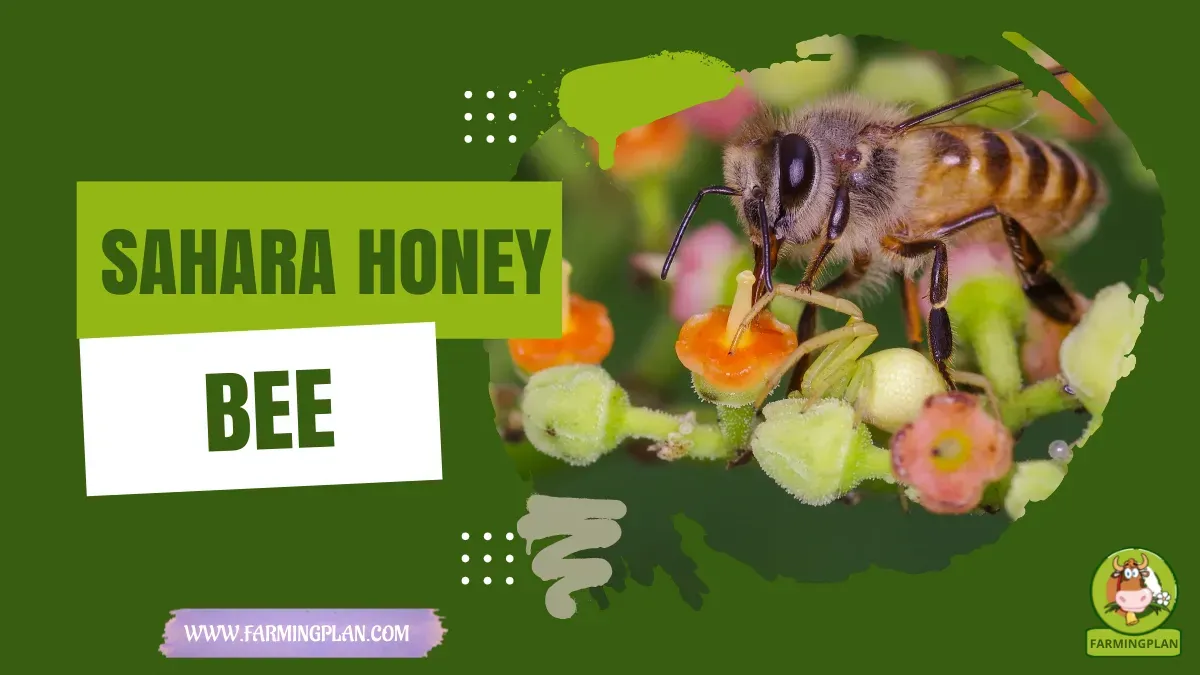
| Fleece / Pelt Characteristic | Luminous amber-yellow abdomen with golden thoracic hairs reflecting solar rays |
| Conformational Trait | Large compound eyes, long nectar proboscis, thermal antenna sensors |
| Temperament Profile | Notably docile, gentle on comb, efficient long-distance forager, heat tolerant |
| Daily Dietary Intake | Date palm inflorescence, oasis alfalfa, desert thyme, and acacia blossoms |
| Reproductive Cycle | Queen development: 16 days (Worker: 21 days, Drone: 24 days) |
| Recommended Housing Density | 15 – 30 colonies per oasis microclimate apiary yard |
Breed Overview & Quick Facts
The Saharan Honey Bee occupies an esteemed position across modern agricultural husbandry, celebrated by homesteaders, commercial producers, and heritage enthusiasts for its distinct morphological conformation, exceptional climatic resilience, and superior production yields. Whether you manage intensive pasture paddocks, sheltered aviaries, or specialized breeding facilities, understanding the biological traits of this outstanding breed ensures sustainable vitality and enterprise profitability. Early intervention at the first sign of lethargy protects overall Saharan Honey Bee flock or herd health.
As heritage livestock stewardship gains momentum nationwide, raising this hardy breed offers a reliable pathway toward farm self-reliance, premium artisan fleece, fiber, or table meat marketing. Exploring comparative husbandry principles across our sustainable homestead farming and pollinator integration empowers producers to design resilient, multi-species homestead systems that withstand market fluctuations and climatic extremes. Structured culling and biosecurity protocols strengthen Saharan Honey Bee genetic quality.
Across diverse North American climate zones, from arid desert plateaus to freezing northern winter shelters, managing environmental stress remains fundamental. Standardizing daily feeding, monitoring, and sanitation protocols maintains herd and flock vitality throughout seasonal transitions. Experienced managers recognize that operational success depends on meticulous observation of daily rhythms, stress indicators, and social hierarchies.
Physical Characteristics & Breed Standards
Evaluating physical conformation remains fundamental when selecting foundation breeding stock or identifying prime market animals. The Saharan Honey Bee displays a robust skeletal architecture, characterized by sound limbs, balanced muscle development, and uniform frame depth that withstands active outdoor living. Maintaining clean feeders and sanitized equipment supports sustainable Saharan Honey Bee care.
Special attention must be paid to structural symmetry, cranial features, and overall vitality. Breeders should prioritize animals with alert eyes, clear respiratory passages, and sturdy feet free from conformational defects or lameness. The characteristic coloration and skin integrity provide reliable indicators of genetic purity and natural resistance to environmental stressors. Consistent daily observation helps keepers spot early changes in Saharan Honey Bee health and behavior.
In addition to bone structure and body scale, assessing gait and locomotion reveals musculoskeletal soundness. Animals should stride smoothly with level top-lines, square hip placement, and clean joint flexion, enabling unhindered daily foraging across uneven pasture terrain or active flight within spacious loft aviaries.
| Performance Dimension | Target Breed Parameter | Husbandry & Production Advantage |
|---|---|---|
| Adult Frame Scale | Males: 185 – 205 mg (Drone adult body mass) | Females: 195 – 220 mg (Mated Queen; Worker: 88 – 108 mg) | Robust bone structure supporting athletic mobility and productivity |
| Coat / Feather Shield | Luminous amber-yellow abdomen with golden thoracic hairs reflecting solar rays | Provides natural weather insulation and valuable farm harvest value |
| Maternal Fecundity | Consistent fertility with high rearing rates | Attentive dams capable of raising vigorous offspring unassisted |
| Feed Utilization | Efficient conversion under forage & grain | Converts pasture vegetation into high-quality protein efficiently |
| Docile Disposition | Notably docile, gentle on comb, efficient long-distance forager, heat tolerant | Cooperative handling temperament ideal for family smallholders |
Breed History, Heritage & Regional Evolution
The Saharan Honey Bee (Apis mellifera sahariensis) is a rare and precious honeybee subspecies native to the isolated desert oases of southern Morocco and western Algeria along the northern fringes of the Sahara Desert. Isolated by vast dunes for millennia, sahariensis evolved exceptional physiological heat tolerance, extended foraging range across sparse desert vegetation, and an unusually calm, docile disposition. Clean housing, fresh water, and balanced nutrition remain essential for Saharan Honey Bee productivity.
Throughout historical agrarian cycles, selection pressures prioritized animals that exhibited vigorous foraging vitality, efficient feed conversion, and reliable maternal attentiveness under variable environmental conditions. Today, pedigree preservation programs collaborate with regional agricultural associations to protect registered genetic diversity while optimizing phenotypic vigor. Tracking feed intake and body condition supports long-term Saharan Honey Bee performance.
Housing, Paddock Design & Winter Hardiness
Constructing durable housing and boundary fencing represents the foundation of successful livestock husbandry. Facilities should feature well-drained three-sided run-in sheds, insulated coops, or all-wire hutches that provide thermal protection against rain, driving winds, and extreme sun.
Adopting rotational paddock layouts derived from multi-species homestead livestock pasture systems prevents ground compaction, distributes organic fertility, and breaks internal parasite life cycles across rotational pastures. Clean air circulation without cold floor drafts protects young stock from contracting acute respiratory diseases. Following biosecurity best practices reduces disease risk in any Saharan Honey Bee operation.
Bedding management requires deep layers of clean wood shavings, dry straw, or coarse sawdust that absorb moisture and prevent bacterial foot rot. In summer, shaded loafing areas equipped with mister lines or deep shade cloth allow stock to regulate core body temperature efficiently without expending excessive metabolic energy. Seasonal adjustments to shelter and diet keep Saharan Honey Bee thriving year-round.
Perimeter fencing must be engineered with heavy-gauge woven wire, sturdy wooden line posts, and low-set predator aprons or electrified offset wires to deter burrowing coyotes, stray dogs, and feral predators. Pasture gates should span at least twelve feet wide to accommodate farm tractors, rotary mowers, and livestock trailers during seasonal paddock rotation.
Nutritional Requirements, Daily Rations & Feeding Protocols
Optimizing growth rates, reproductive performance, and overall vigor demands a scientifically calibrated nutritional regimen tailored to life stage, work output, and environmental temperatures. Balanced rations must supply precise ratios of digestible crude protein, limiting essential amino acids, metabolizable energy, vitamins, and bioavailable minerals. Proper record-keeping makes breeding and culling decisions easier for Saharan Honey Bee keepers.
Transitioning stock gradually between seasonal feeds prevents gastrointestinal disturbances, ruminal acidosis, and digestive impactions. Integrating feeding insights similar to integrated pasture floral boundary management allows pasture-raised stock to harvest valuable micronutrients from diverse native forages while optimizing supplementary grain outlays.
Continuous access to clean, fresh drinking water remains the single most vital component of livestock nutrition. Water delivery systems must utilize freeze-resistant founts or shaded troughs cleaned weekly to prevent algae accumulation and waterborne bacterial colonization. Breeders interested in comparing housing, diet, and productivity traits should see our East African Lowland Honey Bee husbandry guide. Providing adequate space and ventilation prevents common stress issues in Saharan Honey Bee.
Offering free-choice loose trace mineral salt fortified with selenium, cobalt, and zinc prevents subclinical mineral deficiencies that compromise fertility, immune response, and hoof hardness. Conducting periodic laboratory forage tests on pasture grasses and stored winter hay enables producers to balance crude protein and energy ratios accurately without costly feed waste. Understanding breed-specific traits helps maximize Saharan Honey Bee longevity and output.
Health Management, Common Diseases & Biosecurity Standards
A proactive preventative health program shields your stock from debilitating infectious pathogens and internal parasitic burdens. Animals face biological threats including respiratory viruses, bacterial enteritis, and external parasites such as mites and biting flies, necessitating strict biosecurity barriers.
Implementing rigorous quarantine protocols for all newly acquired stock prevents virulent pathogens from entering established breeding groups. Following a apiary shelter shading and ventilation design tailored by your licensed livestock veterinarian ensures timely inoculations against endemic regional pathogens prior to seasonal breeding. Routine preventive care saves time and lowers veterinary costs for Saharan Honey Bee.
Producers should consult diagnostic extension resources from University of Georgia Honey Bee Program Management Guidelines to establish biosecurity protocols, isolate emerging clinical signs promptly, and calibrate health plans against state livestock department recommendations. Matching forage or ration quality to life stage optimizes Saharan Honey Bee growth.
Routine fecal egg counts confirm medication efficacy and minimize chemical anthelmintic resistance among resident internal parasites. In addition, providing clean dusting areas or topical insecticidal pour-ons eradicates external lice and mites, preserving skin integrity and feed conversion efficiency.
Breeding Management, Reproduction & Offspring Care
Successful reproduction relies on identifying natural estrus or courtship cycles, providing proper nutritional flushing for breeding females, and executing attentive newborn oversight. Maiden females should achieve appropriate skeletal maturity and body weight before initial service to prevent developmental complications. Gradual dietary transitions protect digestive stability in Saharan Honey Bee.
During the gestation or incubation window of Queen development: 16 days (Worker: 21 days, Drone: 24 days), pregnant dams or brooding pairs require modest nutritional maintenance rations to prevent over-conditioning and associated birthing or hatching complications. Providing clean, well-bedded maternity stalls or quiet nesting boxes minimizes maternal anxiety and ensures newborn safety. Selecting healthy foundation stock is the cornerstone of successful Saharan Honey Bee management.
Prompt neonatal care within the first hours of life, including navel disinfection with antiseptic iodine and verifying vigorous suckling or feeding, establishes passive immune transfer. Maintaining warm, draft-free nursery quarters supports rapid early growth and reduces pre-weaning mortality rates.
Verifying adequate colostrum ingestion within the initial four hours following birth remains the cornerstone of neonatal survival, transferring maternal immunoglobulins across the gut before intestinal closure. Applying tamper-evident ear tags or leg bands and logging birth weights in farm records ensures accurate genetic tracking and pedigree integrity. Good predator-proofing and dry bedding safeguard Saharan Honey Bee comfort in harsh weather.
US Ownership Budget & Annual Maintenance Costs
Constructing a realistic enterprise budget enables livestock producers to calculate break-even targets, manage seasonal cash flows, and safeguard farm solvency. While pasture foraging and natural grazing reduce commercial feed expenditures significantly, capital allocations for reinforced fencing, durable shelters, and biosecurity sanitation remain essential. Monitoring water quality and mineral balance directly benefits Saharan Honey Bee vitality.
⚡ Estimated Annual Budget & Maintenance Costs (USD)
| Expense Category | Item Description & Scope | Initial Capital Investment | Annual Recurring Cost |
|---|---|---|---|
| Foundation Breeding Stock | Registered pedigree foundation breeding pair or doe | $130 – $220 per certified oasis nucleus colony or queen | $0 (sustainable flock self-renewal) |
| Shelter & Perimeter Infrastructure | Predator-proof housing, stout fencing, shade ramadas | $180 – $380 (thick-walled insulated Langstroth hive with solar shades) | $35 – $75 (annual fence upkeep) |
| Feed & Mineral Supplementation | Complete grower rations, pasture forage, mineral tubs | $20 – $40 annually per hive (stimulative sugar feed during summer drought) | $40 – $80 (feeders & bins) |
| Veterinary Care & Biosecurity | Vaccines, dewormers, fly controls, health certificates | $15 – $35 annually (varroa screening and organic oxalic acid treatments) | $30 – $60 (starter medical kit) |
| Infrastructure Sundries & Bedding | Freeze-proof waterers, bedding straw, handling gear | $80 – $150 | $40 – $80 |
| Estimated Total Investment | Comprehensive baseline per working breeding unit | $450 – $1,280 | $180 – $380 / unit |
*Note: Cost ranges reflect prevailing US feed, lumber, and livestock prices. Actual expenditures vary according to pasture availability and herd scale.
Interactive Production & Cost Estimator
Estimate your feed requirements, projected maintenance costs, and potential farm returns using our interactive livestock calculator. Adjust stocking numbers, feed prices, and harvest timelines to project budget requirements for your farm enterprise.
🐝 Saharan Honey Bee Apiary Feed & Honey Yield Calculator
Estimate seasonal supplemental sugar syrup, pollen patty requirements, water station supply, and surplus honey yields for your Saharan Honey Bee colonies.
Frequently Asked Questions (FAQ)
What makes the Saharan Honey Bee unique among African honeybees?
Apis mellifera sahariensis is remarkably docile, displaying none of the defensive stinging aggression common in lowland sub-Saharan bees.
How does the Saharan bee survive extreme desert heat?
Its pale amber-yellow cuticle deflects intense sunlight, while workers fly extraordinary distances between oasis groves to gather water for evaporative cooling.
How far do Saharan Honey Bees forage for nectar?
They can forage up to 5 miles (8 km) across arid desert terrain to locate blossoming oasis fruit trees and desert wildflowers.
Is the Saharan Honey Bee an endangered subspecies?
Yes, habitat loss and cross-breeding with tellian bees in northern Africa have threatened pure foundation genetics, making conservation efforts essential.
What is the honey quality produced by Saharan bees?
Colonies produce exquisite, low-moisture honey with concentrated floral notes derived from date palms, desert thyme, and lavender.
Expert Verdict & Next Steps for US Homesteaders
The Saharan Honey Bee represents an outstanding asset for discerning livestock producers, homesteaders, and commercial breeders who demand hardy vitality, excellent feed efficiency, and calm handling behavior. By providing secure fencing, species-calibrated nutritional rations, and strict preventative veterinary oversight, your operation can achieve sustainable production efficiency. Practical hands-on husbandry ensures consistent results when raising Saharan Honey Bee.
Whether your agricultural objectives focus on supplying local direct-to-consumer farm markets or conserving rare global heritage genetics, this breed consistently demonstrates economic and practical farm value. Compare production profiles across our sustainable homestead farming and pollinator integration to design an integrated, highly profitable homestead livestock enterprise.
📚Agricultural Reference & Scientific Citations
Standards and physiological data referenced in this guide comply with USDA Animal and Plant Health Inspection Service (APHIS), American Veterinary Medical Association (AVMA), and the FAO Domestic Animal Diversity Information System.


