

📊 Rainbowfish Care at a Glance: Key Specifications & Production Benchmarks
| Family Classification | Melanotaeniidae (Australasian Rainbowfishes; genera Melanotaenia, Glossolepis) |
| Popular Aquarium Species | Boesemani (M. boesemani), Red (G. incisus), Neon Dwarf (M. praecox) |
| Minimum Tank Volume | 40 to 55 Gallons (150 to 200 Liters); Minimum 4 feet tank length for swimming |
| Optimal Water Temperature | 75°F to 82°F (24°C to 28°C) with stable thermal regulation |
| pH & Water Hardness | pH 7.0 to 8.2; General Hardness (GH) 8 to 18 dGH (Moderately hard, alkaline) |
| Schooling Group Size | Minimum 6 to 8 individuals; optimal 10 to 12 with 1:1 or 1:2 male-to-female ratio |
| Adult Size Range | 3.0 to 5.5 inches (7.5 to 14 cm) depending on target species |
| Primary Dietary Type | Omnivorous / Micro-predator (Requires carotenoid-rich live/frozen feeds) |
| Spawning Substrate | Synthetic acrylic yarn breeding mops or dense fine-leaf plants (Java Moss) |
| Average Captive Lifespan | 5 to 8 years under pristine water filtration and balanced care |
Providing professional rainbowfish care is one of the most rewarding pursuits in freshwater ornamental aquaculture. Hailing from the clear rivers, limestone streams, and sunlit swamps of Australia, Papua New Guinea, and West Papua, rainbowfishes (family Melanotaeniidae) are universally acclaimed for their kinetic schooling behavior, peaceful community temperament, and astonishing iridescent coloration that intensifies with age and optimal nutrition. Monitoring water quality and mineral balance directly benefits rainbowfish care vitality.
Whether you are designing a high-tech planted display aquarium or establishing a commercial ornamental breeding system in our aquaculture and commercial fisheries directory, understanding rainbowfish biology is essential. Rainbowfishes are powerful, open-water endurance swimmers that demand long aquarium footprints, robust water circulation, and clean, moderately hard alkaline water. Keeping them in cramped, stagnant, or acidic tanks results in muted colors, chronic stress, and systemic bacterial infections. Practical hands-on husbandry ensures consistent results when raising rainbowfish care.
In this comprehensive ichthyological guide, we evaluate complete rainbowfish husbandry. We break down tank volume requirements, planted aquascape layout, water chemistry balancing, high-carotenoid nutritional diets, captive spawning mop techniques, and fry rearing protocols.
Physical Characteristics & Breed Standards
Rainbowfishes exhibit a distinctive lateral compression and deep, oval body shape that becomes increasingly pronounced as males mature. They possess two separate dorsal fins: a short, spiny first dorsal fin followed closely by a longer, softer second dorsal fin positioned opposite the extended anal fin. Early intervention at the first sign of lethargy protects overall rainbowfish care flock or herd health.
Their eyes are notably large and luminous, positioned high on a pointed head with an upturned, superior mouth adapted for capturing surface insects, zooplankton, and drifting aquatic invertebrates. Their scales possess microscopic guanine crystals that reflect ambient light, creating shifting iridescent blues, fiery oranges, and golden hues. Structured culling and biosecurity protocols strengthen rainbowfish care genetic quality.
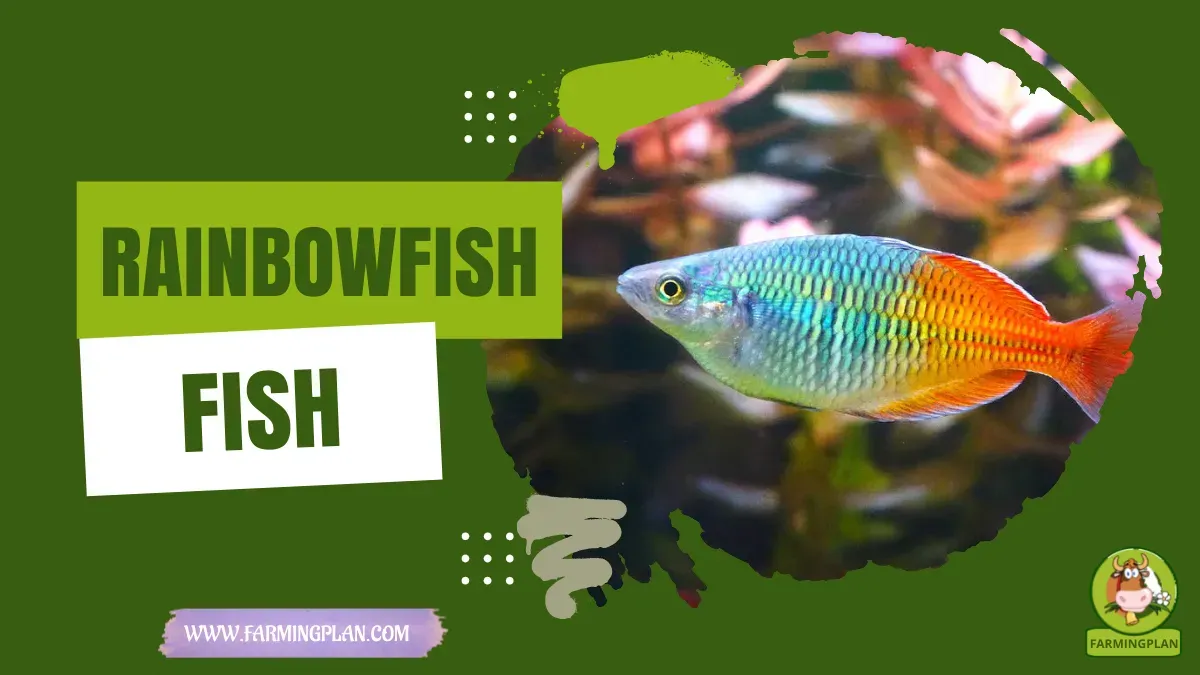
Sexual dimorphism is striking in mature specimens. Males display intense, vibrant color contrasting (such as the sharp two-tone blue and yellow-orange of the Boesemani rainbowfish), develop a high arched dorsal back profile, and flash a brilliant iridescent forehead blaze during morning courtship displays.
Conformation Standards & Anatomical Structure
Assessing physical conformation requires observing swimming posture, fin integrity, and spinal alignment. Healthy specimens maintain tight, undamaged fins with pristine margins free from fraying or white fungal edges. Maintaining clean feeders and sanitized equipment supports sustainable rainbowfish care care.
Spinal deformities or sunken bellies indicate chronic nutritional deficiencies or microsporidian parasitic infections. In a mature school, dominant males showcase fully extended, colorful finnage while sparring peacefully through non-violent display flaring. Consistent daily observation helps keepers spot early changes in rainbowfish care health and behavior.
Size, Weight Benchmarks & Color Variations
Adult sizes vary significantly by species: the popular Neon Dwarf Rainbowfish (Melanotaenia praecox) reaches a compact 2.5 to 3.0 inches, while the Boesemani (M. boesemani) and Red Rainbowfish (Glossolepis incisus) attain 4.5 to 5.5 inches.
Due to their rapid, darting swimming behavior, all medium-to-large rainbowfish species require an aquarium measuring at least 48 inches (120 cm) in length, regardless of total gallon capacity. Clean housing, fresh water, and balanced nutrition remain essential for rainbowfish care productivity.
📊 Rainbowfish Care Performance & Production Matrix
| Water Parameter | Target Rainbowfish Range | Husbandry Impact & Health Significance |
|---|---|---|
| Water Temperature | 75°F to 82°F (24°C to 28°C) | Maintains active metabolic rates and stimulates courtship |
| pH Level | 7.0 to 8.2 (Alkaline preferred) | Prevents acid stress and supports natural slime coat health |
| General Hardness (GH) | 8 to 18 dGH (140 to 320 ppm) | Provides essential dissolved minerals preventing osmotic shock |
| Carbonate Hardness (KH) | 4 to 10 dKH (70 to 180 ppm) | Buffers water against rapid, dangerous nighttime pH drops |
| Total Ammonia & Nitrite | 0.0 ppm (Undetectable) | Zero tolerance; extreme sensitivity to nitrogenous waste |
| Nitrate (NO3-) | Under 15 to 20 ppm | Low nitrates prevent head-and-lateral-line erosion (HLLE) |
Breed History, Heritage & North American Development
The natural history of rainbowfishes is tied to the ancient biogeography of the Sahul continent, which once united Australia and New Guinea during the Pleistocene epoch. As rising sea levels isolated landmasses, unique drainage basins fostered remarkable speciation, giving rise to isolated endemics in remote crater lakes such as Lake Kurumoi and Lake Aitinjo in West Papua.
European ichthyologists first documented the family in the mid-nineteenth century, but rainbowfishes remained rare in the global aquarium trade until pioneering expeditions by Australian researcher Dr. Gerald R. Allen and Dutch naturalist Heiko Bleher in the late 1970s and 1980s. Tracking feed intake and body condition supports long-term rainbowfish care performance.
Bleher’s collection of the Boesemani rainbowfish from the remote Ayamaru Lakes in 1982 ignited a worldwide sensation, transforming the species into a staple of modern freshwater aquascaping and sparking ongoing conservation initiatives to protect fragile wild riverine habitats. Following biosecurity best practices reduces disease risk in any rainbowfish care operation.
Housing, Shelter Dimensions & Winter Hardiness
Designing an ideal aquarium environment for rainbowfishes requires balancing dense biological vegetation with expansive open swimming corridors.
The tank setup should mimic a flowing riverbank: background and side glass densely planted with hardy aquatic vegetation (such as Vallisneria, Cryptocoryne, Echinodorus, and Anubias) anchored around smooth river stones and water-worn driftwood, leaving the entire front and middle zones completely clear for active schooling sprints. Seasonal adjustments to shelter and diet keep rainbowfish care thriving year-round.
Spatial Density & Enclosure Engineering
Rainbowfishes are obligate schooling teleosts that must be maintained in groups of at least 6 to 8 individuals, with 10 to 12 being ideal. Keeping solitary specimens or pairs induces acute psychological stress, resulting in faded coloration and timid hiding behavior. Proper record-keeping makes breeding and culling decisions easier for rainbowfish care keepers.
Filtration must be high-capacity. External canister filters or high-flow sump systems should turn over the total aquarium volume 6 to 8 times per hour, creating a brisk, oxygen-rich horizontal current. Powerheads or spray bars provide the gentle laminar flow rainbowfishes love to swim against.
A secure, tight-fitting aquarium cover is non-negotiable: rainbowfishes are notorious high-velocity jumpers, particularly during morning mating chases or when startled. Providing adequate space and ventilation prevents common stress issues in rainbowfish care.
Nutritional Requirements, Daily Rations & Feeding Protocols
In nature, rainbowfishes feed continually on falling terrestrial insects, insect larvae, aquatic crustaceans, and micro-algae. In captivity, achieving dazzling color vibrancy requires a diverse, high-protein omnivorous diet fortified with natural carotenoid pigments.
Relying solely on generic processed flake food leads to muted body colors, poor egg hatchability, and weakened immune resistance against opportunistic aquatic pathogens. Understanding breed-specific traits helps maximize rainbowfish care longevity and output.
Crude Protein Benchmarks Across Life Stages
The daily diet should center on a premium, slow-sinking micro-pellet or high-grade flake food containing spirulina, krill meal, and astaxanthin fed twice daily in portions consumed within two minutes. Routine preventive care saves time and lowers veterinary costs for rainbowfish care.
Daily rations must be supplemented with fresh or frozen live foods, including vitamin-enriched brine shrimp (Artemia), bloodworms, black mosquito larvae, and Daphnia. Offering live winged fruit flies (Drosophila) replicates natural surface hunting.
Rainbowfishes have small, narrow throats despite their deep body profiles; food particles must be appropriately sized (1 to 2 mm) to prevent choking or regurgitation. Matching forage or ration quality to life stage optimizes rainbowfish care growth.
Health Management, Common Diseases & Biosecurity Standards
While rainbowfishes are exceptionally hardy once established in mature aquaria, they are highly sensitive to poor water conditions, abrupt temperature fluctuations, and elevated nitrate levels. Gradual dietary transitions protect digestive stability in rainbowfish care.
The cornerstone of rainbowfish preventative health is disciplined water changing: a weekly 30% to 50% water exchange with conditioned, temperature-matched water prevents organic waste accumulation and sustains vibrant color displays.
Biosecurity Protocols & Veterinary Defenses
Major disease vulnerabilities include Columnaris (Flavobacterium columnare), parasitic velvet disease (Piscinoodinium), and protozoan Ich (Ichthyophthirius multifiliis). Because rainbowfishes are sensitive to harsh copper-based medications, external parasites are best treated using gradual thermal increases (up to 84°F) combined with aquarium salt dips. Selecting healthy foundation stock is the cornerstone of successful rainbowfish care management.
Microsporidian infections (such as Pseudoloma) can cause muscle wasting or curvature of the spine. Strict quarantine of any newly purchased specimens in an isolated 10-gallon observation tank for four weeks before community introduction is vital.
UV sterilizers plumbed inline with the canister filter return provide an excellent preventative biosecurity barrier, continuously eradicating free-floating waterborne pathogens and algae spores. Good predator-proofing and dry bedding safeguard rainbowfish care comfort in harsh weather.
Spawning Protocols, Egg Care & Fry Rearing
Breeding rainbowfishes in captivity is accessible and rewarding. Rainbowfishes are continuous egg scatterers: mature adults spawn daily at daybreak over an extended period rather than depositing a single massive clutch. Monitoring water quality and mineral balance directly benefits rainbowfish care vitality.
In breeding setups, synthetic acrylic yarn spawning mops (suspended from floating corks) or dense bunches of Java Moss are placed in the aquarium. In the morning, dominant males display vibrant forehead flashes, driving females into the mop where the female deposits 20 to 50 adhesive eggs fertilized simultaneously by the male. Producers planning a diversified homestead operation often cross-reference our Betta Fish Care.
Because adults will consume their own eggs, the breeding mop is removed every three to four days and placed in a shallow hatching tray with gentle aeration and a drop of methylene blue to prevent fungal infection. Eggs hatch in 7 to 10 days at 78°F. The tiny fry require infusoria, micro-worms, and liquid fry food for the first week before graduating to freshly hatched baby brine shrimp, achieving colorful juvenile sizing within four months. Practical hands-on husbandry ensures consistent results when raising rainbowfish care.
US Ownership Budget & Annual Maintenance Costs
Setting up a dedicated high-tech planted rainbowfish community aquarium requires initial capital investment in glassware, high-output LED lighting, multi-stage filtration, and premium genetics. Early intervention at the first sign of lethargy protects overall rainbowfish care flock or herd health.
A structured financial pro-forma for a 75-gallon planted rainbowfish display showcases the initial setup costs and annual operating reserves necessary to maintain a thriving aquatic display.
💰 Estimated Annual Budget & Maintenance Costs (USD)
| Budget Category | Item Description & Scope | Initial Capital Outlay | Annual Recurring Expense |
|---|---|---|---|
| 75-Gallon Glass Aquarium & Timber Cabinet Stand | Rimless/standard 48-inch tank with reinforced stand | $450 – $850 | $50 – $100 |
| High-Output Planted LED Lighting System | Full-spectrum programmable freshwater LED fixture | $180 – $350 | $30 – $60 |
| Canister Filter, Heater & Inline UV Sterilizer | High-flow biological canister, 300W heater, 9W UV | $220 – $420 | $40 – $80 |
| Live Plants, Driftwood & River Substrate | Nutrient-rich aquasoil, river sand, Anubias, Vallisneria | $180 – $320 | $50 – $100 |
| Rainbowfish School Stock (12 Quality Specimens) | Certified captive-bred Boesemani / Red / Dwarf rainbowfish | $120 – $240 | $0 – $50 |
| Premium Frozen & Flake Feeds (Annual Supply) | Krill pellets, frozen bloodworms, spirulina, and Artemia | $100 – $180 | $150 – $260 |
| Water Conditioners, Testing Kits & Buffer Salts | Liquid test kit, Prime conditioner, mineral GH/KH buffers | $80 – $150 | $90 – $160 |
| Breeding Mops, Hatching Trays & Fry Care Rations | Acrylic mops, hatching tanks, and micro-encapsulated feeds | $60 – $110 | $40 – $80 |
🐟 Rainbowfish Tank & Feed Calculator
Calculate water volume, minimum filtration capacity, water changes, and daily feed amounts for your Rainbowfish.
Frequently Asked Questions (FAQ)
What size tank is needed for Boesemani rainbowfish?
Boesemani rainbowfish require a minimum tank size of 40 to 55 gallons, with a minimum length of 48 inches (120 cm). Because they are active, fast-swimming schooling fish, the horizontal swimming distance is far more important than vertical water depth.
Why are my rainbowfish faded or lacking bright colors?
Rainbowfish lose color when kept in solitary conditions, cramped tanks, acidic water (below pH 7.0), or when fed generic diets lacking carotenoids. Colors intensify dramatically when fish are kept in schools of 8 or more, provided alkaline water, and fed live/frozen foods with astaxanthin.
Are rainbowfishes aggressive toward other aquarium fish?
No, rainbowfishes are exceptionally peaceful community fish. While males flare fins and spar with other males during morning courtship displays, they do not inflict physical injury. Their fast darting movements, however, may occasionally intimidate slow, timid fish like discus.
How do you breed rainbowfish at home?
Rainbowfish breed readily using synthetic yarn spawning mops. Mature pairs spawn in the morning, depositing adhesive eggs into the mop. Move the egg-laden mop to a separate hatching tray with aeration, where eggs hatch in 7 to 10 days at 78u00b0F.
Aquascaping Verdict: The Jewels of the Planted Freshwater Aquarium
Rainbowfishes are among the finest freshwater display teleosts in ornamental aquaculture. Their peaceful community demeanor, dynamic schooling velocity, and dazzling iridescent colors make them the undisputed centerpiece of medium-to-large planted aquascapes. Structured culling and biosecurity protocols strengthen rainbowfish care genetic quality.
Success requires providing an unhindered horizontal swimming lane of at least 48 inches, maintaining stable alkaline water chemistry, and feeding carotenoid-rich live feeds. For comparative commercial aquaculture production, explore our guides on commercial African Catfish Aquaculture, high-value Commercial Crocodile Farming Business Planning, and advanced Captive Herpetoculture Husbandry Techniques.
📚Agricultural Reference & Scientific Citations
Standards and physiological data referenced in this guide comply with USDA Animal and Plant Health Inspection Service (APHIS), American Veterinary Medical Association (AVMA), and the FAO Domestic Animal Diversity Information System.


