

⚡ Philippine Native Pig at a Glance: Key Specifications & Benchmarks
| Native Breed Designation | Philippine Native Pig (Baboy Damo / Native Swine strains including Markaduke, Benguet, Isabela) |
| Climate Hardiness Adaptation | Tropical monsoon climate, high relative humidity, typhoons, and muddy terrain |
| Primary Agricultural Purpose | Premier Lechon whole-carcass roasting, subsistence scavenging, smallholder income |
| Mature Boar Weight Range | 150 – 210 lbs (70 – 95 kg) with compact body, muscular neck, and active mobility |
| Mature Sow Weight Range | 130 – 180 lbs (60 – 82 kg) with swayback conformation and pendulous abdomen |
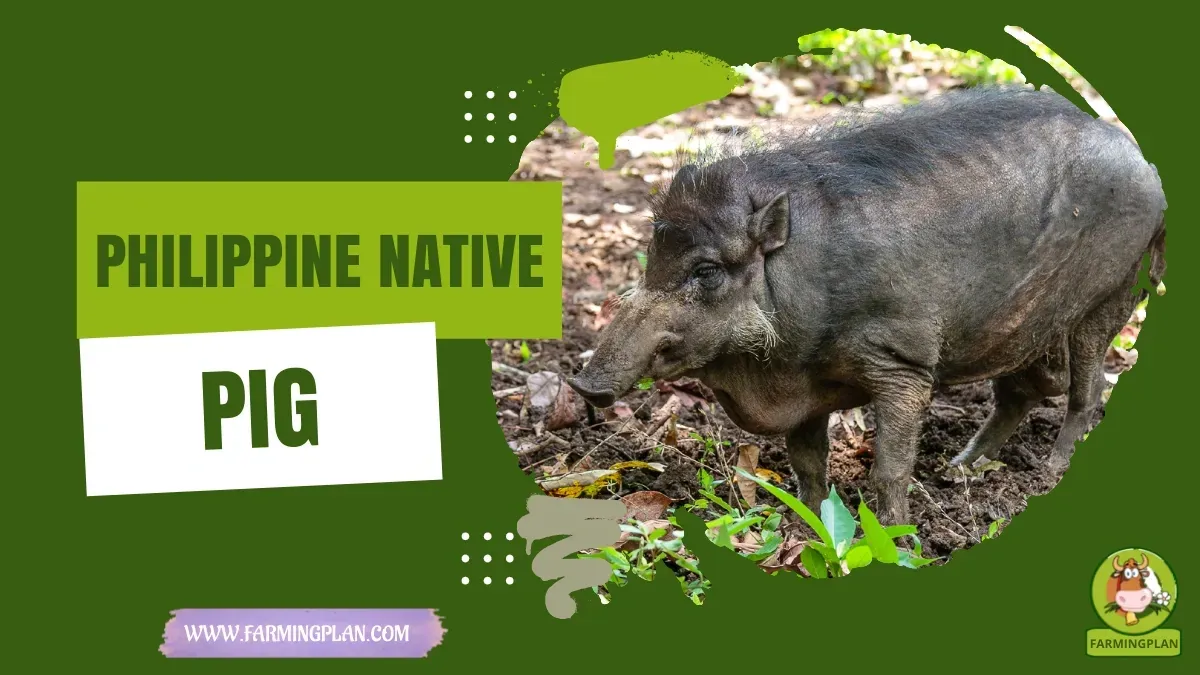
| Coat & Skin Pigmentation | Solid coal black; occasional white markings on feet or belly; coarse protective bristles |
| Head & Ear Conformation | Small prick ears standing erect; long, straight snout adapted for root foraging |
| Average Farrowing Litter Size | 6 to 8 piglets per kindle; exceptional piglet vigor and high unassisted survival |
| Functional Teat Matrix | 10 to 12 functional teats with reliable maternal milk production on forage diets |
| Low-Cost Feed Digestion | Converts kangkong (water spinach), taro leaves, banana trunks, and rice bran efficiently |
The Philippine Native pig represents the resilient heart of rural livestock farming throughout the Philippine archipelago. Shaped across centuries of natural selection in tropical island ecosystems, this indigenous black swine has sustained rural farming families through monsoonal typhoons, humid tropical heat, and fluctuating market conditions with unwavering reliability. Selecting healthy foundation stock is the cornerstone of successful philippine native pig management.
Unlike high-maintenance commercial white pigs that require expensive imported grains and temperature-controlled facilities, the Philippine Native pig thrives in simple backyard paddocks and free-range agroforestry setups. It readily consumes indigenous forages, chopped banana pseudo-stems, sweet potato vines, and rice milling byproducts, turning low-value agricultural waste into premium meat. Good predator-proofing and dry bedding safeguard philippine native pig comfort in harsh weather.
In the culinary sector, the Philippine Native pig commands unrivaled prestige. It is the gold standard for roasting whole Lechon—the iconic centerpiece of Philippine celebrations. When roasted over open hardwood charcoal embers, its thin skin renders into a glass-like crispy crackling while its marbled meat retains succulent tenderness. Modern smallholders practicing sustainable pig farming find native pig production highly lucrative and accessible.
Archipelagic Origins and Regional Native Strains
The lineage of the Philippine Native pig traces back thousands of years to the migration of Austronesian settlers who brought domesticated pigs from the Asian mainland, which subsequent centuries of interbreeding with indigenous Philippine wild boars (Sus philippensis) solidified into hardy localized landraces across Luzon, the Visayas, and Mindanao. Monitoring water quality and mineral balance directly benefits philippine native pig vitality.
Geographical isolation across 7,000 islands gave rise to distinct regional strains, including the Markaduke in Marinduque, the Benguet strain in the northern Cordillera mountains, and the Isabela and Bondoc strains in southern Luzon. Each localized ecotype evolved specific adaptations to regional microclimates and native forage species.
In modern times, the Philippine Department of Agriculture (DA) and the Bureau of Animal Industry (BAI) established specialized breeding research stations under the National Swine Breeding Program. These programs preserve pure genetic lines, distribute certified seedstock to smallholders, and promote the breed as a resilient climate-adaptation resource. Practical hands-on husbandry ensures consistent results when raising philippine native pig.
Breed Conformation, Anatomical Standards, and Physical Traits
The Philippine Native pig is a small to medium-sized, compact landrace swine. Mature boars weigh between 150 and 210 lbs (70 to 95 kg), while mature sows weigh between 130 and 180 lbs (60 to 82 kg). Its modest size is an advantageous biological adaptation that minimizes maintenance feed requirements in tropical island environments.
The coat is predominantly solid black, though some regional strains display white socks on the lower legs or a small white star on the forehead. The bristles are coarse and straight, providing a protective armor against biting tropical insects and thorny thickets. The skin is thick yet renders exceptionally well during roasting. Early intervention at the first sign of lethargy protects overall philippine native pig flock or herd health.
The head is lean and triangular with a straight, elongated snout designed for active root foraging. The ears are small, pointed, and held erect or semi-erect, providing sharp directional hearing. The backline exhibits a slight swayback curvature that transitions into a drooping rump and low-set tail.
Temperament, Survival Intelligence, and Pasture Foraging
Philippine Native swine display lively intelligence, keen environmental awareness, and a quiet, amenable temperament when raised with regular human interaction. Accustomed to village life, they adapt comfortably to daily handling, tethered grazing, or communal paddock management. Structured culling and biosecurity protocols strengthen philippine native pig genetic quality.
Sows possess outstanding maternal instincts. When farrowing, they seek out dry, secluded spots and construct protective nests out of grass, dried banana leaves, and brush. Sows protect their piglets fiercely against predators like stray dogs and monitor lizards, while remaining completely docile toward familiar human caretakers. Maintaining clean feeders and sanitized equipment supports sustainable philippine native pig care.
In pasture paddocks, native pigs spend hours foraging actively for roots, earthworms, fallen tropical fruit, and succulent greens. When supplied with adequate green forage, their rooting is gentle and surface-level, allowing pastures to regenerate naturally without severe ground destruction.
Nutritional Strategies: Forage Feeding, Indigenous Rations, and Byproducts
The hallmark biological advantage of the Philippine Native pig is its extraordinary ability to digest fibrous tropical forages that commercial pigs cannot process. The native pig’s gastrointestinal system ferments plant fiber efficiently, enabling low-cost feeding based on locally available farm crops. Consistent daily observation helps keepers spot early changes in philippine native pig health and behavior.
A traditional feeding program combines chopped and cooked banana trunks, water spinach (kangkong), sweet potato vines (kamote tops), and cooked taro tubers blended with fine rice bran (darak) and copra meal. This low-cost formulation achieves 12% to 13% crude protein, perfectly meeting the maintenance and growth needs of native hogs.
Overfeeding commercial grain concentrates should be strictly avoided. Concentrated grain diets cause native pigs to deposit heavy layers of backfat prematurely, compromising carcass quality for roasting. Providing fresh forage daily ensures lean meat accretion and healthy intestinal motility. Clean housing, fresh water, and balanced nutrition remain essential for philippine native pig productivity.
Housing Infrastructure, Bamboo Paddock Designs, and Shade Management
Housing for Philippine Native pigs is simple and economical to construct using sustainable local materials such as bamboo poles, nipa palm thatch, and reclaimed lumber. Elevated bamboo slat flooring allows manure and urine to drop through easily, keeping the sleeping area dry and clean.
Paddocks must offer abundant shade to protect animals from intense midday tropical sun. Integrating pig enclosures under coconut groves, fruit orchards, or agroforestry tree canopies provides natural cooling. Paddock layouts comparable to heritage operations seen in mulefoot pig setups offer valuable models for soil protection. Tracking feed intake and body condition supports long-term philippine native pig performance.
Outdoor exercise pens should offer 30 to 40 square feet (2.8 to 3.7 square meters) per animal, surrounded by sturdy bamboo palisades or heavy-duty wire fencing. Access to a clean wallow or shallow dip pool allows pigs to regulate body temperature during peak hot dry seasons. Producers planning a diversified homestead operation often cross-reference our Norwegian Landrace Pig breed and care guide.
Breeding Management, Litter Vigor, and Lechon Roasting Standards
Philippine Native pigs reach reproductive maturity at an early age, with gilts showing first estrus around 5 to 6 months. To ensure optimal maternal growth and litter size, breeding should be initiated on the second or third heat cycle at 7 to 8 months of age, when the gilt weighs approximately 90 to 110 lbs (41 to 50 kg). Following biosecurity best practices reduces disease risk in any philippine native pig operation.
Litter sizes range from 6 to 8 piglets per kindle. While litters are smaller than commercial breeds, native piglets are exceptionally vigorous at birth, requiring zero human intervention or artificial warming to survive. Sows deliver steady milk flow, weaning healthy piglets at 6 to 8 weeks. Seasonal adjustments to shelter and diet keep philippine native pig thriving year-round.
For the Lechon trade, pigs are typically harvested at 45 to 65 lbs (20 to 30 kg) liveweight, representing the ideal size for traditional open-pit charcoal roasting. The delicate meat texture, sweet fat flavor, and signature brittle crispy skin make Philippine Native Lechon command double the retail price of commercial pork. Coordinating pig production alongside livestock ventures such as dairy farming creates a diversified, profitable agricultural enterprise.
Estimated Annual Budget & Maintenance Costs (USD)
Because of their modest size, high roughage diet, and natural resistance to tropical diseases, annual production costs for Philippine Native pigs are remarkably low. The following table provides an estimated annual budget per mature breeding sow. Proper record-keeping makes breeding and culling decisions easier for philippine native pig keepers.
| Budget Category | Operational Input & Specification | Estimated Annual Cost (USD) |
|---|---|---|
| Supplemental Feed & Rice Bran | Fine rice bran (darak), copra meal, mineral salt | $190 – $280 |
| Green Forage & Root Crops | Banana trunks, sweet potato vines, taro, kangkong | $70 – $120 |
| Veterinary & Preventive Care | Deworming treatments, wound dressing, basic vaccines | $35 – $65 |
| Bamboo Shelter & Upkeep | Bamboo slats, nipa thatch roofing, timber maintenance | $45 – $80 |
| Paddock Fencing & Wallows | Bamboo fencing panels, wire reinforcement, wallow care | $40 – $75 |
| Handling Supplies & Tags | Identification tags, basic ropes, farm record books | $25 – $45 |
| Total Projected Cost | Estimated annual maintenance cost per mature breeding sow | $405 – $665 |
Integrating pastured pigs with grazing livestock like raising sheep or heritage poultry allows smallholders to recycle farm waste and maximize return on every acre.
🐖 Philippine Native Pig Swine Daily Feed Calculator
Calculate daily grower/finisher rations (lbs), monthly 50-lb feed bags, pen space, and water needs for your Philippine Native Pig pigs.
Frequently Asked Questions (FAQ)
Why is the Philippine Native pig the preferred breed for whole Lechon roasting?
The Philippine Native pig has thin, collagen-rich skin that crisps into a delicate, glass-like crackling during roasting, while its naturally marbled meat stays exceptionally moist and savory without needing heavy marinades.
What is the average harvest weight for a Lechon roasting pig?
For premier Lechon roasting, Philippine Native pigs are typically harvested between 45 and 65 lbs (20 to 30 kg) liveweight, which fits standard roasting spits and yields the most tender meat.
What is the average mature weight of a Philippine Native breeding pig?
Mature Philippine Native boars weigh between 150 and 210 lbs (70 to 95 kg), while mature breeding sows weigh between 130 and 180 lbs (60 to 82 kg), representing an easily managed, small-frame swine breed.
Can Philippine Native pigs be raised without commercial grain feeds?
Yes, native pigs thrive on cooked banana trunks, water spinach, sweet potato leaves, taro, rice bran, and copra meal. Their efficient fiber-digesting gut handles farm byproducts without requiring costly commercial feeds.
How many piglets do Philippine Native sows deliver per litter?
Philippine Native sows typically farrow 6 to 8 healthy piglets per kindle. While litter sizes are moderate, piglet survival rates are exceptionally high due to the sow’s attentive mothering and hearty milk flow.
Best Practices for Smallholder Native Pig Production
Succeeding with Philippine Native pigs requires maintaining genetic purity and resisting crossbreeding with heavy commercial stock. Preserving pure native genetics ensures offspring retain the exact body size, skin thickness, and meat marbling prized by gourmet Lechon buyers. Providing adequate space and ventilation prevents common stress issues in philippine native pig.
Sanitary feeding troughs, clean gravity waterers, and routine biosecurity measures modeled on standards used in poultry equipment and swine facilities protect herds from endemic diseases like African Swine Fever (ASF) and hog cholera.
Establishing direct relationships with local Lechonero roasters, restaurant chefs, and community fiesta planners guarantees steady demand and premium farmgate prices. By honoring traditional low-input methods, smallholders build an enduring, highly profitable livestock enterprise. Understanding breed-specific traits helps maximize philippine native pig longevity and output.
Agricultural cooperatives in the Philippines increasingly support native swine farmers through organized breeding hubs and collective marketing channels. By pooling resources for feed byproduct processing and standardized vaccination schedules, smallholders improve herd health and expand commercial market access.
Evaluating sow maternal performance over successive farrowings allows producers to identify superior dam lines with high heat tolerance and steady milk production. Selecting replacement gilts from large, vigorous litters accelerates genetic improvement across village herds. Routine preventive care saves time and lowers veterinary costs for philippine native pig.
In addition, native swine operations that integrate rotational grazing beneath mature coconut stands establish a productive agroforestry model that enriches soil fertility while producing premium roasting pigs for celebration markets.
📚Agricultural Reference & Scientific Citations
Standards and physiological data referenced in this guide comply with USDA APHIS Swine Health, FAO Domestic Animal Diversity Information System, and the American Veterinary Medical Association (AVMA).


