

⚡ Lykoi Cat at a Glance: Key Specifications & Benchmarks
| Scientific Classification | Felis catus (Naturally Occurring Domestic Mutation) |
| Mature Body Weight | Males: 8 to 12 lbs (3.6 to 5.4 kg); Females: 6 to 9 lbs (2.7 to 4.1 kg) |
| Signature Visual Trait | Hairless facial mask (roan coat pattern) giving a “werewolf” look |
| Coat Genetics | Recessive mutation causing structural hair follicle deficiency |
| Average Lifespan | 12 to 15+ years under dedicated indoor companion care |
| Temperament & Drive | High prey drive, energetic, hound-like scent tracking, exceptionally loyal |
| Skin Maintenance | Moderate oil production; requires regular skin wiping and ear care |
| Hypoallergenic Status | Not hypoallergenic; produces standard feline Fel d 1 proteins |
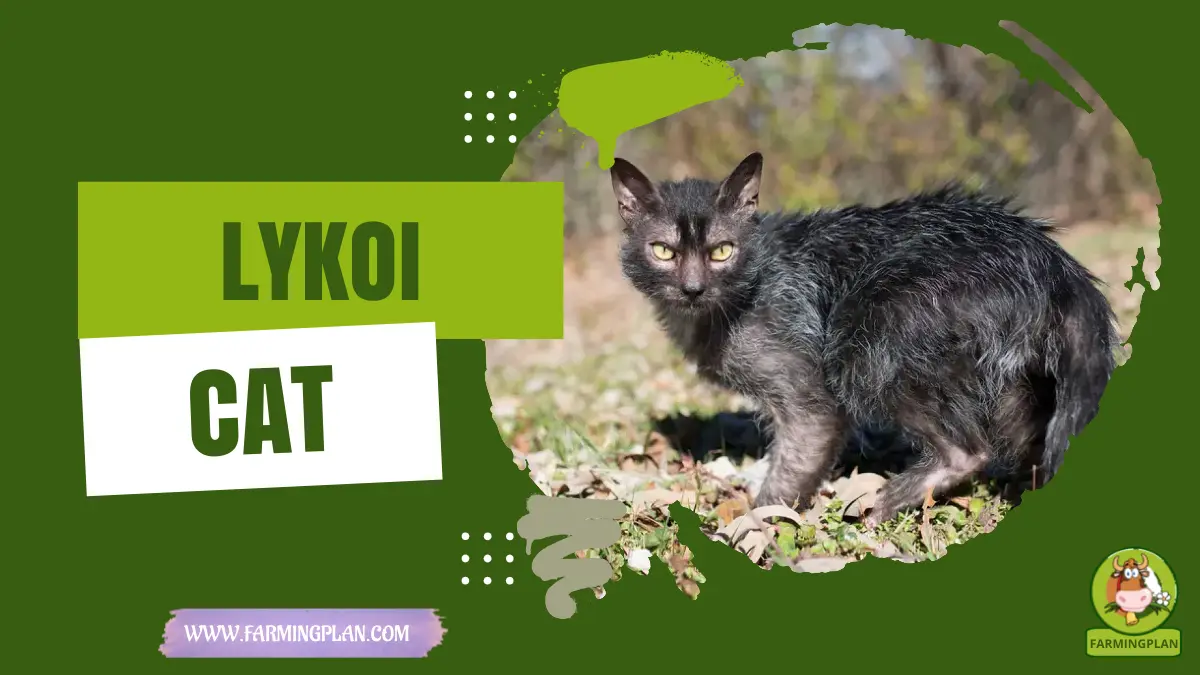
The Lykoi cat—frequently hailed as the “werewolf cat”—is one of the most astonishing natural feline mutations documented in domestic animal history. Derived from the Greek word for wolf (*lykos*), this extraordinary cat possesses a sparse roan coat, hairless facial mask, and an inquisitive, amber-eyed gaze that captivates observers across the globe. Matching forage or ration quality to life stage optimizes Lykoi Cat growth.
Unlike artificially engineered designer breeds or ancient landraces cataloged in our cats and feline management portal, the Lykoi developed completely naturally in feral domestic cat populations in the American South. Geneticists verified that their partial hairlessness stems from a benign follicular abnormality that prevents hair follicles from producing a protective undercoat. Gradual dietary transitions protect digestive stability in Lykoi Cat.
Despite their wild, untamed appearance, Lykoi cats are celebrated for their affectionate, dog-like personalities. They bond deeply with human guardians, retrieve thrown toys with athletic precision, and investigate their environment with boundless curiosity. This husbandry manual delivers essential protocols for skin health, nutritional requirements, seasonal molting patterns, and indoor management. Selecting healthy foundation stock is the cornerstone of successful Lykoi Cat management.
Physical Characteristics & Breed Standards
The International Cat Association (TICA) and the Cat Fanciers’ Association (CFA) maintain precise morphological standards for the Lykoi. The standard emphasizes medium size, foreign-style body structure, hairless facial features, and the distinct roan coat coloration.
Facial Mask & Follicular Architecture
The head is modified wedge-shaped with rounded contours, slightly longer than wide, with a gentle dip at the bridge of the nose. The eyes are large, oval, and rimmed in dark skin, creating a wide-eyed, intelligent stare. The ears are large, tall, and hairless along the outer shell, set high on the skull. Good predator-proofing and dry bedding safeguard Lykoi Cat comfort in harsh weather.
The hallmark of the breed is the hairless facial mask: the muzzle, chin, nose leather, and skin surrounding the eyes are completely hairless, exposing smooth, dark leather skin. The body is semi-foreign, lithe, and muscular without being heavy. The legs are medium in length with hairless toes and pads, and the tail is shorter than the body and tapers to a slender hairless tip. Monitoring water quality and mineral balance directly benefits Lykoi Cat vitality.
The Roan Pattern & Coat Variations
The Lykoi coat is the only recognized roan pattern in domestic felines. Black roan is the premier exhibition standard, consisting of an even 50/50 mix of solid black pigmented guard hairs and pure unpigmented white guard hairs. The undercoat is entirely absent. The coat texture feels coarse and wiry to the eye, yet surprisingly soft to the touch.
⚡ Lykoi Cat Performance & Production Matrix
| Morphological Parameter | TICA Standard Benchmark | Exhibition Target | Management Challenge |
|---|---|---|---|
| Facial Mask Definition | Complete hairlessness on muzzle & eyes | Smooth, dark leather mask | Sunburn sensitivity on bare skin |
| Roan Coat Distribution | 30% to 70% white guard hairs | Even 50/50 black roan mix | Full coat loss during seasonal molts |
| Skin Follicle Health | Normal sebaceous gland function | Supple skin without blackheads | Sebum buildup in nail beds and ears |
| Play Drive & Scenting | Hound-like tracking behaviors | Highly active toy retrieval | High stimulation needs to avoid mischief |
| Thermal Regulation | Metabolism adjusted to sparse coat | Lean athletic body condition | Vulnerable to chilling in cold drafty rooms |
Breed History, Heritage & North American Development
The Lykoi story began in 2010 in Virginia, when Patti Thomas discovered two unique kittens in a feral domestic shorthair litter. Recognizing that these unusual kittens did not resemble standard Sphynx or Devon Rex mutations, she transferred them to veterinarian Dr. Johnny Gobble and his wife Brittney in Vonore, Tennessee. Practical hands-on husbandry ensures consistent results when raising Lykoi Cat.
A second, unrelated pair of identical kittens was discovered shortly thereafter in Tennessee. Dr. Gobble initiated comprehensive scientific evaluations with veterinary dermatologists at the University of Tennessee. Skin biopsies confirmed that the cats possessed structural abnormalities in their hair follicles, preventing hair production without causing dermatological disease. Early intervention at the first sign of lethargy protects overall Lykoi Cat flock or herd health.
Geneticists at UC Davis conducted complete DNA sequencing, verifying that the Lykoi mutation was a unique, recessive gene distinct from the Canadian Sphynx (hr) and Devon Rex (re) alleles. Heart and kidney ultrasounds confirmed that the foundation cats were completely free of genetic cardiomyopathy or renal failure.
TICA officially granted Championship Status to the Lykoi in May 2017. To maintain a broad and healthy gene pool, certified breeders continue an active outcrossing program with black domestic shorthairs, ensuring exceptional genetic diversity and robust immune health across modern bloodlines. Structured culling and biosecurity protocols strengthen Lykoi Cat genetic quality.
Housing, Shelter Dimensions & Winter Hardiness
Lykoi cats must be kept exclusively indoors. Because their coats lack a protective undercoat and feature bare facial skin, exposure to outdoor elements invites solar dermatitis, hypothermia, and insect bites. Maintaining clean feeders and sanitized equipment supports sustainable Lykoi Cat care.
Indoor Climate Standards & Molting Management
Maintain indoor ambient temperatures between 68°F and 74°F (20°C to 23°C). During winter months, place self-warming thermal pads or low-voltage heated pet beds in favorite sleeping spots. If room temperatures drop below 65°F, provide lightweight cotton pet shirts to prevent chilling. Consistent daily observation helps keepers spot early changes in Lykoi Cat health and behavior.
Owners must be prepared for the breed’s dramatic seasonal molting cycle. Once or twice a year, many Lykoi cats shed virtually all their hair, becoming almost completely bald for several weeks before growing back a fresh, dense roan coat. This cyclic hair loss is genetically normal and does not indicate mange or illness.
Lykois possess energetic, hound-like investigative instincts. Equip your home with interactive climbing towers, cardboard scratching blocks, and puzzle feeders. They enjoy trailing their human companions around the house, acting as supervisory shadows during daily chores. Clean housing, fresh water, and balanced nutrition remain essential for Lykoi Cat productivity.
Nutritional Requirements, Daily Rations & Feeding Protocols
Because their sparse coat provides minimal thermal insulation, Lykoi cats burn more caloric energy to maintain their normal 101.5°F body temperature. Providing a nutrient-dense, high-protein diet supports muscular activity and healthy hair follicle regeneration. Tracking feed intake and body condition supports long-term Lykoi Cat performance.
Protein Formulations & Follicle Nutrition
Feed a meat-forward feline diet delivering at least 40% to 45% crude protein and 18% to 22% crude fat on a dry matter basis. High-grade poultry (chicken, turkey), rabbit, and egg proteins supply essential sulfur amino acids (methionine and cysteine) that form the structural keratin of the coat.
Incorporate wild marine fish oils (salmon or krill oil) to supply bioavailable Omega-3 fatty acids (EPA/DHA). These essential lipids moisturize the skin and support healthy hair shaft growth during post-molt regrowth cycles. Detailed companion animal feeding guidelines can be reviewed in our farm pets and companion nutrition index. Following biosecurity best practices reduces disease risk in any Lykoi Cat operation.
Provide multiple fresh water sources, including circulating fountain bowls, to maintain high hydration levels. Clean food and water bowls daily with hot soapy water to eliminate bacterial biofilm that can irritate bare chin skin. Seasonal adjustments to shelter and diet keep Lykoi Cat thriving year-round.
Health Management, Common Diseases & Biosecurity Standards
Rigorous clinical testing by veterinary universities has confirmed that the Lykoi mutation is purely cosmetic and does not affect internal organ systems. However, their unique skin and hair biology requires specific grooming care.
Sebum Care, Sun Protection & Veterinary Standards
Unlike hairless Sphynx cats that require weekly baths, Lykoi cats generally maintain clean skin through self-grooming. However, during periods of heavy molting when hair coverage is minimal, natural sebum can accumulate along the nail beds and behind the ears. Clean these areas biweekly with gentle, alcohol-free grooming wipes. Proper record-keeping makes breeding and culling decisions easier for Lykoi Cat keepers.
Protect bare facial skin from sunburn. If your Lykoi enjoys resting in sunny windows, apply ultraviolet film to window glass to prevent solar burns. Follow companion animal health and biosecurity protocols published by the USDA APHIS National Veterinary Services. Providing adequate space and ventilation prevents common stress issues in Lykoi Cat.
Maintain routine core vaccinations (FVRCP and Rabies) and schedule annual dental evaluations. Lykois should have their teeth scaled and polished regularly to prevent gingivitis and periodontal bacterial colonization. Understanding breed-specific traits helps maximize Lykoi Cat longevity and output.
Breeding Management, Incubation & Offspring Care
The Lykoi coat is inherited as a simple autosomal recessive trait. Responsible breeding requires an understanding of mendelian genetics and disciplined pedigree management to expand genetic diversity.
Recessive Genetics & Nursery Care
When a visual Lykoi is bred to a registered black domestic shorthair outcross, all first-generation (F1) kittens are solid black shorthairs that carry the Lykoi gene recessively. Breeding an F1 carrier back to a visual Lykoi produces 50% visual Lykoi kittens and 50% black carrier kittens, ensuring continuous fresh bloodlines. Routine preventive care saves time and lowers veterinary costs for Lykoi Cat.
Gestation lasts 63 to 67 days. Queens deliver litters of 3 to 6 kittens. Newborn Lykoi kittens are born with full coats of solid black hair. Their characteristic hairless mask and roan guard hairs begin developing at approximately 2 to 4 weeks of age. Compare kitten growth rates with the diminutive Singapura Cat care guide. Matching forage or ration quality to life stage optimizes Lykoi Cat growth.
Wean kittens gradually starting at 4 to 5 weeks onto soft, high-protein kitten pate. Keep the nursery room warm (75°F to 80°F) to prevent chilling during their initial facial hair loss phase.
US Ownership Budget & Annual Maintenance Costs
Because the Lykoi is a relatively new and rare breed with an intensive outcross breeding program, adoption fees are higher than common domestic breeds. Pet-quality companion kittens typically range from $1,500 to $2,800, while breeding and show prospects cost $3,000 to $4,500. Gradual dietary transitions protect digestive stability in Lykoi Cat.
⚡ Estimated Annual Budget & Maintenance Costs (USD)
| Expense Category | Estimated Annual Cost Range (USD) | Operational Cost Efficiency Strategy |
|---|---|---|
| Lykoi Companion Kitten | $1,500.00 – $3,000.00 initial asset | Adopt exclusively from TICA-certified breeders performing health screening |
| High-Protein Premium Meat Diet | $450.00 – $750.00 per cat | Purchase grain-free canned and dry food in bulk monthly auto-shipments |
| Thermal Heating Pads & Trees | $120.00 – $250.00 initial setup | Select washable thermal bedding and durable carpeted climbing structures |
| Grooming Wipes & Ear Cleaners | $60.00 – $120.00 annual supply | Use bulk natural alcohol-free wipes for regular facial skin hygiene |
| Veterinary Exams & Vaccines | $250.00 – $500.00 annual wellness | Enroll in preventative clinic wellness packages to bundle routine care |
🐈 Lykoi Cat Daily Nutrition & Care Calculator
Calculate daily metabolizable calories (kcal), dry/wet food portions, clean water intake (fl oz), litter box minimums, and monthly care cost for your Lykoi Cat.
Frequently Asked Questions (FAQ)
Why is the Lykoi called the werewolf cat?
The Lykoi is nicknamed the werewolf cat because of its hairless facial mask, dark leathery skin around the muzzle and eyes, and coarse roan coat that resembles the mythical appearance of a miniature werewolf.
Is the Lykoi cat a man-made hybrid?
No, the Lykoi is a naturally occurring mutation found in feral domestic cat populations. Geneticists proved it is a natural follicular variation completely unrelated to wild cat species or artificial laboratory gene editing.
Do Lykoi cats shed all their hair?
Yes, Lykoi cats experience cyclic seasonal molting where they may lose most or all of their coat once or twice a year. After several weeks of partial hairlessness, a fresh roan coat regrows naturally.
Are Lykoi cats hypoallergenic?
No, Lykoi cats are not hypoallergenic. They produce normal levels of the feline allergen protein Fel d 1 in their saliva, dander, and sebaceous skin glands, which will trigger allergic reactions in sensitive individuals.
What is the temperament of a Lykoi cat?
Lykoi cats are playful, highly affectionate, and exhibit dog-like loyalty. They enjoy fetching toys, tracking scents around the home, and cuddling under blankets with family members after vigorous play.
Expert Verdict & Next Steps
The Lykoi cat is a mesmerizing celebration of nature’s endless genetic variety. Behind its mysterious werewolf mask lies a heart of pure domestic affection, offering pet lovers an intelligent, athletic, and deeply bonded companion that enchants everyone who meets it. Selecting healthy foundation stock is the cornerstone of successful Lykoi Cat management.
With sound high-protein nutrition, comfortable indoor temperatures, and consistent companionship, your Lykoi will thrive for over a decade. To compare other exotic domestic companion breeds that capture wild feline beauty, explore our in-depth profile on the Toyger Cat care guide.
📚Agricultural Reference & Scientific Citations
Standards and physiological data referenced in this guide comply with USDA Animal and Plant Health Inspection Service (APHIS), American Veterinary Medical Association (AVMA), and the FAO Domestic Animal Diversity Information System.


