

⚡ Hezuo Pig at a Glance: Key Specifications & Benchmarks
| Scientific Classification | Sus scrofa domesticus (Tibetan Highland Plateau Landrace) |
| Geographical Origin | Gannan Tibetan Autonomous Prefecture, Gansu Province, China |
| Native Elevation Zone | 8,500 to 10,500 feet (2,600 to 3,200 meters) above sea level |
| Mature Boar Weight | 90 to 125 lbs (40 to 57 kg) |
| Mature Sow Weight | 80 to 115 lbs (36 to 52 kg) |
| Primary Production Purpose | Premium organic highland pork, cured charcuterie, and scavenger grazing |
| Hypoxia & Cold Tolerance | Superior physiological adaptation to low atmospheric oxygen and sub-zero frost |
| Dietary Adaptability | Exclusively pastured on alpine grasses, wild roots, tubers, and barley byproducts |
The Hezuo pig, native to the rugged alpine plateaus of the Gannan Tibetan Autonomous Prefecture in southwestern Gansu Province, China, represents one of the most genetically distinctive and biologically resilient swine landraces on earth. Thriving at elevations ranging from 8,500 to over 10,000 feet above sea level, this ancient highland miniature pig has evolved under extreme hypoxia, high ultraviolet radiation, and bitter sub-zero temperatures. Homesteaders and livestock managers interested in pastured swine genetics can explore our complete directory of heritage pig farming guides and pastured hog profiles. Selecting healthy foundation stock is the cornerstone of successful Hezuo Pig management.
Unlike commercial factory swine that suffer catastrophic cardiovascular collapse and respiratory failure under high-altitude hypoxia, the Hezuo pig possesses unique vascular adaptations, including enlarged pulmonary arterial capacity, high hemoglobin affinity, and a dense microvascular network. In addition, its biological profile is characterized by an athletic, compact razorback frame, thick black bristles underlaid by dense thermal down, and an astonishing ability to maintain condition solely by grazing alpine grasslands and rooting for mountain tubers.
Raising Hezuo pigs or incorporating their hardy physiological traits into pastured pork systems offers cold-climate homesteaders a low-maintenance, forage-driven alternative to industrial pork. Their slow-grown, dark red meat exhibits rich intramuscular marbling and high unsaturated fatty acid profiles. This comprehensive technical guide details the Hezuo pig’s anatomical conformation, highland nutrition, shelter blueprints, disease prevention, and smallholder management strategies.
Physical Characteristics & Breed Standards
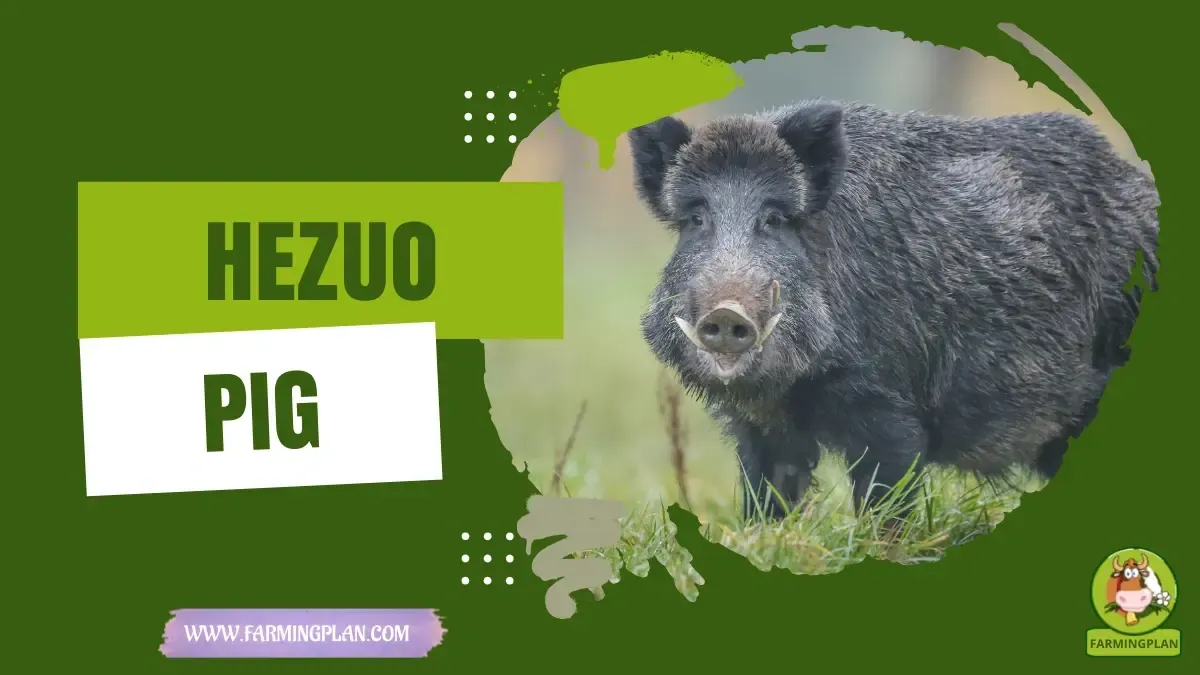
Conformationally, the Hezuo pig displays an athletic, compact, and primitive razorback morphology adapted to traversing rocky mountain ridges. The body is relatively narrow and laterally compressed, with a straight or slightly arched topline that slopes gracefully toward a drooping, narrow rump. The chest is deep and well-sprung to house voluminous lungs and an enlarged heart, providing the cardiovascular capacity required for rigorous high-altitude mobility.
The coat of the Hezuo pig is exceptionally dense and coarse, providing a dual-layer defense against freezing highland blizzards. Long, stiff black or dark brownish-black bristles cover the exterior body, forming an upright dorsal crest along the neck and spine. Beneath these protective guard hairs lies a fine, curly woolly undercoat that thickens dramatically before the onset of winter and sheds in spring.
Conformation Standards & Anatomical Structure
The head is straight, elongated, and cone-shaped, featuring an unwrinkled forehead and a tough, narrow cylindrical snout engineered for penetrating stony alpine turf. The ears are small, triangular, and carried stiffly erect or semi-erect, preventing frostbite during severe sub-zero winter temperatures. The eyes are dark, bright, and alert, framed by taut facial skin that avoids the loose, puffy wrinkles seen in low-altitude Chinese lard breeds. Good predator-proofing and dry bedding safeguard Hezuo Pig comfort in harsh weather.
The limbs are slender, straight, and densely ossified, terminating in small, extraordinarily hard cloven hooves that show remarkable wear resistance over jagged limestone scree. Sows possess neat, firm underlines with 10 to 12 small, functional teats, perfectly configured for nursing energetic litters on rugged pastures.
Size, Weight Benchmarks & Color Variations
Mature Hezuo boars typically scale between 90 and 125 pounds (40 to 57 kg), while adult breeding sows weigh between 80 and 115 pounds (36 to 52 kg). Shoulder height averages 18 to 22 inches (45 to 55 cm).
This miniature stature is an evolutionary adaptation that conserves energy during prolonged winter feed scarcity, allowing the Hezuo pig to survive on minimal forage where larger swine would starve.
⚡ Hezuo Pig Performance & Production Matrix
| Trait / Parameter | Hezuo Pig Highland Standard | Standard Commercial Swine | Pastured Smallholder Benefit |
|---|---|---|---|
| High-Altitude Hypoxia Tolerance | Exceptional; thrives above 9,000 ft elevation | Severe risk of pulmonary hypertension & death | Permits successful swine farming in mountainous zones. |
| Cold & Gale Resistance | Withstands -25°F (-31°C) with simple windbreaks | Requires heated artificial climate confinement | Slashes winter infrastructure and heating utility bills. |
| Alpine Grazing & Foraging | Consumes 80%+ diet from pasture grass & roots | Obligate consumer of processed grain concentrates | Eliminates high-cost dependence on commercial feed stores. |
| Pork Quality & Marbling | Dark ruby red, intense intramuscular marbling | Pale, watery, lean industrial white meat | Commands 2x to 3x price premiums among artisanal chefs. |
| Litter Size & Farrowing Ease | Averages 5 to 7 vigorous kits, zero dystocia | Averages 12 to 16 piglets, requires farrowing crates | 100% natural unassisted outdoor farrowing success. |
| Locomotive Soundness & Hooves | Flint-hard hooves, zero lameness on rock | Prone to cracked hooves and joint arthritis | Thrives on rocky, marginal, and sloped terrain. |
Breed History, Heritage & North American Development
The Hezuo pig is an indigenous branch of the ancient Tibetan pig lineage, having lived alongside nomadic Tibetan pastoralists on the eastern edge of the Qinghai-Tibet plateau for thousands of years. Reared under semi-wild scavenging conditions, herds were driven out to high-mountain pastures alongside yaks and Tibetan sheep every morning, returning to village stone corrals at night.
Generations of ruthless environmental selection eliminated any pigs incapable of withstanding sudden blizzards, predator attacks from snow leopards and wolves, or seasonal starvation. Scientific research coordinated by the Food and Agriculture Organization (FAO) identifies the Hezuo pig as a critical genetic reservoir for hypoxia-inducible gene expression. Compare this alpine scavenger with European heritage swine in our guide to the Continental Giant White rabbit. Monitoring water quality and mineral balance directly benefits Hezuo Pig vitality.
Housing, Shelter Dimensions & Winter Hardiness
Housing requirements for Hezuo pigs focus on wind defense, predator deterrence, and deep bedding rather than artificial heating. Because these pigs evolved in sub-zero alpine climates, enclosed, humid barns are detrimental to their health, predisposing them to respiratory stress.
The ideal setup is a sturdy three-sided timber or stone field shelter oriented with its back to prevailing winter winds. Roofing can be corrugated galvanized metal or cedar shakes, with deep roof eaves preventing rain and snow from blowing into the bedded sleeping pack.
Spatial Density & Enclosure Engineering
In pasture systems, herds should be rotated across mountain paddocks using high-tensile woven wire fencing (36 to 48 inches high) reinforced with a low electric offset wire to prevent rooting beneath fences. Field shelters should provide at least 12 to 16 square feet of bedded pack per adult pig.
Deep bedded packs utilizing clean barley straw, wood shavings, and dry pine needles create natural bottom heat through microbial decomposition. For complementary alpine livestock husbandry practices, review our guide on Bovec sheep alpine dairy and meat production.
Nutritional Requirements, Daily Rations & Feeding Protocols
The digestive system of the Hezuo pig is uniquely adapted to fibrous alpine forage, possessing an enlarged cecum and colon that host specialized cellulose-digesting bacteria. Unlike industrial pigs that require fine-ground commercial meal, the Hezuo grazes clovers, alpine fescues, wild dandelion, and highland legumes enthusiastically. Practical hands-on husbandry ensures consistent results when raising Hezuo Pig.
According to research published by Texas A&M AgriLife Extension, pastured pigs with continuous access to rich multi-species forage can fulfill a substantial portion of their maintenance energy while producing pork loaded with conjugated linoleic acids. Review forage management in our profile on Chappar goat rustic feeding.
Crude Protein Benchmarks Across Life Stages
During winter months or lactation, supplement pasture forage with a simple whole-grain ration: cracked highland barley, field peas, sunflower seeds, and loose mineral salt (1.0 to 1.5 lbs daily per head). Avoid high-calorie corn rations, which cause primitive swine to lay down excessive lard.
Provide constant access to clean water. In freezing winter environments, heavily insulated rubber troughs with submersible de-icers ensure hydration without freezing risk.
Health Management, Common Diseases & Biosecurity Standards
The Hezuo pig possesses extraordinary constitutional vitality and natural resistance to common swine illnesses, including swine influenza and atrophic rhinitis. Their thick skin, dense bristles, and high natural antibody titers protect them in challenging outdoor environments.
Management focuses primarily on internal parasite control. Because pigs root extensively in pasture soil, rotational paddock management that rests pastures for 60 to 90 days effectively interrupts roundworm (Ascaris suum) cycles without relying heavily on synthetic anthelmintics. Early intervention at the first sign of lethargy protects overall Hezuo Pig flock or herd health.
Biosecurity Protocols & Veterinary Defenses
External parasites, including hog lice and mange mites, can be controlled using botanical cedar oil washes or veterinary avermectin treatments in early winter. Mud wallows in summer provide natural parasite suffocating action and sunscreen.
Standard vaccinations for swine erysipelas, leptospirosis, and parvovirus should be administered annually to breeding sows and boars. Regularly inspect hooves, which naturally wear down over rocky pastures.
Breeding Management, Reproductive Cycles & Offspring Care
Breeding Hezuo pigs is simple and reliable due to the breed’s uncorrupted wild-type instincts. Boars possess high libido and can service sows year-round, while sows cycle every 21 days with unmistakable vocalization and standing estrus.
Gestation lasts 114 days. Sows possess intense nesting instincts, building elaborate outdoor nests from pine boughs, dry grass, and brush if permitted. Farrowing is effortless and unassisted, resulting in 5 to 7 hardy, alert piglets that begin suckling within minutes of birth.
Piglets wean smoothly at 8 to 10 weeks of age, transitioning naturally to pasture greens and cracked barley. For herd defense against wildlife on expansive mountain holdings, examine our comprehensive profile on the Spanish Mastiff working dog. Structured culling and biosecurity protocols strengthen Hezuo Pig genetic quality.
US Ownership Budget & Annual Maintenance Costs
Establishing a Hezuo pig breeding unit offers exceptionally low recurring costs compared to commercial swine. Because these mini plateau hogs thrive on pasture roughage and simple shelters, operational feed expenses remain minimal.
The budget breakdown below outlines initial capital setup costs and ongoing annual maintenance expenses for a breeding trio (1 boar and 2 sows) on a pastured homestead.
💰 Estimated Annual Budget & Maintenance Costs (USD)
| Budget Category | Item Description & Scope | Initial Capital Outlay | Annual Recurring Expense |
|---|---|---|---|
| Highland Heritage Swine Trio (1B + 2S) | Acquisition of cold-hardy mini swine stock | $400 – $700 | $0 |
| Woven Wire Pasture Fencing & Electric | Woven wire panels, solar energizer & t-posts | $500 – $900 | $40 / yr |
| Three-Sided Timber Field Run-In | Heavy rustic wood shelter with metal roof | $350 – $600 | $25 / yr |
| Winter Whole Grain & Mineral Salt | Cracked barley, field peas & mineral salt | $0 | $350 – $550 / yr |
| Freeze-Resistant Waterer & Troughs | Heavy-duty rubber trough with de-icer element | $100 – $180 | $20 / yr |
| Bedding Straw & Farrowing Packs | Clean barley straw and natural wood shavings | $50 – $80 | $30 / yr |
| Artisanal Marbled Pork Revenue | Cured prosciutto, artisanal chops & roasts | $0 | +$1,500 – $2,400 / yr |
🐖 Hezuo Pig Swine Daily Feed Calculator
Calculate daily grower/finisher rations (lbs), monthly 50-lb feed bags, pen space, and water needs for your Hezuo Pig pigs.
Frequently Asked Questions (FAQ)
Where does the Hezuo pig originate?
The Hezuo pig originates in the high-altitude Gannan Tibetan Autonomous Prefecture in Gansu Province, China. It evolved on the eastern plateau edge at elevations between 8,500 and 10,500 feet above sea level.
How does the Hezuo pig survive high altitudes and extreme cold?
The Hezuo pig possesses unique physiological adaptations, including high hemoglobin oxygen affinity, enlarged heart and lung capacities, dense coarse bristles underlaid by woolly underfur, and a compact body frame that minimizes metabolic heat loss.
How much does a mature Hezuo pig weigh?
The Hezuo is a miniature swine breed; mature boars weigh 90 to 125 pounds (40 to 57 kg) and mature sows weigh 80 to 115 pounds (36 to 52 kg), standing about 18 to 22 inches tall.
What does a Hezuo pig eat on a smallholding?
The breed thrives on high-fiber roughage, grazing alpine pastures, clover, and dandelions while rooting for tubers. In winter, their diet is supplemented with modest portions of cracked barley, field peas, and hay.
What is the culinary quality of Hezuo pork?
Hezuo pork is renowned for its deep ruby-red color, rich intramuscular marbling, high levels of healthy unsaturated fatty acids, and sweet, complex flavor, making it highly prized for traditional curing and charcuterie.
Expert Verdict & Next Steps for US Homesteaders
The Hezuo pig represents a biological masterpiece of high-altitude adaptation, foraging thrift, and artisanal meat quality. For homesteaders living in mountainous, cold, or high-elevation regions where commercial hogs falter, the Hezuo model offers an inspiring path to sustainable, low-input pork production.
Producers seeking similar hardiness should establish secure rotational pastures, provide deep-bedded draft-free shelters, and integrate heritage breeds capable of converting roughage into nutrient-dense food. With minimal inputs, these resilient swine thrive on marginal land.
📚Agricultural Reference & Scientific Citations
Standards and physiological data referenced in this guide comply with USDA APHIS Swine Health, FAO Domestic Animal Diversity Information System, and the American Veterinary Medical Association (AVMA).


