

⚡ Chamois Coloured Goat at a Glance: Key Specifications & Benchmarks
| Scientific Classification | Capra hircus (Alpine dairy caprine) |
| Breed Origin & Native Name | Switzerland; known in German as Gemsfarbige Gebirgsziege |
| Mature Buck Body Weight | 165 to 210 lbs (75 to 95 kg); robust mountain conformation |
| Mature Doe Body Weight | 120 to 155 lbs (55 to 70 kg); clean dairy wedge frame |
| Average Annual Milk Production | 1,750 to 2,450 lbs (795 to 1,110 kg) per 280 to 300-day lactation |
| Milk Butterfat & Protein Content | 3.6% to 4.2% butterfat; 3.1% to 3.5% crude milk protein |
| Coat Color & Markings | Rich chestnut brown to bay chamois with black spinal stripe and belly |
| Primary Farm Function | Artisanal cheese making, commercial fluid dairy, high-altitude browsing |
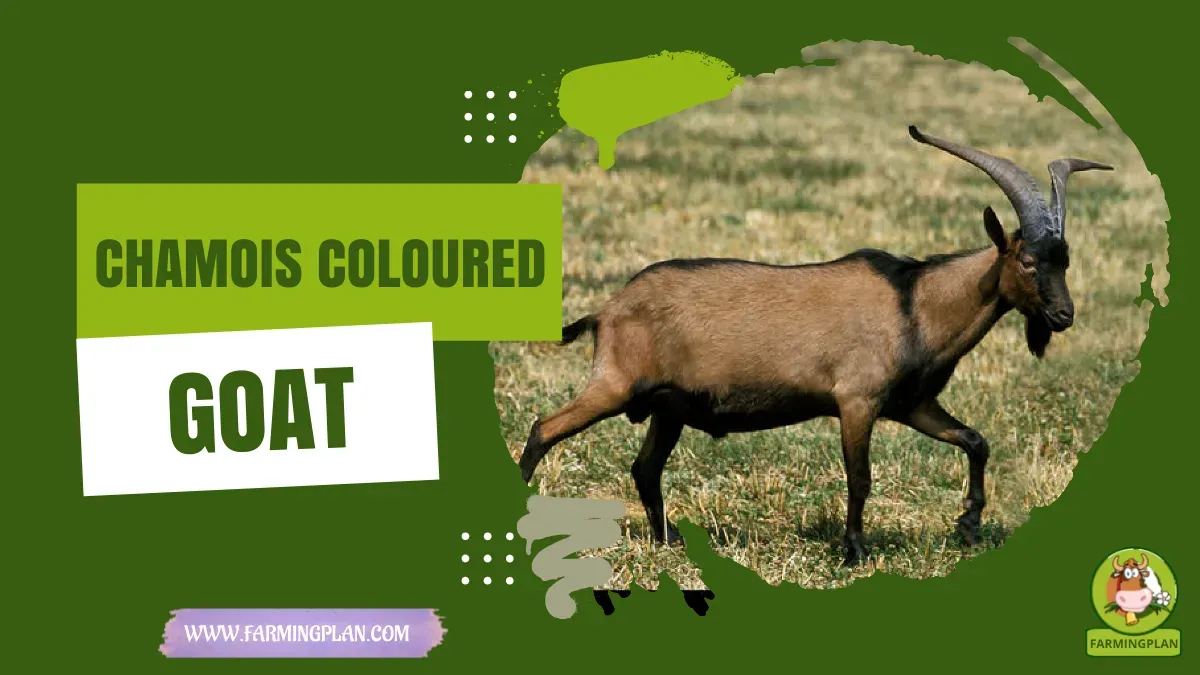
The Chamois Coloured Goat, known natively throughout Switzerland and Austria as the Gemsfarbige Gebirgsziege, is one of the world’s premier mountain dairy caprines. Developed across the rugged Swiss Alps, this handsome dairy goat is named for its visual resemblance to the wild European alpine chamois (Rupicapra rupicapra), sporting a rich chestnut-brown coat with sharp black facial stripes, a dorsal line, and dark stockings. Routine preventive care saves time and lowers veterinary costs for Chamois Coloured Goat.
Unlike lowland dairy breeds that require pampered flat paddocks and high grain inputs, the Chamois Coloured Goat was bred to navigate steep, rocky mountain pastures. They transform high-fiber sub-alpine grasses, herbs, and woody shrubs into copious volumes of nutrient-dense milk with optimal protein-to-fat ratios. Farm managers aiming to build a resilient pasture dairy herd can explore our foundational goat farming management guide to design clean milking parlors.
Artisanal cheese makers value Chamois Coloured milk for its high kappa-casein content, which yields firm curd tension and superior cheese recovery during coagulation. In this technical manual, we break down udder conformation, nutritional feeding ratios, Alpine winter hardiness, disease prevention, and detailed annual dairy operating budgets for US producers.
Their docile temperament, steady milking rhythm, and exceptional foot soundness make them popular among family farm homesteaders. Whether managed in small commercial creameries or self-sufficient homesteads, these goats provide dependable dairy productivity across diverse North American terrains. Matching forage or ration quality to life stage optimizes Chamois Coloured Goat growth.
Managing rotational grazing schedules allows these energetic alpine browsers to harvest diverse forage while maintaining strong immune health and minimal internal parasite exposure.
Physical Characteristics & Breed Standards
The Chamois Coloured Goat is a medium-to-large dairy caprine with a feminine, angular wedge conformation in does and a muscular, deep-chested frame in bucks. The head is clean and finely sculpted, featuring upright, alert ears and either strong backward-sweeping horns or natural polled status.
Color Genetics & Udder Conformation
The body coloration ranges from rich copper chestnut to dark mahogany bay. Distinct black markings are obligatory: two black facial stripes extending from the base of the ears past the eyes down to the dark muzzle, a continuous black dorsal stripe running along the spine to the tail, a solid black belly, and black lower leg stockings. Gradual dietary transitions protect digestive stability in Chamois Coloured Goat.
Udder architecture is engineered for heavy machine and hand milking. The udder is carried high and tightly attached, with a broad rear attachment, a smooth fore-udder blending cleanly into the abdominal wall, and a well-defined medial suspensory ligament. The teats are cylindrical, plumb, and symmetrically placed for easy milking.
Legs are strong, clean-boned, and upright, terminating in hard, black hooves that resist cracking and moisture rot on rugged mountain ground and wet pasture soils.
⚡ Chamois Coloured Goat Performance & Production Matrix
| Production Benchmark | Swiss Alpine Pasture Herd | Commercial US Dairy Setting | Homestead Milking Pen |
|---|---|---|---|
| Lactation Yield (305 Days) | 1,650 to 2,100 lbs (750 to 950 kg) | 1,900 to 2,600 lbs (860 to 1,180 kg) | 1,700 to 2,200 lbs (770 to 1,000 kg) |
| Daily Milk Output | 0.7 to 1.1 gallons (2.6 to 4.2 L) | 0.9 to 1.3 gallons (3.4 to 4.9 L) | 0.8 to 1.2 gallons (3.0 to 4.5 L) |
| Milk Butterfat Percentage | 3.8% to 4.2% butterfat | 3.6% to 4.0% butterfat | 3.7% to 4.1% butterfat |
| Milk Protein Content | 3.2% to 3.5% crude protein | 3.1% to 3.4% crude protein | 3.2% to 3.5% crude protein |
| Kidding Prolificacy | 170% to 195% healthy twins | 180% to 210% high vigor | 175% to 200% twins common |
Breed History, Heritage & North American Development
The Chamois Coloured Goat descends from indigenous mountain landrace caprines that grazed the Swiss cantons of Bern, Valais, and the Grisons for centuries. In 1938, Swiss agricultural authorities officially unified two regional variants—the horned Grisons Oberhasli type and the polled Brienz type—into a single national herdbook named Gemsfarbige Gebirgsziege. Selecting healthy foundation stock is the cornerstone of successful Chamois Coloured Goat management.
In the early twentieth century, American breeders imported Swiss stock, leading to the development of the Oberhasli breed recognized by the American Dairy Goat Association (ADGA). Meanwhile, European farms continued refining the Chamois Coloured breed for exceptional mountain grazing stamina and commercial cheese milk yields.
Today, purebred Chamois Coloured genetics are prized globally for imparting commercial dairy vigor and hardiness to regional crossbred lines. In North America, dairy goat dairies utilize these bloodlines to sustain milk volume on pasture without experiencing the metabolic burnout common in high-grain dairy systems.
Their historical selection under extensive Alpine grazing regimes makes them naturally adaptable to rotational silvopasture and regenerative farm landscapes across the United States.
Housing, Shelter Dimensions & Winter Hardiness
Adapted to freezing Alpine blizzards and steep mountain ridges, the Chamois Coloured Goat exhibits remarkable cold hardiness. Their short, dense double coat thickens in autumn, providing natural thermal protection down to sub-zero temperatures. Good predator-proofing and dry bedding safeguard Chamois Coloured Goat comfort in harsh weather.
Provide 20 to 25 square feet of indoor shelter space per mature doe inside a well-ventilated, draft-free barn. Install deep bedding packs of clean wood shavings or dry straw over well-drained clay subfloors. Ensure continuous air exchange through ridge vents to exhaust ammonia fumes while eliminating cold floor drafts near bedding.
Fencing must be secure. Being athletic mountain goats, Chamois Coloured caprines can easily leap inadequate barriers if motivated. Install a 48 to 54-inch woven field wire perimeter fence with 4×4-inch mesh, reinforced with an interior electric offset wire charging at 6,000 volts to prevent climbing and rubbing.
Provide climbing platforms, wooden spools, or elevated sleeping benches inside outdoor paddocks. These structural enrichments satisfy their natural drive to perch on high vantage points while keeping their hooves dry and clean. Monitoring water quality and mineral balance directly benefits Chamois Coloured Goat vitality.
Nutritional Requirements, Daily Rations & Feeding Protocols
High-producing dairy does require a balanced nutritional plane to sustain peak lactation without depleting skeletal calcium or body fat reserves. Provide free-choice high-quality legume and grass hay (such as an alfalfa/orchard grass mix) containing 16% to 18% crude protein and ample digestible energy.
During lactation, feed 1.0 pound of balanced 16% dairy grain concentrate for every 3.0 pounds of milk produced, adjusting energy levels based on individual body condition scores. Review our comprehensive commercial goat feed formulation guidelines to prevent metabolic conditions like ketosis and milk fever during early postpartum.
Offer free-choice, loose caprine mineral containing copper (1,750 to 2,000 ppm), selenium, and balanced calcium-to-phosphorus ratios (2:1). High lactation volume accelerates mineral depletion, making free-choice mineral feeders essential for udder health and somatic cell control. Practical hands-on husbandry ensures consistent results when raising Chamois Coloured Goat.
Clean, fresh water must be accessible at all times. A lactating doe producing a gallon of milk daily consumes 3 to 4 gallons of clean water, particularly during warm summer afternoons.
Health Management, Common Diseases & Biosecurity Standards
The Chamois Coloured Goat possesses sound respiratory vitality, but dairy producers must maintain vigilant mastitis control protocols. Perform weekly California Mastitis Tests (CMT) on lactating does, and dip teats in veterinary barrier iodine dips immediately following every milking session.
Internal parasite monitoring requires regular FAMACHA eyelid scoring and rotational grazing to break the life cycle of the barber pole worm (Haemonchus contortus). Vaccinate all herd members annually with CD&T toxoid vaccine 30 days prior to kidding, adhering to national herd health standards administered by the USDA APHIS Veterinary Services.
Test the herd annually for Caprine Arthritis Encephalitis (CAE) and Caseous Lymphadenitis (CL). Maintain closed herd biosecurity by quarantining new stock for 30 days and raising dairy kids on heat-treated colostrum and pasteurized milk if CAE status is uncertain. Early intervention at the first sign of lethargy protects overall Chamois Coloured Goat flock or herd health.
Trim hooves every 6 to 8 weeks. Their hard black hooves wear evenly on rocky pasture but require regular sole flattening when managed on soft, bedding-packed barn floors.
Breeding Management, Incubation & Brooding Offspring
Chamois Coloured Goats are seasonal short-day breeders. Estrus cycles initiate in late August and continue through January, recurring every 18 to 21 days with does remaining in standing heat for 24 to 36 hours. Mature bucks display intense rutting behavior and strong libido during the autumn breeding season.
Gestation averages 148 to 152 days. Does typically deliver twin kids with minimal human intervention. Newborn kids weigh between 6.5 and 8.5 pounds and stand within 20 minutes to nurse. Ensure every kid receives 10% of its body weight in warm maternal colostrum within the first 6 hours of life. Structured culling and biosecurity protocols strengthen Chamois Coloured Goat genetic quality.
Commercial dairy farmers often compare Chamois Coloured genetics with top-producing white dairy breeds such as the Saanen commercial dairy goat and classic French Alpine dairy goat management lines. Chamois Coloured does offer higher butterfat percentages and superior grazing hardiness on rough hill pastures.
Wean kids onto high-quality alfalfa hay and 18% starter grain crumbles at 8 to 10 weeks of age, ensuring adequate rumen papillae development before transitioning them fully to forage rations.
US Ownership Budget & Annual Maintenance Costs
Registered Chamois Coloured/Oberhasli breeding does cost between $350 and $700, with pedigreed breeding bucks from high-milk index dams priced between $500 and $1,200. Operating costs are balanced by high annual milk yields that offset feed and veterinary expenses. Maintaining clean feeders and sanitized equipment supports sustainable Chamois Coloured Goat care.
The annual operating budget table below details representative expenses for maintaining a single milking doe in a managed pasture and barn setting across the United States.
⚡ Estimated Annual Budget & Maintenance Costs (USD)
| Expense Category | Budget Range (Low–High) | Operational Factors & Cost Inputs |
|---|---|---|
| Premium Alfalfa Hay & Forage | $80 – $130 | 1.5 to 2.0 round bales of high-protein legume/grass hay per doe |
| 16% Dairy Concentrate & Minerals | $55 – $85 | Lactation pellets, whole oats, and chelating loose goat minerals |
| Veterinary, CD&T & Teat Dips | $25 – $40 | Clostridial vaccines, anthelmintics, post-milking dips, and CMT tests |
| Bedding Shavings & Sanitizer | $15 – $30 | Pine shavings for kidding stalls and milk parlor cleaners |
| Dairy Equipment & Filter Disks | $15 – $25 | Milk filters, replacement inflations, and food-grade sanitizers |
| Total Annual Operating Cost | $190 – $310 | Annual maintenance; produces 200–280 gallons of artisan cheese milk |
🐐 Chamois Coloured Goat Herd Feed & Pasture Calculator
Calculate daily forage, monthly hay bales, loose minerals, and clean water needs for your Chamois Coloured Goat herd.
Frequently Asked Questions (FAQ)
What is a Chamois Coloured Goat and where did it originate?
The Chamois Coloured Goat (Gemsfarbige Gebirgsziege) is a Swiss dairy goat breed developed across the Swiss Alps, known for its chestnut-bay coat, black facial markings, and heavy milk yields.
How much milk does a Chamois Coloured goat produce per day?
A mature doe in peak lactation produces between 0.8 and 1.2 gallons (3.0 to 4.5 liters) of milk per day, yielding 1,750 to 2,450 pounds across a 300-day lactation.
What is the butterfat and protein content of Chamois Coloured milk?
The milk averages 3.6% to 4.2% butterfat and 3.1% to 3.5% protein, offering an ideal protein-to-fat balance prized for artisan farmstead goat cheese and yogurt.
Are Chamois Coloured goats horned or polled?
Both horned and polled individuals exist within the breed. Swiss breed standards accept both types provided horns curve cleanly backward without causing injury.
How hardy are Chamois Coloured goats in cold mountain weather?
They are exceptionally cold-hardy, having evolved in high-altitude Alpine environments. Their dense double coat protects them from freezing temperatures and heavy snow.
Is the Chamois Coloured goat the same as an Oberhasli?
Yes, the American Oberhasli breed was developed directly from imported Swiss Chamois Coloured (Gemsfarbige Gebirgsziege) foundation stock and shares the same color pattern and dairy standard.
Expert Verdict & Next Steps
The Chamois Coloured Goat represents a premier dairy caprine that blends high milk yield with rustic mountain hardiness. Its attractive chestnut coloration, sweet and docile temperament, and high-butterfat cheese milk make it a valuable producer for small commercial creameries and diversified homesteads.
By providing dry winter barn housing, balanced alfalfa rations, and consistent post-milking teat sanitization, producers can establish a healthy, long-lived herd that converts farm forage into premium farmstead dairy products season after season.
📚Agricultural Reference & Scientific Citations
Standards and physiological data referenced in this guide comply with USDA APHIS Small Ruminant Health, The Livestock Conservancy, and the American Veterinary Medical Association (AVMA).