

📊 Hebridean Sheep at a Glance: Key Specifications & Production Benchmarks
| Scientific Classification | Ovis aries (Northern European Polycerate Landrace) |
| Breed Classification | Primitive Multi-Horned Conservation Grazing Breed |
| Mature Ram Body Mass | 110 to 140 lbs (50 to 64 kg) |
| Mature Ewe Body Mass | 75 to 105 lbs (34 to 48 kg) |
| Annual Fleece Characteristics | Dense, dark black-brown primitive wool (3.5 to 5.5 lbs); greys with age |
| Average Fiber Diameter | 30 to 36 microns with water-repellent crimp and natural lanolin |
| Annual Lambing Efficiency | 130% to 160% unassisted lambing with hardy, active black lambs |
| Gestation Duration | 146 to 150 days |
| Dietary Foraging Profile | Tireless invasive brush, thistle, bramble, and scrub defoliator |
| Estimated Initial Purchase | $450 – $800 for registered multi-horned breeding ewe or ram |
The Hebridean Sheep holds a revered reputation across North American pastoral agriculture, celebrated for robust constitutional hardiness, superior forage conversion, and adaptable production traits. Whether producing heavy market lambs on pasture, yielding specialty artisanal spinning fleeces, or defoliating woody pasture browse, this ovine breed delivers dependable agricultural returns without requiring delicate management. Following biosecurity best practices reduces disease risk in any Hebridean Sheep operation.
Smallholders expanding their flocks through our comprehensive sheep farming operations guide value the breed for its strong flocking cohesion, low incidence of metabolic birthing complications, and natural resistance against climate stress. In commercial and regenerative grazing systems, their active grazing habits build rich topsoil while transforming unfertilized hillside roughage into high-grade meat and fiber.
Unlike pampered confinement livestock, the Hebridean Sheep retains ancient foraging instincts honed by generations of pastoral selection. Their athletic mobility and hardy hooves navigate rocky pastures and wet paddocks where conventional commercial breeds often succumb to foot scald or debilitating parasite burdens.
Physical Characteristics & Conformation Standards
Breed conformation in the Hebridean Sheep emphasizes structural longevity, athletic mobility, and functional muscling over superficial show ring exaggeration. Mature rams weigh 110 to 140 lbs (50 to 64 kg), displaying wide muzzles, masculine horn or poll structures, and deep heart girths that accommodate expansive respiratory capacity. Mature ewes weigh 75 to 105 lbs (34 to 48 kg), showing clean pelvic lines and spacious abdominal volume for easy twin gestations. Breeders interested in comparing housing, diet, and productivity traits should see our Acipayam Sheep husbandry guide. Seasonal adjustments to shelter and diet keep Hebridean Sheep thriving year-round.
Skeletal Conformation & Fleece Architecture
Sound ovine conformation requires strong, straight toplines, square chest floors, and clean hocks set squarely under the hindquarters. Pasterns must stand upright and springy to absorb ground shock during rough grazing. The fleece (Dense, dark black-brown primitive wool (3.5 to 5.5 lbs); greys with age) grows tightly crimped and rich in protective suint, shielding the skin from driving rain, sleet, and harsh ultraviolet sunlight without matting.
📊 Hebridean Sheep Performance & Production Matrix
| Performance Dimension | Breed Target Benchmark | Homestead Management Advantage |
|---|---|---|
| Fleece Production | Dense, dark black-brown primitive wool (3.5 to 5.5 lbs); greys with age | High-value specialty fiber prized by independent handspinners |
| Fiber Fineness | 30 to 36 microns with water-repellent crimp and natural lanolin | Exceptional durability and natural lanolin water-resistance |
| Lamb Vigor & Birth | 130% to 160% unassisted lambing with hardy, active black lambs | Lambs stand and nurse within 15 minutes of unassisted birth |
| Pasture Utilization | Tireless invasive brush, thistle, bramble, and scrub defoliator | Reclaims overgrown weeds and brush without costly mechanical bush-hogging |
| Herd Longevity | Ewes remain reproductively sound and productive past 10 years of age | Extends flock lifespan and sharply reduces breeding replacement costs |
Breed History, Heritage & North American Development
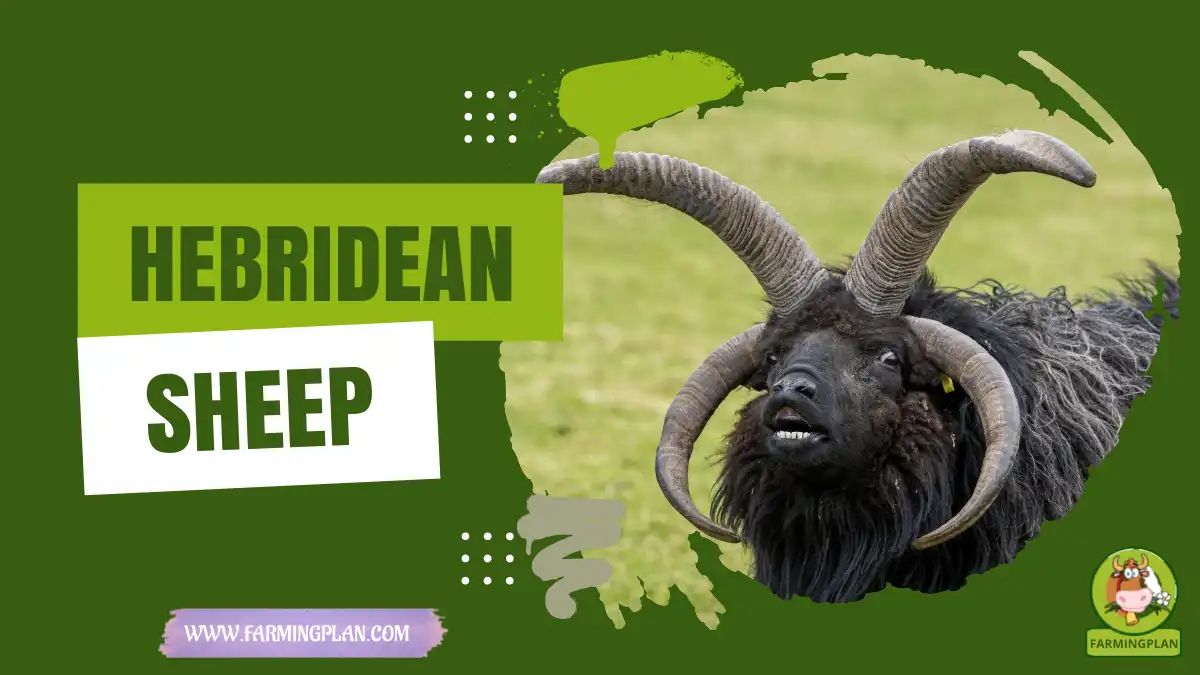
Originating in the Western Isles (Outer Hebrides) of Scotland; renowned for polycerate genetics where rams and ewes frequently grow two or four impressive curving black horns.
Over decades of commercial agricultural consolidation, many traditional dual-purpose sheep breeds were displaced by industrial feedlot genetics. Fortunately, conservation grazing practitioners, spinning fiber guilds, and heritage livestock associations preserved foundation flocks, maintaining genetic biodiversity and functional vigor. Proper record-keeping makes breeding and culling decisions easier for Hebridean Sheep keepers.
Today, American flock owners recognize the Hebridean Sheep as an ideal sustainable livestock asset. Their remarkable thriftiness, disease resilience, and strong maternal instincts allow shepherds to operate low-input, pasture-based enterprises that remain economically viable without continuous chemical supplements.
Housing, Shelter Dimensions & Winter Hardiness
Sheep are remarkably cold-hardy ruminants whose dense wool insulation enables them to thrive outdoors through severe winter conditions. However, prolonged exposure to damp conditions, freezing rain, or poorly ventilated barns can quickly compromise flock respiratory health.
Barn Spatial Standards & Predator Fencing
Provide at least 16 to 20 square feet of clean interior bedded space per adult ewe inside an open-front run-in shed, alongside 16 square feet of dedicated creep space per lamb pair during spring lambing. Maintain deep, clean straw bedding, ensuring cross-ventilation eaves remove moisture and airborne ammonia fumes without creating chilling ground drafts. Providing adequate space and ventilation prevents common stress issues in Hebridean Sheep.
Predator deterrence remains vital across North America where coyotes, cougars, and domestic dog packs pose persistent dangers. Erect 48-inch high-tensile woven wire perimeter fencing with 6×6-inch spacing, backed by electric offset ground and top scare wires. Many successful shepherds also deploy livestock guardian dogs (Great Pyrenees or Anatolian Shepherds) to ensure 24/7 pasture security, as outlined in our sustainable sheep farming roadmap.
Nutritional Requirements, Daily Rations & Feeding Protocols
Maintaining optimal rumen fermentation in the Hebridean Sheep relies on high-fiber forage rations. As grazing ruminants, their digestive tracts are optimized to extract nutrients from diverse grasses, legumes, and pasture forbs.
Daily Dry Matter Benchmarks & Copper Toxicity Warning
Adult sheep consume approximately 2.5 to 3.5 lbs coarse meadow hay or woody scrub browse + copper-safe minerals. Non-lactating ewes and mature rams thrive on good-quality grass hay containing 8% to 10% crude protein, while lactating ewes nursing twins require early-cut mixed alfalfa-grass hay providing 14% to 16% crude protein to sustain milk volume.
Shepherds must strictly avoid feeding cattle, goat, or horse feed formulations to sheep. Sheep are uniquely sensitive to dietary copper; excess copper accumulates within liver tissues until stress triggers sudden, fatal hemolytic copper toxicity. Supply free-choice, loose ovine-specific trace minerals labeled strictly copper-free, alongside continuous fresh, clean drinking water, as detailed in our low-input sheep feeding strategies. Understanding breed-specific traits helps maximize Hebridean Sheep longevity and output.
Health Management, Parasite Defense & Biosecurity Standards
Internal gastrointestinal parasites, specifically the pathogenic barber pole worm (Haemonchus contortus), present a serious threat to small ruminant health in humid grazing climates. Heavy parasite loads lead to severe anemia, hypoproteinemia (bottle jaw), and rapid weight loss.
FAMACHA Monitoring & Foot Rot Prevention
Monitor flock parasite burdens using the FAMACHA eye mucous membrane card system, inspecting lower eyelid conjunctiva every two to three weeks during warm grazing months. Deworm selectively only those individuals showing clinical anemia (scores 4 or 5) to preserve susceptible worm populations (refugia) and combat anthelmintic resistance. Trim hooves every 8 to 12 weeks to eliminate anaerobic crevices that harbor contagious foot rot (Dichelobacter nodosus).
Administer annual CD&T vaccinations to protect against enterotoxemia (pulpy kidney disease) and tetanus, vaccinating pregnant ewes four to six weeks prior to lambing to impart colostral immunity to their offspring. Adhere to federal flock surveillance regulations under the USDA APHIS National Scrapie Eradication Program. Discover clinical disease treatments in our ovine disease treatments and parasite control. Routine preventive care saves time and lowers veterinary costs for Hebridean Sheep.
Breeding Management, Lambing Protocols & Raising Lambs
Ewes are seasonal short-day breeders whose estrous cycles initiate as autumn day length decreases, cycling every 16 to 17 days. Maintain a healthy breeding ratio of 1 mature ram to 25 or 30 ewes on pasture. Fit breeding rams with marking harnesses and colored crayons to record exact mating dates and track cycling returns.
Following a 146 to 150 days gestation period, pen pregnant ewes in clean 5×5-foot lambing jugs bedded with fresh straw. Watch for udder engorgement, vulva relaxation, and nest-scratching behavior indicating imminent labor. Normal active labor concludes within 45 to 60 minutes with the lamb presenting in a front-feet-first diving orientation.
Ensure newly born lambs ingest at least 10% of their body weight in warm maternal colostrum within their initial 12 to 18 hours of life. Dip umbilical cords in 7% strong iodine tincture immediately to prevent joint ill and systemic bacterial infection. Compare breeding efficiency with related heritage small ruminants such as the Gute sheep. Matching forage or ration quality to life stage optimizes Hebridean Sheep growth.
US Ownership Budget & Annual Maintenance Costs
Financial planning is critical for maintaining an economically sustainable small flock. The budget breakdown below details estimated startup capital outlays and annual operating expenditures for a starter flock of four breeding ewes and one ram.
💰 Estimated Annual Budget & Maintenance Costs (USD)
| Expense Domain | Resource Item & Operational Purpose | Initial Capital Investment | Annual Recurring Cost |
|---|---|---|---|
| Breeding Stock | 4 registered ewes + 1 unrelated breeding ram from scrapie-certified flock | $1,200 – $2,200 | $0 (flock replenishment from retained ewe lambs) |
| Fencing & Shelter | Run-in three-sided loafing barn, 48-inch woven wire, paddock gates | $800 – $1,600 | $50 – $90 (fence line maintenance) |
| Handling & Shearing | Sheep handling panels, foot trimming shears, professional shearing fee | $150 – $300 | $40 – $70 (annual flock shearing fee) |
| Pasture Hay Rations | First-cutting grass hay and second-cutting legume bales (approx. 60 bales) | $90 (initial supply) | $450 – $650 |
| Minerals & Grain | Copper-free loose ovine minerals, kelp meal, late-gestation grain | $40 | $120 – $180 |
| Vaccines & Health | CD&T vaccines, FAMACHA test cards, wound sprays, dewormers | $45 | $50 – $85 |
| Total 5-Sheep Flock Budget | Complete 5-head starter flock investment model | $2,325 – $4,530 | $710 – $1,075 / year |
🐑 Hebridean Sheep Flock Forage & Pasture Calculator
Calculate winter hay bales, daily pasture forage intake, minerals, and water needs for your Hebridean Sheep flock.
Frequently Asked Questions (FAQ)
What is the average mature weight of a Hebridean Sheep?
Mature Hebridean Sheep rams average 110 to 140 lbs (50 to 64 kg), while mature ewes weigh 75 to 105 lbs (34 to 48 kg), maintaining balanced functional body mass suited for athletic grazing and easy lambing.
How long is the gestation period for a Hebridean Sheep ewe?
The gestation period for Hebridean Sheep ewes averages 146 to 150 days (approximately 5 months), requiring increased nutritional plane and clean lambing shelters during the final trimester.
What type of fleece does a Hebridean Sheep produce?
The Hebridean Sheep yields an annual fleece of Dense, dark black-brown primitive wool (3.5 to 5.5 lbs); greys with age with a fiber diameter of 30 to 36 microns with water-repellent crimp and natural lanolin, prized by handspinners for natural crimp, lanolin protection, and durability.
Can Hebridean Sheep sheep eat regular livestock feed?
No, sheep must never consume cattle, goat, or horse feed formulations because standard livestock feeds contain copper levels that trigger lethal copper toxicity in ovine livers. Always feed strictly copper-free sheep rations.
How much pasture space do Hebridean Sheep sheep require?
In rotational grazing systems on fertile pastures, allocate roughly 4 to 6 adult sheep per acre. On arid or brushy rangeland, stocking density should be reduced to 1 to 2 sheep per acre.
Are Hebridean Sheep sheep cold hardy in freezing winter climates?
Yes, {name} sheep are exceptionally cold hardy due to dense fleece that repels wind and snow. As long as they have access to dry, three-sided windbreaks and abundant forage, they easily withstand sub-zero winter temperatures.
Expert Verdict & Next Steps for US Sheep Producers
The Hebridean Sheep stands as an exemplary ovine breed for American homesteaders and commercial producers seeking constitutional vigor, low-maintenance grazing, and steady agricultural yields. Their natural maternal efficiency, strong foraging instincts, and high-quality meat and fiber make them a valuable asset in diversified farm systems.
By establishing secure perimeter fencing, feeding clean grass hays alongside copper-free minerals, and practicing routine FAMACHA parasite monitoring, you can maintain a thriving flock for generations. Explore our comprehensive companion blueprints including sustainable sheep farming roadmap to design an efficient pasture infrastructure tailored for your acreage.
📚Agricultural Reference & Scientific Citations
Standards and physiological data referenced in this guide comply with USDA APHIS Small Ruminant Health, The Livestock Conservancy, and the American Veterinary Medical Association (AVMA).


