

⚡ Gramapriya Chicken at a Glance: Key Specifications & Benchmarks
| Scientific Classification | Gallus gallus domesticus (High-Production Free-Range Backyard Layer) |
| Origin & Development | Hyderabad, India (ICAR – Directorate of Poultry Research DPR) |
| Mature Adult Cock Weight | 5.0 to 6.2 lbs (2.3 to 2.8 kg) |
| Mature Adult Hen Weight | 3.5 to 4.4 lbs (1.6 to 2.0 kg) |
| Annual Laying Productivity | 200 to 220 large tinted brown eggs (55 to 58 grams each) per cycle |
| Age at Onset of Laying | 160 to 175 days (approx. 5.5 months under scavenging regimes) |
| Plumage Coloration | Multi-colored gold, reddish-brown, and black plumage for predator camouflage |
| Climatic Adaptability | High heat tolerance and adaptability to varied agro-climatic zones |
| Primary Operational Purpose | Commercial backyard egg production, rural self-sufficiency, gourmet pastured eggs |
The Gramapriya chicken is an acclaimed high-yielding layer breed specifically developed for free-range backyard poultry farming in rural and semi-urban communities. Engineered by avian geneticists at the ICAR – Directorate of Poultry Research (DPR) in Hyderabad, India, this prolific bird was designed to bridge the gap between commercial industrial egg production and the rugged survival demands of free-range scavenging environments. Clean housing, fresh water, and balanced nutrition remain essential for Gramapriya Chicken productivity.
Capable of producing 200 to 220 large, rich brown eggs per year directly off backyard foraging and low-cost grain supplements, the Gramapriya outlays traditional village fowl by more than three to one. In our comprehensive pastured egg farming guides, homesteaders, permaculturists, and small-scale poultry keepers value the Gramapriya for its predator-evading agility, quiet coop demeanor, and high return on investment. Tracking feed intake and body condition supports long-term Gramapriya Chicken performance.
Origins, ICAR Genetic Selection & Rural Impact
In developing countries, rural household poultry contributes significantly to family protein nutrition and women’s economic empowerment. However, traditional indigenous fowl lay relatively few eggs, while fragile commercial White Leghorns lack the camouflage and disease resistance required to survive free-range conditions without temperature-controlled housing.
To overcome these obstacles, scientists at ICAR-DPR crossed specialized male and female parental lines—incorporating Rhode Island Red and selected indigenous desi genetics—to create a robust synthetic layer. Formally released under the name Gramapriya (meaning “Darling of the Village”), the breed has been disseminated across tens of thousands of rural villages, transforming smallholder livelihoods through reliable, low-input egg harvests. Following biosecurity best practices reduces disease risk in any Gramapriya Chicken operation.
Breed Conformation, Plumage & Physical Features
The Gramapriya chicken exhibits a refined, medium-sized layer conformation built for agile movement and high metabolic efficiency. Mature roosters weigh between 5.0 and 6.2 pounds (2.3 to 2.8 kg), displaying alert upright carriage, full breast, and long tail feathers. Mature hens weigh 3.5 to 4.4 pounds (1.6 to 2.0 kg), possessing a light, athletic frame with a spacious, soft pelvic arch that accommodates continuous egg formation. Seasonal adjustments to shelter and diet keep Gramapriya Chicken thriving year-round.
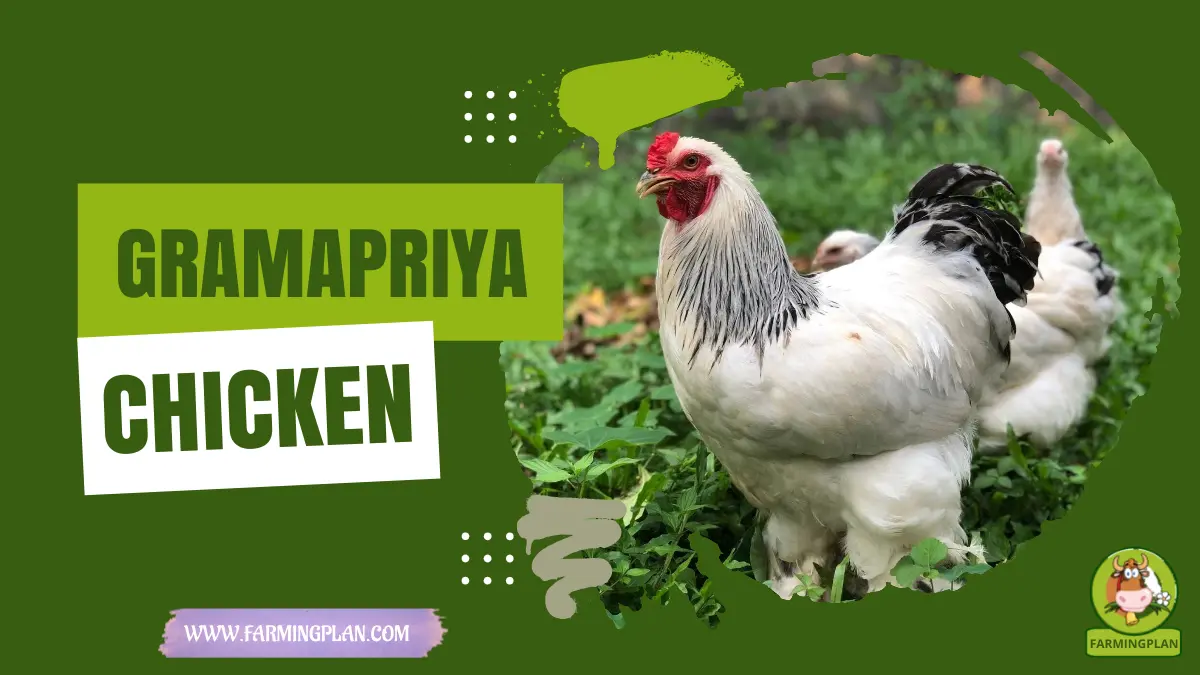
Plumage coloration is variegated and attractive, combining warm reddish-brown, copper-gold, and black spangled feathers that mimic the wild camouflage patterns of native red junglefowl. This plumage pattern enables birds to blend effectively into dry grass, crop stubble, and brushy fence lines, evading aerial hawks and ground predators. The legs are clean, unfeathered, and deep yellow, and the head carries a medium-sized red single comb and neat wattles.
Egg Production, Shell Integrity & Laying Cycle
Egg production is the premier economic attribute of the Gramapriya chicken. Pullets reach sexual maturity at 160 to 175 days of age, laying their first eggs with smooth regularity. Under standard free-range backyard conditions with 30 to 50 grams of daily supplemental grain, a healthy Gramapriya hen lays between 200 and 220 eggs in her initial 72-week production cycle. Proper record-keeping makes breeding and culling decisions easier for Gramapriya Chicken keepers.
The eggs weigh 55 to 58 grams each and feature attractive, tinted brown shells that are thick and highly resistant to handling breakage. The egg yolk is dense, vibrant orange, and rich in lutein and omega-3 fatty acids when hens forage on fresh greens and insects. Gramapriya hens exhibit minimal broodiness, maintaining continuous laying rhythms for 12 to 14 consecutive months before entering a seasonal molt. Providing adequate space and ventilation prevents common stress issues in Gramapriya Chicken.
Surplus Meat Yields & Desi-Style Culinary Quality
While the Gramapriya was developed primarily as an egg producer, it also provides valuable meat. Cockerels separated from pullets at 6 to 8 weeks of age grow steadily, reaching live market weights of 3.3 to 4.0 pounds (1.5 to 1.8 kg) by 12 to 14 weeks on pasture forage and supplemental farm grains.
The meat is lean, fibrous, and richly flavored, closely mirroring the taste and texture of native desi poultry that commands a 40% to 60% price premium over commercial broilers in South Asian and ethnic farmers markets. At the end of their second laying cycle, spent hens yield flavorful soup stock and slow-cooked meat, providing total carcass utilization. Understanding breed-specific traits helps maximize Gramapriya Chicken longevity and output.
Free-Range Scavenging & Pasture Foraging Agility
The Gramapriya chicken is an enthusiastic, vigorous forager. Released into farmyards, orchards, or rotational pastures, these birds actively search for grasshoppers, crickets, termites, ants, grubs, wild grass seeds, and succulent weed leaves. Their agile legs and alert senses allow them to cover large areas daily without straying too far from coop security. Routine preventive care saves time and lowers veterinary costs for Gramapriya Chicken.
In organic gardening and orchard settings, Gramapriya flocks provide excellent chemical-free insect control, scratching through compost and sanitizing orchard floor debris. Under favorable pasture conditions, free-range foraging fulfills 30% to 45% of the birds’ daily nutritional intake, significantly reducing operational feed expenditures.
Nutritional Strategies for Maximum Egg Yield
To sustain an impressive laying output of 200+ eggs per year, scavenged forage must be supplemented with a balanced energy-protein ration. Feed laying hens 1.5 to 2.0 ounces (40 to 60 grams) per head daily of a 16% to 17% crude protein grain mix containing cracked corn, broken rice, sorghum, wheat middlings, and roasted soybean or peanut meal. Matching forage or ration quality to life stage optimizes Gramapriya Chicken growth.
Always provide free-choice crushed oyster shell or coarse limestone grit in a separate feeder to support strong eggshell mineralization without depleting the hen’s skeletal calcium stores. Ensure cool, fresh water is available at all times in shaded drinkers. Explore our comprehensive guide to laying hen nutrition and home-mixed feed rations for detailed feeding schedules. Gradual dietary transitions protect digestive stability in Gramapriya Chicken.
Coop Housing, Perches & Predator-Resistant Runs
Gramapriya chickens are hardy birds that adapt well to simple, cost-effective coop designs. A well-ventilated coop providing 2.0 to 2.5 square feet of indoor floor space per adult bird is adequate for night roosting and egg laying. Ensure the shelter has good cross-ventilation to remove ammonia fumes while keeping interior bedding dry.
Provide sturdy wooden perches installed 18 to 24 inches above floor level, allowing 8 to 10 inches of perch space per bird. Mount clean, darkened nest boxes (12x12x12 inches) bedded with dry straw or wood shavings at a ratio of one nest box per 4 hens. Enclose outdoor day runs with 1/2-inch galvanized wire mesh or electrified poultry netting buried 6 inches into the soil to exclude digging and climbing predators. Selecting healthy foundation stock is the cornerstone of successful Gramapriya Chicken management.
Flock Economics & Backyard Enterprise Budget
The economic returns from raising Gramapriya chickens are exceptionally attractive for homesteaders and micro-egg producers. Because hens produce over 16 dozen eggs each per year on modest feed inputs, small flocks quickly turn a profit.
🐔 Gramapriya Chicken Flock Feed & Egg Yield Calculator
Estimate daily layer feed (lbs), monthly 50-lb feed bags, coop and run requirements, and expected weekly fresh egg yield for your Gramapriya Chicken flock.
A flock of 25 Gramalakshmi or Gramapriya laying hens produces approximately 420 to 450 dozen brown eggs annually. Sold direct-to-consumer at farmstand prices of $5.00 per dozen, the flock generates $2,100 to $2,250 in annual gross egg revenue. Subtracting supplemental grain feed, calcium grit, and annual vaccines of $650 leaves a net operational profit of $1,450 to $1,600, delivering high cash returns on a small backyard footprint. Good predator-proofing and dry bedding safeguard Gramapriya Chicken comfort in harsh weather.
Brooding, Chick Rearing & Artificial Incubation
Because the maternal broody instinct was selectively suppressed in the Gramapriya to sustain uninterrupted egg laying, flock owners expand their flocks using artificial incubators or broody foster hens. Collect clean hatching eggs daily and store them at 55°F to 60°F (13°C to 15°C) for no more than 7 days before setting. Monitoring water quality and mineral balance directly benefits Gramapriya Chicken vitality.
Incubate fertile eggs at 99.5°F (37.5°C) and 55% relative humidity, turning eggs three times daily until day 18, when humidity is raised to 70% for hatching. Brood chicks in a warm, clean pen bedded with wood shavings, maintaining 95°F (35°C) for the first week and decreasing by 5°F weekly. Feed a high-protein (20%) chick starter crumble for the first 6 weeks to build strong bone structure.
Flock Health, Vaccination & Disease Prevention
Gramapriya chickens have high natural resistance to environmental stress and endemic parasites, but routine viral immunization is essential to prevent catastrophic losses. Vaccinate day-old chicks for Marek’s disease at the hatchery, followed by Newcastle Disease (Ranikhet F-strain) at day 7, Infectious Bursal Disease (Gumboro) at day 14, and an adult Newcastle booster at 8 weeks. Practical hands-on husbandry ensures consistent results when raising Gramapriya Chicken.
Provide outdoor dust-bathing areas filled with dry sand and wood ash to naturally control lice and mites. Keep coop bedding dry to suppress coccidiosis, and practice strict flock biosecurity aligned with USDA APHIS national poultry health protocols to safeguard birds against wild avian diseases. Early intervention at the first sign of lethargy protects overall Gramapriya Chicken flock or herd health.
Heat Tolerance & Arid Weather Hardiness
Originating in the warm Deccan plateau of Hyderabad, the Gramapriya chicken exhibits exceptional heat tolerance. They comfortably endure summer temperatures exceeding 100°F (38°C) without suffering the severe heat prostration common in heavy northern European breeds.
During extreme summer heatwaves, provide abundant cool drinking water in shaded locations and ensure coops have wide eaves and open wire-mesh sidewalls for maximum cross-ventilation. Adding poultry electrolytes and vitamin C to drinking water during peak afternoon heat supports continuous laying rates. Structured culling and biosecurity protocols strengthen Gramapriya Chicken genetic quality.
Temperament & Farmyard Behavioral Dynamics
Gramapriya chickens are active, inquisitive, yet gentle and easy to handle. They quickly bond with their caretakers, running eagerly toward the gate at feeding time while remaining alert to unusual movements or predator threats. Maintaining clean feeders and sanitized equipment supports sustainable Gramapriya Chicken care.
Roosters are vigilant sentinels that sound clear alarm calls when aerial raptors appear, sheltering hens under shrubs and cover. They are non-aggressive toward human handlers and co-exist peacefully with ducks, geese, and small livestock in multi-species farmyard environments.
Comparison: Gramapriya vs. Giriraja & White Leghorn
Evaluating the Gramapriya against other prominent poultry breeds highlights its unique position. While the commercial White Leghorn produces up to 280 white eggs annually, it requires expensive commercial feed, enclosed cages, and heated housing, lacking the Gramapriya’s scavenging ability and predator camouflage. Consistent daily observation helps keepers spot early changes in Gramapriya Chicken health and behavior.
Compared to the Giriraja chicken, which is optimized for rapid broiler meat growth (4.5 lbs in 9 weeks), the Gramapriya is a specialized egg producer that yields 50 to 60 more eggs annually per hen while consuming less feed daily. For homesteaders whose primary objective is abundant brown eggs on free-range pasture, the Gramapriya is the premier choice. For multi-purpose options, compare our guide on Barred Plymouth Rock chickens. Clean housing, fresh water, and balanced nutrition remain essential for Gramapriya Chicken productivity.
Pros & Cons of Raising Gramapriya Chickens
Consider the primary benefits and management considerations before establishing a Gramapriya flock:
- Prolific Brown Egg Layer: Produces 200 to 220 large tinted brown eggs annually with rich orange yolks and strong shells.
- Superior Free-Range Scavenging: Gathers up to 40% of daily nutrition independently from pasture insects, seeds, and greens.
- Effective Camouflage Plumage: Variegated gold, brown, and black feathers protect against hawk and ground predator losses.
- Suppressed Broodiness: Rarely sits broody, requiring artificial incubators or foster broody hens to hatch replacement chicks.
- Modest Table Meat Weight: Lighter carcass weight (3.5 to 4.0 lbs) compared to dedicated heavy broiler breeds.
Frequently Asked Questions About Gramapriya Chickens
What is a Gramapriya chicken?
The Gramapriya chicken is a high-yielding dual-purpose backyard layer developed by the ICAR – Directorate of Poultry Research (DPR) in Hyderabad, India, bred for free-range scavenging and high brown egg production.
How many eggs does a Gramapriya chicken lay per year?
A Gramapriya hen lays between 200 and 220 large tinted brown eggs (55 to 58 grams each) annually under free-range and backyard scavenging conditions with modest grain supplementation.
What do Gramapriya chickens look like?
They have variegated camouflage plumage combining reddish-brown, golden-copper, and black spangled feathers, clean yellow shanks, and a bright red single comb.
Are Gramapriya chickens good for meat?
Yes. While primarily an egg layer, cockerels and culled hens yield lean, firm, flavorful desi-style poultry meat that commands premium prices in country markets.
Expert Verdict & Next Steps
The Gramapriya chicken is an extraordinary breakthrough in practical poultry breeding, combining the prolific 200+ egg output of modern layers with the tough, self-sufficient survival instincts of a wild scavenger. For homesteaders and rural farmers seeking abundant daily brown eggs with rock-bottom feed bills, the Gramapriya delivers unparalleled efficiency and reliability. Tracking feed intake and body condition supports long-term Gramapriya Chicken performance.
Acquire authentic day-old chicks from ICAR-DPR partner hatcheries or certified regional poultry development centers. To expand your knowledge of small-scale egg enterprises, explore our guides on Black Australorp layers and our direct-to-consumer farmstand egg packaging protocols.
📚Agricultural Reference & Scientific Citations
Standards and physiological data referenced in this guide comply with American Poultry Association (APA), The Livestock Conservancy, and USDA APHIS Avian Biosecurity Standards.


