

⚡ Giriraja Chicken at a Glance: Key Specifications & Benchmarks
| Scientific Classification | Gallus gallus domesticus (Dual-Purpose Backyard Scavenging Poultry) |
| Origin & Development | Bangalore, India (Developed by Veterinary College, UAS / KVAFSU) |
| Mature Adult Cock Weight | 6.5 to 8.0 lbs (3.0 to 3.6 kg) |
| Mature Adult Hen Weight | 4.5 to 5.5 lbs (2.0 to 2.5 kg) |
| Annual Egg Production | 130 to 160 large tinted brown eggs (52 to 56 grams per egg) |
| Broiler Processing Benchmark | 4.0 to 4.5 lbs (1.8 to 2.0 kg) at 8 to 10 weeks on semi-scavenging diets |
| Plumage Coloration & Armor | Mixed multi-color plumage (brown, black, gold, and barred) for predator camouflage |
| Climatic & Heat Tolerance | Outstanding resistance to tropical humidity, high heat, and endemic diseases |
| Primary Operational Purpose | Village free-range meat and eggs, smallholder homestead poultry, agro-pastoral scavenging |
The Giriraja chicken is one of the most successful and revolutionary dual-purpose poultry breeds developed in South Asia. Engineered by poultry scientists at the Department of Poultry Science, Veterinary College, University of Agricultural Sciences (now KVAFSU) in Bangalore, India, this vigorous bird was specifically bred to empower rural smallholders and homesteaders with high meat and egg yields under low-input, free-range scavenging management. Following biosecurity best practices reduces disease risk in any Giriraja Chicken operation.
Combining the rapid growth and muscular breast conformation of modern commercial broiler genetics with the predator-evading agility, camouflage plumage, and immune resilience of native Indian desi chickens, the Giriraja thrives where delicate industrial hybrids perish. In our comprehensive backyard chicken farming resources, homesteaders celebrate the Giriraja for its exceptional forage conversion, rich brown eggs, and firm, flavorful country meat. Seasonal adjustments to shelter and diet keep Giriraja Chicken thriving year-round.
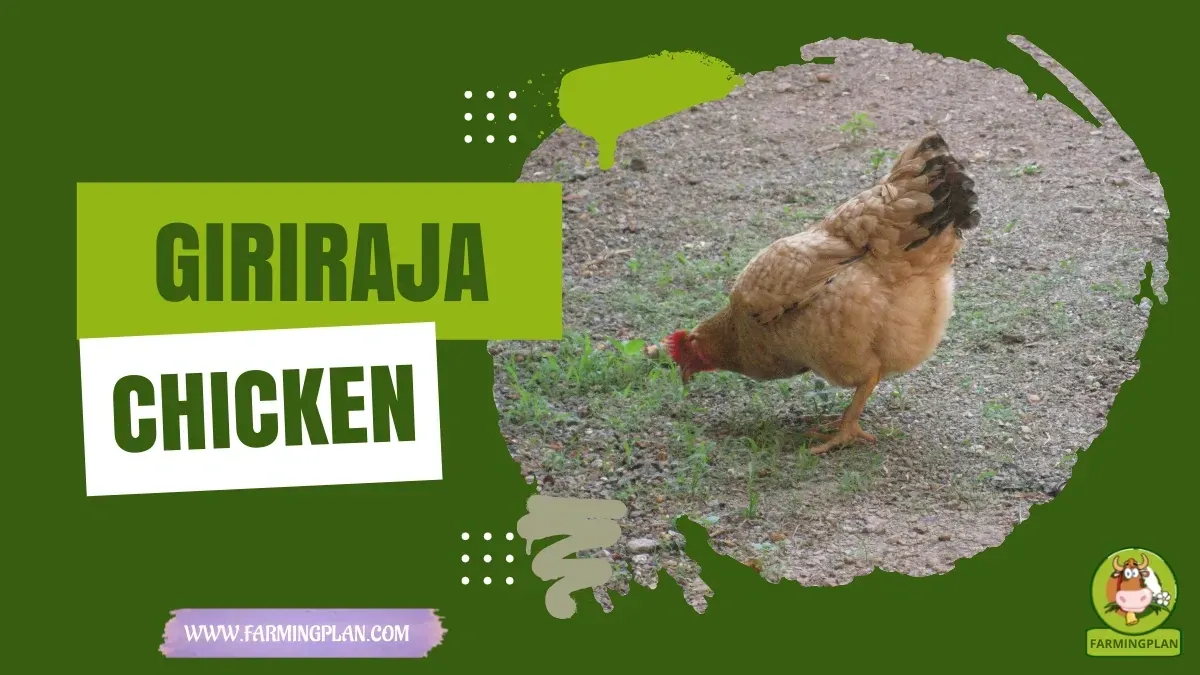
Origins, Avian Genetics & Development by UAS Bangalore
During the late 1980s, Indian agricultural researchers recognized that while industrial commercial poultry operations expanded rapidly in urban centers, rural backyard farmers were left behind. Indigenous village chickens (desi birds) laid only 40 to 60 small eggs per year and required six to eight months to reach a meager 2.5-pound carcass weight. Conversely, commercial white broilers lacked camouflage and succumbed swiftly to heat stress and native predators. Proper record-keeping makes breeding and culling decisions easier for Giriraja Chicken keepers.
To bridge this divide, geneticists crossed selected indigenous fowl lines with superior broiler and layer parent stocks, selecting rigorously over generations for scavenging efficiency, camouflaged feather patterns, high disease resistance, and rapid growth. Released in 1993, the Giriraja (meaning “King of the Mountains”) became an immediate triumph, distributed to millions of rural families and sustainable smallholders across India, Southeast Asia, and Africa.
Breed Conformation & Camouflage Plumage
The Giriraja chicken possesses a robust, broad-breasted conformation that conveys physical power and athletic vitality. Mature cocks weigh 6.5 to 8.0 pounds (3.0 to 3.6 kg), carrying an upright carriage, deep chest, and strong yellow shanks free of leg feathers. Mature hens weigh 4.5 to 5.5 pounds (2.0 to 2.5 kg), displaying broad backs and capacious abdomens that indicate high laying capacity. Providing adequate space and ventilation prevents common stress issues in Giriraja Chicken.
Unlike stark white commercial broilers that stand out conspicuously to hawks and stray dogs, the Giriraja features colorful, variegated plumage. Feather patterns combine rich reddish-brown, gold, black, grey, and cuckoo-barred markings that blend seamlessly into brushy pastures, garden undergrowth, and dry dirt yards. The head sports a vibrant red single comb and neat wattles that facilitate efficient heat dissipation during humid tropical weather. Understanding breed-specific traits helps maximize Giriraja Chicken longevity and output.
Meat Production & Rapid Broiler Growth Benchmarks
As a table bird, the Giriraja outclasses traditional heritage breeds in growth speed while retaining superior country chicken flavor. When raised under semi-intensive or free-range management with modest grain supplementation, cockerels achieve live weights of 4.0 to 4.5 pounds (1.8 to 2.0 kg) in just 8 to 10 weeks, and reach 6.0 pounds by 14 weeks.
The meat texture is firm, flavorful, and fine-grained, with higher protein content and lower moisture loss during cooking than commercial confinement broilers. Known in culinary markets as “desi-style” chicken meat, Giriraja poultry commands a 30% to 50% price premium over supermarket broiler meat in local farm markets, making it a lucrative enterprise for small-scale pastured poultry growers. Routine preventive care saves time and lowers veterinary costs for Giriraja Chicken.
Egg Production, Shell Quality & Laying Cycle
While meat production is exceptional, Giriraja hens are also reliable brown egg producers. Pullets begin laying between 20 and 22 weeks of age, producing 130 to 160 large tinted brown eggs annually under free-range conditions. Under supplemental farm feeding regimes, well-managed flocks regularly achieve 180 eggs per bird in their first laying cycle. Matching forage or ration quality to life stage optimizes Giriraja Chicken growth.
The eggs weigh 52 to 56 grams each, featuring thick, durable brown shells that resist breakage during nest collection and transport to market. The yolk is naturally rich, deep orange, and firm when hens forage on fresh greens, insects, and weed seeds. While hens occasionally display maternal broodiness, their brooding drive is moderate, allowing them to return to egg laying quickly after a short rest.
Free-Range Scavenging & Backyard Foraging Resilience
The standout behavioral attribute of the Giriraja chicken is its aggressive foraging autonomy. Given access to pastures, orchards, or barnyard perimeters, these birds actively scratch for soil insects, beetle larvae, termites, grasshoppers, wild seeds, and weed greens, meeting up to 40% of their daily nutritional requirements independently. Gradual dietary transitions protect digestive stability in Giriraja Chicken.
Their keen eyesight and swift reflexes make them agile foragers capable of evading ground predators. In agricultural permaculture and orchard systems, they provide outstanding biological pest control, sanitizing fallen fruit, consuming orchard pests, and scratching through livestock manure to break parasite life cycles. Selecting healthy foundation stock is the cornerstone of successful Giriraja Chicken management.
Nutritional Strategies & Low-Cost Feeding
To maximize growth rates and sustain 150+ eggs per year, supplement free-range scavenging with balanced rations. During the brooding phase (0 to 6 weeks), feed a commercial 20% crude protein chick starter mash or crumble to build robust skeletal and muscular foundations.
From week 7 onward, birds can thrive on a semi-scavenging diet supplemented with 1.5 to 2.0 ounces (40 to 60 grams) per bird daily of a low-cost farm-mixed grain ration consisting of cracked corn, sorghum, broken rice, wheat bran, and soybean meal. Provide free-choice crushed oyster shell or limestone grit to laying hens to maintain strong eggshell calcification. Explore our complete seasonal backyard poultry feeding and ration guide for comprehensive flock feeding formulas. Good predator-proofing and dry bedding safeguard Giriraja Chicken comfort in harsh weather.
Coop Housing, Roosting & Predator-Proof Enclosures
Giriraja chickens are hardy birds that adapt readily to simple coop designs. A well-ventilated wooden or masonry coop providing 2.5 to 3.0 square feet of indoor floor space per adult bird is ideal for night roosting and egg laying. Provide sturdy 2-inch rounded wooden perches placed 18 to 24 inches above floor level, allowing 10 inches of roost space per bird. Monitoring water quality and mineral balance directly benefits Giriraja Chicken vitality.
Install dark, clean 12×12-inch nest boxes bedded with fresh straw or wood shavings at a ratio of one nest box per 4 to 5 laying hens. Ensure perimeter runs are secured with 1/2-inch galvanized hardware cloth or electric netting buried 6 inches underground to exclude burrowing predators like raccoons, foxes, and snakes. Review our backyard chicken coop construction blueprints for optimal airflow designs.
Flock Economics & Backyard Enterprise Budget
Raising Giriraja chickens offers fast capital turnover and dependable weekly cash flow. Day-old chicks are inexpensive, and their rapid 9-week meat finishing cycle allows growers to produce four batches of table broilers per year using the same brooding infrastructure. Practical hands-on husbandry ensures consistent results when raising Giriraja Chicken.
🐔 Giriraja Chicken Flock Feed & Egg Yield Calculator
Estimate daily layer feed (lbs), monthly 50-lb feed bags, coop and run requirements, and expected weekly fresh egg yield for your Giriraja Chicken flock.
A flock of 50 Giriraja birds (25 cockerels processed at 9 weeks for meat and 25 pullets retained for brown egg production) delivers outstanding return on investment. The 25 meat cockerels yield 100 pounds of dressed country chicken valued at $5.00 per pound ($500). The 25 laying hens produce over 300 dozen farm-fresh brown eggs annually ($1,500 at $5 per dozen). With low grain feed costs under free-range conditions, net operating margins exceed 60%. Early intervention at the first sign of lethargy protects overall Giriraja Chicken flock or herd health.
Brooding, Chick Rearing & Incubation Protocols
Day-old Giriraja chicks are hardy and vigorous. Maintain brooder temperatures at 95°F (35°C) during week one using ceramic heat emitters or infrared heat lamps, decreasing the temperature by 5°F each week until chicks are fully feathered at 4 to 5 weeks. Bed the brooder with clean pine shavings or paper towels, avoiding slippery newspaper that causes spraddle leg.
Dip chick beaks into clean water fortified with poultry electrolytes and vitamins upon arrival. Introduce chick starter feed immediately on shallow trays. Because Giriraja hens only brood occasionally, smallholders achieve the highest flock expansion rates by using artificial incubators (set at 99.5°F and 55% relative humidity for 21 days) or utilizing broody foster hens (such as native desi or Silkie hens) to hatch Giriraja eggs. Structured culling and biosecurity protocols strengthen Giriraja Chicken genetic quality.
Flock Health, Vaccination & Biosecurity Defense
While Giriraja chickens possess strong innate immunity against common tropical ailments, basic viral disease prevention is critical for flock longevity. Administer Newcastle Disease (Ranikhet) vaccine via eye drops at day 7 (Lasota strain), followed by Infectious Bursal Disease (Gumboro) at day 14 and a Newcastle booster at week 8. Maintaining clean feeders and sanitized equipment supports sustainable Giriraja Chicken care.
Protect against external ectoparasites (poultry lice and red mites) by providing a dry dirt and wood ash dust bath box in the outdoor run. Keep litter dry to suppress coccidiosis, and implement flock biosecurity guidelines aligned with USDA APHIS national poultry health standards to shield birds from avian influenza.
Heat Tolerance & Tropical Climate Management
Engineered in the warm climate of southern India, the Giriraja chicken handles temperatures exceeding 100°F (38°C) far better than heavy northern European heritage breeds. Their well-vascularized large comb and wattles allow effective heat dissipation through blood cooling. Consistent daily observation helps keepers spot early changes in Giriraja Chicken health and behavior.
During extreme summer heat, ensure coops have wide eaves, open mesh sidewalls for cross-ventilation, and continuous access to cool, shaded water troughs. Adding electrolytes or vitamin C to drinking water during peak afternoon heatwaves reduces panting stress and supports steady egg production. Clean housing, fresh water, and balanced nutrition remain essential for Giriraja Chicken productivity.
Temperament & Farmyard Flock Integration
Giriraja chickens are alert, active, yet remarkably docile around human keepers. They do not exhibit the nervous hysteria common in Mediterranean flight breeds like Leghorns, nor the sluggish apathy of industrial broilers. They quickly learn to recognize their caretakers and come running when called.
Roosters are vigilant protectors of their hens, sounding sharp warning trills at aerial hawks while maintaining respectful, non-aggressive behavior toward human handlers. They integrate smoothly with other farmyard poultry, sheep, or goats in mixed agro-pastoral holding systems. Tracking feed intake and body condition supports long-term Giriraja Chicken performance.
Comparison: Giriraja vs. Kuroiler & Rhode Island Red
Comparing the Giriraja chicken to other dual-purpose breeds highlights its specialized strengths. The Kuroiler—another prominent Indian composite breed—shares similar rapid growth and plumage variegation, but Giriraja strains are frequently reported to exhibit slightly superior heat tolerance and stronger disease resistance under harsh scavenging conditions. Following biosecurity best practices reduces disease risk in any Giriraja Chicken operation.
Compared to the classic American Rhode Island Red, the Giriraja grows significantly faster as a meat broiler (reaching 4.5 lbs in 9 weeks vs. 16 to 18 weeks for RIR), though the Rhode Island Red lays slightly more eggs annually (200 to 250 eggs). For farmers seeking a true dual-purpose bird that finishes quickly as a table bird on pasture, the Giriraja is unmatched. For egg-focused comparisons, see our review on Australorp chickens.
Pros & Cons of Raising Giriraja Chickens
Weigh the main production strengths and practical considerations before founding a Giriraja flock: Seasonal adjustments to shelter and diet keep Giriraja Chicken thriving year-round.
- Rapid Meat Growth: Reaches 4.0 to 4.5 lbs in just 8 to 10 weeks on semi-scavenging diets with firm, flavorful meat.
- Reliable Brown Egg Yield: Lays 130 to 160 large tinted brown eggs annually with strong shell quality and rich yolks.
- Predator Camouflage & Hardiness: Variegated brown-and-black plumage blends into pastures; high natural disease resistance.
- Moderate Broodiness: Sows only occasionally go broody, requiring artificial incubation or foster hens for large-scale hatching.
- Seedstock Sourcing: Genuine parent stock is primarily distributed through agricultural universities and licensed hatcheries.
Frequently Asked Questions About Giriraja Chickens
What is a Giriraja chicken?
The Giriraja chicken is a dual-purpose backyard poultry breed developed by the University of Agricultural Sciences (KVAFSU) in Bangalore, India, bred for rapid meat growth, brown egg laying, and hardy scavenging.
How many eggs does a Giriraja chicken lay per year?
A Giriraja hen lays between 130 and 160 large tinted brown eggs (52 to 56 grams each) annually under free-range and semi-scavenging backyard conditions.
How fast do Giriraja chickens grow for meat?
Giriraja cockerels reach market butcher weights of 4.0 to 4.5 pounds (1.8 to 2.0 kg) in just 8 to 10 weeks under semi-intensive pasture management.
Can Giriraja chickens survive on scavenging alone?
Yes, they are expert foragers that find insects, seeds, and greens; however, providing 40 to 60 grams of daily supplemental grain significantly maximizes their meat and egg yields.
Expert Verdict & Next Steps
The Giriraja chicken is a masterclass in functional poultry breeding, providing smallholders and homesteaders with a tough, self-sufficient bird that delivers fast table meat and dependable brown eggs on minimal purchased feed. For rural homesteads seeking resilient food independence and low-overhead farm revenue, the Giriraja is an outstanding poultry investment. Proper record-keeping makes breeding and culling decisions easier for Giriraja Chicken keepers.
Source authentic day-old chicks from government-certified agricultural university hatcheries or accredited regional distributors. To optimize your pastured poultry enterprise, review our guides on Barred Plymouth Rock dual-purpose chickens and our mobile pasture chicken tractor construction plans.
📚Agricultural Reference & Scientific Citations
Standards and physiological data referenced in this guide comply with American Poultry Association (APA), The Livestock Conservancy, and USDA APHIS Avian Biosecurity Standards.


