

⚡ Gramalakshmi Chicken at a Glance: Key Specifications & Benchmarks
| Scientific Classification | Gallus gallus domesticus (Tropical Dual-Purpose Backyard Layer) |
| Origin & Development | Mannuthy, Thrissur, Kerala, India (Kerala Agricultural University / KVASU) |
| Mature Adult Cock Weight | 5.5 to 6.8 lbs (2.5 to 3.1 kg) |
| Mature Adult Hen Weight | 3.8 to 4.8 lbs (1.7 to 2.2 kg) |
| Annual Laying Output | 160 to 180 medium-to-large tinted brown eggs (52 to 55 grams each) |
| Age at First Egg Laying | 150 to 165 days (5 to 5.5 months of age) |
| Plumage Pattern & Markings | Attractive speckled silver-grey, white, and black barred plumage |
| Climatic Heat & Humidity Range | Outstanding adaptation to heavy monsoon rains, tropical heat, and high humidity |
| Primary Operational Purpose | Rural backyard brown egg production, farmstead scavenging, country meat |
The Gramalakshmi chicken is a celebrated dual-purpose backyard poultry variety developed specifically for the humid tropical environments of southern India. Bred by avian geneticists at the Centre for Advanced Studies in Poultry Science, Kerala Agricultural University (now Kerala Veterinary and Animal Sciences University, KVASU) in Mannuthy, Thrissur, this hardy chicken was designed to deliver high egg yields to rural homesteads with minimal supplemental grain feed. Practical hands-on husbandry ensures consistent results when raising Gramalakshmi Chicken.
Engineered by crossbreeding indigenous scavenging fowl with hardy Australorp and high-producing White Leghorn lines, the Gramalakshmi combines superior laying frequency with the agile survival instincts and colorful plumage necessary to evade ground predators. In our dedicated backyard chicken husbandry resources, homesteaders celebrate the Gramalakshmi for its docile manners, high egg-to-feed efficiency, and outstanding tolerance to continuous monsoon downpours. Early intervention at the first sign of lethargy protects overall Gramalakshmi Chicken flock or herd health.
Origins, KVASU Research & Tropical Poultry Breeding
In the coastal and foothill regions of Kerala, traditional backyard poultry keeping faced unique challenges. The relentless torrential rains of the southwest monsoon created damp, disease-prone farmyard environments where commercial hybrid layers quickly suffered from respiratory ailments and drop-offs in laying rates. Indigenous desi fowl survived well but laid fewer than 70 small eggs annually. Structured culling and biosecurity protocols strengthen Gramalakshmi Chicken genetic quality.
Recognizing the need for a resilient bird adapted to coastal homestead agro-ecosystems, KVASU researchers conducted systematic multi-generation selection. They developed a synthetic cross that preserved the scavenging drive and disease tolerance of local chickens while elevating egg production to over 160 eggs per year. Officially released as the Gramalakshmi (meaning “Village Wealth” or “Goddess of Prosperity for Villages”), the breed transformed rural backyard nutrition across South India.
Breed Conformation & Mottled Feather Patterns
The Gramalakshmi chicken possesses a balanced, medium-sized body conformation characterized by trim athletic lines and functional muscularity. Mature roosters weigh between 5.5 and 6.8 pounds (2.5 to 3.1 kg), displaying proud upright head carriage, a deep breast, and well-developed tail sickles. Mature hens weigh 3.8 to 4.8 pounds (1.7 to 2.2 kg), showing a sleek wedge-shaped body profile indicative of high egg-laying capacity. Maintaining clean feeders and sanitized equipment supports sustainable Gramalakshmi Chicken care.
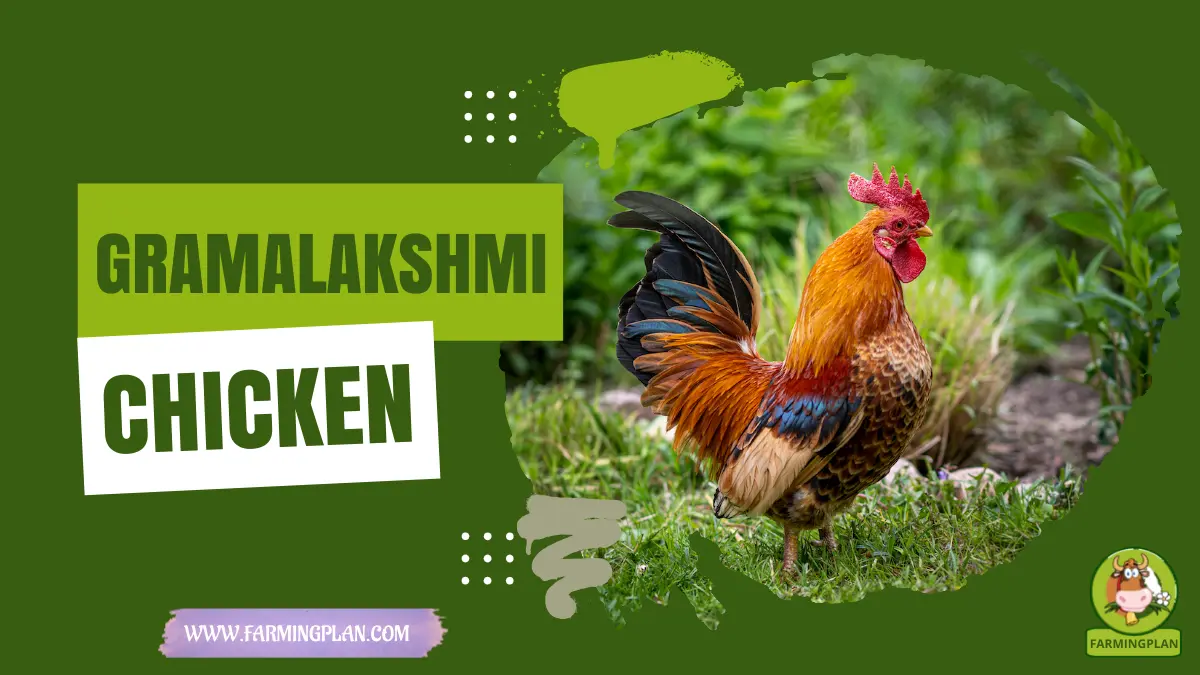
The plumage is visually striking, featuring a mottled or barred combination of silvery-white, grey, and black feathers that provide natural camouflage against hawks and aerial predators. The head carries a moderate red single comb and neat wattles that facilitate thermoregulation without being prone to comb injury. The eyes are bright amber, the beak is horn-colored, and the strong shanks are clean, unfeathered, and pale yellow. Consistent daily observation helps keepers spot early changes in Gramalakshmi Chicken health and behavior.
Egg Production, Shell Quality & Laying Cycle
As an egg producer for the family homestead, the Gramalakshmi is exceptional. Pullets commence laying at approximately 21 to 24 weeks of age (150 to 165 days), reaching peak laying intensity between 30 and 45 weeks. Under typical backyard free-range management with modest kitchen scrap supplementation, a hen produces 160 to 180 eggs per year.
The eggs are medium to large in size (52 to 55 grams) with smooth, tinted brown shells that are thick and resistant to cracking. The yolks are rich golden-orange when hens actively forage on green grasses and wild insects. Notably, the broodiness trait has been reduced through selective breeding, meaning hens spend minimal time sitting broody and quickly return to continuous egg production. Clean housing, fresh water, and balanced nutrition remain essential for Gramalakshmi Chicken productivity.
Meat Yields & Desi-Style Culinary Quality
While primarily cultivated as a high-efficiency egg producer, the Gramalakshmi also serves as a high-quality table bird. Surplus cockerels reach harvest weights of 3.5 to 4.5 pounds (1.6 to 2.0 kg) at 12 to 14 weeks of age on mixed pasture and low-cost farm grain rations. Tracking feed intake and body condition supports long-term Gramalakshmi Chicken performance.
The meat features the dense, flavorful, and lean qualities prized in traditional Asian curry cookery. Unlike watery commercial broiler meat that softens during slow simmering, Gramalakshmi meat holds its structure and absorbs spices deeply. The carcass yields excellent dressing percentages of 66% to 70%, providing families with valuable culinary meat alongside daily egg harvests.
Tropical Foraging & Agro-Ecological Scavenging
The Gramalakshmi is an industrious, highly active forager. Released into backyard gardens, coconut groves, or home orchards, these chickens spend daylight hours actively scratching for earthworms, termites, beetle larvae, weed seeds, and wild greens. Following biosecurity best practices reduces disease risk in any Gramalakshmi Chicken operation.
In tropical homestead systems, they provide outstanding biological pest sanitization, consuming fallen fruits infested with fruit fly larvae and controlling tick and flea populations. Their active foraging enables them to obtain 35% to 50% of their daily dietary requirements from pasture scavenging, substantially lowering household feed bills. Seasonal adjustments to shelter and diet keep Gramalakshmi Chicken thriving year-round.
Nutritional Strategies & Low-Cost Backyard Diets
To sustain 170+ eggs per year, free-range scavenging must be supported by consistent supplemental nutrition. Provide each laying hen with 1.5 to 2.0 ounces (40 to 55 grams) daily of a balanced farm grain mixture consisting of broken rice, crushed maize, wheat bran, and coconut oil cake or crushed soybean meal providing 16% crude protein.
Always provide free-choice access to crushed limestone grit, crushed oyster shells, or baked eggshells to supply calcium for thick, strong eggshells. Ensure clean, cool water is accessible 24 hours a day in shaded dispensers. For complete dietary formulas, consult our seasonal poultry feeding and layer ration guide. Proper record-keeping makes breeding and culling decisions easier for Gramalakshmi Chicken keepers.
Coop Design & Monsoon-Proof Housing
Because the Gramalakshmi was bred in the high-rainfall region of Kerala, coop design should emphasize dryness and superior air circulation. Construct a raised coop with an elevated slatted wooden or bamboo floor set 18 to 24 inches above ground level to keep bedding dry during heavy monsoon flash floods. Providing adequate space and ventilation prevents common stress issues in Gramalakshmi Chicken.
Provide 2.0 to 2.5 square feet of indoor shelter space per bird, with wide roof overhangs that shield open wire-mesh sidewalls from driving horizontal rains. Install rounded wooden perches 18 inches above the floor, allowing 8 to 10 inches of roost space per bird. Mount clean nest boxes (12×12 inches) in dark, quiet corners bedded with dry paddy straw or wood shavings. Review our tropical backyard chicken coop blueprints for optimal monsoon drainage designs.
Flock Economics & Backyard Enterprise Budget
Establishing a small backyard flock of Gramalakshmi chickens offers rapid payback and high household economic resilience. The capital cost of day-old chicks or started pullets is minimal, and low supplemental feed requirements ensure high operating margins. Understanding breed-specific traits helps maximize Gramalakshmi Chicken longevity and output.
🐔 Gramalakshmi Chicken Flock Feed & Egg Yield Calculator
Estimate daily layer feed (lbs), monthly 50-lb feed bags, coop and run requirements, and expected weekly fresh egg yield for your Gramalakshmi Chicken flock.
A flock of 20 Gramalakshmi laying hens produces approximately 270 to 300 dozen farm-fresh brown eggs annually. Sold locally at premium free-range farmstand prices of $5.00 per dozen, annual egg revenues reach $1,350 to $1,500. With annual supplemental feed and vaccination costs of only $380, the flock yields net cash profit of over $1,000 annually alongside fresh protein for the family table. Routine preventive care saves time and lowers veterinary costs for Gramalakshmi Chicken.
Incubation, Brooding & Chick Development
Because Gramalakshmi hens rarely go broody, homesteaders multiply their flocks using small electric tabletop incubators or by placing fertile Gramalakshmi eggs under broody indigenous foster hens. Set clean, unwashed eggs in an incubator maintained at 99.5°F (37.5°C) and 55% relative humidity, turning eggs three to five times daily for 18 days, then increasing humidity to 70% for hatching on day 21.
Brood newly hatched chicks in a warm, draft-free enclosure bedded with clean pine shavings. Maintain brooder temperatures at 95°F (35°C) during week one, decreasing by 5°F each week until 4 weeks of age. Feed a commercial 20% chick starter mash for the first 6 weeks to ensure strong skeletal and feather development. Matching forage or ration quality to life stage optimizes Gramalakshmi Chicken growth.
Flock Health, Vaccination & Monsoon Biosecurity
While the Gramalakshmi possesses exceptional innate immunity against common tropical poultry ailments, foundational viral disease prevention is vital for commercial success. Vaccinate chicks against Newcastle Disease (Ranikhet F-strain) at day 7 via eye drops, followed by Infectious Bursal Disease (Gumboro) at day 14 and a Newcastle booster (Lasota or R2B) at week 8. Gradual dietary transitions protect digestive stability in Gramalakshmi Chicken.
During the humid monsoon season, keep indoor litter dry and loose by turning it weekly and adding hydrated lime to prevent coccidiosis oocyst proliferation. Provide dust bathing boxes containing dry soil, sand, and wood ash to keep feather lice and mites in check. Implement biosecurity protocols aligned with USDA APHIS national poultry health standards.
Tropical Heat & Humidity Management
The Gramalakshmi chicken handles temperatures up to 102°F (39°C) and relative humidity exceeding 85% with minimal distress. Their active vascular comb and wattles provide efficient evaporative blood cooling. Selecting healthy foundation stock is the cornerstone of successful Gramalakshmi Chicken management.
During hot summer dry periods, ensure continuous access to cool, shaded water troughs. Plant shade trees or vine trellises (such as passionfruit or gourds) around chicken runs to block direct solar radiation and create cool microclimates for afternoon dust bathing. Good predator-proofing and dry bedding safeguard Gramalakshmi Chicken comfort in harsh weather.
Docile Temperament & Family Homestead Integration
Gramalakshmi chickens are docile, friendly, and easily managed. They do not exhibit flighty or skittish panic when caretakers enter the coop, making daily egg collection and feed distribution pleasant and safe for children.
Roosters are protective of their hens, maintaining active flock surveillance against aerial predators while remaining non-aggressive toward humans. They integrate peacefully with ducks, turkeys, or small ruminants in mixed homestead pasture settings. Monitoring water quality and mineral balance directly benefits Gramalakshmi Chicken vitality.
Comparison: Gramalakshmi vs. Giriraja & Australorp
Comparing the Gramalakshmi to other popular dual-purpose breeds clarifies its specific farmyard role. While the Giriraja chicken reaches heavier meat butcher weights faster (4.5 lbs at 9 weeks), the Gramalakshmi generally exhibits higher annual egg persistence (170+ eggs vs. 140 eggs for Giriraja) and superior resilience in extreme tropical humidity. Practical hands-on husbandry ensures consistent results when raising Gramalakshmi Chicken.
Compared to purebred Black Australorps, the Gramalakshmi features lighter body weight (4.2 lbs vs. 6.5 lbs for Australorp hens), which translates to lower daily feed intake and higher egg-to-feed conversion efficiency under free-range conditions. For homesteaders whose primary goal is dependable egg harvest under hot, rainy conditions, the Gramalakshmi is ideal. For pure meat options, explore our guide on Brahma chickens.
Pros & Cons of Raising Gramalakshmi Chickens
Review the main advantages and practical considerations before establishing a Gramalakshmi flock: Early intervention at the first sign of lethargy protects overall Gramalakshmi Chicken flock or herd health.
- High Egg Laying Output: Produces 160 to 180 large tinted brown eggs annually on low-cost backyard scavenging.
- Monsoon & Humidity Hardiness: Exceptional resistance to tropical dampness, heavy rains, and heat stress.
- Active Foraging Economy: Gathers up to half its daily diet from garden insects, weed seeds, and wild greens.
- Non-Broody Habit: Does not hatch its own eggs reliably, requiring incubators or foster broody hens for breeding.
- Moderate Carcass Size: Lighter table bird (3.5 to 4.5 lbs) compared to commercial heavy meat broilers.
Frequently Asked Questions About Gramalakshmi Chickens
What is a Gramalakshmi chicken?
The Gramalakshmi chicken is a dual-purpose tropical poultry variety developed by Kerala Veterinary and Animal Sciences University (KVASU), bred for high brown egg yields, hardy scavenging, and monsoon resilience.
How many eggs does a Gramalakshmi chicken lay per year?
A Gramalakshmi hen lays between 160 and 180 medium-to-large tinted brown eggs (52 to 55 grams each) annually under free-range homestead conditions.
What color are Gramalakshmi chickens?
Gramalakshmi chickens feature a distinctive mottled or barred plumage combining silvery-white, grey, and black feathers that provide excellent camouflage against predators.
Can Gramalakshmi chickens handle heavy tropical rain?
Yes. Developed in the monsoon climate of Kerala, they thrive in hot, humid, and rainy conditions that cause severe health declines in standard commercial hybrid poultry.
Expert Verdict & Next Steps
The Gramalakshmi chicken is an outstanding livestock asset for homesteaders and smallholders in tropical and subtropical regions. By combining reliable, high-volume brown egg production with unmatched resilience to monsoon dampness and heat stress, this Kerala-bred chicken provides dependable household nutrition and profitable farmstand sales with minimal feed costs. Structured culling and biosecurity protocols strengthen Gramalakshmi Chicken genetic quality.
Source authentic day-old chicks from government-accredited university hatcheries or certified regional poultry distribution centers. To optimize your backyard flock, inspect our guides on Rhode Island Red chickens and our preventative backyard poultry health protocols.
📚Agricultural Reference & Scientific Citations
Standards and physiological data referenced in this guide comply with American Poultry Association (APA), The Livestock Conservancy, and USDA APHIS Avian Biosecurity Standards.


