

⚡ Burford Brown Chicken at a Glance: Key Specifications & Benchmarks
| Breed Classification | Traditional British Heritage Layer (Dark Brown Egg Specialty Breed) |
| Country of Origin | United Kingdom (Developed in the Cotswolds by the Legge family) |
| Mature Rooster Weight | 7.5 to 9.0 lbs (3.4 to 4.1 kg) stately, broad-chested dark cockerel |
| Mature Hen Weight | 5.5 to 6.5 lbs (2.5 to 3.0 kg) calm, docile forager and steady layer |
| Egg Shell Color | Glossy deep dark chocolate brown with thick, protective shell membrane |
| Annual Egg Production | 220 to 250 large to extra-large gourmet table eggs |
| Plumage Coloration | Ebony black body with iridescent beetle-green sheen and golden neck hackles |
| Homestead Suitability | Exceptional free-range forager, placid temperament, highly hardy in wet cold |
The Burford Brown chicken is one of the most prestigious and beloved heritage egg breeds developed in the pastoral Cotswold hills of England. Famous worldwide for laying glossy, dark chocolate-brown eggs with rich golden yolks, this elegant fowl has graced royal farmsteads and artisan bakeries across the United Kingdom. For homesteaders exploring our poultry farming guides, the Burford Brown provides unmatched egg basket aesthetics and gentle flock manners. Providing adequate space and ventilation prevents common stress issues in burford brown chicken.
Developed through selective breeding of traditional English game lines and dark-egg breeds like the Marans, the Burford Brown exhibits calm, friendly garden manners and vigorous foraging stamina. When pastured alongside other heritage poultry like the Bielefelder chicken or Minorca chicken, they flourish on structured poultry feeds while thriving in secure coop housing setups. Understanding breed-specific traits helps maximize burford brown chicken longevity and output.
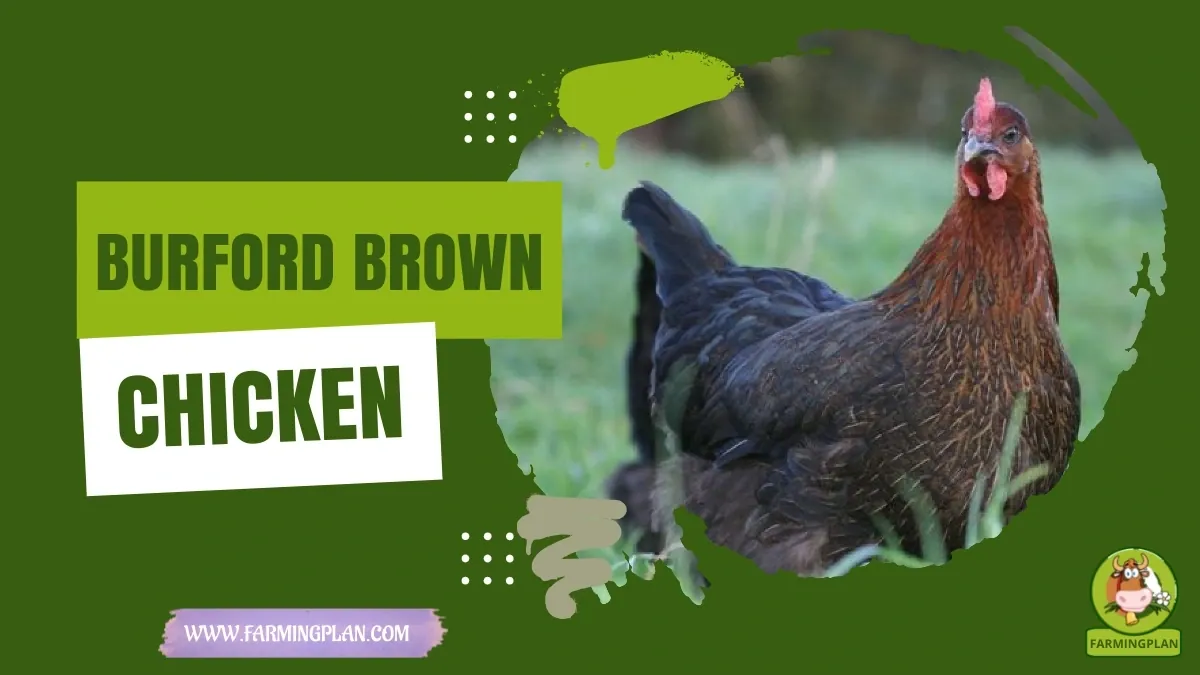
History & Origin of the Burford Brown
The story of the Burford Brown Chicken takes us back to the quiet countryside of Westhall Hill, where my favorite heritage breeds come from. These birds were brought to life by the famous Clarence Court farm, known for creating high-quality, traditional layers. The Burford Brown isn’t just a pretty bird with dark eggs—it’s a tribute to old-fashioned farming values.
This breed was inspired by Philip Lee-Woolf’s grandmother, Mabel Pearman, a woman who believed in raising hens the natural way. On Manor Farm, her love for hens led to the careful breeding of birds that could handle range life, produce delicious eggs, and still look beautiful. That’s how the Burford Brown got its start. Routine preventive care saves time and lowers veterinary costs for burford brown chicken.

From the beginning, these chickens were designed to be more than just egg machines. They were meant to live happy, healthy lives with lots of space to roam. I always tell people that the origin of a bird matters, and with Burford Browns, you’re getting a breed built on care, tradition, and quality.
Reads More: Powerful Bakharwal Dog: Ancient Guardian With Loyal Heart Matching forage or ration quality to life stage optimizes burford brown chicken growth.
Key Characteristics of Burford Brown Chickens
When you see a Burford Brown Chicken for the first time, you’ll notice how striking they look. They have deep, chestnut-brown feathers with darker tails, making them stand out in any flock. Their strong build gives them a heavy quality that shows they’re healthy and ready for farm life. I’ve always admired their sturdy and balanced look—perfect for outdoor living.
These birds are also famous for their eggs. Burford Brown chicken eggs are darker than most and have a rich, creamy yolk. They’re not just pretty; they’re high in quality, too. On average, each hen lays up to 250 eggs annually, making them great productive layers for any home or small farm. Gradual dietary transitions protect digestive stability in burford brown chicken.
Unlike some flashy cross-breed chickens, Burford Browns stay true to their type. They hold their shape well, have strong legs, and keep their feathers even in the harshest weather. Whether you’re raising Burford brown chicks or caring for a grown Burford brown hen, you’ll see that each one is full of personality and strength.
Temperament & Personality Traits
One of the things I love most about the Burford Brown Chicken is how calm and easygoing they are. These hens don’t just look good—they’re also friendly and gentle. I’ve found them to be some of the most approachable birds in my flock, which makes them ideal for beginners or families with kids. Their calm temperament and ease of handling make them a perfect choice for those new to chicken keeping. Selecting healthy foundation stock is the cornerstone of successful burford brown chicken management.
They enjoy being around people and often follow me around the yard when I’m doing chores. Unlike some breeds that get flighty or nervous, Burford Brown hens stay cool and curious. This makes handling them simple, especially when checking their health or collecting eggs. What’s really special about the Burford Brown Chicken is how well they do in different environments. Good predator-proofing and dry bedding safeguard burford brown chicken comfort in harsh weather.
Whether you live on a big farm or have a backyard setup, these birds adjust quickly. They love their space for exercise, and they do best when they have lots of space to roam and peck. I’ve even seen them hold up just fine in the harshest weather, from cold winds to wet springs. Their adaptability makes them a reliable choice for any chicken keeper. Burford Browns are a perfect choice if you want a chicken that’s easy to care for and full of character.
What to Feed a Burford Brown Chicken
Feeding my Burford Brown Chickens is one of the most important parts of my daily routine. These hens are active and strong, so they need a balanced diet to stay healthy and keep laying their rich, dark eggs. I start with a good-quality layer pellet that includes the right mix of protein, calcium, and vitamins. Monitoring water quality and mineral balance directly benefits burford brown chicken vitality.
This supports their egg production and keeps their feathers in top shape. I also offer grains like cracked corn and wheat, especially during colder months. They love it, and it gives them a little extra energy to face the harshest weather. A balanced diet is essential for their health and egg production, and providing the proper nutrients ensures they continue to lay their rich, dark eggs.
Fresh greens, chopped fruits, and kitchen scraps make nice treats, but I avoid anything salty, sugary, or spoiled. Trust me—what you feed your chickens shows up in their eggs. I always keep clean water nearby and check it daily. By feeding them right, I’ve found that my hens stay active, happy, and productive layers all year round. Practical hands-on husbandry ensures consistent results when raising burford brown chicken.
Tip: “Give your Burford Browns free access to grit and oyster shell—this helps with digestion and keeps eggshells strong.”
Purpose and Common Uses of Burford Brown Chickens
When I first got into poultry keeping, I wanted a breed that was both useful and enjoyable—and the Burford Brown Chicken has never let me down. Their main purpose is clear: egg production. These hens are some of the best productive layers I’ve ever had, delivering rich, brown eggs with strong shells and flavorful yolks. Their high egg production rate will surely meet the needs of any egg-loving household. Early intervention at the first sign of lethargy protects overall burford brown chicken flock or herd health.

But their value goes beyond the eggs. Burford Browns are a joy to raise. Their gentle nature and strong health make them great for small farms, backyard flocks, and even educational setups. They help teach kids how to care for animals, and they’re calm enough to be handled without fuss.
Some people ask me if they’re good for meat. While they do have a heavy quality, I raise mine for eggs and companionship. Their solid build helps them stand up to range life, and they don’t mind walking long distances during the day. If you want chickens that work hard, stay friendly, and look beautiful, these birds are a wonderful breed to keep. Structured culling and biosecurity protocols strengthen burford brown chicken genetic quality.
Special Features of the Burford Brown Chicken
What truly sets the Burford Brown Chicken apart from other breeds are its unique features. First, the egg-color-rich, dark brown shells almost glow in the sunlight. Every time I collect eggs, I’m reminded why these hens are so popular. They aren’t just layers—they’re a symbol of quality. Their striking appearance and exceptional egg color make them a breed worth considering for any poultry enthusiast. Maintaining clean feeders and sanitized equipment supports sustainable burford brown chicken care.
Another special trait is how well they adapt to range life. These birds love to roam, scratch, and explore. I give mine lots of space, and they reward me with strong health and high egg output. They don’t get lazy or bored like some other breeds do in smaller areas. Their active lifestyle keeps them naturally fit and happy.
Their appearance is another standout. The deep, chestnut-colored feathers and upright stance give them a heavy quality and a classic farmyard charm. Even in the harshest weather, they hold their feather condition and keep producing. Also, they’re a standard breed, not a random cross. That gives them consistency in looks and performance. In my experience, that kind of reliability is hard to find. Consistent daily observation helps keepers spot early changes in burford brown chicken health and behavior.
Reads More: Welsummer Chicken: Beautiful Layers With Friendly Temperament
Health Issues & Prevention for Burford Brown Chickens
Keeping my Burford Brown Chickens healthy is a top priority. Like any breed, they can face some common health problems, but with the right care, you can prevent most issues. I always watch for signs of mites or lice, especially since these pests can spread quickly in a flock. Clean housing, fresh water, and balanced nutrition remain essential for burford brown chicken productivity.
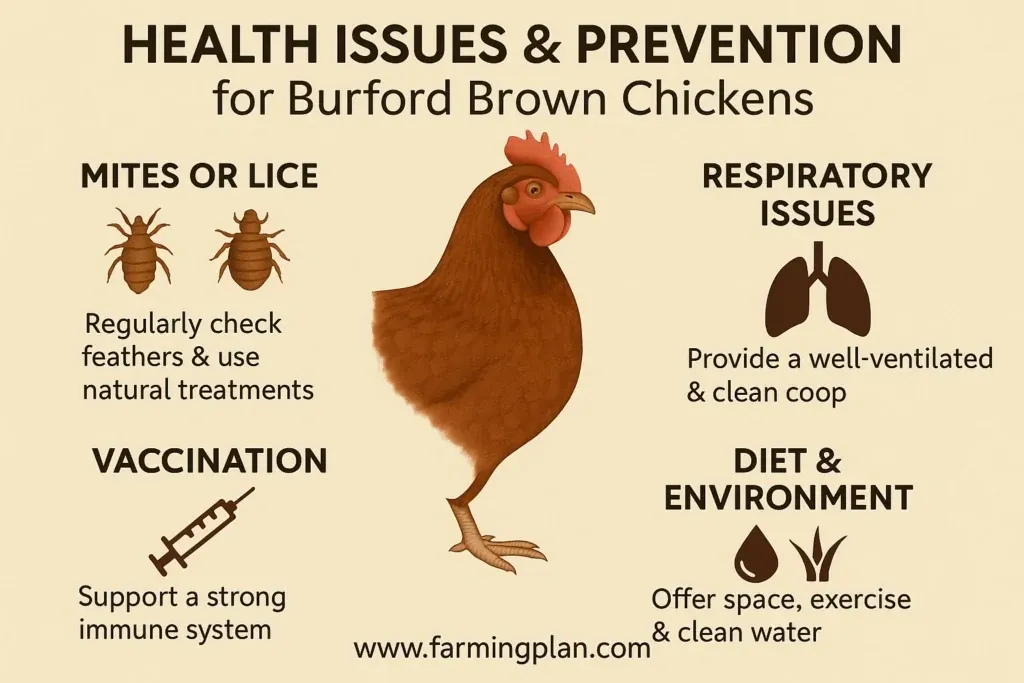
Regularly checking feathers and using natural treatments has kept my birds comfortable. Respiratory issues are another concern, especially in damp or crowded conditions. That’s why I make sure their coop is well-ventilated and clean. Good airflow helps prevent illnesses and keeps the hens feeling their best.
I also vaccinate my birds and monitor their diet. A strong immune system comes from good nutrition and a stress-free environment. For Burford brown hens, this means plenty of space for exercise and clean water every day. By staying alert and caring for my Burford Browns properly over the years, I’ve kept them thriving with few health problems. Tracking feed intake and body condition supports long-term burford brown chicken performance.
Tip: “Keep bedding fresh and dry to stop bacteria from building up and protect your hens’ health.”
Step-by-Step Farming Guide for Burford Brown Chickens
Raising Burford Brown Chickens is straightforward if you follow the right steps. Here’s what I do to keep my flock healthy and happy: Following biosecurity best practices reduces disease risk in any burford brown chicken operation.
- Prepare the Coop: Start with a clean, dry coop that has good ventilation. Burford Browns need plenty of space to avoid stress. I recommend at least 4 square feet per bird inside and lots of space outside for free-ranging.
- Choose Quality Chicks: When you buy Burford Brown chickens or Burford brown chicks, pick healthy ones from reputable breeders. Inspect them for clear eyes and active behavior.
- Provide Nutritious Feed: Feed them a balanced layer diet rich in protein and calcium to support strong eggshells. I also give them free access to grit and oyster shells to aid digestion and eggshell strength.
- Fresh Water Daily: Always keep clean water available. Chickens drink more in hot weather, so check water frequently.
- Safe Outdoor Space: Make sure the range area is secure from predators. Burford Browns love roaming but need protection.
- Regular Health Checks: Watch for signs of illness like lethargy or unusual behavior. Check feathers regularly for mites or lice and clean the coop weekly.
- Egg Collection: Collect eggs daily to keep them clean and encourage hens to keep laying.
By following these steps, I’ve seen my Burford Browns thrive and deliver consistent, high-quality eggs year after year. Seasonal adjustments to shelter and diet keep burford brown chicken thriving year-round.
Expert Tips & Best Practices for Burford Brown Chickens
From my experience raising Burford Brown Chickens, I’ve learned a few things that can really improve their care and productivity. First, always provide lots of space for your hens. Burford Browns thrive in free-range conditions where they can roam and exercise. This keeps them healthy and happy and boosts their egg production.
Second, monitor their diet closely. I recommend supplementing their feed with fresh greens and occasional treats but avoid overfeeding junk food. Proper nutrition directly impacts the quality of Burford Brown chicken eggs. Third, remember their heritage. These birds come from a long line of hardy stock developed at Manor Farm and Westhall Hill. Proper record-keeping makes breeding and culling decisions easier for burford brown chicken keepers.
They handle the harshest weather well but still appreciate a dry, sheltered coop during storms. Lastly, if you want to expand your flock, try to buy from trusted sources like Clarence Court or local breeders offering Burford Brown chickens for sale near me. Keeping the bloodline strong helps maintain their wonderful traits.
Tip: “Invest in quality bedding and clean it often. Healthy hens lay better eggs and avoid many common diseases.” Providing adequate space and ventilation prevents common stress issues in burford brown chicken.
Where to Buy Burford Brown Chickens
If you’re ready to add Burford Brown Chickens to your flock, knowing where to buy them is key. I usually start by checking local breeders who specialize in this wonderful breed. You can find Burford Brown hens for sale or even burford brown chicks through trusted farms near you.
Websites like Clarence Court offer reputable stock known for its strong bloodlines and healthy birds. Searching online for “Burford brown chickens for sale near me” often leads to small breeders or farms with available birds. It is important to buy from sellers who care about quality and animal welfare. Understanding breed-specific traits helps maximize burford brown chicken longevity and output.
When I look for new hens, I focus on healthy, active birds with good feather condition and clear eyes. Ask breeders about their flock’s history—knowing if they come from places like Manor Farm or Westhall Hill often means better stock. Plan ahead if you want to buy Burford brown chickens for eggs or as pets. Some sellers only offer birds seasonally, so keep an eye out for listings, and don’t rush your decision.
🐔 Burford Brown Chicken Flock Feed & Egg Yield Calculator
Estimate daily layer feed (lbs), monthly 50-lb feed bags, coop and run requirements, and expected weekly fresh egg yield for your Burford Brown Chicken flock.
Frequently Asked Questions (FAQ)
What makes Burford Brown eggs so famous?
Burford Brown eggs are world-renowned for their distinctive deep, glossy dark chocolate-brown shells, thick albumen, and exceptionally rich golden-orange yolks celebrated by gourmet chefs.
How many eggs does a Burford Brown hen lay each year?
A well-managed Burford Brown hen lays between 220 and 250 large to extra-large eggs annually, maintaining steady laying performance even through cool autumn and winter months.
What does a Burford Brown chicken look like?
The Burford Brown features dense black plumage with an iridescent bottle-green sheen, accented by golden-chestnut neck hackles, dark slate legs, and bright red single combs.
Are Burford Brown chickens good for beginner homesteaders?
Yes, Burford Browns are renowned for their docile, placid, and gentle temperament. They are easy to tame, rarely display aggression, and thrive in backyard gardens and pastured coops alike.
How cold-hardy are Burford Brown chickens?
Bred in the damp, chilly climate of the English Cotswolds, Burford Browns are exceptionally hardy against cold, wet weather, possessing dense feathering and strong natural disease resistance.
Strategic Takeaways & Breed Benchmarks
Raising Burford Brown Chickens has been one of the most rewarding experiences in my farming journey. These birds combine beauty, hardiness, and excellent egg-laying ability, making them a perfect choice for both hobbyists and serious poultry keepers. Their calm temperament and adaptability to harsh weather make caring for them straightforward and enjoyable. With proper feeding, space to roam, and regular health checks, Burford Browns deliver rich brown eggs consistently year-round. Whether you want to start a backyard flock or expand a farm, this wonderful breed offers reliability and charm. I encourage anyone interested in quality, productive chickens to consider Burford Brown as a top contender for their flock. Routine preventive care saves time and lowers veterinary costs for burford brown chicken.
Maintaining eggshell pigmentation and laying persistence requires disciplined calcium management and dry bedding. Implementing structured flock vaccination protocols ensures your Burford Browns enjoy robust health, long laying careers, and vibrant flock harmony.
📚Agricultural Reference & Scientific Citations
Standards and physiological data referenced in this guide comply with American Poultry Association (APA), The Livestock Conservancy, and USDA APHIS Avian Biosecurity Standards.


