

Quick Facts: Bourbonnais Grey Rabbit Breed Profile
| Scientific Name | Oryctolagus cuniculus |
| Breed Classification | Medium Heritage Meat & Fur Breed (French Origin) |
| Mature Body Length | 13 to 16 inches body length |
| Adult Body Weight | 8.5 to 11.5 lbs (3.8 to 5.2 kg) |
| Coat & Fur Type | Dense, supple slate-grey coat with uniform slate underfur, marble-grey eyes, and clean ear margins |
| Temperament | Hardy, active, docile, reliable breeder, alert and composed |
| Homestead Utility | Farmstead meat self-sufficiency, dense grey pelt craft utility, exhibition standard |
| Daily Nutritional Need | Unlimited mixed meadow grass hay plus 1/2 cup 15% protein pellets supplemented with fresh fibrous greens |
| Husbandry Frequency | Weekly hutch scraping, twice-weekly brush groom during molt, regular crock sanitation |
The Bourbonnais Grey Rabbit stands among the most efficient, gentle, and productive domestic rabbit breeds available to modern homesteaders, smallholders, and heritage breed preservationists. Known for its remarkable feed-to-meat conversion ratio, luxurious pelt quality, and calm cage demeanor, this lagomorph provides sustainable household protein and premium fertilizer on minimal acreage. Reviewing our comprehensive guide to homestead rabbit farming and breeding colony management helps keepers establish clean, high-producing cuniculture facilities tailored to animal welfare. Consistent daily observation helps keepers spot early changes in Bourbonnais Grey Rabbit health and behavior.
Successful rabbit farming requires a deep understanding of hindgut caecal fermentation, thermal stress limits, nest box sanitation, and strict biosecurity. Unlike ruminant livestock, rabbits possess sensitive digestive systems that require continuous indigestible long-stem fiber to prevent fatal gastrointestinal hypomotility. The Bourbonnais Grey Rabbit rewards disciplined caretakers with rapid fryer growth and steady reproductive performance.
Historical Origins & Breed Conformation Standards
Originating in the historic Bourbonnais province of central France in the early 20th century, selected by local smallholders for superior rustic hardiness and rich meat quality.
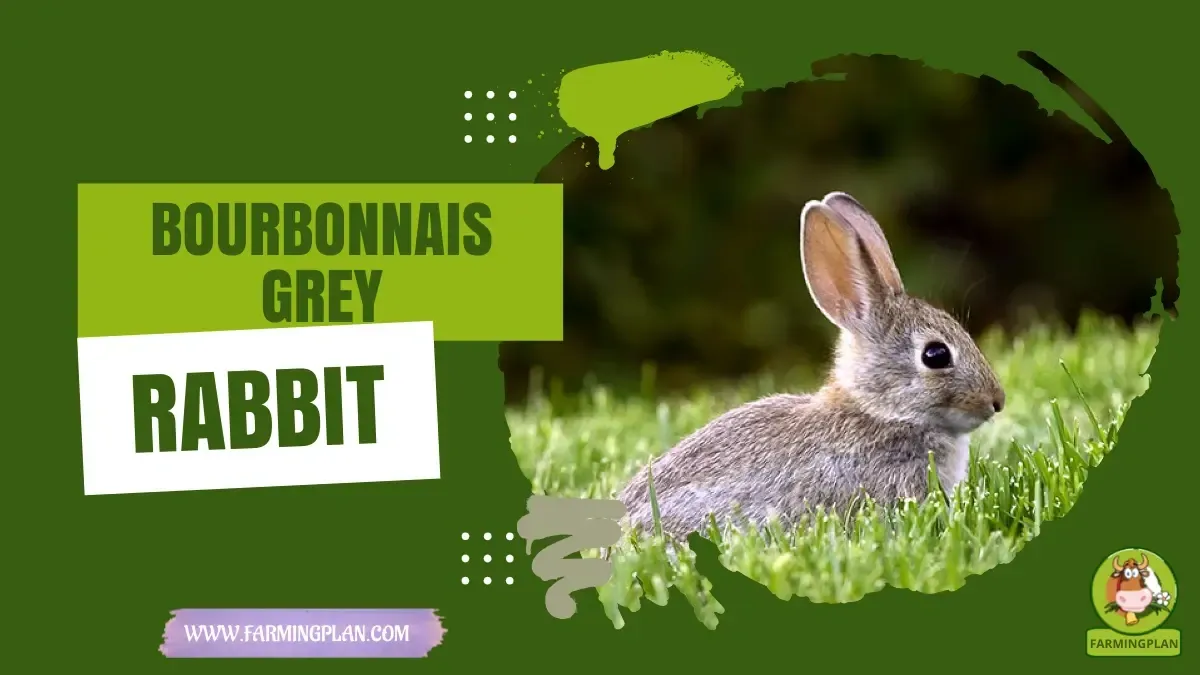
Official breed standards set forth by the American Rabbit Breeders Association (ARBA) and European cuniculture federations emphasize commercial meat type: a well-rounded cylindrical loin, broad shoulders, and deep meaty hindquarters. For the Bourbonnais Grey Rabbit, the standard calls for dense, supple slate-grey coat with uniform slate underfur, marble-grey eyes, and clean ear margins paired with strong upright ears and clean bone development. Every conformational trait supports rapid muscle deposition and pelt durability.
Judges and breeders inspect the top-line arch, checking for fullness across the hips without bony protuberances. Dewlaps in breeding does must remain moderate and symmetrical, never interfering with movement or grooming. Selecting prospective breeding stock that conforms strictly to breed standards maintains herd prolificacy and reduces kit mortality. Clean housing, fresh water, and balanced nutrition remain essential for Bourbonnais Grey Rabbit productivity.
Behavioral Traits, Temperament & Colony Handling
In terms of temperament, the Bourbonnais Grey Rabbit is distinguished by its hardy, active, docile, reliable breeder, alert and composed. In quiet rabbitry settings, these animals show minimal territorial aggression, allowing easy hand-feeding and daily health checks. Their calm nervous system helps prevent sudden panic thumping that can fracture hind legs or dislodge growing kits in the nest.
Early gentle handling from weaning onward establishes tameness and trust. Rabbits are sensitive prey animals that respond best to quiet voices, slow hand movements, and predictable feeding times. Always lift rabbits by supporting the chest with one hand while firmly cradling the heavy hindquarters with the other to avoid spinal injury.
When planning a diverse homestead rabbitry, evaluating compatible companion stock prevents cross-contamination and housing friction. Comparing notes on companion breeds such as the Blanc de Termonde rabbit guide provides valuable perspective on selecting complementary meat and fur lines.
Hutch Enclosures, Ventilation & Temperature Control
Housing infrastructure is critical to rabbit survival and respiratory health. Hutch enclosures for the Bourbonnais Grey Rabbit should measure at least 36 inches wide by 30 inches deep and 18 inches high per adult breeding doe. Enclosures must provide superior cross-ventilation to evacuate toxic ammonia fumes and airborne moisture, which trigger pasteurellosis snuffles.
Flooring requires careful balance: 14-gauge galvanized wire mesh (1/2 by 1 inch) allows droppings to fall cleanly into collection trays beneath, while a solid plastic or wooden resting board must be included to give paw pads relief from wire pressure. In outdoor sheds, all openings must be screened with hardware cloth to exclude raccoons, snakes, and feral rodents. Tracking feed intake and body condition supports long-term Bourbonnais Grey Rabbit performance.
Thermal management remains essential: domestic rabbits tolerate cold temperatures well down to freezing when shielded from drafts, but they suffer acute heat stroke at temperatures above 85°F (29°C). During hot summer spells, rabbitries must utilize evaporative cooling misting fans, frozen water bottles in cages, and continuous shade to keep ambient temperatures below danger thresholds.
Nutritional Strategy, Forage Fiber & Water Protocols
The lagomorph digestive system functions as a complex hindgut fermentation chamber. The cecum houses trillions of symbiotic microbes that ferment digestible fiber into volatile fatty acids and nutrient-dense cecotropes. The baseline diet for the Bourbonnais Grey Rabbit must provide Unlimited mixed meadow grass hay plus 1/2 cup 15% protein pellets supplemented with fresh fibrous greens. Indigestible long-stem fiber keeps the gut motility moving continuously.
Unlimited first-cut timothy, orchard grass, or meadow brome hay must constitute 80% to 85% of total daily feed intake. Chewing long coarse hay wears down open-rooted incisors and molars naturally, preventing debilitating malocclusion. Pellets should be fed in measured portions to avoid obesity, choosing brands with at least 18% crude fiber and no added sweet corn or seeds.
Water access must be absolute and uninterrupted. A single dry water bottle for just 12 hours during summer can induce fatal dehydration and digestive shutdown. Heavy ceramic crocks or freeze-protected nipple drinking systems delivering fresh cool water (50°F to 65°F) ensure optimal caecal hydration. Learn more about balanced rabbit feeding in our homestead rabbit farming and breeding colony management.
Breeding Management, Kindling & Kit Development
Rabbits are induced ovulators capable of breeding year-round, with peak fertility occurring during spring and autumn daylight cycles. Does reach reproductive maturity at 6 to 8 months of age. Always bring the doe to the buck’s cage for mating; placing the buck into the doe’s territory often results in territorial fighting rather than successful service. Breeders interested in comparing housing, diet, and productivity traits should see our Cuban Brown Rabbit husbandry guide. Following biosecurity best practices reduces disease risk in any Bourbonnais Grey Rabbit operation.
Gestation spans an average of 30 to 32 days. On day 28, sanitize and introduce an enclosed wooden or metal nest box packed with clean pine shavings and soft coastal hay. The doe will pull fur from her dewlap and flanks to construct a warm insulated nest. Kindling typically occurs in early morning, producing litters of 6 to 10 altricial, hairless kits.
Does nurse their kits only once or twice every 24 hours, delivering concentrated milk that nourishes kits throughout the day. Check the nest box daily to ensure kits possess plump, rounded bellies. Kits open their eyes at 10 to 12 days and begin nibbling fine hay at two weeks. Wean litters gradually at 6 to 8 weeks onto adult forage rations.
Preventive Medicine, Health Protocols & Biosecurity
A proactive healthcare program keeps the rabbitry disease-free. In North America and Europe, annual vaccination against Rabbit Hemorrhagic Disease Virus Serotype 2 (RHDV2) is critical to protect against sudden viral liver necrosis. Quarantining all new breeding additions for 30 days prevents the introduction of latent respiratory pathogens.
Common health concerns focus heavily on GI hypomotility stasis, pasturella snuffles, malocclusion, heat stress. In particular, The Bourbonnais Grey has an extraordinarily efficient digestive system that thrives on rough fibrous forage. Avoid over-feeding high-starch grain pellets, which disrupt caecal microbial fermentation and trigger mucoid enteropathy. Biosecurity benchmarks from the USDA APHIS Rabbit Health Program emphasize rigid fly control and immediate isolation of any rabbit exhibiting nasal discharge or lethargy.
Monitor litter trays daily for normal fecal pellet output. Small, dry, or mucus-covered droppings indicate early GI hypomotility (stasis), requiring immediate hydration, simethicone, and critical care syringe feeding. Routine nail trimming every 4 to 6 weeks prevents torn dewclaws and foot injuries. Seasonal adjustments to shelter and diet keep Bourbonnais Grey Rabbit thriving year-round.
Sanitation routines must be maintained without compromise. Weekly hutch scraping, twice-weekly brush groom during molt, regular crock sanitation Torching wire hutches with a propane flame or sanitizing with a 10% bleach solution effectively eliminates resistant coccidial oocysts and fur mite eggs.
Estimated Annual Budget & Financial Analysis
Realistic financial accounting ensures profitable homestead meat production and sustainable companion care. The itemized budget table below reflects capital start-up expenses alongside recurring annual costs for operating a productive breeding trio (1 buck and 2 does) of Bourbonnais Grey Rabbit rabbits.
Estimated Ownership Budget: Bourbonnais Grey Rabbit (Breeding Trio)
| Cost Category | Detailed Specifications | First Year Initial Setup | Recurring Annual Expense |
|---|---|---|---|
| Breeding Stock | Pedigreed breeding trio (1 buck, 2 does) with health certificates | $150 – $360 | $0 |
| Hutches & Cages | All-wire cages, drop pans, resting mats, outdoor shade shelter | $350 – $750 | $50 – $120 |
| Hay & Forage Supply | Premium first-cut timothy/orchard grass bales (approx. 20 bales) | $200 – $320 | $200 – $320 |
| Commercial Pellets | Quality 16% protein extruded rabbit pellets (50 lb bags) | $140 – $220 | $140 – $220 |
| Veterinary & Vaccines | Annual RHDV2 vaccines, fecal exams, coccidia preventatives | $120 – $250 | $100 – $200 |
| Feeders & Drinkers | Heavy J-feeders, automatic freeze-proof waterers, hay racks | $60 – $120 | $20 – $40 |
| Bedding & Sanitizers | Nest box shavings, drop pan pine pellets, virucidal spray | $90 – $160 | $80 – $150 |
| Total Budget | Comprehensive rabbitry investment and annual upkeep | $1,110 – $2,180 | $590 – $1,050 / year |
🐇 Bourbonnais Grey Rabbit Daily Hay & Pellet Calculator
Calculate daily Timothy hay (unlimited bulk), pellet rations, fresh greens, and clean water intake for your Bourbonnais Grey Rabbit.
Frequently Asked Questions (FAQ)
Is the Bourbonnais Grey Rabbit suitable for meat homesteading?
Yes, their high meat-to-bone ratio, rapid fryer development, and calm hutch disposition make the Bourbonnais Grey Rabbit one of the most practical breeds for home protein production.
What do Bourbonnais Grey Rabbit rabbits eat daily?
They consume approximately Unlimited mixed meadow grass hay plus 1/2 cup 15% protein pellets supplemented with fresh fibrous greens, consisting primarily of unlimited grass hay supplemented with measured pellets and fresh clean water.
What is the average litter size of a Bourbonnais Grey Rabbit doe?
A healthy doe delivers an average litter of 6 to 10 vigorous kits, demonstrating excellent maternal brooding instincts and abundant milk production.
What is the lifespan of a Bourbonnais Grey Rabbit?
Provided with clean shelter, an unbroken high-fiber diet, and protection from heat stress, the Bourbonnais Grey Rabbit lives between 7 and 10 years in good health.
How do you prevent sore hocks in Bourbonnais Grey Rabbit rabbits?
Supply smooth solid resting boards or thick straw mats over wire mesh floors to relieve pressure on the heavy foot pads of this large-bodied breed.
How often should hutches be cleaned for Bourbonnais Grey Rabbit?
Weekly hutch scraping, twice-weekly brush groom during molt, regular crock sanitation Daily removal of wet waste and weekly deep sanitation prevent flystrike and respiratory infections.
Expert Verdict & Next Steps for US Homesteaders
The Bourbonnais Grey Rabbit stands as an extraordinary cuniculture breed, delivering high-quality lean protein, luxury pelt value, and rich compostable garden manure with exceptional biological efficiency. Their quiet disposition and low environmental footprint make them a cornerstone asset for self-reliant homesteaders.
By establishing well-ventilated hutches, maintaining an unbroken high-fiber timothy hay diet, and adhering strictly to RHDV2 vaccination biosecurity, you will build a thriving, productive rabbitry. Discover additional practical management strategies in our comprehensive homestead rabbit farming and breeding colony management guide to expand your homestead animal systems.
📚Agricultural Reference & Scientific Citations
Standards and physiological data referenced in this guide comply with American Rabbit Breeders Association (ARBA), USDA APHIS Animal Health, and the FAO Domestic Animal Diversity Information System.


