

⚡ Cuban Brown Rabbit at a Glance: Key Specifications & Benchmarks
| Scientific Classification | Oryctolagus cuniculus domesticus (Tropical Meat Breed) |
| Breed Origin | Republic of Cuba (Standardized at the El Cangre Genetic Farm) |
| Ancestral Composition | Developed from Flemish Giant, Criollo, and Californian stock |
| Mature Buck Weight | 9.0 to 11.0 lbs (4.1 to 5.0 kg) |
| Mature Doe Weight | 9.5 to 11.5 lbs (4.3 to 5.2 kg) |
| Primary Production Purpose | Commercial meat production, rustic forage conversion, and tropical breeding |
| Heat Tolerance Rating | Exceptional; thrives in humid tropical temperatures exceeding 92°F (33°C) |
| Forage Utilization Capacity | High digestive efficiency on mulberry, king grass, and sweet potato leaves |
The Cuban Brown rabbit, officially designated in the Caribbean as the Pardo Cubano, stands as one of the most successful agricultural breeding achievements in tropical cuniculture. Developed during the late twentieth century in Cuba to solve animal protein shortages in hot and humid island climates, this specialized meat breed combines heavy commercial muscling with extraordinary thermodynamic resilience. Homesteaders looking to expand their knowledge across diverse species can explore our detailed collection of commercial rabbit farming guides and breed profiles to examine how tropical breeds maximize meat output. Following biosecurity best practices reduces disease risk in any Cuban Brown Rabbit operation.
Conventional European and North American meat rabbits frequently suffer from acute heat prostration, severe feed refusal, and reproductive failure when temperatures exceed 85°F (29°C). In sharp contrast, the Cuban Brown rabbit possesses physiological adaptations that allow continuous active breeding and rapid kit growth under intense tropical conditions. Its dense, short hair coat facilitates rapid cutaneous evaporative cooling, while its robust cecal microbiome efficiently ferments tropical pasture legumes and tree leaves without inducing lethal digestive stasis. Seasonal adjustments to shelter and diet keep Cuban Brown Rabbit thriving year-round.
Establishing a sustainable herd of Cuban Brown rabbits offers commercial meat producers and homesteaders an economical pathway to high-quality meat. By implementing well-ventilated housing structures, balanced tropical forage rations, and strict biosecurity protocols, breeders can achieve outstanding litter weaning rates. This comprehensive operational manual outlines the historical lineage, anatomical traits, tropical feed compounding, housing design, disease management, and production economics for the Cuban Brown rabbit.
Physical Characteristics & Breed Standards
Conformationally, the Cuban Brown rabbit presents a substantial, broad, and semi-arched commercial meat profile characterized by heavy bone density and prominent muscle mass across the hindquarters. Adult does generally outweigh bucks slightly, presenting wide pelvic structures and well-formed dewlaps that signify exceptional maternal capability. The back is broad, well-filled across the loin, and seamlessly transitions into deep, rounded thighs that yield superior dressing percentages. Proper record-keeping makes breeding and culling decisions easier for Cuban Brown Rabbit keepers.
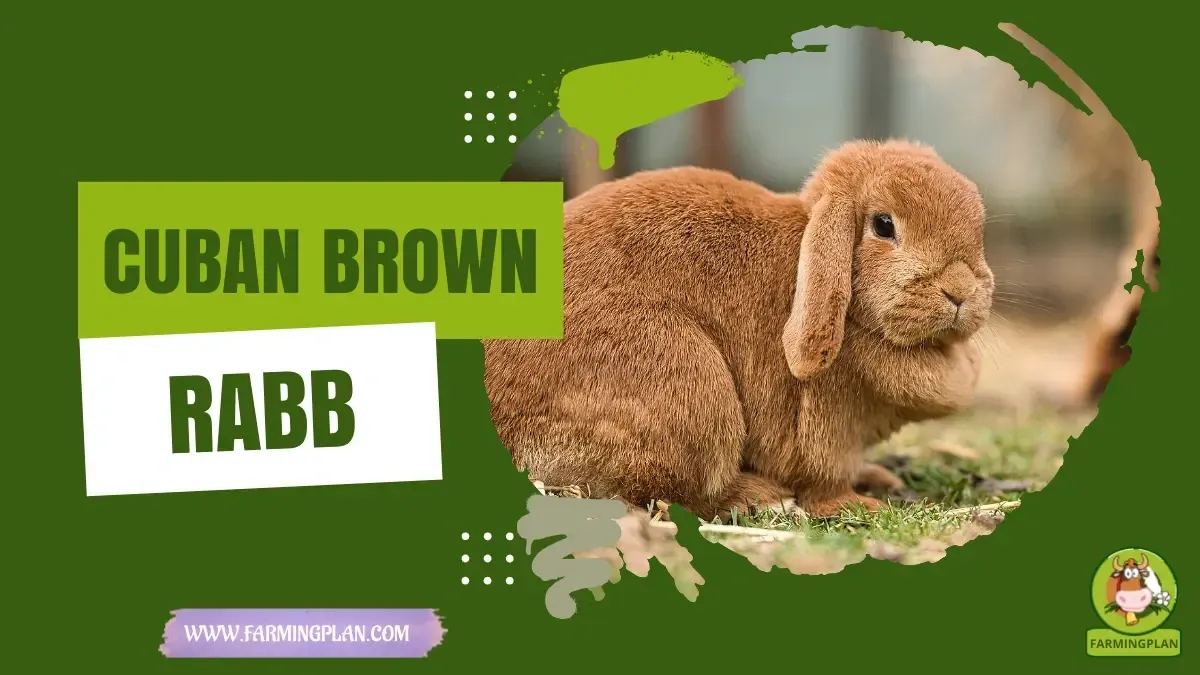
The breed’s defining physical feature is its lustrous cinnamon to reddish-brown coat, which gives the Pardo Cubano its distinctive appearance. The fur is commercial flyback type, measuring between 1.0 and 1.25 inches in length, exhibiting a fine undercoat beneath resilient, glossy guard hairs. The abdominal surface, inside of the legs, and underside of the tail show a paler cream or fawn shade, providing an attractive contrast against the rich mahogany-brown mantle.
Conformation Standards & Anatomical Structure
Head structure in the Cuban Brown rabbit displays notable sexual dimorphism. Mature bucks possess a broad, bold head with slightly arched nasal profiles, thick whisker pads, and muscular jowls. Does feature a slightly more refined, wedge-shaped head with a streamlined contour that balances the heavier hind body. The ears are held stiffly erect in a classic V-shape, exhibiting fine venous networks that actively dissipate excess metabolic body heat during hot midday hours. Providing adequate space and ventilation prevents common stress issues in Cuban Brown Rabbit.
Bone structure throughout the limbs is strong, straight, and heavily muscled, allowing these medium-to-large rabbits to support their weight comfortably on wire flooring without developing ulcerative pododermatitis. The footpads are thickly padded with coarse fur, providing natural cushioning against moisture and friction. Nails are uniform, pigmented dark horn or slate brown, matching the rich earthy tones of the outer coat.
Size, Weight Benchmarks & Color Variations
Adult bucks consistently scale between 9.0 and 11.0 pounds (4.1 to 5.0 kg), while mature working does achieve 9.5 to 11.5 pounds (4.3 to 5.2 kg). Young fryers achieve rapid early growth, scaling 4.5 to 5.0 pounds (2.0 to 2.3 kg) by 10 to 12 weeks on high-forage rations. Understanding breed-specific traits helps maximize Cuban Brown Rabbit longevity and output.
This balanced body mass places the Pardo Cubano squarely in the ideal commercial meat category, producing substantial primal loin cuts and meaty hind legs while maintaining a higher metabolic efficiency than giant breeds.
⚡ Cuban Brown Rabbit Performance & Production Matrix
| Evaluation Metric | Pardo Cubano Benchmark | Commercial Hybrid Baseline | Management Application |
|---|---|---|---|
| Tropical Heat Tolerance | Thrives in temperatures exceeding 92°F (33°C) | Suffers heat stress above 85°F (29°C) | Enables active year-round breeding in warm southern states. |
| Tropical Forage Conversion | Converts up to 50% fresh tree legumes & browse | Requires 90%+ commercial pellet concentrate | Dramatically reduces commercial feed grain expenses. |
| Average Litter Prolificacy | Kindles 8 to 11 vigorous kits per litter | Kindles 7 to 10 kits per litter | Produces high annual fryer volumes with steady milk yield. |
| Market Fryer Harvest Age | Reaches 4.5 – 5.0 lbs at 10 to 12 weeks of age | Reaches 4.5 – 5.0 lbs at 9 to 11 weeks of age | Delivers tender, lean meat with excellent bone-to-meat ratio. |
| Carcass Dressing Yield | Yields 58% to 62% clean warm dressed carcass | Yields 57% to 60% dressed carcass | High primal yield across loin and hindquarter sections. |
| Ulcerative Pododermatitis Resistance | Superior fur padding on hocks and soles | Moderate susceptibility to wire floor sores | Eliminates hock lesions when housed on heavy wire mesh. |
Breed History, Heritage & North American Development
The historical genesis of the Cuban Brown rabbit emerged during the 1970s and 1980s under agricultural initiatives led by the Cuban Animal Production Institute (ICA) and ACPA. Seeking to establish domestic animal protein sovereignty without depending on imported cereal grain feeds, Cuban agronomists crossed acclimatized Criollo rabbits with Flemish Giants and Californian meat lines at the El Cangre Genetic Station. Routine preventive care saves time and lowers veterinary costs for Cuban Brown Rabbit.
Decades of intensive selection favored individuals that demonstrated accelerated growth while consuming cut tropical forages like sweet potato vines and mulberry. Today, research documented by the Food and Agriculture Organization (FAO) celebrates the Pardo Cubano as a premier example of sustainable tropical cuniculture. To contrast tropical rabbit farming with standard commercial meat rabbit setups, review our complete guide on the Californian meat rabbit breed.
Housing, Shelter Dimensions & Winter Hardiness
Housing architecture for Cuban Brown rabbits requires thoughtful thermodynamic design that emphasizes continuous shade, open airflow, and protection from driving tropical precipitation. Because these heavy-bodied rabbits produce substantial metabolic heat, keeping them inside unventilated, enclosed barns is dangerous. Matching forage or ration quality to life stage optimizes Cuban Brown Rabbit growth.
The most effective housing structure is an open-sided elevated pavilion shed with deep roof overhangs extending at least 3 feet beyond cage lines. Corrugated aluminum or galvanized metal roofing coated with white reflective paint reflects solar radiation, lowering ambient temperatures beneath the canopy by 8°F to 12°F.
Spatial Density & Enclosure Engineering
Individual breeding cages should measure at least 36 inches wide, 30 inches deep, and 18 inches high (7.5 square feet of floor area) to accommodate mature does and their litters comfortably. Floors must be constructed from heavy 14-gauge galvanized-after-welding wire with 0.5 x 1.0 inch spacing, accompanied by smooth resting boards. Gradual dietary transitions protect digestive stability in Cuban Brown Rabbit.
Automated pressurized nipple watering systems connected to shaded storage reservoirs are mandatory. In humid summer weather, adult rabbits consume over 1.5 liters of cool water daily. Ensuring farm security against exterior predators is equally vital; compare canine protection methods in our profile of the Spanish Mastiff working dog.
Nutritional Requirements, Daily Rations & Feeding Protocols
Feeding management for the Cuban Brown rabbit offers outstanding economic flexibility. While commercial operations can utilize standard 16% to 18% crude protein pellets, the breed’s standout value lies in its exceptional capacity to convert fresh, farm-grown tree browse and tropical legumes into lean muscle. Review related rabbit diet principles in our guide to the American Chinchilla heritage rabbit. Selecting healthy foundation stock is the cornerstone of successful Cuban Brown Rabbit management.
According to research published by Texas A&M AgriLife Extension, incorporating wilted high-protein foliages such as Mulberry (Morus alba), Trichanthera, and sweet potato vines can safely replace 40% to 50% of purchased commercial pelleted rations without compromising fryer finishing rates. Good predator-proofing and dry bedding safeguard Cuban Brown Rabbit comfort in harsh weather.
Crude Protein Benchmarks Across Life Stages
Breeding does in late gestation and peak lactation should receive free-choice pelleted feed alongside fresh cut green forage and unlimited clean grass hay (such as Coastal Bermuda or Timothy). Growing fryers should have unrestricted access to forage and balanced feed until harvest.
Dry mature bucks and resting does require controlled rationing (approximately 4 to 5 ounces of pellets daily) alongside unlimited grass hay to prevent visceral adiposity, which can impair breeding performance. Clean, fresh water must remain accessible twenty-four hours a day. Monitoring water quality and mineral balance directly benefits Cuban Brown Rabbit vitality.
Health Management, Common Diseases & Biosecurity Standards
The Cuban Brown rabbit possesses outstanding natural vitality and resistance to common environmental pathogens, an evolutionary gift from its acclimatized Criollo parentage. Nevertheless, sustaining high herd health requires strict baseline biosecurity and proactive sanitation across the rabbitry.
Ammonia accumulation represents the primary hazard in warm weather, as concentrated fumes irritate sensitive respiratory mucosa and invite secondary bacterial infections like Pasteurella. Manure collection trays should be cleaned twice weekly or treated with agricultural lime to neutralize odors. Practical hands-on husbandry ensures consistent results when raising Cuban Brown Rabbit.
Biosecurity Protocols & Veterinary Defenses
Ear canker mites (Psoroptes cuniculi) can be controlled quickly by administering a few drops of mineral oil or camphorated oil directly into the ear canal at the first sign of head shaking or crusting. Routine herd quarantine for 30 days is strictly enforced for any new incoming breeding stock.
To safeguard against viral threats, rabbits in affected states should receive annual vaccination against Rabbit Hemorrhagic Disease Virus (RHDV2). Regular veterinary fecal floatation checks ensure intestinal coccidiosis remains suppressed. Early intervention at the first sign of lethargy protects overall Cuban Brown Rabbit flock or herd health.
Breeding Management, Reproductive Cycles & Offspring Care
Breeding Cuban Brown rabbits is characterized by reliable year-round libido and exceptional doe prolificacy. Does reach breeding readiness between 5.5 and 6.0 months of age, while young bucks are mature for service at 6.0 months. Mating should always take place by placing the female into the male’s cage to avoid territorial scuffles.
Gestation spans 30 to 32 days, with kindling proceeding smoothly and quickly without human assistance. On day 27 of gestation, provide a sanitized nesting box lined with clean wood shavings and soft meadow hay. Does pull copious amounts of downy underfur to insulate their litters. Structured culling and biosecurity protocols strengthen Cuban Brown Rabbit genetic quality.
Litters average 8 to 11 robust kits that exhibit fast growth on the doe’s rich milk. Kits wean smoothly at 6 to 7 weeks of age, after which they transition to pasture browse and grow-out pens. For multi-species livestock integration ideas, review our management guide on Bovec sheep dairy and meat farming.
US Ownership Budget & Annual Maintenance Costs
Establishing an efficient Cuban Brown rabbitry requires modest initial capital outlay while delivering exceptional returns in lean meat production. Because the breed utilizes farm-grown greens and agro-byproducts, operational feed expenses remain significantly lower than traditional commercial rabbitries. Maintaining clean feeders and sanitized equipment supports sustainable Cuban Brown Rabbit care.
The economic model below provides a clear, transparent projection of startup investments and recurring annual operating costs for a standard 4-doe, 1-buck breeding unit on an American smallholding.
💰 Estimated Annual Budget & Maintenance Costs (USD)
| Budget Category | Item Description & Scope | Initial Capital Outlay | Annual Recurring Expense |
|---|---|---|---|
| Pedigreed Breeding Stock (1B + 4D) | Registered Cuban Brown breeding stock | $200 – $320 | $0 |
| All-Wire Elevated Cages & Stands | 5 commercial wire cages with droppings pans | $350 – $550 | $30 / yr |
| Automatic Nipple Watering System | Header tank, PVC lines, stainless nipples | $90 – $140 | $15 / yr |
| Pelleted Feed & Mineral Supplements | Commercial pellets supplemented with fresh browse | $0 | $280 – $420 / yr |
| Farm-Grown Forage & Hay Supplies | Homegrown mulberry, sweet potato vine, grass hay | $0 | $40 – $70 / yr |
| Nesting Boxes & Bedding Supplies | Heavy galvanized metal nest boxes & shavings | $60 – $100 | $25 / yr |
| Veterinary Care & Parasite Control | Vaccinations, mineral oil, sanitizers | $0 | $50 – $90 / yr |
🐇 Cuban Brown Rabbit Daily Hay & Pellet Calculator
Calculate daily Timothy hay (unlimited bulk), pellet rations, fresh greens, and clean water intake for your Cuban Brown Rabbit.
Frequently Asked Questions (FAQ)
What is the primary origin of the Cuban Brown rabbit?
The Cuban Brown rabbit, or Pardo Cubano, was developed in Cuba by crossing European commercial breeds such as the Flemish Giant and Californian with hardy acclimatized Criollo landraces. It was engineered specifically to produce high volumes of tender meat in tropical and subtropical climates.
How much do mature Cuban Brown rabbits weigh?
Mature Cuban Brown does typically weigh between 9.5 and 11.5 pounds (4.3 to 5.2 kg), while mature bucks weigh between 9.0 and 11.0 pounds (4.1 to 5.0 kg). Fryers reach market weights of 4.5 to 5.0 pounds within 10 to 12 weeks.
Can Cuban Brown rabbits survive on tree leaves and pasture greens?
Yes, one of the breed’s standout biological strengths is its ability to convert cut tropical forages like mulberry leaves, trichanthera, king grass, and sweet potato vines into lean meat, safely replacing up to 50 percent of purchased commercial pellets.
How many kits do Cuban Brown does kindle per litter?
Cuban Brown does regularly kindle litters of 8 to 11 vigorous kits. They are renowned across Central America and the Caribbean for their plentiful milk supply, calm maternal disposition, and exceptional kit weaning rates.
What are the most critical housing requirements for Cuban Brown rabbits?
Cuban Brown rabbits require spacious 36×30 inch cages equipped with wire mesh flooring and plastic resting pads. Housing must be sheltered beneath an open-sided elevated shed with broad roof overhangs, reflective roofing, and continuous airflow to dissipate tropical humidity and heat.
Expert Verdict & Next Steps for US Homesteaders
The Cuban Brown rabbit represents an exceptional biological asset for smallholders and commercial rabbitries operating across warm, humid climates. Its unique combination of heat tolerance, docile temperament, prolific reproduction, and high carcass yields allows producers to maintain robust meat production where European breeds struggle. Consistent daily observation helps keepers spot early changes in Cuban Brown Rabbit health and behavior.
Prospective breeders should focus on engineering open-sided shaded shelters, establishing backyard protein forage plots (such as mulberry and sweet potato), and sourcing healthy breeding stock. With disciplined biosecurity and balanced nutrition, the Pardo Cubano will deliver a sustainable supply of tender, high-protein meat.
📚Agricultural Reference & Scientific Citations
Standards and physiological data referenced in this guide comply with American Rabbit Breeders Association (ARBA), USDA APHIS Animal Health, and the FAO Domestic Animal Diversity Information System.


