

⚡ Beagle-Harrier Dog at a Glance: Key Specifications & Benchmarks
| Scientific Name | Canis lupus familiaris (Scenthound Group / FCI Group 6) |
| Breed Origin | France (Developed by Baron Gérard Grandin de l’Éprevier) |
| Average Mature Male Height | 18.0 to 20.0 inches (45 to 50 cm) at the withers |
| Average Mature Female Height | 17.0 to 19.0 inches (43 to 48 cm) at the withers |
| Average Mature Weight | 42 to 55 lbs (19 to 25 kg) lean working mass |
| Primary Working Purpose | Medium-sized pack hound for hunting hare, roe deer, and farm tracking |
| Coat Type & Colors | Dense, flat, weather-resistant tricolor (fawn with black blanket and white) |
| Average Lifespan | 12 to 14 years with proper veterinary care and exercise |
On working farms, the Beagle-Harrier functions as an enthusiastic perimeter patrol partner, tracking invasive vermin, raccoons, and feral pests through dense woodlots. Their steady demeanor around poultry and livestock allows them to work comfortably in busy barnyard environments without causing herd panic. Maintaining clean feeders and sanitized equipment supports sustainable Beagle-Harrier Dog care.
The Beagle-Harrier represents an ingenious nineteenth-century French scenthound bred specifically to bridge the operational gap between two legendary British hunting breeds: the compact, persistent Beagle and the taller, swifter Harrier. Conceived in France by Baron Gérard Grandin de l’Éprevier, this medium-sized hound was engineered to pursue European hare and roe deer across dense thickets, brambles, and open farmland with tireless stamina. Consistent daily observation helps keepers spot early changes in Beagle-Harrier Dog health and behavior.
For homesteaders and rural landowners exploring our farm working dogs and canine care resources, the Beagle-Harrier offers an outstanding blend of working drive and gentle domestic manners. Unlike solitary guard dogs, scenthounds possess an innate pack mentality, making them social, tolerant of other livestock, and loyal companions for active farm families. Clean housing, fresh water, and balanced nutrition remain essential for Beagle-Harrier Dog productivity.
In this comprehensive breed profile, we examine the Beagle-Harrier’s historical evolution, physical conformation benchmarks, kennel requirements, canine nutrition protocols, and pack management strategies to help you raise a healthy, productive working hound. Tracking feed intake and body condition supports long-term Beagle-Harrier Dog performance.
Physical Characteristics & Breed Standards
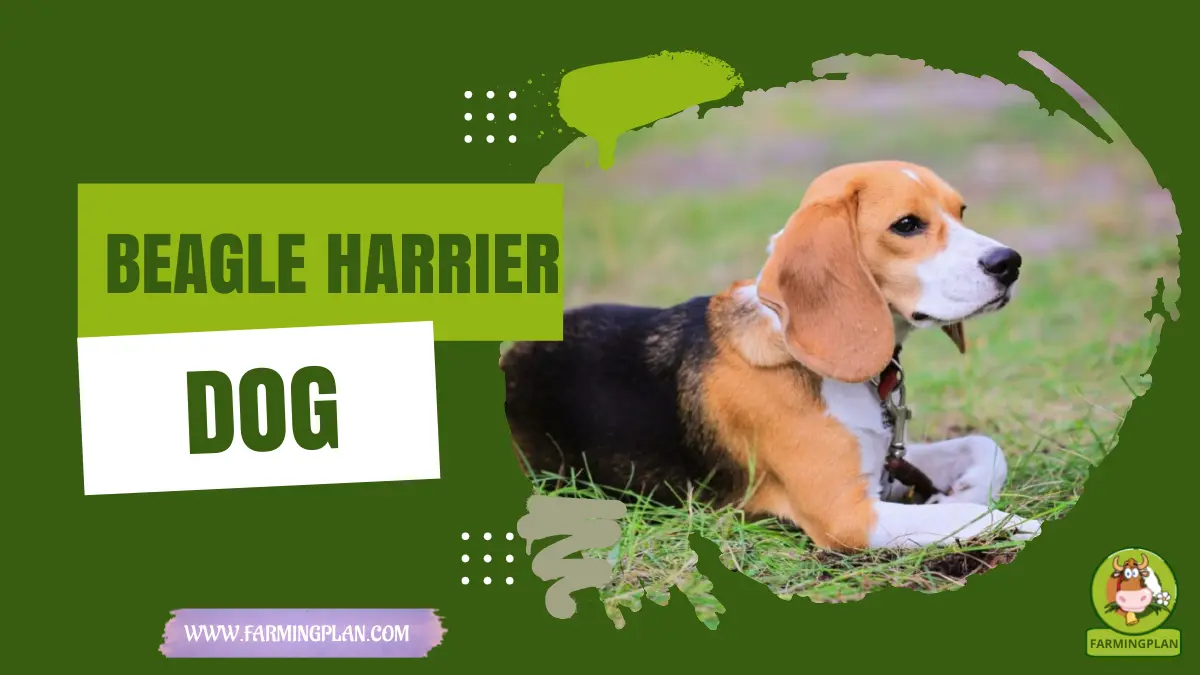
The Beagle-Harrier presents a harmonious, muscular, and athletic silhouette that immediately conveys stamina and agility. Neither heavy like a Basset Hound nor leggy like an English Foxhound, it strikes a precise balance between ground-level scenting power and open-field speed. Following biosecurity best practices reduces disease risk in any Beagle-Harrier Dog operation.
The head is moderately broad with a subtle occipital crest and a gentle stop that leads into a strong, straight muzzle equal in length to the skull. The nose is black and well-developed with wide nostrils designed for capturing faint ground scent particles. Seasonal adjustments to shelter and diet keep Beagle-Harrier Dog thriving year-round.
Conformation Standards & Anatomical Structure
The eyes are warm, dark hazel or brown, possessing an open, intelligent, and frank expression without showing haw. The ears are set relatively low, flat, and medium in length, hanging close to the cheeks with slightly rounded tips.
The topline is level and muscular, leading into deep, well-sprung ribs that extend well back to house ample lung capacity. The legs are straight, strong-boned, and upright, terminating in round ‘cat-feet’ with thick, durable pads built to endure rocky thorns and frozen farm terrain. Proper record-keeping makes breeding and culling decisions easier for Beagle-Harrier Dog keepers.
Size, Weight Benchmarks & Color Variations
Mature Beagle-Harrier males stand between 18.0 and 20.0 inches (45 to 50 cm) at the withers, while females measure 17.0 to 19.0 inches (43 to 48 cm). Working weights range from 42 to 55 lbs (19 to 25 kg), maintaining a lean, well-conditioned profile. Providing adequate space and ventilation prevents common stress issues in Beagle-Harrier Dog.
The coat is thick, smooth, and weather-resistant, lying flat against the body to deflect thorns and brambles. Coloration is classic tricolor, characterized by a fawn background with a prominent black blanket or saddle and clean white markings on the muzzle, chest, legs, and tail tip. Understanding breed-specific traits helps maximize Beagle-Harrier Dog longevity and output.
⚡ Beagle-Harrier Dog Performance & Production Matrix
| Physical / Working Trait | Beagle-Harrier Standard | Standard Beagle Comparison | Farm Work Utility |
|---|---|---|---|
| Shoulder Height | 18.0 – 20.0 inches | 13.0 – 15.0 inches | Can clear tall pasture weeds and rough brush with ease |
| Running Speed & Gallop | Fast sustained canter/gallop | Moderate tracking trot | Covers vast acreage efficiently on search and tracking |
| Voice / Scent Baying | Deep, resonant, melodic bay | High-pitched persistent bay | Easily located across distant woodlots without harsh shrillness |
| Pack Sociability | Exceptional pack cooperation | Independent / strong-willed | Integrates smoothly with other farm dogs and herders |
| Prey Drive Focus | High on small game / tracking | High on ground scent | Requires secure fencing to prevent wandering after wildlife |
Breed History, Heritage & North American Development
The Beagle-Harrier was developed in France during the late nineteenth century by Baron Gérard Grandin de l’Éprevier. The Baron sought a hound fast enough to keep pace with mounted hunters over rugged French terrain, yet compact enough to penetrate dense bramble coverts where larger French staghounds could not maneuver. Routine preventive care saves time and lowers veterinary costs for Beagle-Harrier Dog.
By systematically crossing imported English Harriers with purebred Beagles, the Baron succeeded in stabilizing a breed that combined the Beagle’s acute olfactory tracking with the Harrier’s superior galloping stride and pack endurance. French hunt masters quickly adopted the breed for hunting hare, wild boar, and roe deer. Matching forage or ration quality to life stage optimizes Beagle-Harrier Dog growth.
The breed received formal recognition from the Société Centrale Canine and the Fédération Cynologique Internationale (FCI Standard No. 290) in 1974. Today, while relatively rare outside of continental Europe, the Beagle-Harrier is prized by connoisseurs of traditional scent hunting and rural homesteaders.
Housing, Shelter Dimensions & Winter Hardiness
Housing a Beagle-Harrier requires an active outdoor lifestyle combined with secure containment. Scenthounds are naturally driven by their olfactory senses; if an interesting scent trail catches their nose, they will follow it for miles without regard for roads or property boundaries. Gradual dietary transitions protect digestive stability in Beagle-Harrier Dog.
Pasture and yard fencing must be a minimum of 5 to 6 feet in height, constructed of heavy chain-link or woven wire buried at least 6 inches into the soil to prevent digging. A secure, insulated doghouse or indoor kennel setup must provide warmth during sub-freezing winter nights. Selecting healthy foundation stock is the cornerstone of successful Beagle-Harrier Dog management.
Spatial Density & Enclosure Engineering
If kept in a dedicated kennel run, provide a minimum of 100 square feet of exercise space per dog, equipped with a raised wooden sleeping platform and clean pea gravel or concrete flooring that can be easily sanitized. Good predator-proofing and dry bedding safeguard Beagle-Harrier Dog comfort in harsh weather.
Mental stimulation is just as critical as physical enclosure. A bored Beagle-Harrier will vocalize with persistent baying or develop destructive chewing habits; providing daily scent-work games, tracking drills, and farm chores maintains mental equilibrium. Monitoring water quality and mineral balance directly benefits Beagle-Harrier Dog vitality.
Nutritional Requirements, Daily Rations & Feeding Protocols
As an athletic working scenthound, the Beagle-Harrier’s nutritional intake must mirror its daily activity level. Sedentary hounds easily become obese—a common trait inherited from their Beagle ancestry—which places excessive stress on their spine and hip joints. Practical hands-on husbandry ensures consistent results when raising Beagle-Harrier Dog.
Reviewing working dog diets in our Australian Shepherd working dog care guide offers valuable insights into balancing energy rations. Scenthounds require high-protein, moderate-fat diets during hunting season.
Crude Protein Benchmarks Across Life Stages
An active Beagle-Harrier requires a premium commercial kibble or raw diet containing 26% to 30% crude protein (CP) and 16% to 20% crude fat during peak hunting or farm patrol seasons, providing approximately 1,400 to 1,800 kcal daily. During sedentary summer months, reduce fat content to 12% to prevent unhealthy weight gain. Early intervention at the first sign of lethargy protects overall Beagle-Harrier Dog flock or herd health.
Always supply cool, fresh drinking water in heavy, non-tip stainless steel bowls. Avoid feeding large meals immediately before or after strenuous exercise to prevent gastric dilatation-volvulus (bloat), a risk in deep-chested working breeds. Structured culling and biosecurity protocols strengthen Beagle-Harrier Dog genetic quality.
Health Management, Common Diseases & Biosecurity Standards
The Beagle-Harrier is an exceptionally robust and hardy breed with few genetic ailments compared to heavily inbred companion dogs. However, their active outdoor pursuits expose them to environmental hazards, ticks, and burs. Maintaining clean feeders and sanitized equipment supports sustainable Beagle-Harrier Dog care.
Canine healthcare programs should comply with core vaccination and parasite protocols endorsed by the American Veterinary Medical Association (AVMA) to prevent rabies, Lyme disease, and heartworm infection. Consistent daily observation helps keepers spot early changes in Beagle-Harrier Dog health and behavior.
Biosecurity Protocols & Veterinary Defenses
Administer annual core vaccinations (DHPP and Rabies) along with non-core vaccines for Lyme disease and Leptospirosis if working in tick-dense woodlands or near stagnant farm ponds. Use monthly broad-spectrum parasite preventatives covering heartworms, fleas, and ticks year-round. Clean housing, fresh water, and balanced nutrition remain essential for Beagle-Harrier Dog productivity.
Inspect their drop ears weekly for moisture accumulation, ear mites, or fungal infections, as pendant hound ears trap humidity and dirt. Keep toenails trimmed short to prevent splitting when sprinting across rocky fields, and check pads for puncture wounds after trail work.
Breeding Management, Pack Dynamics & Puppy Care
Responsible breeding of Beagle-Harriers demands rigorous health screening of prospective breeding pairs. Dogs should undergo certified radiographic evaluations for hip dysplasia (OFA or PennHIP) and eye examinations before mating. Tracking feed intake and body condition supports long-term Beagle-Harrier Dog performance.
Bitches experience their first estrous cycle around 9 to 12 months, but ethical breeders wait until at least two years of age to ensure full physical and skeletal maturity. Litters average 6 to 8 vigorous puppies that thrive on attentive maternal care in a warm whelping box. Following biosecurity best practices reduces disease risk in any Beagle-Harrier Dog operation.
Early socialization from 4 to 12 weeks is vital for developing a balanced farm dog. Expose puppies to farm livestock, sudden machinery noises, and diverse terrain to build confident, non-reactive temperaments, similar to methods used with Border Collie livestock working dogs. Seasonal adjustments to shelter and diet keep Beagle-Harrier Dog thriving year-round.
US Ownership Budget & Annual Maintenance Costs
Budgeting for a Beagle-Harrier involves standard canine maintenance, premium nutrition, and routine veterinary prophylaxis. Below is an itemized annual budget in US dollars. Proper record-keeping makes breeding and culling decisions easier for Beagle-Harrier Dog keepers.
💰 Estimated Annual Budget & Maintenance Costs (USD)
| Budget Category | Item Description & Scope | Initial Capital Outlay | Annual Recurring Expense |
|---|---|---|---|
| Puppy Acquisition (Pedigreed) | Registered puppy from verified hunting/working lineage | $800 – $1,500 | One-time initial outlay |
| Premium Working Dog Food | High-protein canine diet (approx. 40 lbs per month) | $55 – $75 | $660 – $900 annually |
| Veterinary Care & Vaccines | Annual wellness exams, core vaccinations, bloodwork | $120 – $200 | $150 – $250 annually |
| Heartworm, Flea & Tick Prevention | Monthly oral or topical broad-spectrum preventatives | $20 – $30 | $200 – $300 annually |
| Fencing, Kennels & Tracking Gear | GPS tracking collar, sturdy harness, lead, and bedding | $200 – $450 | $50 – $100 replacement cost |
🐕 Beagle Harrier Dog Daily Calorie & Kibble Calculator
Calculate daily metabolizable energy (kcal/day), kibble cups, water, and monthly diet costs for your Beagle Harrier Dog.
Frequently Asked Questions (FAQ)
What is the difference between a Beagle and a Beagle-Harrier?
The Beagle-Harrier is significantly taller (18 to 20 inches vs 13 to 15 inches) and heavier (42 to 55 lbs vs 20 to 30 lbs) than a Beagle, offering greater running speed and stamina in the field.
Are Beagle-Harriers good family pets?
Yes, Beagle-Harriers are affectionate, loyal, and gentle with children. However, they are high-energy hunting hounds that require substantial daily exercise and secure yard fencing.
Do Beagle-Harriers get along with other dogs?
Yes, as natural pack hounds, Beagle-Harriers possess an innate pack mentality and typically integrate smoothly with other dogs, showing minimal aggression toward pack members.
How much exercise does a Beagle-Harrier need daily?
A Beagle-Harrier needs at least 60 to 90 minutes of vigorous daily physical activity, such as long trail walks, running, tracking drills, or active farm work, to prevent boredom and barking.
Are Beagle-Harrier dogs difficult to train?
They are intelligent and eager to please, but their intense scenting drive can cause them to become distracted. Positive reinforcement, patience, and scent-based rewards yield the best training results.
Expert Verdict & Next Steps for Working Dog Owners
The Beagle-Harrier is a superb hunting companion and energetic farm partner that combines the sweet disposition of the Beagle with the athletic prowess and speed of the Harrier. For rural properties with ample space, it provides loyal companionship and outstanding tracking capability. Providing adequate space and ventilation prevents common stress issues in Beagle-Harrier Dog.
Before welcoming a hound onto your homestead, secure perimeter fencing to prevent roaming and prepare a dedicated exercise schedule. Cross-referencing working canine roles with guardians like the Great Pyrenees livestock guardian dog guide will help you assemble a comprehensive canine farm team.
📚Agricultural Reference & Scientific Citations
Standards and physiological data referenced in this guide comply with USDA Animal and Plant Health Inspection Service (APHIS), American Veterinary Medical Association (AVMA), and the FAO Domestic Animal Diversity Information System.


