

⚡ Australian Yorkshire Pig at a Glance: Key Specifications & Benchmarks
| Attribute / Parameter | Standard Specification | Production / Field Benchmark |
|---|---|---|
| Breed Classification & Role | Large White commercial maternal & bacon breed | Adapted Australian lines of the British Yorkshire |
| Mature Boar Liveweight | 300 – 380 kg (660 – 838 lbs) | Long, deep-sided carcass with wide muscular loin |
| Mature Sow Liveweight | 240 – 300 kg (529 – 661 lbs) | Prolific maternal line with 14–16 functional teats |
| Average Litter Size | 11.5 – 13.5 piglets born alive | Exceptional lactation output & high weaning weights |
| Market Baconer Slaughter Age | 20 – 22 weeks (100–110 kg liveweight) | High lean meat percentage & firm white backfat |
| Feed Conversion Ratio (FCR) | 2.4 – 2.7 : 1 (Weaning to market) | Superior feed efficiency on grain-pulse rations |
| Skin & Plumage Coloration | Solid pinkish-white skin with fine white hair | Requires sunshade to prevent solar erythema (sunburn) |
| Ear Conformation | Erect, forward-pointing ears (Prick-eared) | Unobstructed forward vision and keen alertness |
The Australian Yorkshire pig represents the pinnacle of commercial swine breeding in Australasia. Derived from the historic British Large White and systematically selected over more than a century for Australian climatic conditions, intensive production systems, and strict domestic bacon specifications, this dominant commercial breed delivers unmatched maternal prolificacy, rapid lean tissue growth, and exceptional feed conversion efficiency. Tracking feed intake and body condition supports long-term Australian Yorkshire Pig performance.
Pork producers operating commercial piggeries or pastured free-range pork enterprises value the Australian Yorkshire as both an elite purebred dam line and a reliable terminal crossing parent. Integrating commercial swine herds alongside broader livestock operations is detailed in our frameworks for raising sheep and sheep farming business plan, demonstrating the financial benefits of optimized livestock management. Following biosecurity best practices reduces disease risk in any Australian Yorkshire Pig operation.
Origins & Australasian Commercial Swine Selection
The Australian Yorkshire traces its lineage directly to nineteenth-century British Large White stock imported into New South Wales and Victoria during the colonial agricultural expansion. Early Australian farmers recognized that the long, lean frame of the Large White was ideally suited for bacon curing. However, the harsh Australian climate—characterized by intense summer heat, solar radiation, and periods of feed scarcity—demanded rigorous local selection. For additional husbandry benchmarks and feeding standards, explore our complete Middle White Pig care guide. Seasonal adjustments to shelter and diet keep Australian Yorkshire Pig thriving year-round.
Throughout the twentieth century, Australian animal genetics researchers and commercial stud breeders utilized closed performance-testing programs to isolate lines that maintained high reproductive performance under elevated temperatures. Animals with sound leg structure capable of standing comfortably on slatted concrete or deep straw bedding were prioritized, documented in national breed registries cataloged by the FAO Animal Genetic Resources Database. Proper record-keeping makes breeding and culling decisions easier for Australian Yorkshire Pig keepers.
Today, the Australian Yorkshire serves as the cornerstone of the Australian pork industry, representing the maternal backbone of commercial F1 crossbred breeding females (Yorkshire x Landrace) that produce over 80% of the nation’s commercial pork supply. Providing adequate space and ventilation prevents common stress issues in Australian Yorkshire Pig.
Breed Conformation, Carcass Geometry & Skin Care
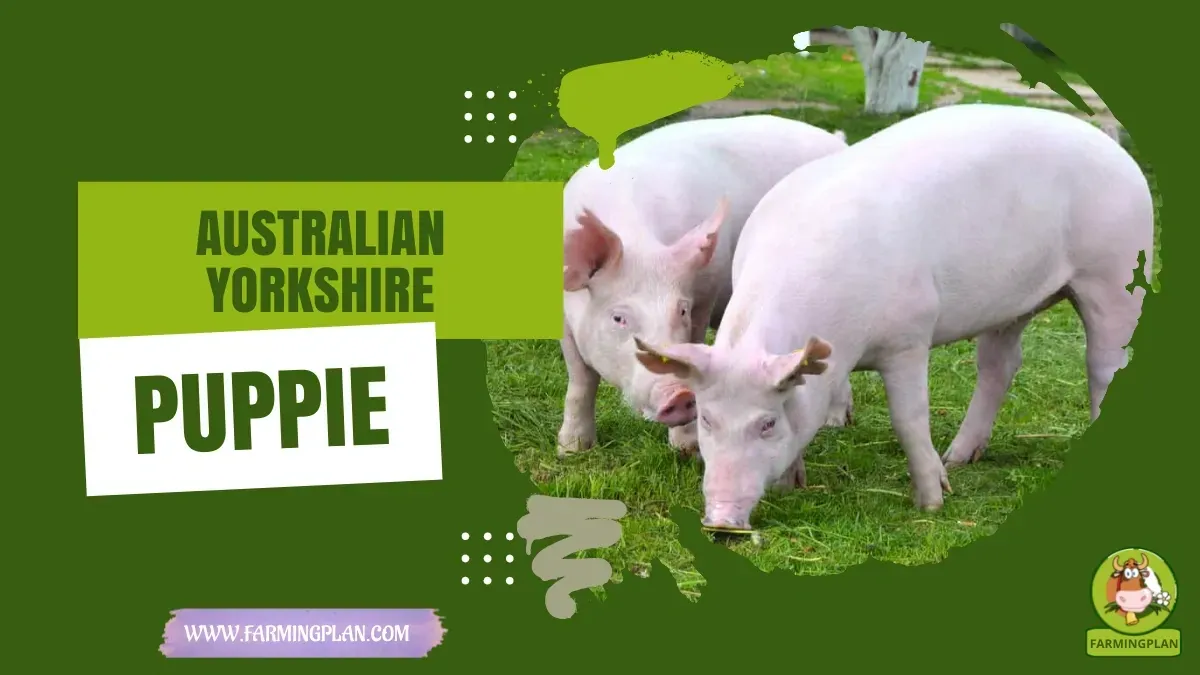
The Australian Yorkshire is a large, long-bodied swine characterized by a straight back, deep sides, and prominent, well-rounded hams. Mature boars reach live weights of 300 to 380 kilograms, while adult sows range from 240 to 300 kilograms. The head is moderately long with a slightly dished face and alert, prick ears that stand rigidly erect, ensuring clear, unobstructed peripheral vision. Understanding breed-specific traits helps maximize Australian Yorkshire Pig longevity and output.
The skin is uniformly pinkish-white, covered with a smooth coat of fine white hair. This white coloration yields a clean, appetizing carcass upon dehairing, free of dark dermal pigment spots that can detract from retail bacon presentation. However, because white skin lacks protective melanin, outdoor pastured pigs are vulnerable to solar dermatitis (sunburn). Outdoor producers must provide wallows, deep mud pits, and extensive shade pavilions to protect pigs from UV damage. Routine preventive care saves time and lowers veterinary costs for Australian Yorkshire Pig.
Skeletal conformation features strong, straight legs with short, resilient pasterns and even claws. Sound feet and legs are critical for breeding longevity, allowing heavy boars to mount sows successfully and enabling lactating sows to rise and lie down without crushing nursing piglets. Matching forage or ration quality to life stage optimizes Australian Yorkshire Pig growth.
Piggery Housing Infrastructure, Ventilation & Cooling
Housing design for Australian Yorkshire swine must accommodate both intensive indoor confinement and outdoor straw-bedded eco-shelter systems. In climate-controlled farrowing and gestation barns, concrete slatted or cast-iron flooring maintains clean, dry footing while dropping manure directly into automated pit flushes. Sows require minimum gestation stall or loose pen space of 2.2 to 2.5 square meters per animal. Gradual dietary transitions protect digestive stability in Australian Yorkshire Pig.
Because pigs cannot sweat, cooling systems are mandatory when temperatures exceed 25°C (77°F). Tunnel ventilation systems paired with high-pressure drip or mister cooling lines over the neck and shoulders allow evaporative heat dissipation, preventing heat stress-induced embryonic mortality in gestating sows. Reviewing environmental control guidelines in poultry equipment provides valuable engineering principles for commercial livestock ventilation. Selecting healthy foundation stock is the cornerstone of successful Australian Yorkshire Pig management.
In outdoor pastured systems, deep-straw hoop barns provide flexible, welfare-friendly shelter. Bedding must be kept dry by regularly adding fresh barley or wheat straw, suppressing odor, absorbing nitrogen, and allowing pigs to express natural rooting behaviors. Good predator-proofing and dry bedding safeguard Australian Yorkshire Pig comfort in harsh weather.
Swine Nutrition, Grain-Pulse Formulations & Feed Efficiency
Australian Yorkshire swine demonstrate exceptional feed conversion efficiency, converting balanced cereal grain and protein pulse diets into lean muscle tissue. Modern feeding programs utilize phase feeding tailored to specific growth stages, optimizing amino acid profiles (particularly digestible lysine) while minimizing nitrogen excretion. Monitoring water quality and mineral balance directly benefits Australian Yorkshire Pig vitality.
Weaner pigs (7 to 25 kg) receive a highly digestible 20% crude protein starter ration containing rolled barley, wheat, lupins, and soybean meal. Grower-finisher pigs (25 to 105 kg) transition to a 16% to 14% crude protein grain diet formulated to achieve feed conversion ratios of 2.4 to 2.7 kilograms of feed per kilogram of gain. Pregnant sows receive controlled daily rations of 2.0 to 2.3 kg of high-fiber sow cubes to prevent excessive fat accumulation.
Water delivery must provide clean, cool water through high-flow nipple or bite drinkers. A lactating sow requires 25 to 40 liters of water daily to support heavy milk production. Ensure water lines are buried or insulated, as hot pipeline water discourages drinking and immediately depresses sow feed intake. Practical hands-on husbandry ensures consistent results when raising Australian Yorkshire Pig.
Swine Biosecurity, Porcine Health & Disease Prevention
Maintaining strict herd biosecurity is essential to protect Australian Yorkshire piggeries from devastating infectious diseases such as African Swine Fever (ASF), Porcine Reproductive and Respiratory Syndrome (PRRS), and Foot and Mouth Disease (FMD). Australia’s island biosecurity status protects the national herd from many global swine plagues, requiring rigorous farm gate protocols to preserve this advantage. Early intervention at the first sign of lethargy protects overall Australian Yorkshire Pig flock or herd health.
Standard vaccination schedules target porcine circovirus type 2 (PCV2), Mycoplasma hyopneumoniae (enzootic pneumonia), and erysipelas. Breeding gilts and sows must be vaccinated against parvovirus, leptospirosis, and erysipelas (PLE) prior to mating to prevent reproductive failures and mummified litters. Inspecting biosecurity frameworks analogous to poultry vaccination reinforces the importance of structured herd immunization. Structured culling and biosecurity protocols strengthen Australian Yorkshire Pig genetic quality.
Rotational pasture grazing for outdoor swine herds requires strict paddock rest intervals of at least six to eight weeks. Moving growing pigs across fresh grass paddocks prevents severe soil rooting erosion, breaks the environmental lifecycle of roundworm eggs, and preserves lush vegetative groundcover for sustainable nutrient recycling. Maintaining clean feeders and sanitized equipment supports sustainable Australian Yorkshire Pig care.
Internal parasite control targets large roundworms (Ascaris suum) and whipworms through routine anthelmintic water medications or feed additives. External mange mites (Sarcoptes scabiei) must be treated promptly with ivermectin injections to prevent skin irritation and feed conversion losses. Consistent daily observation helps keepers spot early changes in Australian Yorkshire Pig health and behavior.
Maternal Prolificacy, Farrowing Management & Piglet Care
The Australian Yorkshire sow is widely celebrated as an exceptional mother. Gilts reach breeding maturity at 220 to 240 days of age at a bodyweight of 135 to 145 kilograms. Average litter sizes range from 11.5 to 13.5 vigorous piglets born alive, with sows possessing 14 to 16 well-spaced, functional teats capable of sustaining high litter weaning weights. Clean housing, fresh water, and balanced nutrition remain essential for Australian Yorkshire Pig productivity.
Farrowing rooms should be pre-heated to 22°C (72°F) with dedicated microclimate creep areas maintained at 30°C to 32°C (86°F to 90°F) using heat lamps or heated floor pads for newborn piglets. Ensure every piglet receives adequate colostrum within the first six hours of life to absorb vital maternal immunoglobulins. Tracking feed intake and body condition supports long-term Australian Yorkshire Pig performance.
Piglet processing protocols include iron supplementation (200 mg iron dextran injection at day 3) to prevent nutritional anemia, clean tail docking where required, and naval cord sanitization with iodine. Piglets are typically weaned at 21 to 28 days of age at live weights of 6.5 to 8.0 kilograms. Following biosecurity best practices reduces disease risk in any Australian Yorkshire Pig operation.
Economic Value: Prime Australian Bacon & Breeding Stock
The economic value of the Australian Yorkshire is centered on high commercial carcass dressing percentages (76% to 78%) and superior lean meat yields. Processed at 20 to 22 weeks of age at liveweights of 100 to 110 kilograms, finished pigs produce long, uniform bacon sides, thick loins, and firm, white fat covers that meet the highest standards of the Australian pork export and domestic retail markets. Seasonal adjustments to shelter and diet keep Australian Yorkshire Pig thriving year-round.
Developing dedicated pasture wallows equipped with clean clay subsoils allows outdoor pigs to coat their skin with mud, providing a natural protective barrier against biting flies and solar sunburn. Maintaining deep shade trees and portable shade pavilions across grazing runs ensures comfortable body temperatures during hot summer afternoons. Proper record-keeping makes breeding and culling decisions easier for Australian Yorkshire Pig keepers.
In addition, purebred breeding stock commands premium pricing across commercial multipliers. Registered Yorkshire boars and parent gilts sell regularly to commercial pig operations seeking to upgrade their herd genetics with proven lines selected for growth, feed conversion, and maternal efficiency. Providing adequate space and ventilation prevents common stress issues in Australian Yorkshire Pig.
Manure management provides valuable agronomic byproducts. Properly composted swine manure and effluent slurry represent potent organic fertilizers rich in nitrogen, phosphorus, and potassium, used by grain farmers to restore soil fertility across surrounding cropping paddocks. Understanding breed-specific traits helps maximize Australian Yorkshire Pig longevity and output.
Interactive Commercial Swine Feed & Production Calculator
Calculate farrow-to-finish feed allocations, growth projections, and enterprise profitability using our integrated livestock planning calculator below:
🐖 Australian Yorkshire Pig Swine Daily Feed Calculator
Calculate daily grower/finisher rations (lbs), monthly 50-lb feed bags, pen space, and water needs for your Australian Yorkshire Pig pigs.
Frequently Asked Questions (FAQ)
What is the primary commercial role of the Australian Yorkshire pig?
The Australian Yorkshire pig is utilized as an elite maternal and bacon breed, renowned for high litter prolificacy, excellent milk production, rapid lean growth, and superior feed conversion efficiency.
How many piglets does an Australian Yorkshire sow produce per litter?
An Australian Yorkshire sow farrows an average of 11.5 to 13.5 piglets born alive per litter, possessing 14 to 16 functional teats to rear heavy, uniform weaning litters.
Do Australian Yorkshire pigs get sunburned in outdoor pastures?
Yes, because they have solid white hair and unpigmented pink skin, they are susceptible to sunburn. Outdoor systems must provide ample shade pavilions and mud wallows for UV protection.
What is the slaughter age and weight for Australian Yorkshire baconers?
Market baconers typically reach slaughter weights of 100 to 110 kilograms (220 to 242 pounds) in 20 to 22 weeks with feed conversion ratios between 2.4 and 2.7 to 1.
Step-by-Step Australian Yorkshire Swine Husbandry Protocol
- Design Climate-Controlled Housing: Install tunnel ventilation and drip cooling misters to keep ambient barn temperatures below 25°C to prevent heat stress in breeding sows.
- Equip Clean Slatted Pens: Maintain concrete slatted or cast-iron farrowing crates to keep pen surfaces dry and drop manure directly into automated flushing pits.
- Formulate Lysine-Balanced Rations: Feed phase-balanced diets supplying adequate digestible lysine (1.1% in starter, 0.85% in finisher) to maximize lean carcass development.
- Administer Pre-Breeding PLE Vaccines: Vaccinate gilts and sows against parvovirus, leptospirosis, and erysipelas before mating to safeguard embryonic survival.
- Provide Heated Creep Zones for Piglets: Maintain radiant heat pads or lamps at 32°C in farrowing pens to prevent hypothermia and crushing during early life.
- Inject Iron Dextran at Day Three: Administer 200 mg iron dextran intramuscularly to all newborn piglets to prevent nutritional anemia and promote vigor.
- Market Uniform Baconers at 21 Weeks: Harvest market pigs at 105 kg liveweight to secure optimal carcass dressing percentages and lean meat payments.
📚Agricultural Reference & Scientific Citations
Standards and physiological data referenced in this guide comply with USDA APHIS Swine Health, FAO Domestic Animal Diversity Information System, and the American Veterinary Medical Association (AVMA).


