

⚡ Attappady Black Goat at a Glance: Key Specifications & Benchmarks
| Scientific Classification | Capra hircus (Western Ghats Indigenous Meat Landrace) |
| Native Geographic Origin | Attappady Valley, Palakkad District, Kerala, Western Ghats, India |
| Mature Buck Body Weight | 70 to 85 lbs (31 to 38 kg) |
| Mature Doe Body Weight | 55 to 68 lbs (25 to 31 kg) |
| Coat & Ocular Characteristics | Uniform jet-black hair with distinctive bronze-tinted irises |
| Primary Agricultural Utilization | High-value lean chevon meat, cultural tribal husbandry, weed browsing |
| Kidding Rate & Prolificacy | 120% to 140% (predominantly single and twin births on range) |
| Parasite & Climate Resilience | High innate tolerance to tropical nematodes, ticks, and monsoon humidity |
The Attappady Black goat is a culturally revered and genetically distinct indigenous caprine breed native to the secluded Attappady valley within the Nilgiri Biosphere Reserve of Kerala, India. Developed across centuries of selective stewardship by the indigenous Irula, Muduka, and Kurumba tribal communities, this glossy jet-black goat embodies centuries of adaptation to the steep, rocky terrain and tropical wet-and-dry climate of the Western Ghats. Proper record-keeping makes breeding and culling decisions easier for Attappady black goat keepers.
Unlike fragile exotic meat breeds that suffer high mortality when exposed to tropical monsoon humidity and tick-borne parasites, the Attappady Black thrives in extensive forest-grazing systems. Their athletic agility on near-vertical granite cliffs, sharp disease resistance, and willingness to browse thorny unpalatable shrubs make them an indispensable livestock asset for smallholder farmers and forest-dwelling communities.
Modern veterinary researchers and conservationists celebrate the Attappady Black as an irreplaceable reservoir of tropical genetic resilience. Officially registered by the National Bureau of Animal Genetic Resources (NBAGR), this breed produces exceptionally lean, tender chevon that commands premium prices in South Indian meat markets, providing sustainable economic independence for traditional tribal keepers. Providing adequate space and ventilation prevents common stress issues in Attappady black goat.
In addition, their compact body size and modest dry matter requirements make them an ecologically sound grazer for regenerative silvopastoral systems, converting fibrous mountain weeds into high-value protein without destroying vulnerable hillside topsoils.
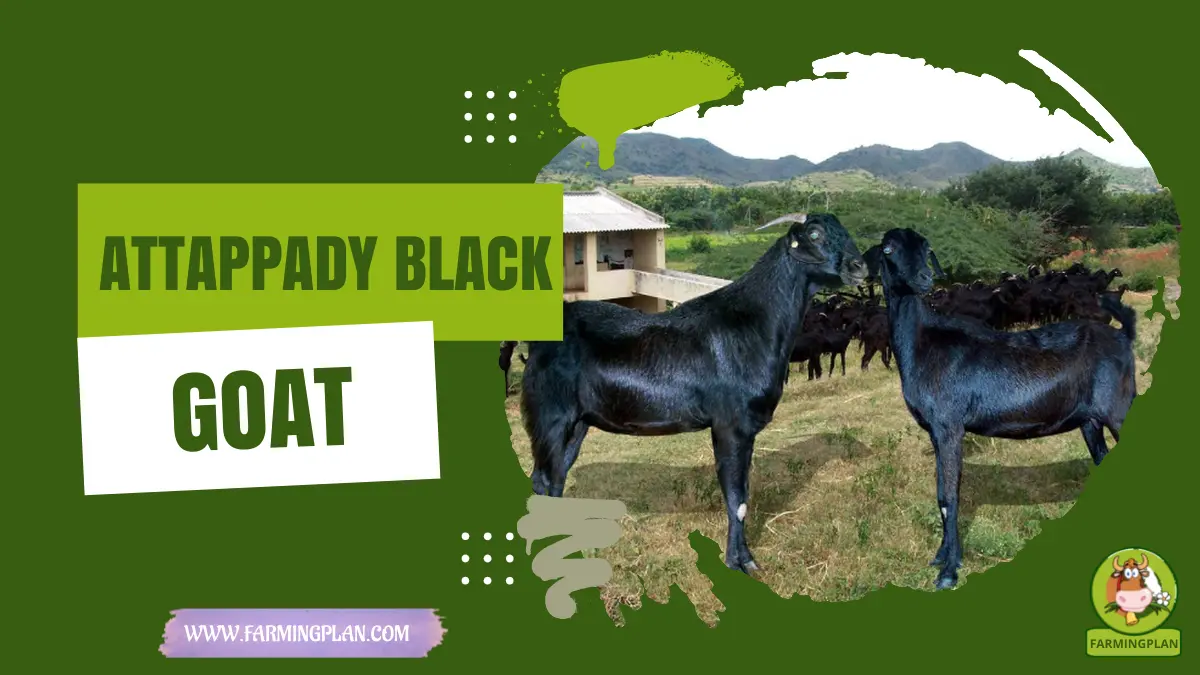
Breed Performance & Carcass Benchmark Matrix
Evaluating the growth dynamics and carcass yield of Attappady Black goats demonstrates their superior biological efficiency in low-input agro-pastoral environments.
📊 Production & Chevon Yield Matrix
| Performance Indicator | Attappady Black Standard | Agro-Pastoral Significance |
|---|---|---|
| Average Birth Weight | 3.5 to 4.5 lbs (1.6 to 2.0 kg) | Small, active kids nurse vigorously without birthing assistance |
| Weaning Weight (90 Days) | 18 to 24 lbs (8.2 to 10.8 kg) | Rapid early growth on maternal milk and tender forest browse |
| Market Weight (10 to 12 Months) | 45 to 55 lbs (20 to 25 kg) | Ideal market size for prime whole-carcass chevon retail |
| Carcass Dressing Percentage | 48% to 52% | Yields lean, fine-grained meat with minimal subcutaneous fat trim |
| Kidding Interval | 8 to 10 months | Regular, dependable kidding cycles under natural forest browsing |
A closer look at these agronomic benchmarks reveals why tribal pastoralists cherish the breed. Attappady Black kids display rapid post-natal vigor, standing within fifteen minutes of birth and maintaining steady daily weight gains on mother’s milk alone. Understanding breed-specific traits helps maximize Attappady black goat longevity and output.
The carcass dressing percentage of 48% to 52% delivers exceptionally lean, nutritious chevon. The meat has a delicate flavor profile, rich in essential amino acids and iron, making it highly sought after for traditional regional culinary delicacies and religious feast days.
Does display outstanding maternal efficiency, rearing twins easily without maternal rejection or udder breakdown, ensuring high net kid weaning percentages per hundred breeding does. Routine preventive care saves time and lowers veterinary costs for Attappady black goat.
Tribal Stewardship & Nilgiri Evolutionary Heritage
The history of the Attappady Black goat is deeply intertwined with the cultural survival of the indigenous Irula tribal people. For hundreds of years, the Irulas led their goats into the dry deciduous and semi-evergreen forests of the Nilgiri biosphere, selecting animals that could navigate thorny thickets, detect predatory leopards, and survive seasonal droughts.
Unlike commercial breeds kept in confined barns, the Attappady Black was shaped by natural foraging in rugged wilderness. This semi-feral management style weeded out weak individuals, creating a genetically robust population adapted to steep elevations between 2,500 and 4,500 feet. Explore related caprine lines in our goat farming comprehensive guide.
In recent years, the Kerala Veterinary and Animal Sciences University (KVASU) established dedicated in-situ conservation projects in the Attappady valley, collaborating with tribal self-help groups to preserve purebred nucleus breeding herds and protect the breed from unmonitored crossbreeding with Boer or Malabari goats. Matching forage or ration quality to life stage optimizes Attappady black goat growth.
Community breeding cooperatives now oversee genealogical records, ensuring that the distinctive bronze eye pigmentation and unblemished black coat of the landrace remain intact.
Physical Conformation & Unique Bronze Eye Morphology
The physical appearance of the Attappady Black is striking and elegant. The coat is completely jet-black, sleek, and glossy, with short hair that sheds tropical rainwater effortlessly. The skin underneath is deeply pigmented black, providing full protection against intense tropical solar radiation and ultraviolet skin damage. Gradual dietary transitions protect digestive stability in Attappady black goat.
A unique anatomical hallmark of the breed is its bronze-colored irises. While most domestic goats have pale yellow or amber eyes, the Attappady Black features dark, luminous bronze eyes that provide a striking contrast against its pitch-black facial fur. The muzzle, eyelids, tongue, and hooves are all intensely pigmented black.
The head is slender and medium in size with a straight or slightly convex nasal bridge. Both sexes carry horns that emerge close together at the base and curve smoothly backward and slightly outward over the neck. The ears are medium in length, erect or semi-horizontal, and exceptionally mobile, constantly swiveling to detect forest sounds.
The legs are slender, clean-boned, and strong, terminating in hard, compact hooves that grip steep granite boulders without slipping or cracking. Selecting healthy foundation stock is the cornerstone of successful Attappady black goat management.
Forest Browse Nutrition & Feeding Dynamics
Attappady Black goats are consummate browsers, obtaining over 80% of their daily nutrition from native forest shrubs, tree leaves, and wild legumes. They eagerly consume woody browse including Acacia, Ziziphus, Lantana camara, bamboo leaves, and wild figs that larger ruminants avoid.
In managed pastured operations, allow goats 6 to 8 hours of daily grazing in diverse woodland paddocks. During peak summer dry seasons when leafy browse declines, supplement breeding does with 0.5 to 0.75 pounds of balanced concentrate containing crushed maize, wheat bran, and oilcake alongside free-choice iodized mineral salt blocks. Review general livestock feeding strategies in our livestock nutrition standards. Good predator-proofing and dry bedding safeguard Attappady black goat comfort in harsh weather.
Fresh, clean drinking water must be available at all times, with adult goats consuming 1.0 to 1.5 gallons daily. Supplying water in elevated troughs prevents fecal contamination and curbs waterborne parasitic transmission.
Their active foraging habits and small rumens allow them to digest fibrous tropical shrubs with high tannin content, utilizing dietary tannins to reduce intestinal parasite egg shedding naturally.
Shelter Architecture & Hillside Housing Design
In the heavy monsoon climate of Kerala, housing must focus on elevated, dry resting surfaces. Traditional tribal sheds utilize raised slatted bamboo or wooden platforms elevated 3 to 4 feet above ground level, allowing droppings and urine to pass through cleanly. Monitoring water quality and mineral balance directly benefits Attappady black goat vitality.
Provide at least 10 to 14 square feet of covered platform area per adult doe, increasing to 18 square feet for does nursing newborn kids. Roofs should have wide eaves to shield interior pens from blowing monsoon rains while leaving the upper sidewalls open for maximum cross-ventilation.
Perimeter fencing for hillside paddocks requires sturdy 48-inch chain-link or high-tensile woven wire fencing reinforced with corner posts anchored firmly into rocky soil. Electric offset wires prevent agile goats from testing fence perimeters. Practical hands-on husbandry ensures consistent results when raising Attappady black goat.
Enclosed night paddocks are essential to protect the herd from nocturnal predators such as panthers, wild canids, and stray dogs that inhabit the forest fringe.
Temperament & Pastoral Flocking Habits
Attappady Black goats possess a lively, alert, and gregarious temperament. They form cohesive family bands that browse in close communication across dense forest undergrowth, responding promptly to the shepherd’s vocal calls and whistling commands. If you are balancing utility output and herd resilience, take a look at our Carpathian Goat reference guide.
They are gentle and cooperative with familiar handlers, making routine milking and health inspections simple. In handling chutes, they move steadily without the wild panicking seen in unhandled feral stock. Early intervention at the first sign of lethargy protects overall Attappady black goat flock or herd health.
Bucks are vigorous and active during the breeding season, establishing dominance through brief display head-butts, but remaining respectful and manageable when handled with calm stockmanship.
Does are exceptionally devoted mothers, cleaning and nursing their young immediately after delivery and guiding their growing kids through mountain trails with vigilant protective care. Structured culling and biosecurity protocols strengthen Attappady black goat genetic quality.
Disease Immunity, Hoof Soundness & Healthcare
A prime biological virtue of the Attappady Black goat is its superior resistance to tropical diseases. Living in damp mountain monsoon conditions has selected for dense, hard hooves that naturally resist contagious foot rot (Fusobacterium necrophorum) and interdigital dermatitis.
Annual preventive vaccinations against Peste des Petits Ruminants (PPR), Enterotoxemia, and Goat Pox safeguard herd health. Strategic seasonal deworming prior to monsoon rains, guided by fecal egg counts, prevents parasitic gastrointestinal nematode build-up. Compare caprine health protocols in our veterinary disease prevention guide.
External parasite burdens—such as ticks and biting flies—are managed through herbal botanical sprays (neem and eucalyptus oil solutions) or targeted pour-on acaricides applied during peak post-monsoon surges. Maintaining clean feeders and sanitized equipment supports sustainable Attappady black goat care.
Maintaining clean, elevated slatted flooring eliminates contact with moist bedding, virtually eradicating neonatal coccidiosis and respiratory pneumonia in young kids.
Breeding Strategy & Genetic Conservation
Attappady Black goats breed year-round, with peak estrus activity aligning with post-monsoon forage flushes in October and November. Does reach sexual maturity between 8 and 10 months of age, with commercial breeders aiming for first kidding around 14 to 16 months. Consistent daily observation helps keepers spot early changes in Attappady black goat health and behavior.
Gestation averages 148 to 152 days. Kidding is virtually 100% unassisted, with does giving birth easily to energetic kids that nurse rich colostrum within twenty minutes. Twinning rates average 30% to 40% on good browse, with singles predominating in young first-time mothers.
Community breeding cooperatives maintain purebred breeding bucks, rotating them between tribal hamlets every two years to avoid inbreeding depression and preserve the high vitality of the landrace.
Rigorous phenotypic culling ensures that any animals displaying non-black coat spots or light eyes are excluded from purebred nucleus breeding groups, safeguarding the authentic breed standard. Clean housing, fresh water, and balanced nutrition remain essential for Attappady black goat productivity.
Interactive Goat Herd Feed & Land Allocation Calculator
Calculate your herd’s daily dry matter browse requirements, supplemental feed targets, and paddock acreage allocations for Attappady Black goats using our interactive calculator below.
🐐 Attappady Black Goat Herd Feed & Pasture Calculator
Calculate daily forage, monthly hay bales, loose minerals, and clean water needs for your Attappady Black Goat herd.
Frequently Asked Questions: Attappady Black Goat Care
What is the native region and habitat of the Attappady Black goat?
The Attappady Black goat is an indigenous caprine breed native to the rain-shadow valley of Attappady in the Palakkad district of Kerala, India, flourishing across the Western Ghats mountain ranges.
What are the defining physical characteristics of the Attappady Black goat?
The breed is characterized by an entirely jet-black coat, unique bronze-colored eyes, curved backward-pointing horns, black muzzle and hooves, and a compact, lean meat conformation.
Why is this goat breed culturally and economically vital to the Irula tribe?
The Irula, Muduka, and Kurumba tribal communities have stewarded this goat for centuries as a primary source of meat, subsistence, and cultural identity, grazing herds extensively in dry deciduous forests.
How does the Attappady Black goat demonstrate disease resistance?
Generations of natural selection in humid-tropical mountain forests have endowed this breed with high innate resistance to gastrointestinal parasites, foot rot, and enterotoxemia without chemical inputs.
What are the market weights and meat qualities of Attappady Black goats?
Mature bucks weigh 70 to 80 pounds (31 to 36 kg) and does weigh 55 to 65 pounds (25 to 29 kg), yielding premium, lean chevon with tender muscle fibers highly prized in South Indian regional cuisine.
Commercial Potential & Regional Chevon Value
The commercial economics of Attappady Black goat farming are highly favorable for sustainable agricultural producers. Operating on free woodland browse with minimal veterinary and housing overhead, each pound of prime chevon produced delivers high net margins. Tracking feed intake and body condition supports long-term Attappady black goat performance.
In addition, certified Attappady Black chevon commands an established premium in South Indian urban restaurants and luxury culinary establishments due to its organic, grass-fed reputation. When paired with high kid survivability and tribal cooperative marketing, this rare caprine offers an exceptional vehicle for sustainable rural development. Compare regional caprine economics in our Black Bengal goat farming report.
Eco-conscious homesteaders and agroforestry operators find that the Attappady Black provides dependable meat production while actively restoring overgrown hillside pastures, demonstrating the enduring value of indigenous livestock genetics.
📚Agricultural Reference & Scientific Citations
Standards and physiological data referenced in this guide comply with USDA APHIS Small Ruminant Health, The Livestock Conservancy, and the American Veterinary Medical Association (AVMA).


