

⚡ Armenian Tumbler Pigeon at a Glance: Key Specifications & Benchmarks
| Scientific Classification | Columba livia domestica (High-Flying Performing Tumbler Columbid) |
| Breed Origin & Antiquity | Armenian Highlands and South Caucasus; cultivated across multiple centuries |
| Mature Adult Cock Weight | 11 to 14 oz (310 to 395 g) |
| Mature Adult Hen Weight | 10 to 13 oz (285 to 370 g) |
| Flight Performance Style | High-altitude endurance flying with rapid backward somersaults and vertical dives |
| Head & Feather Ornaments | Plain-headed or neatly shell-crested with clean or heavily booted leg variants |
| Primary Avicultural Purpose | Aerial performance flying, exhibition competition, heritage aviary flock |
| Average Expected Lifespan | 10 to 15+ years under dry loft management and clean grain nutrition |
The Armenian Tumbler pigeon represents one of the most celebrated aerial performing breeds in the global columbid fancy. Developed over centuries across the mountainous plateaus of Armenia and the South Caucasus, this spirited athletic bird was selectively bred by master fanciers to perform breathtaking backward somersaults and vertical aerial drops while cruising at high altitudes. Following biosecurity best practices reduces disease risk in any Armenian Tumbler Pigeon operation.
Known in regional Armenian dialects as the Hayeren Trchogh or simply the Tumbler of Yerevan and Gyumri, the breed unites extreme flight stamina with remarkable homing intelligence. In our dedicated homestead aviary and pigeon husbandry guides, poultry keepers and performance flyers value the Armenian Tumbler for its vigorous constitution, calm loft manners, and hypnotic sky acrobatics. Seasonal adjustments to shelter and diet keep Armenian Tumbler Pigeon thriving year-round.
Unlike purely decorative fancy pigeons bred solely for static exhibition cages, authentic Armenian Tumblers retain genuine functional athletic ability. When released on clear mornings, disciplined kits rise in tight thermal spirals, climbing hundreds of feet into the sky before executing rapid sequences of backward flips that thrill spectators below. Proper record-keeping makes breeding and culling decisions easier for Armenian Tumbler Pigeon keepers.
While historically kept atop stone rooftops in ancient Armenian cities, the breed has gained widespread international acclaim, with flourishing specialty clubs across North America and Europe. Understanding their distinct flight conditioning, dietary balance, and aviary engineering ensures these ancient Caucasian flyers perform at peak vitality.
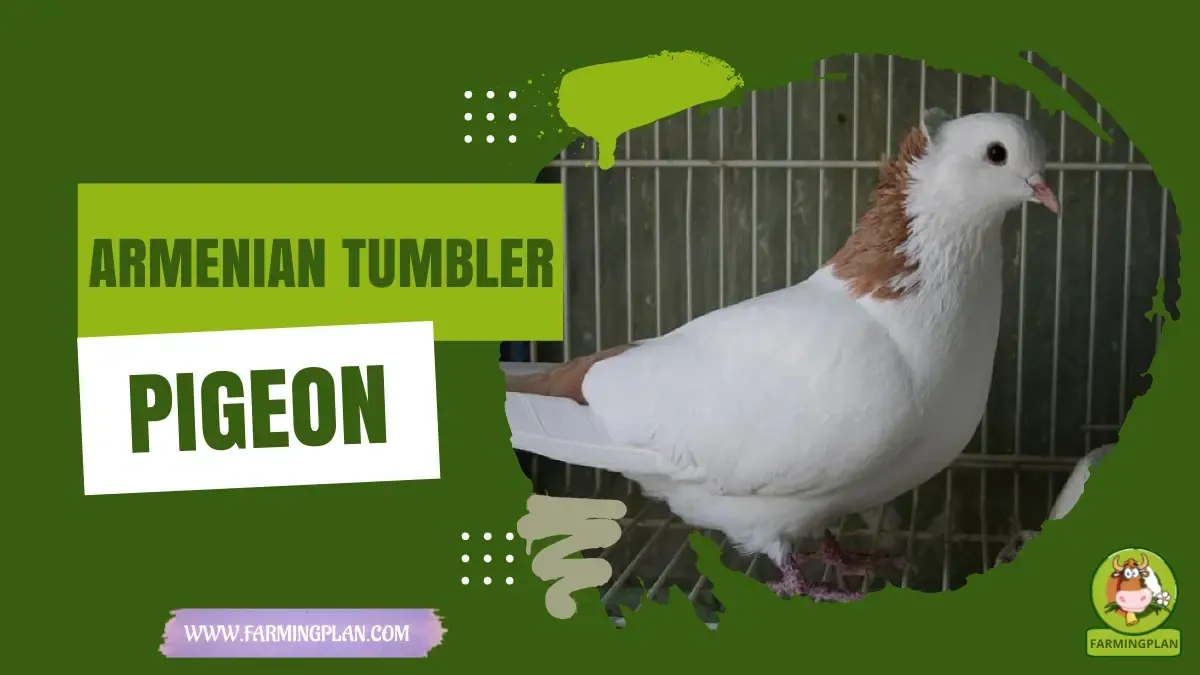
Physical Characteristics & Aerial Conformation Standards
The National Pigeon Association (NPA) and Armenian heritage standardizations recognize the Armenian Tumbler as a compact, streamlined performing pigeon built for speed, lift, and sudden mid-air directional pivots. Providing adequate space and ventilation prevents common stress issues in Armenian Tumbler Pigeon.
Aerodynamic Profile, Head Structure & Feather Varieties
The body is compact and wedge-shaped, featuring a broad, muscular breast that tapers cleanly into tight waist flanks. The wings are strong, long, and broad-feathered, resting neatly over a tightly folded tail composed of twelve to fourteen rectrices. Wing flight quills are supple yet resilient, generating tremendous lift during rapid vertical climbs. Understanding breed-specific traits helps maximize Armenian Tumbler Pigeon longevity and output.
The head is gracefully arched with a flat or slightly rounded forehead. Both plain-headed (smooth) and shell-crested varieties are recognized; crested specimens display a neat, dense hood of feathers wrapping around the rear crown without loose rosettes. Eyes are distinctively pale pearl-white or light straw, framed by fine, pale eye ceres. Routine preventive care saves time and lowers veterinary costs for Armenian Tumbler Pigeon.
Plumage coloration displays extensive diversity. Solid self colors (pure white, raven black, deep yellow, and rich red) compete alongside striking pied, magpie-marked, and mottled patterns. Leg feathering varies by regional strain: northern lines often feature clean coral-red legs, while southern highland strains sport dense feather muffs (boots) on shanks and toes.
⚡ High-Flying Tumbler Breeds: Aerial Performance Comparison
| Performance Parameter | Armenian Tumbler | Central Asian Tumbler | English Flying Tumbler |
|---|---|---|---|
| Flight Altitude Class | High altitude to vanishing point | Medium to high altitude | Low to medium altitude |
| Tumbling Mechanics | Rapid backward flips with vertical drops | Deep somersaults with wing clapping | Controlled rolling bursts in kit formation |
| Average Flight Duration | 2 to 5 hours sustained flight | 1 to 3 hours sustained flight | 1 to 2 hours disciplined kit flying |
| Body Structure | Compact, wedge-shaped athletic frame | Short, stout, heavy-beaked frame | Medium, trim, aerodynamic frame |
| Homing Orientation | High; returns reliably to home trap | Moderate; prone to wind drift | High; tightly bonded to loft trap |
Breed History, Caucasian Heritage & Diaspora Spread
The tradition of pigeon flying in Armenia stretches back across millennia, intertwined with the ancient cultural fabric of the Ararat valley. Armenian aviculturists selected breeding pairs with obsessive dedication, competing in rooftop flying matches where birds were judged on altitude, flight duration, and clean tumbling execution. Matching forage or ration quality to life stage optimizes Armenian Tumbler Pigeon growth.
Master breeders guarded their pedigree strains within family lineages, developing distinct sub-types in cities like Yerevan, Gyumri (formerly Alexandropol), and Van. Selection favored courageous birds capable of flying in thin mountain air and eluding predatory mountain falcons. Gradual dietary transitions protect digestive stability in Armenian Tumbler Pigeon.
During the twentieth century, the Armenian diaspora carried these cherished birds across the globe. Immigrants established breeding lofts in France, Russia, and the United States, particularly in California’s Central Valley, where sunny weather and open skies mirror the climate of their Caucasian homeland. Selecting healthy foundation stock is the cornerstone of successful Armenian Tumbler Pigeon management.
Modern preservation societies continue to celebrate the breed’s dual heritage. While some fanciers focus on breeding birds for exhibition bench standards, traditional flyers maintain rigorous daily flight regimes to preserve authentic tumbling genetics.
Housing, Loft Engineering & Trap Door Construction
Managing performing tumbler pigeons requires well-designed loft architecture that combines hygienic living quarters with functional flight release and trapping mechanisms. Good predator-proofing and dry bedding safeguard Armenian Tumbler Pigeon comfort in harsh weather.
Sputnik Traps, Sectional Divisions & Predator Proofing
Equip the loft with a modern exterior “Sputnik” landing cage featuring one-way bobs. Flying birds returning from high-altitude exercise learn to enter the trap instantly to receive grain rations, preventing them from lounging on open roofs where birds of prey can attack. Monitoring water quality and mineral balance directly benefits Armenian Tumbler Pigeon vitality.
Divide the loft into three distinct functional sections: a breeding compartment for mated pairs, a young bird training bay, and a separate resting section for flying kit adults. Sectional segregation prevents territorial fighting and allows handlers to control dietary energy intake before training sessions. Practical hands-on husbandry ensures consistent results when raising Armenian Tumbler Pigeon.
Install smooth wooden V-perches positioned 12 to 15 inches apart along interior walls. Line floors with clean sand or kiln-dried wood shavings, maintaining high ventilation eaves to exhaust feather dust while keeping roosting compartments completely draft-free.
Nutritional Requirements & Athletic Flight Conditioning
Fueling an endurance athlete that somersaults at high altitudes requires precise dietary energy management. Overfeeding creates sluggish, overweight birds that refuse to fly and risk crashing into ground obstacles. Early intervention at the first sign of lethargy protects overall Armenian Tumbler Pigeon flock or herd health.
Flight Rations, Carbohydrate Loading & Mineral Grit
During non-flying resting periods, feed a light maintenance grain mixture providing 12% to 14% crude protein, consisting of barley, red wheat, white milo, and safflower seeds. Review general grain balancing protocols in our homestead poultry grain guide. Structured culling and biosecurity protocols strengthen Armenian Tumbler Pigeon genetic quality.
Three days prior to scheduled performance flights, switch the flock to a high-energy conditioning blend containing Canadian field peas, small yellow corn, and oil-rich seeds (flaxseed, sunflower hearts) to build glycogen reserves in pectoral muscles. Maintaining clean feeders and sanitized equipment supports sustainable Armenian Tumbler Pigeon care.
Always provide coarse pigeon mineral grit containing crushed granite, oyster shells, charcoal, and red mineral stone in covered hoppers. Grit is mandatory for gizzard digestion and calcium absorption.
Health Management, Falcon Defense & Biosecurity
Armenian Tumblers are naturally vigorous and hardy when maintained in clean, dry environments. However, their high-flying habits expose them to specific environmental hazards. Consistent daily observation helps keepers spot early changes in Armenian Tumbler Pigeon health and behavior.
Raptor Deterrence, PMV-1 Vaccination & Canker Control
Peregrine falcons and Cooper’s hawks are primary hazards for flying tumblers. Exercise kits during variable morning hours rather than a fixed daily schedule, and never release birds on overcast days when raptors hunt closer to ground tree lines. Clean housing, fresh water, and balanced nutrition remain essential for Armenian Tumbler Pigeon productivity.
Administer annual vaccinations against Pigeon Paramyxovirus (PMV-1) at 4 to 6 weeks of age, complying with biosecurity protocols from the USDA APHIS Avian Health Center to prevent contagious neurological epidemics. Tracking feed intake and body condition supports long-term Armenian Tumbler Pigeon performance.
Sanitize loft drinkers daily and administer routine preventive treatments for protozoal trichomoniasis (canker) and coccidiosis before each spring breeding season to protect developing squabs.
Flight Training, Kit Management & Somersault Mechanics
Developing disciplined tumbling performance requires methodical training starting when young birds leave the nest at five weeks of age. Following biosecurity best practices reduces disease risk in any Armenian Tumbler Pigeon operation.
Young Bird Settling, Whistle Commands & Tumbling Triggers
Begin by settling young fledglings inside the exterior landing trap for several days, allowing them to survey loft surroundings without taking flight. Teach young birds to associate a distinct handler whistle or feed can rattle with immediate entry into the trap for food. Seasonal adjustments to shelter and diet keep Armenian Tumbler Pigeon thriving year-round.
Release young kits in small groups of five to eight birds hungry, flying them for 20 to 30 minutes before whistling them down. As wing muscles strengthen around three months, birds begin executing tail slides and single backward flips, gradually building up to complete tumbling rolls. Proper record-keeping makes breeding and culling decisions easier for Armenian Tumbler Pigeon keepers.
Cull birds that exhibit “rolling out”—an inherited neurological defect where the pigeon somersaults uncontrollably without pulling out of the dive, leading to fatal ground collisions. For comparative fancy pigeon aviary management, explore our breed review on the Argovien White-Tail pigeon.
US Ownership Budget & Performance Aviary Costs
Establishing an aerial performing loft of Armenian Tumbler pigeons offers high recreational and competitive rewards with modest ongoing financial expenditures. Providing adequate space and ventilation prevents common stress issues in Armenian Tumbler Pigeon.
⚡ Estimated Annual Budget & Maintenance Costs (USD)
| Expense Category | Estimated Annual Cost Range (USD) | Management Strategy |
|---|---|---|
| Breeding Stock (2 Mated Pairs) | $120.00 – $250.00 initial purchase | Acquire from proven performance flyers with verified flight records and sound tumbling |
| Sectional Loft & Sputnik Trap | $350.00 – $800.00 setup | Construct 3-section wooden loft with exterior landing trap and wire predator mesh |
| Conditioning Grain Blends & Peas | $110.00 – $170.00 per year | Purchase 50-lb commercial racing/tumbler grain sacks supplemented with safflower seeds |
| Mineral Grit, Bath Pans & Waterers | $35.00 – $60.00 per year | Supply insoluble granite grit, oyster shells, charcoal, and galvanized water fonts |
| Ceramic Nest Bowls & Bedding | $30.00 – $60.00 setup | Equip cubicles with washable ceramic bowls, tobacco stems, and kiln-dried shavings |
| PMV Vaccines & Canker Treatments | $30.00 – $65.00 per year | Annual paramyxovirus vaccine doses and water-soluble acidified health supplements |
🕊️ Armenian Tumbler Pigeon Loft & Grain Mix Calculator
Estimate daily grain ration (lbs), mineral grit, monthly 50-lb feed bags, and minimum indoor loft and outdoor aviary space (sq ft) for your Armenian Tumbler Pigeon loft.
Frequently Asked Questions (FAQ)
Why do Armenian Tumbler pigeons somersault in mid-air?
Tumbling is an inherited neurological and athletic trait. Birds execute rapid backward somersaults during flight to display vitality, establish territory, and avoid aerial obstacles.
How high do Armenian Tumbler pigeons fly?
They are high-altitude endurance flyers capable of rising hundreds of feet into the sky, often flying at the ‘vanishing point’ where they appear as tiny specks to ground observers.
What is the difference between clean-legged and booted Armenian Tumblers?
Clean-legged strains feature unfeathered coral-red shanks common in northern lines, whereas booted strains display dense feather muffs covering the legs and feet.
How many hours can an Armenian Tumbler fly continuously?
Conditioned athletic kits routinely fly for 2 to 5 hours continuously, performing periodic tumbling sequences before responding to the handler’s whistle to enter the trap.
What is ‘rolling out’ in tumbler pigeons?
Rolling out is a hazardous fault where a pigeon somersaults uncontrollably without stopping, crashing into the ground. Responsible breeders immediately cull birds with this defect.
Expert Verdict & Next Steps
The Armenian Tumbler pigeon is a living marvel of aerial athleticism and Caucasian avicultural history. Combining spectacular backward tumbling acrobatics, high-altitude endurance, and devoted companion loyalty, this ancient breed rewards dedicated fanciers with unforgettable sky performances. Breeders interested in comparing housing, diet, and productivity traits should see our Australian Saddleback Tumbler Pigeon husbandry guide. Understanding breed-specific traits helps maximize Armenian Tumbler Pigeon longevity and output.
Connect with recognized tumbler specialty clubs to acquire tested performance bloodlines. For comparative heritage poultry breeding options on small acreages, explore our husbandry guide on the Pekin bantam chicken.
📚Agricultural Reference & Scientific Citations
Standards and physiological data referenced in this guide comply with American Poultry Association (APA), The Livestock Conservancy, and USDA APHIS Avian Biosecurity Standards.


