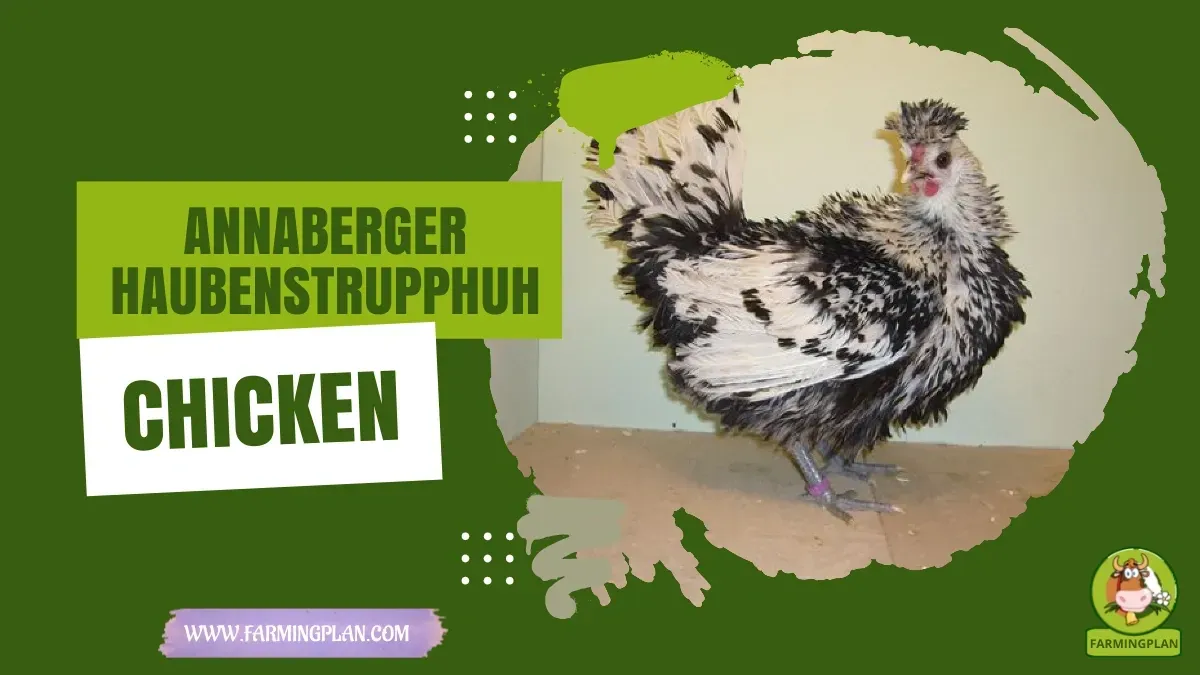
As a lifelong poultry specialist, I love sharing my passion for unique backyard flocks, and today I am excited to introduce you to the remarkable Annaberger Haubenstrupphuhn chicken. If you search for rare German chicken breeds or check out an Annaberger Haubenstrupphuhn chicken Wikipedia entry, you will see how special this crested chicken breed really is. Crested chicken breeds with pictures often show off fancy feathering, but this bird combines a striking crest with charming frizzled feathers. Raised originally in Germany, this rare layer offers a wonderful mix of beauty and steady egg production.
Whether you want to buy an Annaberger Haubenstrupphuhn or just explore crested chickens for sale near me, this guide covers everything you need to know. From understanding their foraging abilities to managing their temperament, I will help you raise healthy chicks and adult birds. We will explore how they compare to the Polish crested chicken, Silver Duckwing Leghorns, Malays, Orpington, Australorp, Plymouth Rock, Wyandotte, Sussex, and Kraienköppe. Let’s jump into the fascinating world of this unique breed! Master Annaberger Haubenstrupphuhn chicken care with my expert guide on diet, breeding, housing, and health for this rare breed.
| Attribute / Metric | Specification & Benchmark |
|---|---|
| Classification & Class | Poultry / Domestic Fowl (Gallus gallus domesticus) |
| Primary Production Focus | Egg Production & Dual-Purpose Backyard Flock |
| Productivity / Performance Yield | 200 to 280+ standard grade eggs per year |
| Mature Benchmark Weight / Size | Roosters: 6.0–8.5 lbs (2.7–3.9 kg) | Hens: 4.5–6.5 lbs (2.0–3.0 kg) |
| Temperament & Behavior | Docile, curious, excellent pasture forager |
| Climate & Environmental Hardiness | Hardy across temperate, cold, and warm seasons |
| Management & Homestead Rating | Beginner to Intermediate Friendly |
History & Origin Of Annaberger Haubenstrupphuhn Chicken
My journey with German poultry standards started years ago when I first saw rare local types at an exhibition. The Annaberger Haubenstrupphuhn chicken originated in the Ore Mountains of Saxony, Germany, around 1957. Local breeders wanted to create a bird that possessed an ornamental look while staying sturdy enough for backyard life. They crossed Appenzeller Spitzhauben, Silkies, Chabos, and Brabanter chickens to achieve this peculiar feather structure.
This breed slowly gained recognition across European poultry circles, earning a place alongside traditional birds. Judges evaluate them at major shows using precise judging points established by breeding associations. While imported lines traveled to the Netherlands and caught the eye of the Poultry Club of Great Britain, they remain quite rare overall. Enthusiasts like expert Blackwell have worked hard to keep these heritage genetics alive. Knowing this historical background makes keeping these show bird varieties truly special for any flock owner.
Characteristics Of Annaberger Haubenstrupphuhn Chicken
When you look at this breed, the first thing you notice is its wild, turned-back frizzle plumage combined with an upright spitzhaube-style crest. Their feathers curl outward and backward, giving them a distinctively fluffy appearance. Roosters weigh around 1.5 kilograms, while hens weigh about 1.3 kilograms, placing them in a light, agile size class. They feature small V-shaped combs, bright dark eyes, and slate-blue to dark legs that give them a balanced stance.
You can find them in several officially recognized coat colors, including pure white, solid black, and eye-catching black-and-white mottled patterns. Unlike heavily feathered Silkies, their feather shafts are strong yet curved. Their crest points upward and slightly forward, which keeps their eyes somewhat clearer than Polish crested chickens. Their small wattles reduce the chance of frostbite during cold winters, making their physical build both striking and practical for proper care.
Temperament And Nature Of Annaberger Haubenstrupphuhn Chicken
I always tell new flock owners that temperament makes or breaks your chicken-keeping experience. This breed has a remarkably gentle, docile, and friendly nature that makes them a joy to handle. They love interacting with their human caregivers, often trotting over to greet you when you enter the run with treat bowls. Their calm attitude makes them ideal pets for families with young children or beginners looking for non-aggressive birds.
They display great curiosity and enjoy exploring the yard, but their reduced flight capability due to frizzled feathers keeps them close to home. They adapt well to mixed flocks containing calm breeds like Australorp, Sussex, or Orpington. However, because they are soft-tempered, you must protect them from pushy breeds like Malays or aggressive Leghorns. Their trusting character requires a peaceful coop environment where they can thrive without stress.
Food & Diet Of Annaberger Haubenstrupphuhn Chicken
Feeding your flock the right nutrition ensures bright feathers and steady egg production. I start my young chicks on a 20% protein starter crumble for the first eight weeks to encourage strong feather development. Once they reach sixteen weeks, I transition them to a high-quality 16% protein layer feed. Because their unique frizzle feathers take more energy to grow during molt, I increase their protein intake slightly with dried mealworms or sunflower seeds during autumn.
Clean water must remain available at all times, as dehydration quickly lowers egg output. Offer free-choice insoluble granite grit to help them digest seeds, alongside crushed oyster shells for extra calcium. Avoid feeding them avocado pits, salty processed foods, raw beans, or spoiled greens. I love scattering leafy greens, apples, and flock blocks in the run to encourage their natural foraging habits while providing nutrient-dense treats.
Usage & Purpose Of Annaberger Haubenstrupphuhn Chicken
This dual-purpose ornamental bird fits perfectly into backyard homesteads and exhibition halls. While many keepers choose them purely as pet-quality show birds, hens provide a steady supply of cream or white eggs throughout the laying season. Expect an average egg count of roughly 120 eggs per year, which offers a reliable yield for home kitchens without overworking the bird’s system.
Their main appeal lies in their unique appearance and friendly charm. Breeders display them at poultry shows to earn awards based on strict standard requirements. They also work wonderfully as garden helpers, scratching through compost and eating small insect pests. If you want a conversation starter that produces fresh eggs for breakfast, this breed delivers incredible value to your homestead.
Special Features Of Annaberger Haubenstrupphuhn Chicken
The most eye-catching trait of this bird is its unique combination of a forward-pointing crest and curled frizzle plumage. Most crested breeds have smooth body feathers, but this German creation blends both traits harmoniously. Their small V-comb and hidden wattles offer great forgiveness against freezing winter weather, making them surprisingly cold-hardy when housed in dry draft-free coops.
Another special feature is their low broodiness rate compared to Silkies or Orpingtons. Hens spend more time laying eggs rather than sitting constantly on empty nests. Their active foraging abilities allow them to find bugs, grass, and seeds across free-range yards. These combined traits create an ornamental bird that stays active, hardy, and easy to manage throughout the changing seasons.
Health Issues & Prevention Tips Of Annaberger Haubenstrupphuhn Chicken
Keeping your birds healthy requires daily observation and proactive coops management. Because their frizzle feathers do not lay flat, water slides off less effectively, making them vulnerable to chilling in heavy rains. You must provide covered outdoor runs to keep their plumage completely dry during rainstorms. Check their crests regularly to ensure feathers do not block their vision or collect debris that attracts mites.
| Issue | Symptoms | Prevention Strategy | Treatment Plan |
| Wet Feathers / Chilling | Shivering, huddling, damp crest | Covered run areas, dry bedding | Move to warm area, blow-dry gently |
| External Mites & Lice | Scratching, dirty vent, crest loss | Regular dust baths with wood ash | Apply poultry-safe permethrin dust |
| Respiratory Distress | Sneezing, bubbles in eyes, rattling | Proper coop ventilation, low dust | Isolate bird, offer supportive vitamins |
Diese Struppfiedrigkeit ist gemeinsam mit der nach oben hin etwas breiter werdenden Haube bei Hühnerrassen sehr ungewöhnlich. Die struppige Wirkung entsteht durch eine leicht angerollte, rückwärtige Krämmung der Federn. Inspect their feet for bumblefoot and keep coops clean to prevent internal parasite buildup. Regular dusting boxes filled with clean sand and diatomaceous earth keep feather lice away naturally.
Step-by-Step Pet Owner Care Guide
Raising these beautiful birds brings immense joy to your daily farm routine, but starting off on the right foot ensures long-term success. I have broken down the complete care process into manageable steps so you can create a safe, healthy, and happy home for your flock from chickhood to adulthood. Leave a comment below, share your questions, or share this guide with your fellow poultry lovers today!
Step 1: Setting Up The Brooder And Housing
Creating the right initial environment protects delicate chicks as they grow their first set of curled feathers. Set up a secure brooder box using solid plastic or wood walls that block cool air drafts. Cover the floor with pine shavings, avoiding slick newspaper that causes splayed legs. Install a safe heat lamp or radiant heat plate set to 95 degrees Fahrenheit for the first week, lowering the temperature by 5 degrees every week until they feather out fully.
Build a coop that provides at least 4 square feet of indoor floor space per bird, along with 10 square feet per bird in the outdoor run. Ensure roosting bars are smooth and low to the ground, as frizzle feathers reduce flight mobility. Add covered roof sections over the outdoor run so your birds stay protected from rain, wind, and harsh snow.
Step 2: Daily Feeding And Fresh Water Management
Proper daily nutrition maintains brilliant feather structure and keeps egg production consistent throughout the year. Fill feeder troughs with fresh, high-quality commercial feed every morning to prevent mold growth. Ensure waterers stay clean and free of bedding or droppings by elevating them off the ground to shoulder height on sturdy wooden blocks.
Check water containers twice daily during cold winter months to ensure ice does not restrict drinking access. Provide a separate small cup of free-choice oyster shell for laying hens to support strong eggshells. Throw small handfuls of scratch grains or fresh greens into the run during afternoon hours to encourage healthy exercise and active foraging habits.
Step 3: Coop Sanitation And Parasite Control
A clean environment prevents respiratory illness and stops parasite infestations before they begin. Scoop manure under roosting bars every morning and refresh damp pine bedding immediately to keep humidity levels inside the coop low. Perform a complete coop scrub-down twice every year by removing all litter, washing surfaces with mild soap, and allowing walls to dry completely.
Inspect your birds every two weeks by lifting their crest feathers and checking around their vent for lice or red mites. Provide a permanent indoor or covered dust bath box filled with clean dry sand, peat moss, and natural wood ash. This allows your flock to groom their unique feathers naturally while keeping external parasites away without heavy chemical treatments.
Expert Tips & Best Practices For Annaberger Haubenstrupphuhn Chicken
- Trim visual crest feathers gently using blunted safety scissors if you notice birds startling easily due to restricted peripheral vision.
- Provide wide, low-mounted ramp access to nesting boxes so birds do not hurt their legs jumping down.
- Avoid housing this docile breed with overly aggressive roosters or dominant meat birds like Malays.
- Install covered sand runs to keep ground dampness off body feathers during wet spring seasons.
- Feed extra protein treats like dried mealworms during autumn molting to help grow dense new frizzle plumage fast.
- Hang fresh cabbage heads in the run during winter months to prevent boredom and stop feather pecking habits.
- Place water fountains at shoulder height so birds do not dip their soft crests while drinking.
FAQs
How many eggs does an Annaberger Haubenstrupphuhn lay each year?
An Annaberger Haubenstrupphuhn lays around 120 small to medium cream or white eggs annually. Their egg count remains steady throughout the warmer months with proper light and feeding.
Can Annaberger Haubenstrupphuhn chickens tolerate cold winter climates?
Yes, they possess great cold-hardy traits due to their small V-combs and compact body size. However, you must keep them completely dry because their frizzled feathers do not repel rain well.
Are Annaberger Haubenstrupphuhn chickens suitable for suburban backyards?
They make ideal backyard pets due to their docile temperament, quiet nature, and small body size. Their limited flight ability keeps them safely contained within modest fence heights.
Where did the Annaberger Haubenstrupphuhn chicken breed originate?
This breed was developed in 1957 in the Annaberg region of Saxony, Germany. Breeders crossed Chabos, Silkies, Brabanter, and Appenzeller Spitzhauben to create this ornamental bird.
Do Annaberger Haubenstrupphuhn hens get broody often?
Hens rarely go broody compared to other crested or frizzled breeds. They focus most of their energy on foraging and laying eggs rather than sitting on nests.
Conclusion
Keeping the Annaberger Haubenstrupphuhn chicken brings incredible color, personality, and charm to any backyard homestead. As a dedicated farming specialist, I find that their unique frizzle plumage, friendly nature, and reliable egg production make them a true joy to raise. While they require extra protection from heavy rain and cold mud, their gentle spirit repays your effort tenfold. By following the feeding guidelines, housing setups, and health tips shared in this guide, you can confidently build a thriving flock of these rare German treasures. Now it is your turn to jump into this rewarding hobby! Have you ever raised crested or frizzled chicken breeds before?