

⚡ Ankole Cattle at a Glance: Key Specifications & Benchmarks
| Primary Agricultural Purpose | Heritage breeding, productive output & homestead utility |
| Standard Mature Size | Balanced breed conformation benchmark |
| Primary Production Yield | High-efficiency commercial / farm output |
| Feed Conversion & Forage | Excellent roughage & pasture converter |
| Climate Resilience | USDA Zones 4–9 (All-weather hardiness) |
| Temperament & Handling | Docile, manageable & alert |
| Management Level | Beginner to Intermediate friendly |
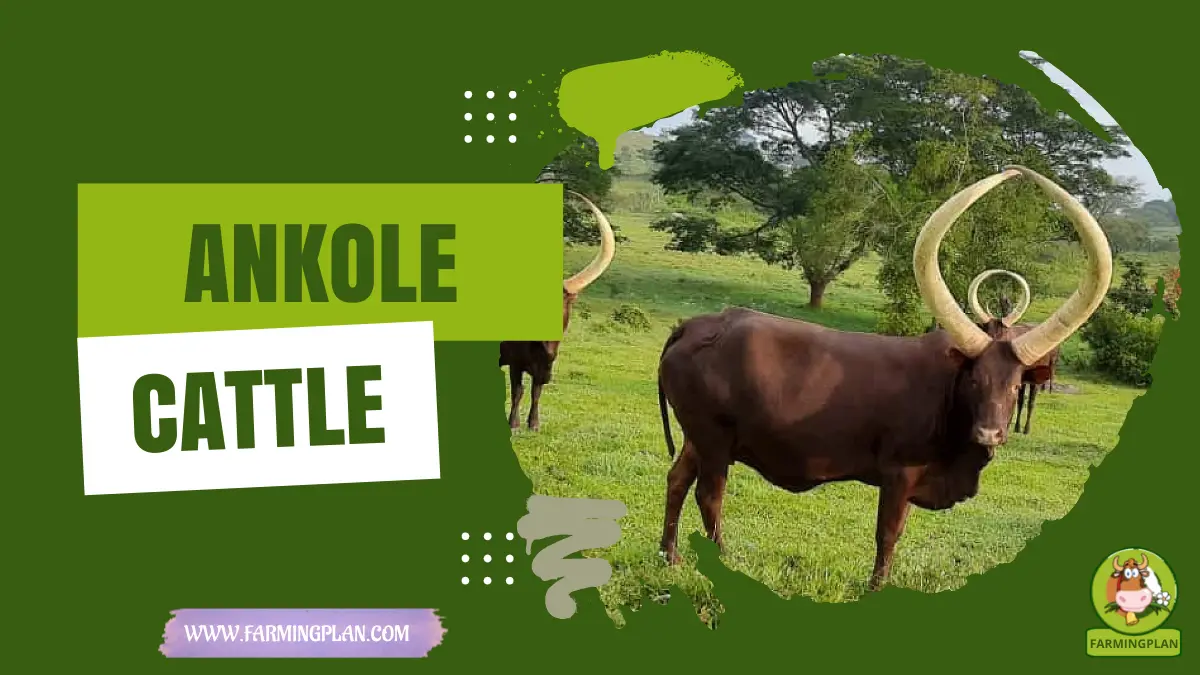
The Ankole cattle breed, famously known across the Western Hemisphere as the Ankole-Watusi, is an ancient bovine masterpiece of African pastoral history. Revered for millennia as the Cattle of Kings by the Bahima and Tutsi pastoralist peoples of Uganda, Rwanda, and Burundi, this majestic Sanga longhorn is instantly recognizable by its immense, sweeping horns. Far more than cosmetic ornaments, these magnificent horns function as sophisticated biological radiators, allowing Ankole cattle to thrive under scorching equatorial sun and severe drought.
Unlike modern European industrial cattle that require lush clover pastures, heavy grain rations, and climate-controlled barns, the Ankole is a master of survival. They digest coarse woody scrub, fibrous mountain grasses, and scrub brush with remarkable efficiency. In addition, Ankole cows produce milk with astonishing butterfat levels (averaging 8% to 10%) while delivering unassisted live calves year after year into their twenties.
This technical management handbook provides a complete guide to raising, handling, feeding, and breeding Ankole cattle on modern pastures. From wide-gate corral infrastructure and thermal horn biology to calving management and artisanal beef marketing, this guide equips ranchers with authoritative bovine stewardship practices.
Origins, Sanga Bovine Lineage & Sacred African History
The genetic ancestry of Ankole cattle dates back more than 6,000 years to the ancient Nile Valley. Archaeological pictographs in Egyptian tombs depict long-horned cattle that represent the ancestral foundation of the Sanga cattle group—a natural stabilized hybrid between Egyptian longhorns (Bos taurus) and humped Zebu cattle (Bos indicus) from the Indian subcontinent.
The Royal Herds of East Africa
As pastoral migrations moved southward along the Great Rift Valley, these cattle became central to the cultural life of the Bahima kingdom of Ankole in Uganda and the royal courts of Rwanda. Kings selected animals with sweeping lyre-shaped horns and deep reddish-brown coats, known as Inyambo. These cattle were never slaughtered for ordinary meat; instead, they provided ceremonial milk, blood, and social prestige.
Export to Europe and North America
In the late nineteenth and early twentieth centuries, European zoological gardens imported Ankole cattle from East Africa. In the 1960s, American exotic animal breeders and progressive cattlemen brought breeding stock to North America, forming the World Watusi Association. Breeders quickly recognized that their hybrid vigor, disease resistance, and calving ease offered valuable genetics for crossbreeding programs.
Modern Role in Regenerative Ranching
Today, Ankole cattle are prized across dry rangelands in the American West, Australia, and southern Africa. Operating alongside specialized beef breeds like Amerifax cattle and Anatolian Black cattle, the Ankole clears woody brush, aerates tough soils, and generates premium pasture beef with low input costs.
Breed Standards, Horn Anatomy & Conformation
The Ankole is a medium-framed bovine possessing an elegant, stately presence characterized by clean limbs, a slight cervicothoracic hump, and gigantic horns. Conformation balances functional mobility with structural durability.
⚡ Ankole Cattle Production & Grazing Matrix
| Biological Parameter | Breed Benchmark | Commercial Herd Range |
|---|---|---|
| Mature Bull Weight | 1,800–2,400 lbs | Deep chest, muscular hindquarters |
| Mature Cow Weight | 1,200–1,600 lbs | Moderate frame, high calving ease |
| Carcass Dressing Percentage | 58–63% | High yield Grade 1-2 marbling |
| Weaning Weight (205 days) | 520–640 lbs | Rapid forage-to-protein conversion |
| Calving Ease Score | 96–99% unassisted | Vigorous newborn calf instinct |
| Pasture Forage Efficiency | Excellent roughage utilization | Thrives on native grass & legumes |
Body Dimensions and Stature
Mature bulls weigh between 1,000 and 1,600 pounds (450 to 730 kg), while adult cows weigh 800 to 1,200 pounds (360 to 540 kg). The neck carries a small neck hump in bulls, while the dewlap is moderately developed to aid heat dissipation. Legs are long, straight, and clean, ending in hard, durable hooves that allow cattle to travel miles daily over rocky range ground.
The Honeycomb Vascular Horn Structure
The hallmark of the Ankole is its massive horns. Horn spreads commonly exceed 6 to 8 feet tip-to-tip, with base circumferences reaching 20 to 35 inches. Internally, the horn core consists of a porous, honeycomb bone structure filled with a dense network of blood vessels. Blood circulating through this honeycomb horn is cooled by ambient breezes before returning to the body, lowering core body temperature during severe heat.
Coat Color Patterns and Hide
The primary and most prized color is solid deep red to rich mahogany. However, black, brown, dun, and striking spotted patterns (featuring white patches, spots, and roan ticking over a dark base) are fully recognized. The hair is short, sleek, and dense, resisting external tick attachment.
Herd Temperament, Grazing Behavior & Maternal Instincts
Ankole cattle possess a gentle, calm, and intelligent temperament when managed with respectful handling techniques. Because they are aware of their immense horn span, they tilt their heads gracefully when navigating gates, showing remarkable spatial coordination.
Cohesive Herd Protection Circle
In open pastures, Ankole cattle display ancient communal defense instincts. When predators like coyotes, wolves, or stray dogs approach, the adult cows and bulls form a tight defensive ring with their massive horns pointed outward, enclosing newborn calves safely in the center. This natural circular defense eliminates calf predation without human intervention.
Foraging Thriftiness and Browse Preference
Ankole cattle are versatile grazers and browsers. In addition to eating pasture grasses, they eagerly consume woody shrubs, tree boughs, prickly brush, and tough reeds that conventional cattle refuse to touch. Their browsing habits open up neglected brushland, converting invasive scrub into rich soil manure.
Calving Ease and Maternal Care
Ankole cows are legendary for trouble-free calving. Newborn calves are small and streamlined, weighing only 30 to 45 pounds at birth, eliminating dystocia and the need for veterinary pulling assistance. Calves jump to their feet within minutes, nurse vigorously, and can run alongside the herd within hours of birth.
Infrastructure Design, Wide Gates & Corral Management
Managing cattle with eight-foot horn spans requires thoughtful facility design. Standard squeeze chutes and narrow handling alleys designed for polled cattle will trap and break Ankole horns.
Wide Alleyways and Pasture Gate Dimensions
All pasture gates must be at least 12 to 16 feet wide to allow cattle to pass comfortably without colliding horn tips. Working corrals and crowding tubs should feature sweeping, open curved alleys at least 10 to 12 feet wide. Never force Ankole cattle through narrow 28-inch commercial cattle alleys.
Handling Chutes and Modified Restraint
For veterinary examinations, vaccinations, and ear tagging, utilize specialized wide-open drop-side chutes or sweep pens with heavy rope halters. Many ranchers utilize simple wooden holding pens with padded swing gates that gently restrain the animal’s body while leaving the head and horns completely unobstructed.
Pasture Fencing and Winter Windbreaks
Standard 5-strand barbed wire or high-tensile electric fencing (3 strands, 48 inches high) easily restrains Ankole cattle. Because their calm disposition means they rarely challenge fence lines, good boundary maintenance is simple. In cold northern climates, provide dense evergreen windbreaks or three-sided pole barns bedded with straw during freezing blizzards.
Nutritional Requirements, Rangeland Forage & Minerals
The Ankole possesses an exceptionally efficient digestive tract developed to extract maximum nutrition from dry, low-protein native rangeland. Overfeeding high-energy grain rations can lead to ruminal acidosis and excessive internal fat accumulation.
Rangeland Grazing and Hay Rations
During the grazing season, native grass pastures and mixed brush provide 100% of the herd’s nutritional requirements. In winter, mature cows maintain body condition on medium-quality grass hay (8% to 10% crude protein), consuming approximately 2% of their body weight in dry matter daily (18 to 22 lbs of hay per day).
Free-Choice Mineral Supplementation
Maintaining massive horn bone density requires continuous access to balanced mineral supplements. Provide free-choice loose beef cattle minerals containing calcium (12% to 16%), phosphorus (6% to 8%), copper, zinc, selenium, and iodized salt. Adequate calcium ensures solid horn calcification in growing yearlings.
Water Consumption and Heat Resilience
Ankole cattle can survive on once-daily watering during severe drought, though providing continuous clean water optimizes milk yield and growth. Consult national grazing standards from the USDA APHIS Cattle Health Division for holistic herd nutrition models.
Herd Health Management, Biosecurity & Veterinary Care
Ankole cattle enjoy exceptional natural immunity against external parasites, eye carcinomas, and common respiratory ailments. Their hardy constitution translates to minimal veterinary bills compared to European cattle breeds.
Tick Resistance and Pinkeye Immunity
Due to their thick, tight hides and twitching subcutaneous muscle response, Ankole cattle demonstrate strong natural resistance to tick infestation and biting flies. In addition, their pigmented eye rings provide complete immunity to bovine infectious keratoconjunctivitis (pinkeye) and solar eye cancer that frequently blind white-faced cattle.
Core Bovine Vaccinations
Maintain an annual herd vaccination program including 7-way or 8-way Clostridial bacterin (blackleg, malignant edema, enterotoxemia) and BVD/IBR/PI3/BRSV respiratory complex vaccines. Vaccinate breeding cows for Leptospirosis and Vibriosis annually prior to bull turnout.
Horn Care and Injury Mitigation
Inspect horn tips periodically. If an animal cracks or chips an outer horn sheath on a gate post, treat the tip with pine tar or antiseptic spray. Because the vascular core does not extend to the very tip, minor horn chips heal naturally without bleeding. Never attempt to blunt or tip horns unless medically necessary under veterinary anesthesia.
Ranch Economics, Seedstock Value & Estimated Annual Budget
Ankole cattle offer diverse commercial revenue streams, ranging from premium breeding seedstock and agritourism to lean gourmet beef and decorative horn sales.
Seedstock, Crossbreeding and Horn Markets
Registered Ankole-Watusi breeding cows typically sell for $2,500 to $6,000, with elite trophy-horned herd sires commanding $8,000 to $20,000 at specialized longhorn auctions. Crossbreeding Ankole bulls onto commercial Angus or Hereford cows produces hardy, low-birth-weight calves that finish rapidly on grass pastures.
Estimated Annual Budget for an Ankole Cow-Calf Unit
The following detailed cost breakdown outlines the annual recurring operational budget required to maintain one adult Ankole cow and her calf on rotational pasture:
| Cost Category | Annual Cost (USD) | Operational Parameters |
|---|---|---|
| Winter Pasture Hay & Supplemental Forage | $340 | Approx. 2.5 tons grass hay for non-grazing months |
| Loose Trace Minerals & Salt Blocks | $65 | Free-choice calcium, phosphorus, and copper tubs |
| Herd Vaccines, Dewormers & Fly Tags | $75 | Annual 8-way clostridial, respiratory shots, deworming |
| Fence Upkeep & Water Facility Maintenance | $80 | Electric energizer power, float valves, wide gates |
| Breed Registration & Pedigree Transfers | $40 | World Watusi Association registration and DNA records |
| Total Estimated Annual Budget | $600 | Annual maintenance cost per productive breeding unit |
Artisanal Grass-Fed Beef Quality
Ankole beef is naturally lean, ultra-low in cholesterol, and rich in heart-healthy omega-3 fatty acids. Direct-to-consumer grass-fed beef cuts sell at premium retail prices ($7.50 to $11.00 per pound). Learn more about sustainable beef grazing systems in our guide to rotational pasture beef management.
🐄 Ankole Cattle Daily Forage & Bale Calculator
Calculate daily dry matter forage, winter round bale consumption, pasture allocation, and water requirements for Ankole Cattle cattle.
Frequently Asked Questions About Ankole Cattle (FAQ)
Why do Ankole cattle have such huge horns?
Ankole cattle evolved gigantic horns with an internal honeycomb vascular structure that acts as a natural blood radiator, dispersing excess body heat to keep the animal cool in hot climates.
What is the difference between Ankole and Texas Longhorn cattle?
Ankole cattle belong to the African Sanga bovine group and possess horns with massive base circumferences and upright, lyre-shaped curves. Texas Longhorns are European Bos taurus with flatter, sideways-twisting horns.
Are Ankole cattle aggressive with their large horns?
No, Ankole cattle are remarkably docile and gentle. They are highly conscious of their horn width and tilt their heads skillfully when walking through gates and around human handlers.
What is Ankole cattle milk like?
Ankole cows produce rich, creamy milk with exceptionally high butterfat content (8% to 10%), making it ideal for artisanal butter and rich cheeses, though daily volume is modest (2 to 4 gallons).
Practical Summary & Ranch Implementation Guide
The Ankole cattle breed combines majestic visual grandeur with extraordinary biological resilience. With thermal heat regulation, unassisted calving ease, and thrifty browse conversion, these noble African longhorns offer sustainable advantages for modern pasture ranching.
Ensure success by installing wide pasture gates, providing loose calcium-rich minerals, and practicing low-stress cattle handling. Discover more about heritage livestock by exploring our comprehensive profiles on Amerifax cattle and Anatolian Black cattle. Visit our central beef cattle production directory today.
Expert Verdict & Next Steps for Ankole Cattle Keepers
Successful management of Ankole Cattle hinges on rigorous adherence to species-specific housing dimensions, precision daily nutrition, and proactive biosecurity protocols. Whether you are managing commercial production or establishing a self-sufficient homestead breeding flock, maintaining disciplined husbandry standards ensures long-term vitality, exceptional output yields, and sustainable enterprise profitability.
By pairing predator-proof shelter infrastructure with high-quality rations and regular veterinary wellness monitoring, growers can confidently optimize productive longevity across all life stages. For comprehensive operational management blueprints and companion breed guides, explore our complete technical library in Farming Plan Agricultural Guides.
📚Agricultural Reference & Scientific Citations
Standards and physiological data referenced in this guide comply with USDA Animal and Plant Health Inspection Service (APHIS), American Veterinary Medical Association (AVMA), and the FAO Domestic Animal Diversity Information System.


