

📊 American Pit Bull Terrier at a Glance: Key Specifications & Production Benchmarks
| Scientific Name & Class | Canis lupus familiaris (Terrier Group) |
| Breed Recognition Standard | UKC First Recognized Breed 1898; ADBA Standard |
| Mature Male Height & Weight | 18 to 21 inches at withers; 35 to 60 lbs (16 to 27 kg) |
| Mature Female Height & Weight | 17 to 20 inches at withers; 30 to 50 lbs (14 to 23 kg) |
| Physical Silhouette & Frame | Lean, chiseled athletic musculature; low body fat percentage |
| Primary Working Purpose | Catch dog (feral hogs), farm boundary guardian, weight pulling |
| Temperament & Disposition | Eager to please, courageous, exceptionally friendly toward humans |
| Exercise & Drive Benchmark | Extremely high drive; requires 90+ minutes daily structured work |
| Average Working Lifespan | 12 to 14 years with sound conditioning and joint care |
| Coat Type & Maintenance | Short, stiff, glossy single coat; minimal grooming needs |
The American Pit Bull Terrier (APBT) is one of the most athletic, capable, and misunderstood working dog breeds in North American history. Distinct from modern, bulky bully varieties, the true historic APBT is a lean, medium-sized powerhouse of explosive speed, supreme tenacity (‘gameness’), and extraordinary human loyalty that served 19th-century American homesteaders as a catch dog, vermin eradicator, and devoted guardian. Matching forage or ration quality to life stage optimizes American Pit Bull Terrier growth.
Whether you are utilizing working terriers for wild hog containment or evaluating utility companions through our comprehensive farm working dogs directory, the American Pit Bull Terrier demands disciplined, knowledgeable leadership. In rural environments, their athletic stamina and drive make them unmatched working partners when managed with structure and socialization.
Contrary to popular myths, a well-bred APBT possesses an affectionate, trustworthy nature toward humans, historically earning the moniker of ‘nursemaid dog’ on American frontier farms. In this technical husbandry manual, we analyze conformation standards, spring pole conditioning, escape-proof fencing, high-energy nutrition, and livestock neutrality training. Gradual dietary transitions protect digestive stability in American Pit Bull Terrier.
Physical Characteristics & Breed Standards
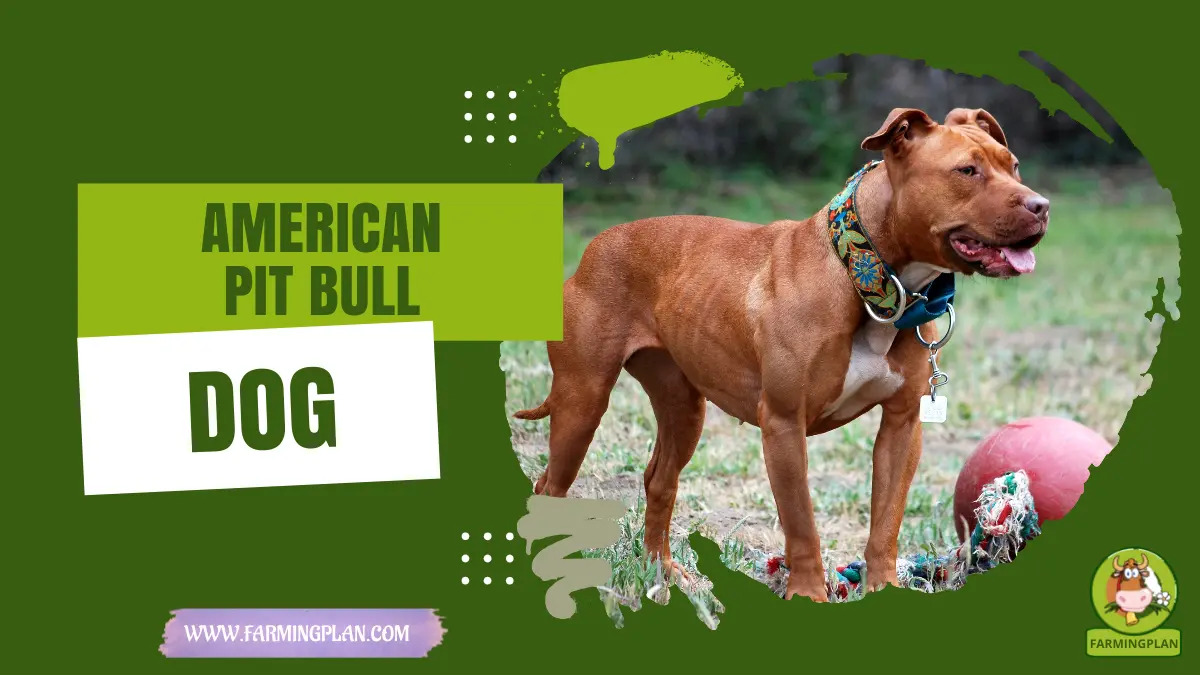
The authentic American Pit Bull Terrier is an elite athlete whose conformation balances explosive power with agile speed. Their body must never appear clumsy, excessively broad, or bow-legged like modern show bullies.
Every structural angle of their skeleton is engineered for rapid directional shifts, high-impact running, and continuous physical endurance without respiratory restriction.
Conformation Standards & Anatomical Structure
The head is medium in length, with a broad, flat skull and prominent cheek muscles that taper to a deep, square muzzle. The jaws are exceptionally powerful, with a scissor bite and tight, clean lips. The eyes are round to almond-shaped, set low and wide, expressing an alert, confident, and enthusiastic gaze. Selecting healthy foundation stock is the cornerstone of successful American Pit Bull Terrier management.
The neck is heavily muscled, cleanly arched, and widens gradually into well-laid-back shoulder blades. The chest is deep and well-filled but not excessively wide, allowing the elbows to move cleanly beneath the ribcage without outward turning.
The loin is short, muscular, and slightly arched, terminating in a gently sloping croup. The tail is an extension of the topline, tapering to a fine point (‘crank tail’) carried low or in a gentle sabre curve. The coat is glossy, short, and stiff to the touch, repelling dirt and burrs.
Size, Weight Benchmarks & Color Variations
Mature males weigh strictly between 35 and 60 pounds, standing 18 to 21 inches at the shoulder. Mature females weigh 30 to 50 pounds, standing 17 to 20 inches. Maintaining lean athletic conditioning is critical; an overweight pit bull experiences premature cruciate ligament tears and joint degeneration. Good predator-proofing and dry bedding safeguard American Pit Bull Terrier comfort in harsh weather.
Plumage coloration in the APBT displays total diversity: red, black, brindle, fawn, blue, white, and chocolate markings are all recognized. Only the merle pattern is disqualified in standard registries due to associated genetic health risks.
Their skin is firm and tight-fitting across the muscular frame, with well-padded, arched paws that withstand rocky soil and brambles during vigorous farm tasks.
📊 American Pit Bull Terrier Performance & Production Matrix
| Physical Metric | True APBT (Working Line) | American Bully (Exotic) | American Staffordshire Terrier |
|---|---|---|---|
| Working Weight Standard | 35 to 60 lbs (Lean athletic) | 70 to 100+ lbs (Massive heavy) | 50 to 70 lbs (Substantial show) |
| Endurance & Stamina | Extreme (All-day farm conditioning) | Low (Respiratory limitations) | Moderate (Bench show agility) |
| Chest Breadth Ratio | Deep, proportional (Clear elbows) | Extremely wide (Bow-legged stance) | Broad, deep (Balanced) |
| Drive & Tenacity | Very High (Intense working drive) | Low to Moderate (Companion pet) | Moderate to High (Versatile) |
| Agility & Vertical Leap | Superior (Easily scales 6+ feet) | Poor (Heavy skeletal mass) | Moderate (Standard athletic) |
Breed History, Heritage & North American Development
The American Pit Bull Terrier traces its origins to the British Isles during the early 19th century, where breeders crossed the old-style working bulldog with agile terriers to create the ‘Bull and Terrier.’ These early dogs combined the tenacity and jaw strength of bulldogs with the lightning reflexes and drive of terriers. Monitoring water quality and mineral balance directly benefits American Pit Bull Terrier vitality.
Immigrants brought these dogs to the United States before the Civil War. On the American frontier, the breed found vital utility as an all-around farm dog, herd catch dog for unruly range cattle and wild hogs, family guardian, and vermin destroyer. Their bravery was legendary, serving as national mascots on World War I recruitment posters.
In 1898, C.Z. Bennett founded the United Kennel Club (UKC) specifically to register the American Pit Bull Terrier, assigning registration number 1 to his own dog, ‘Bennett’s Ring.’ The American Dog Breeders Association (ADBA) formed in 1909 to preserve working conformation. Today, the APBT continues to excel in weight pulling, dock diving, and rural catch work.
Housing, Shelter Dimensions & Winter Hardiness
Housing an American Pit Bull Terrier requires secure perimeter engineering. Because of their remarkable athleticism, tenacity, and vertical jumping ability, standard residential fencing is entirely inadequate. Practical hands-on husbandry ensures consistent results when raising American Pit Bull Terrier.
Spatial Density & Enclosure Engineering
Enclose outdoor yards with a minimum 6-foot heavy chain link or solid privacy fence. APBTs can easily scale a 5-foot fence using momentum; installing outward-facing lean-ins or roller bars along the top wire eliminates climb-over escapes.
Bury 12-gauge welded wire mesh 18 inches horizontally along the bottom fence perimeter to prevent digging escapes when pursuing ground squirrels or burrowing rodents. Outside kennels should feature concrete pads or heavy rubber paver flooring topped with a shaded canopy.
Because the APBT possesses a short single coat without an insulating undercoat, they cannot tolerate extreme cold. During winter weather below 32°F (0°C), house them inside temperature-controlled farm structures or the home with insulated dog cots and fleece blankets. Smallholders comparing closely related stock can also review our detailed Armenian Gampr Dog guide. Early intervention at the first sign of lethargy protects overall American Pit Bull Terrier flock or herd health.
Nutritional Requirements, Daily Rations & Feeding Protocols
An athletic American Pit Bull Terrier burns significant metabolic energy maintaining dense muscle tissue and executing high-impact workouts. A high-protein, clean-fat diet preserves their physical conditioning.
Crude Protein Benchmarks Across Life Stages
Feed active working APBTs a high-performance canine diet containing 28% to 32% crude protein and 18% to 22% healthy fats, yielding 450 to 520 kcal per cup. A conditioned 50-pound dog consumes between 2.5 and 4.0 cups of premium kibble daily, divided strictly into morning and evening rations.
Supplement their diet with glucosamine, chondroitin, and marine omega-3 fatty acids to protect stifle joints and hip cartilage against high-impact wear. Always provide continuous access to fresh water in chew-proof stainless steel pails, referencing feeding frameworks from our farm animal dietary resources. Structured culling and biosecurity protocols strengthen American Pit Bull Terrier genetic quality.
Avoid feeding large meals within one hour of intense exercise like spring pole work, flirt pole sprints, or weight pulling to eliminate the risk of gastric torsion.
Health Management, Common Diseases & Biosecurity Standards
The APBT is a robust, genetically tough breed, but their active lifestyle and short coat expose them to orthopedic injuries, skin allergies, and contact dermatitis.
Biosecurity Protocols & Veterinary Defenses
Cranial cruciate ligament (CCL) tears represent the most common orthopedic risk in high-drive terriers; keep dogs lean and avoid sharp turns on slick surfaces. Screen breeding dogs for hip dysplasia (OFA or PennHIP) and hereditary cataracts. Maintaining clean feeders and sanitized equipment supports sustainable American Pit Bull Terrier care.
Their short coat offers little defense against biting flies, ticks, and environmental allergens like pollen. Bathe every 3 to 4 weeks with chlorhexidine or oatmeal shampoo to calm skin flare-ups. Adhere to national veterinary standards from the AVMA Canine Preventive Health Guidelines and monitor biosecurity via our farm pet health protocols.
Administer monthly heartworm, flea, and tick preventatives year-round, particularly in warm rural climates where tick-borne Lyme disease and Ehrlichiosis flourish.
Breeding Criteria, Socialization & Drive Channeling
Breeding American Pit Bull Terriers requires uncompromising dedication to sound temperament, rock-solid stability around humans, and certified orthopedic clearances. Never breed dogs exhibiting human-directed fear or unprovoked instability. Consistent daily observation helps keepers spot early changes in American Pit Bull Terrier health and behavior.
Bitches whelp litters averaging 6 to 10 puppies following a 63-day gestation period. Maintain whelping dens at 85°F (29°C) with heating pads during week one. Wean puppies onto raw meat or high-protein puppy kibble gruel at 4 weeks.
Livestock socialization must begin early: expose puppies to livestock behind sturdy barriers from 8 to 16 weeks of age, reinforcing handler focus and punishing hyper-arousal. Channel their innate drive productively through spring poles, flirt poles, and obedience drills, comparing development to fellow working terriers like the American Hairless Terrier dog.
US Ownership Budget & Annual Maintenance Costs
The financial outlay for an American Pit Bull Terrier emphasizes secure fencing, heavy-duty training equipment, premium high-protein nutrition, and preventative veterinary orthopedic care. Clean housing, fresh water, and balanced nutrition remain essential for American Pit Bull Terrier productivity.
💰 Estimated Annual Budget & Maintenance Costs (USD)
| Budget Category | Item Description & Scope | Initial Capital Outlay | Annual Recurring Expense |
|---|---|---|---|
| Working Line Pedigree Pup | UKC/ADBA registered puppy from health-tested working stock | $800 – $1,800 | $0 (capital asset) |
| High-Security Yard Fencing | 6-ft commercial chain link with dig-barrier wire (100 ft) | $1,000 – $2,200 | $50 – $100 (hardware upkeep) |
| Spring Pole & Flirt Pole Setup | Heavy-duty outdoor spring pole, bite tugs, and flirt pole | $90 – $160 | $40 – $70 (tug replacements) |
| Performance High-Protein Kibble | Commercial 30/20 performance dog food (approx. 14 bags/year) | $65 (initial bag) | $700 – $900 |
| Veterinary Exams & Preventatives | Core vaccines, heartworm, flea/tick preventatives, annual checkup | $150 | $250 – $420 |
| Heavy Crate & Indestructible Bedding | Heavy-gauge aluminum crate and ballistic chew-proof bed pad | $200 – $380 | $30 – $60 |
| Total Working APBT Budget | Complete initial setup costs and recurring annual maintenance | $2,305 – $4,700 | $1,070 – $1,550 / year |
🐕 American Pit Bull Terrier Daily Calorie & Kibble Calculator
Calculate daily metabolizable energy (kcal/day), kibble cups, water, and monthly diet costs for your American Pit Bull Terrier.
Frequently Asked Questions (FAQ)
What is the difference between an American Pit Bull Terrier and an American Bully?
The APBT is a lean, athletic working terrier weighing 35 to 60 pounds bred for stamina and drive, whereas the American Bully is a heavier, broader companion breed bred for mass.
Can American Pit Bull Terriers live safely on farms with livestock?
Yes, with early structured socialization, obedience training, and secure boundary management, APBTs can learn livestock neutrality and serve as excellent farm guardians.
How much exercise does an American Pit Bull Terrier need daily?
An adult APBT requires at least 60 to 90 minutes of vigorous daily exercise, including flirt pole work, spring pole tugging, running, and structured obedience drills.
Are American Pit Bull Terriers naturally aggressive toward people?
No, authentic well-bred APBTs are naturally affectionate, eager to please, and gentle toward humans; historical breed standards strictly penalized human aggression.
How tall of a fence do you need for an American Pit Bull Terrier?
Install at least a 6-foot heavy chain link or privacy fence with subterranean dig-prevention barriers, as athletic terriers can easily leap or scale 4-to-5-foot fences.
What is the average lifespan of an American Pit Bull Terrier?
American Pit Bull Terriers enjoy an average lifespan of 12 to 14 years when supported by lean body conditioning, high-protein nutrition, and regular veterinary care.
Expert Verdict & Next Steps for Working Handlers
The American Pit Bull Terrier is an exceptional working canine whose athletic capacity, courage, and intense devotion make it a peerless asset for dedicated rural handlers. In the hands of a knowledgeable owner who provides firm structure, ample exercise, and secure enclosures, the APBT shines as a loyal farm companion.
By investing in 6-foot perimeter fencing, feeding performance protein rations, and channeling their working drive through structured tasks, you will enjoy a vibrant canine partner for well over a decade. Explore our guide on small farm animals and working guardians to expand your homestead animal team.
📚Agricultural Reference & Scientific Citations
Standards and physiological data referenced in this guide comply with USDA Animal and Plant Health Inspection Service (APHIS), American Veterinary Medical Association (AVMA), and the FAO Domestic Animal Diversity Information System.


