

⚡ American Game Chicken Quick Reference Data
| Standard Cock Weight | 4.5 – 5.5 lbs (2.0 – 2.5 kg) |
| Standard Hen Weight | 3.5 – 4.0 lbs (1.6 – 1.8 kg) |
| Egg Production | 80 – 120 medium tinted/cream eggs annually |
| Maternal Broodiness | Exceptional; legendary mothering and chick defense |
| Comb & Wattle Type | Small single comb (often dubbed for historical show standard) |
| Foraging Efficiency | Superb free-range predator vigilance and insect hunting |
| Cold & Heat Tolerance | Hardy in diverse climates; roosts high off damp ground |
| Temperament | Alert, spirited, fiercely territorial among roosters; calm with keepers |
| Heritage Classification | American Poultry Association (APA) Recognized Heritage Gamefowl |
The American game chicken represents one of the oldest and most resilient avian breeds developed on the North American continent. Bred from historical European game fowl imported during colonial times, these birds were cultivated for exceptional constitution, agility, and keen survival intelligence. Today, sustainable homesteaders and heritage poultry preservationists value american game chickens for their unmatched free-range insect foraging and attentive maternal brooding. Seasonal adjustments to shelter and diet keep american game chicken thriving year-round.
Managing american game fowl requires a specialized approach that respects their territorial instincts and natural flight capabilities. Unlike placid commercial layers, gamefowl chickens roost high in tree canopies if given the choice and maintain fierce flock hierarchies. Learn more about complementary pasture fencing and predator boundaries in our comprehensive guide on predator-proof perimeter fencing. Proper record-keeping makes breeding and culling decisions easier for american game chicken keepers.
Whether you are cultivating heritage bloodlines like Roundheads, Clarets, or Brown Reds, or utilizing them as broody foster mothers for delicate waterfowl, understanding their housing needs and nutritional ratios is essential. This technical manual details breed history, flock social dynamics, nutritional formulation, housing construction, and flock biosecurity. Providing adequate space and ventilation prevents common stress issues in american game chicken.
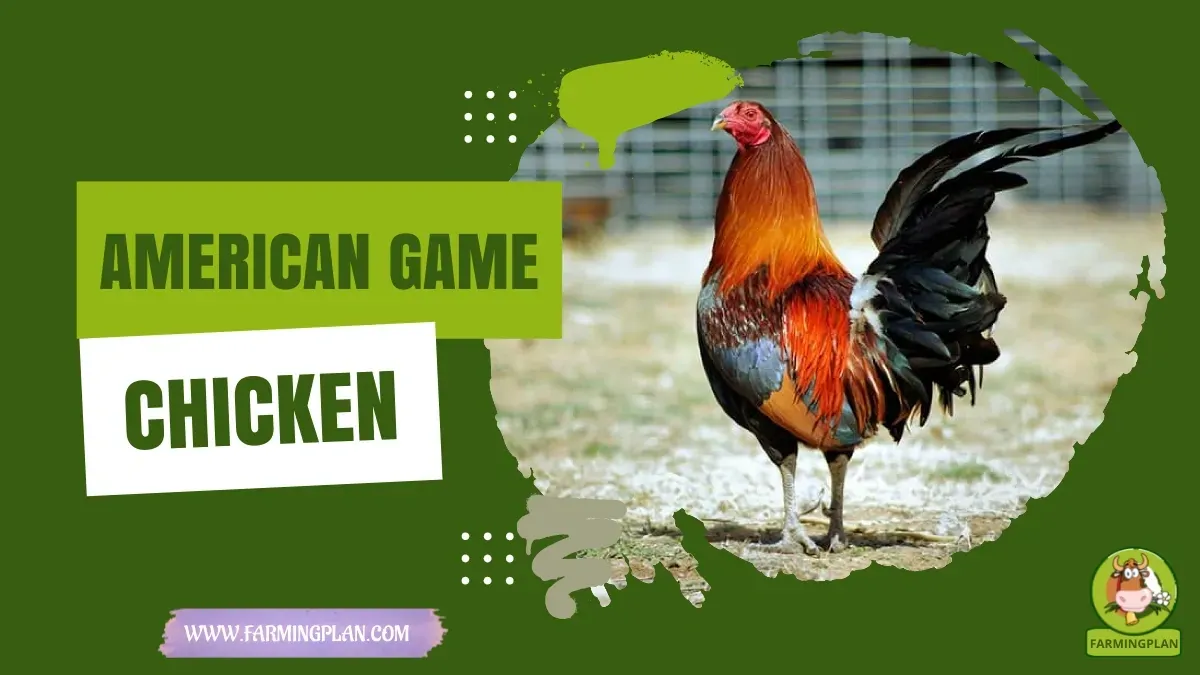
Colonial Origins & Heritage Bloodlines
The American Game chicken descends from Old English Games and Irish game fowl brought across the Atlantic by early British, Irish, and European settlers in the seventeenth and eighteenth centuries. In the rugged agricultural conditions of early America, these birds had to fend for themselves against native predators such as hawks, foxes, and raccoons, while finding forage in pastures and woodlands. Understanding breed-specific traits helps maximize american game chicken longevity and output.
Over generations, regional poultry masters developed renowned family strains celebrated for specific plumage patterns and physical stamina. Strains such as the Whitehackle, Claret, Albany, and Roundhead became legendary. When cockfighting was universally banned across the United States, conservationists formed exhibition standards, preserving these athletic heritage birds for exhibition, homestead pest management, and natural broodiness. Routine preventive care saves time and lowers veterinary costs for american game chicken.
Modern smallholders appreciate these heritage genetics because they lack the metabolic vulnerabilities common in industrialized broiler and hybrid layer strains. Their dense bone structure, strong immune system, and natural flight reflex make them remarkably sustainable in unconfined pastured operations. Matching forage or ration quality to life stage optimizes american game chicken growth.
Physical Characteristics & Standard Conformation
The American Game fowl possesses a proud, upright carriage with an athletic, streamlined silhouette. The body is firm, muscular, and wedge-shaped, tapering smoothly from broad shoulders to a tight tail set. Unlike heavy meat breeds with loose downy feathers, American Games carry hard, glossy, close-fitting plumage that sheds rain effortlessly. Gradual dietary transitions protect digestive stability in american game chicken.
Breed standard conformational attributes evaluated by poultry judges include: Selecting healthy foundation stock is the cornerstone of successful american game chicken management.
- Head & Beak: Strong, slightly curved beak; fiery orange-red eyes; head carried alertly on a graceful arching neck.
- Wings: Long, powerful, and folded tightly against the sides, providing exceptional flight capability.
- Shanks & Toes: Clean, smooth legs devoid of feathering, equipped with sharp spurs and well-spread toes for balance.
- Color Varieties: Black Breasted Red, Brown Red, Golden Duckwing, Silver Duckwing, Red Pyle, and pure White.
Flock Social Hierarchy & Rooster Management
The defining behavioral characteristic of American Game fowl is their intense intra-species male territoriality. Mature roosters possess an instinctive drive to dominate rival males and will engage in fatal fights if confined together in close quarters. Homesteaders must maintain individual cock pens or establish single-rooster breeding harems to ensure flock peace. Good predator-proofing and dry bedding safeguard american game chicken comfort in harsh weather.
When housing roosters in adjacent pens, visual isolation is essential. Installing solid wooden partitions or opaque tarping along the lower 24 inches of shared pen dividers prevents fence-fighting, broken beak tips, and wasted physical energy. Once visual triggers are eliminated, cocks remain remarkably composed, crowing musically without agitation. Monitoring water quality and mineral balance directly benefits american game chicken vitality.
In contrast to their aggression toward rival males, American Game roosters are exceptionally protective and gentlemanly toward their hens. A game rooster constantly alerts his flock to overhead aerial predators, shares newly discovered worms and beetles, and actively assists hens in finding safe nesting alcoves. Practical hands-on husbandry ensures consistent results when raising american game chicken.
Hens exhibit extraordinary maternal devotion. When broody, an American Game hen sits tenaciously on eggs and will fearlessly confront rodents, snakes, and even larger farm animals to protect her newly hatched chicks. Explore our homestead livestock profile on dairy livestock management for tips on housing mixed homestead species safely. Early intervention at the first sign of lethargy protects overall american game chicken flock or herd health.
Coop Architecture & Pasture Housing Requirements
American Game chickens require specialized housing considerations compared to standard heavy fowl. Due to their flight ability, covered runs or high fences (at least 6 to 8 feet tall) are necessary if confinement is required. They dislike dark, cramped quarters and thrive when provided with elevated roosting poles positioned 4 to 6 feet above the coop floor. Structured culling and biosecurity protocols strengthen american game chicken genetic quality.
Seasonal climate adaptation is a hallmark of the breed. During harsh winter months, their tightly fanned plumage offers excellent thermal retention, provided coops remain dry and draft-free. In regions subject to sub-zero freezes, dubbing (the surgical trimming of oversized combs and wattles on exhibition males) prevents painful frostbite and necrotic tissue loss. Maintaining clean feeders and sanitized equipment supports sustainable american game chicken care.
Implement these coop construction specifications to maintain flock vigor and cleanliness: Consistent daily observation helps keepers spot early changes in american game chicken health and behavior.
- Roost Design: 2×4 lumber with wide side flat, smoothed to prevent foot splinters and Bumblefoot lesions.
- Ventilation: Continuous ridge vents and screened eaves ensuring clean air exchange without direct cold drafts on roosting birds.
- Individual Male Pens: 8×8 foot outdoor tie-cords or 4×6 foot wire pens with solid visual barriers between mature roosters.
- Predator Hardening: 1/2-inch hardware cloth buried 12 inches into the perimeter soil to block digging weasels and foxes.
Nutritional Requirements & Grain Conditioning
American Game fowl have distinct metabolic requirements. Being active foragers, they convert pasture vegetation, seeds, and insects with high efficiency. However, because they are prone to fat accumulation when overfed low-protein corn rations, their daily feed must emphasize whole grains, high-protein pellets, and essential amino acids like methionine and lysine. Clean housing, fresh water, and balanced nutrition remain essential for american game chicken productivity.
⚡ Daily Nutritional Matrix for American Game Chickens
| Flock Category | Crude Protein | Crude Fat | Fiber | Recommended Feed Composition |
|---|---|---|---|---|
| Growing Chicks (0–8 wks) | 20 – 22% | 3.5 – 4.5% | < 4.0% | Medicated starter crumbles + brewer’s yeast |
| Laying & Broody Hens | 16 – 18% | 3.0 – 4.0% | 4.0 – 6.0% | Layer ration + free-choice oyster shell calcium |
| Breeding Roosters | 18 – 20% | 4.0 – 5.0% | 5.0 – 7.0% | Conditioning grain mix (oats, wheat, peas, safflower) |
| Free-Range Maintenance | 15 – 17% | 3.0 – 3.5% | 5.0 – 8.0% | Whole mixed grain scratch + pasture forage foraging |
Health Management, Parasite Control & Biosecurity
American Game chickens possess strong immune resistance, but pastured flocks face continuous exposure to internal parasites, northern fowl mites, and poultry lice. Regular dust bathing stations filled with dry sand, wood ash, and food-grade diatomaceous earth provide natural external parasite suppression. Tracking feed intake and body condition supports long-term american game chicken performance.
Veterinary biosecurity protocols should guard against coccidiosis, Marek’s disease, and respiratory mycoplasmosis. For official poultry welfare and disease testing standards, refer to the USDA APHIS National Poultry Improvement Plan (NPIP). Following biosecurity best practices reduces disease risk in any american game chicken operation.
⚡ Preventative Poultry Health Schedule
| Health Vector | Clinical Symptoms | Biosecurity Protocol | Treatment Action |
|---|---|---|---|
| Coccidiosis (Eimeria) | Bloody droppings, drooping wings, listlessness | Dry litter management, clean raised waterers | Amprolium water therapy for 5 consecutive days |
| Northern Fowl Mites | Black crusting around vent, pale combs | Sand and wood ash dust baths, monthly inspection | Permethrin spray or spinosad coop treatment |
| Scaly Leg Mites | Raised, rough, encrusted shank scales | Clean roost perches sanitized with mineral oil | Submerge legs in vegetable oil coating weekly |
| Roundworms (Ascaridia) | Weight loss, poor plumage gloss, reduced laying | Quarterly rotational pasture movement | Piperazine or fenbendazole oral deworming |
Estimated Annual Budget & Flock Economics
Establishing a heritage breeding flock of American Game fowl (1 rooster and 4 hens) represents a manageable homestead investment with minimal recurring veterinary overhead:. If you are balancing utility output and herd resilience, take a look at our Euskal Oiloa Chicken reference guide. Seasonal adjustments to shelter and diet keep american game chicken thriving year-round.
⚡ Estimated Annual Budget & Maintenance Costs (USD)
| Budget Item | Initial Outlay | Annual Maintenance | Operational Specification |
|---|---|---|---|
| Breeding Stock (1M + 4F) | $180 | $0 | Quality heritage trio/quad from pedigree gamefowl lines |
| Secure Roost Coop & Run | $650 | $50 | Predator-proof timber coop with elevated perches and nest boxes |
| Feed, Conditioning Grain & Grit | $0 | $280 | High-protein conditioning feed, oats, wheat, and oyster shell |
| Sanitation & Bedding | $40 | $90 | Pine shavings, agricultural lime, and dust bath substrate |
| Veterinary Supplies & NPIP | $50 | $70 | Dewormers, electrolytes, annual NPIP pullorum testing fees |
| Total Projected Budget | $920 | $490 | Total annual budget for maintaining a heritage American Game breeding quad |
Interactive Feed & Resource Calculator
Estimate grain rations, protein blends, and pasture stocking densities for your game flock with our interactive calculator: Proper record-keeping makes breeding and culling decisions easier for american game chicken keepers.
🐔 American Game Chicken Flock Feed & Egg Yield Calculator
Estimate daily layer feed (lbs), monthly 50-lb feed bags, coop and run requirements, and expected weekly fresh egg yield for your American Game Chicken flock.
Frequently Asked Questions
Can you keep multiple American Game roosters together in one coop?
No. Mature American Game roosters possess intense instinctual territorial aggression toward other males and will engage in fatal fights if confined in the same space. Roosters must be housed in individual cock pens or separated with individual harems of hens.
How many eggs do American Game hens lay annually?
American Game hens are moderate egg layers, typically producing 80 to 120 medium tinted or cream-colored eggs per year. Their primary value lies in their legendary broodiness and superior maternal instincts rather than high-volume commercial production.
Are American Game chickens aggressive toward humans?
Generally no. Despite their fierce aggression toward other roosters, well-handled American Game chickens are alert, curious, and respectful toward human caretakers. Roosters that show human-directed aggression should not be retained for breeding.
Can American Game chickens fly over standard fences?
Yes. American Game chickens possess long, muscular wings and lightweight bodies that allow them to fly easily over 6 to 10-foot fences. Enclosed covered runs or clipped wing feathers are necessary if free-ranging boundaries are constrained.
What do American Game fowl eat in a free-range setting?
In pasture environments, American Game fowl actively forage for grasshoppers, beetles, grubs, ticks, weed seeds, and tender greens. They require supplementary feeding of high-protein grains and balanced poultry pellets to maintain peak condition.
Breed Merits & Management Limitations
Key Advantages
- Unmatched natural predator awareness and evasive agility
- Exceptional maternal broodiness and chick rearing success
- Efficient pest foraging reducing homestead ticks and beetles
- Hardy weather resistance and natural immunity to common ailments
- Stunning heritage plumage and historical breed preservation
Management Challenges
- Strict rooster separation required to prevent lethal territorial fighting
- High flight capacity necessitates covered runs or tall perimeter fencing
- Modest annual egg production compared to commercial hybrid layers
- Smaller dressed carcass size compared to dual-purpose meat breeds
Expert Verdict & Next Steps for American Game Chicken Keepers
Successful management of American Game Chicken hinges on rigorous adherence to species-specific housing dimensions, precision daily nutrition, and proactive biosecurity protocols. Whether you are managing commercial production or establishing a self-sufficient homestead breeding flock, maintaining disciplined husbandry standards ensures long-term vitality, exceptional output yields, and sustainable enterprise profitability. Providing adequate space and ventilation prevents common stress issues in american game chicken.
By pairing predator-proof shelter infrastructure with high-quality rations and regular veterinary wellness monitoring, growers can confidently optimize productive longevity across all life stages. For comprehensive operational management blueprints and companion breed guides, explore our complete technical library in Farming Plan Agricultural Guides. Understanding breed-specific traits helps maximize american game chicken longevity and output.
📚Agricultural Reference & Scientific Citations
1. American Poultry Association (APA): American Standard of Perfection & Gamefowl Class Standards.
2. United States Department of Agriculture (USDA APHIS): National Poultry Improvement Plan (NPIP) Biosecurity Standards.
3. University of Georgia Extension: Pastured Poultry Management and Predator Exclusion Guidelines.