

📊 American Bully Dog at a Glance: Breed Standards & Care Benchmarks
| Scientific Classification | Canis lupus familiaris (Companion & Working Farm Canine) |
| Breed Registry Recognition | American Bully Kennel Club (ABKC, 2004) & United Kennel Club (UKC, 2013) |
| Official Size Categories | Pocket, Standard, Classic, and XL (measured at withers upon maturity) |
| Adult Weight Range | 50 to 120+ lbs (23 to 55+ kg) depending on recognized size category |
| Adult Height Range | 13 to 23 inches (33 to 58 cm) at the withers |
| Temperament & Disposition | Gentle, affectionate, stable, confident, loyal, and non-aggressive |
| Coat Type & Grooming | Short, glossy, close-lying coat; minimal shedding; low grooming demand |
| Homestead Utility | Family guardian, farmyard deterrent, companion animal, vermin alert |
| Average Lifespan | 10 to 13 years with balanced diet and proactive joint care |
| Breeding Stock Investment | $2,000 – $4,500 for registered ABKC/UKC health-tested foundation stock |
The American Bully Dog is a modern companion and homestead utility breed engineered specifically to combine the muscular, imposing appearance of traditional bulldog and pit bull breeds with an exceptionally gentle, stable, and affectionate temperament. Developed in the United States during the 1990s, the American Bully has gained tremendous popularity among rural property owners, hobby farmers, and family homesteaders. Good predator-proofing and dry bedding safeguard American Bully Dog comfort in harsh weather.
Homesteaders exploring our homestead animals and pet care hub find that the American Bully fills a unique role on the farm. While not a traditional livestock herder, their muscular presence and deep bark serve as an outstanding natural visual deterrent against property trespassers and opportunistic predators like coyotes and stray dogs, all while remaining completely safe and gentle around young children. Monitoring water quality and mineral balance directly benefits American Bully Dog vitality.
Recognized by both the American Bully Kennel Club (ABKC) and the United Kennel Club (UKC), the breed is categorized into four distinct size varieties: Pocket, Standard, Classic, and XL. Regardless of size, all true American Bullies share heavy bone structure, a broad blocky head, wide muscular chest, and a desire to bond closely with their human family. Practical hands-on husbandry ensures consistent results when raising American Bully Dog.
Providing proper homestead care requires understanding their unique nutritional needs, structural joint health, heat tolerance limitations, and positive reinforcement training protocols to raise a well-balanced, reliable canine partner. Early intervention at the first sign of lethargy protects overall American Bully Dog flock or herd health.
Breed Conformation, Recognized Classes & Physical Matrix
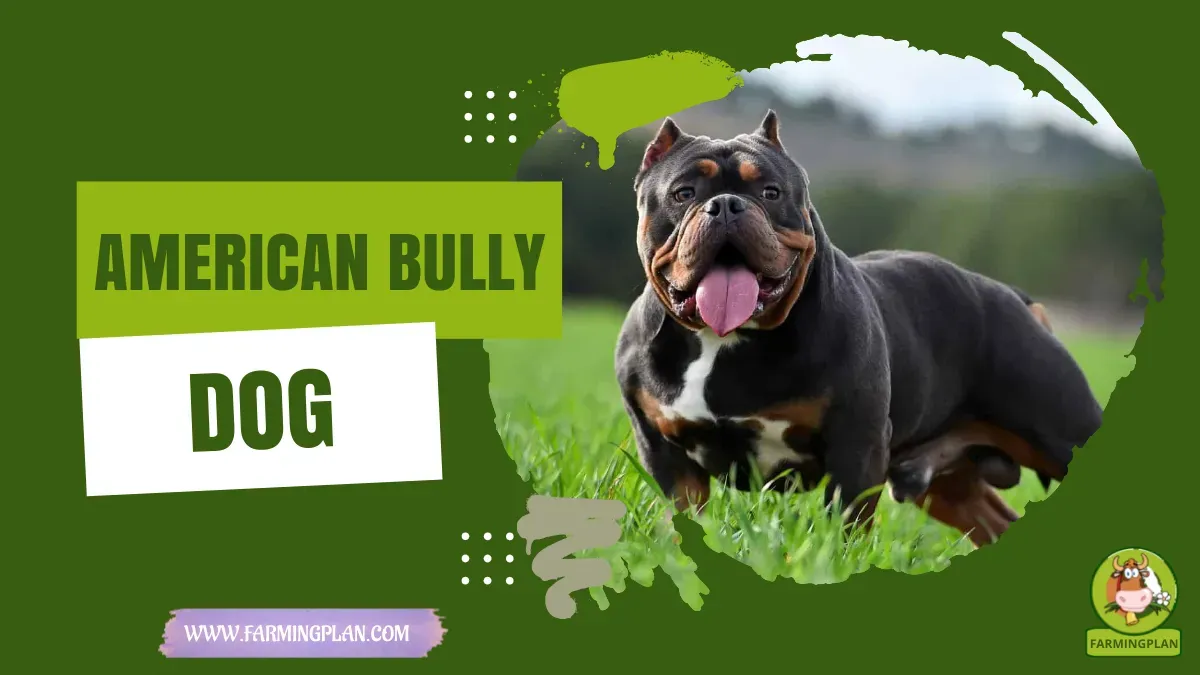
The hallmark of the American Bully is its compact, muscular, and powerful silhouette. The head is large, broad, and chiseled with well-defined cheek muscles and a short-to-medium muzzle. The chest is deep and exceptionally wide, with ribs well-sprung and tucked neatly into a short, level back. Heavy bone density throughout the limbs imparts an impression of formidable strength without impeding agile movement.
Breed standards strictly differentiate between four recognized varieties based primarily on adult wither height. Males and females must exhibit clean movement, straight toplines, correct rear angulation, and scissors bites. Faults include extreme dwarfism, cow hocks, and respiratory distress. Structured culling and biosecurity protocols strengthen American Bully Dog genetic quality.
Their skin should fit cleanly over muscles without excessive wrinkles, except for subtle furrowing on the forehead when alert. The tail is naturally set low, tapering to a fine point (crank tail or pump handle tail) without kinks or knots. Maintaining clean feeders and sanitized equipment supports sustainable American Bully Dog care.
📊 American Bully Official Size Categories & Physical Benchmarks
| Official Category | Male Wither Height | Female Wither Height | Typical Adult Weight | Homestead Suitability |
|---|---|---|---|---|
| Pocket Bully | 14 – 17 inches (36 – 43 cm) | 13 – 16 inches (33 – 40 cm) | 45 – 70 lbs (20 – 32 kg) | Ideal for small acreage, indoor living, low exercise footprint |
| Standard Bully | 17 – 20 inches (43 – 51 cm) | 16 – 19 inches (40 – 48 cm) | 65 – 90 lbs (29 – 41 kg) | Balanced athletic utility; excellent yard patrol & companion |
| Classic Bully | 17 – 20 inches (43 – 51 cm) | 16 – 19 inches (40 – 48 cm) | 55 – 80 lbs (25 – 36 kg) | Lighter frame, higher stamina, classic terrier-like agility |
| XL Bully | 20 – 23 inches (51 – 58 cm) | 19 – 22 inches (48 – 56 cm) | 85 – 125+ lbs (38 – 57+ kg) | Imposing visual deterrent; powerful homestead estate guardian |
History, Origin & Modern Companion Breeding
The development of the American Bully began in earnest during the 1990s through the dedicated breeding efforts of enthusiasts in California, Virginia, and the wider American South. The primary objective was to produce a companion canine that retained the physical mass, wide skull, and athletic presence of the American Pit Bull Terrier and American Staffordshire Terrier while systematically breeding out animal aggression and high prey drive. Consistent daily observation helps keepers spot early changes in American Bully Dog health and behavior.
Breeders incorporated selective outcrosses to English Bulldogs, Olde English Bulldogges, and French Bulldogs to introduce heavier bone density, broader chests, and placid, easygoing temperaments. The result was a genetically stable, distinct new breed dedicated entirely to family companionship and stable guardian duties.
In 2004, the American Bully Kennel Club was established to serve as the official studbook registry and formulate official show standards. Recognition by the United Kennel Club in 2013 further legitimized the breed, fostering ethical breeding practices centered on genetic health testing and sound orthopedics. Clean housing, fresh water, and balanced nutrition remain essential for American Bully Dog productivity.
Today, responsible preservation breeders focus heavily on canine athletic functionality. Breeding pairs are selected not merely for heavy bone and head circumference, but for open nares (nostrils), clear airways, sound patellas, and clean trotting strides that allow the dog to comfortably walk rural boundaries without early fatigue. Tracking feed intake and body condition supports long-term American Bully Dog performance.
Housing, Space Specifications & Climate Management
Because of their short, single coats and relatively flat facial profiles (brachycephalic tendencies), American Bullies are strictly indoor/outdoor companion dogs. They must never be kept exclusively outdoors or tied to chains. They require climate-controlled indoor living quarters to prevent life-threatening heatstroke in summer and hypothermia in winter. Following biosecurity best practices reduces disease risk in any American Bully Dog operation.
A secure homestead yard requires a 5-to-6-foot privacy fence or stout chain-link enclosure. Bullies are powerful pushers; fencing must be firmly anchored at ground level to prevent digging. Provide heavy-duty elevated dog beds that distribute body weight evenly and prevent pressure sores on their elbows and hocks.
During hot summer months, restrict vigorous exercise to early mornings and late evenings. Always provide access to cool shade, clean automated water fountains, and wading pools. If managing working livestock guardians alongside bullies, review our livestock guardian dog selection guide for proper multi-canine yard organization. Seasonal adjustments to shelter and diet keep American Bully Dog thriving year-round.
Indoor living spaces should be outfitted with easy-to-sanitize rubberized flooring or heavy washable mats. When homesteaders return from muddy paddocks, a dedicated canine mudroom washing station equipped with warm water sprays simplifies coat cleaning and keeps allergens out of living areas. Proper record-keeping makes breeding and culling decisions easier for American Bully Dog keepers.
Dietary Analysis, Muscle Maintenance & Joint Nutrition
The dense muscular frame and heavy bone structure of the American Bully demand high-density nutrition. Adult working bullies require high-protein diets containing 26% to 30% crude protein and 14% to 18% crude fat, sourced primarily from whole animal proteins such as chicken, beef, salmon, and lamb. Providing adequate space and ventilation prevents common stress issues in American Bully Dog.
Avoid cheap kibbles laden with corn gluten, wheat middlings, and artificial fillers, which frequently trigger allergic skin flare-ups. Daily feeding rations range from 3 to 5 measuring cups of super-premium dry kibble divided into two daily meals. Graziers balancing canine farm diets can compare high-energy farm working animal rations in our farm working dogs guide.
Daily supplementation with glucosamine, chondroitin sulfate, MSM, and Omega-3 fish oils is vital for protecting heavy joints and preventing hip and elbow dysplasia. Provide fresh, clean water in heavy stainless steel bowls at all times. Understanding breed-specific traits helps maximize American Bully Dog longevity and output.
Feeding schedules must be monitored closely to avoid canine obesity. Because bullies carry substantial muscular mass, excess adipose fat severely stresses hips, stifles, and cardiovascular function. Adjust daily caloric rations according to seasonal workload and ambient temperatures. Routine preventive care saves time and lowers veterinary costs for American Bully Dog.
Health Management, Genetic Screening & Veterinary Standards
Responsible homestead management requires proactive screening for inherited health conditions common in heavy bully breeds. Prospective owners must demand certified health clearances from the Orthopedic Foundation for Animals (OFA) or PennHIP for hip dysplasia, elbow dysplasia, and cardiac clearances. Matching forage or ration quality to life stage optimizes American Bully Dog growth.
Other common health concerns include brachycephalic airway syndrome, skin allergies (atopic dermatitis), demodicosis, and cherry eye. Maintain rigorous preventative veterinary care: annual rabies, DA2PP core vaccinations, heartworm preventatives, and regular broad-spectrum deworming against hookworms and roundworms.
Health protocols must follow standards governed by the American Veterinary Medical Association (AVMA) and preventative guidelines established by the USDA APHIS Animal Welfare Program. Gradual dietary transitions protect digestive stability in American Bully Dog.
Ear canal hygiene and skin fold inspections should be conducted weekly. Because bullies have tight ear canals and skin folds around the muzzle, cleaning with veterinary-grade chlorhexidine wipes prevents yeast accumulation and bacterial dermatitis. Selecting healthy foundation stock is the cornerstone of successful American Bully Dog management.
Positive Pack Training, Socialization & Farm Etiquette
Due to their immense physical strength and blocky mass, obedience training and early socialization must begin at 8 weeks of age. American Bullies are intelligent, highly eager to please, and respond exceptionally well to positive reinforcement techniques utilizing high-value food rewards and praise. Good predator-proofing and dry bedding safeguard American Bully Dog comfort in harsh weather.
Harsh compulsion or physical punishment must never be used, as it erodes trust and can induce defensive anxiety. Introduce puppies early to horses, chickens, sheep, noisy tractors, and diverse visitors to foster calm confidence. Teach a reliable recall, loose-leash heel, and an ironclad leave-it command to prevent dogs from chasing farm poultry. Review small farm animal safety around domestic canines in our homestead chicken management manual. For additional husbandry benchmarks and feeding standards, explore our complete Alpine Dachsbracke Dog care guide.
Implement structured crate training during the juvenile stage. Providing a comfortable, secure den prevents destructive chewing of farm equipment and reinforces bladder control while puppies develop physical stamina and adult impulse control. Monitoring water quality and mineral balance directly benefits American Bully Dog vitality.
American Bully Economics & Annual Homestead Care Budget
Budgeting for an American Bully involves initial purebred acquisition costs, health testing, fencing infrastructure, and ongoing high-quality nutrition. While veterinary emergencies can be costly if joint issues arise, proper preventative management ensures predictable, reasonable annual operating expenses. Practical hands-on husbandry ensures consistent results when raising American Bully Dog.
📊 Estimated Annual Budget: Homestead American Bully Care
| Expense Category | Description & Specifications | Initial Setup Cost | Annual Recurring Cost |
|---|---|---|---|
| Puppy Purchase | Health-screened registered ABKC/UKC foundation puppy | $2,500 – $4,000 | $0 |
| Homestead Fencing | Reinforced 5-foot yard perimeter & heavy gate hardware | $1,500 | $100 |
| Premium Dog Food | High-protein meat-first dry kibble (40 lbs monthly @ $85/bag) | $0 | $1,020 |
| Joint & Skin Supplements | Glucosamine/chondroitin, Omega-3 fish oils & probiotics | $60 | $360 |
| Routine Veterinary Care | Annual wellness exam, core vaccines, heartworm & flea preventatives | $0 | $550 |
| Bedding, Crates & Gear | Heavy-duty orthopedic foam bed, XXL wire crate, tactical harness & leash | $380 | $75 |
| Training & Socialization | Puppy socialization classes & advanced farm obedience courses | $350 | $0 |
| Total Annual Upkeep | Ongoing annual maintenance cost per mature dog | — | $2,105 / year |
🐕 American Bully Dog Daily Calorie & Kibble Calculator
Calculate daily metabolizable energy (kcal/day), kibble cups, water, and monthly diet costs for your American Bully Dog.
Frequently Asked Questions (FAQ)
Is the American Bully suitable as a farm or homestead dog?
Yes, their muscular presence, gentle loyalty, low prey drive when properly trained, and alert watchdog nature make them fantastic homestead companions and natural deterring guardians.
What are the official sizes of American Bullies?
The American Bully Kennel Club recognizes four official size classes: Pocket (under 17 in), Standard (17-20 in), Classic (lighter frame), and XL (20-23 in at withers).
Are American Bullies naturally aggressive towards people or farm animals?
No, true American Bullies are bred specifically to eliminate human and animal aggression, displaying exceptionally calm, affectionate, and stable temperaments.
Can American Bully dogs live outside year-round?
No, their short single coat and brachycephalic facial structure make them vulnerable to extreme heat and cold; they must live inside climate-controlled quarters.
Expert Verdict & Next Steps for Homestead Dog Owners
The American Bully Dog offers an exceptional balance of muscular power, imposing deterrent appearance, and devoted family affection for modern homesteaders. When selected from reputable breeders who prioritize genetic health testing and sound hip conformation, they integrate seamlessly into farm living as reliable yard guardians and gentle companions for children. Early intervention at the first sign of lethargy protects overall American Bully Dog flock or herd health.
Ensure you invest in solid boundary fencing and commit to consistent positive training routines from puppyhood. Explore our guide to estate working canines in our farm working dogs directory to discover complementary working and guardian breeds for your homestead acreage.
📚Agricultural Reference & Scientific Citations
Standards and physiological data referenced in this guide comply with USDA Animal and Plant Health Inspection Service (APHIS), American Veterinary Medical Association (AVMA), and the FAO Domestic Animal Diversity Information System.


