

📊 Aksai Black Pied Pig at a Glance: Key Specifications & Production Benchmarks
| Zoological Classification | Sus scrofa domesticus (Meat & Lard Steppe Breed) |
| Breed Origin | Aksai State Farm, Almaty Region, Kazakhstan (Established 1952–1962) |
| Primary Purpose | Dual-Purpose High-Quality Pork, Backfat & Bacon Production |
| Adult Boar Weight | 680 to 750 pounds (310 to 340 kg); Deep, robust skeletal frame |
| Adult Sow Weight | 530 to 580 pounds (240 to 265 kg); Excellent maternal foraging ability |
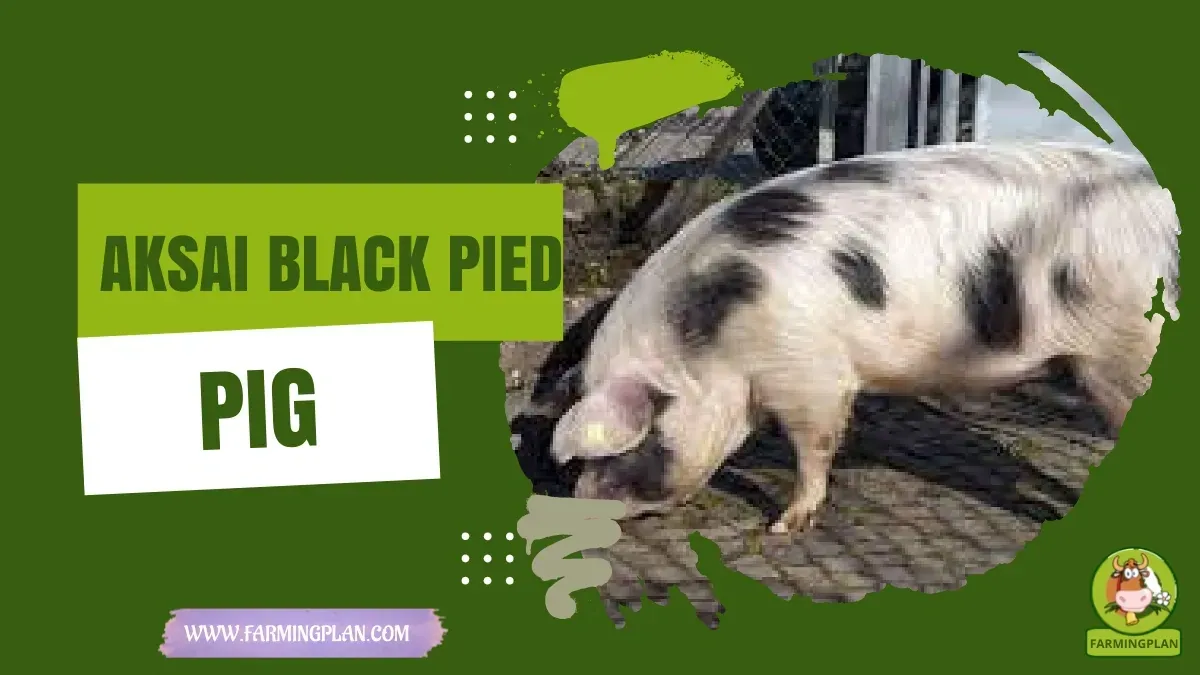
| Coat & Color Pattern | Piebald black-and-white spotted coat with dense, protective bristles |
| Thermal Adaptation | Tolerates continental extremes: -30°F (-34°C) winter to 105°F (40°C) summer |
| Litter Size Fecundity | 10 to 11 piglets per farrowing with high milk yield (115+ kg) |
| Growth Velocity Benchmark | Reaches 220 pounds (100 kg) live weight in 180 to 190 days |
| Pasture Foraging Drive | Exceptional; utilizes alfalfa pasture, sugar beets, and crop residues |
The Aksai Black Pied Pig (Russian: Aksaiskaya chernopestraya) is a monumental achievement in twentieth-century Central Asian livestock engineering, developed between 1952 and 1962 at the Aksai experimental state breeding farm in the Almaty region of southern Kazakhstan. Created to solve the vulnerability of delicate European swine to the brutal continental extremes of the Eurasian steppe, this rugged dual-purpose meat and lard breed combines intense cold hardiness with the ability to convert coarse steppe forages and agricultural by-products into premium pork. Routine preventive care saves time and lowers veterinary costs for aksai black pied pig.
Whether you are establishing a sustainable pastured pork enterprise or seeking heritage genetics through our pastured swine and livestock farming hub, the Aksai Black Pied offers unmatched resilience. The breed was formed through sophisticated synthetic crossing: crossing indigenous Kazakh local sows with imported Large White, Berkshire, and Large Black boars, selecting systematically for thick thermal subcutaneous fat, strong bone structure, and calm maternal temperament.
Their striking piebald black-and-white coat, dense under-bristle insulation, and high milk yield enable sows to farrow robust litters in unheated outdoor shelters during severe sub-zero winters. In this comprehensive technical breed manual, we evaluate continental steppe bioclimatics, pasture rooting management, energy-balanced winter rations, carcass dressing percentages, and farrowing biosecurity. For additional husbandry benchmarks and feeding standards, explore our complete Kele Pig care guide. Matching forage or ration quality to life stage optimizes aksai black pied pig growth.
Physical Characteristics & Breed Standards
The Aksai Black Pied pig presents a deep, broad, and harmonious physical conformation characteristic of prime dual-purpose swine.
Their skeletal framework is remarkably strong and dense-boned, supporting heavy muscular flanks without joint weakness or postural collapse. Gradual dietary transitions protect digestive stability in aksai black pied pig.
Conformation Standards & Anatomical Structure
The head is moderate in size, broad between the eyes, with a straight to slightly dished snout profile and wide, functional nostrils adapted for dust-free breathing in arid steppe winds. The ears are medium-sized, erect to semi-drooping forward over the brow without obscuring vision.
The chest is exceptionally wide and barrel-shaped, providing expansive cardiopulmonary capacity for vigorous outdoor foraging. The topline is straight and broad, leading to well-fleshed hams that descend deep toward the hocks with full muscular volume. Selecting healthy foundation stock is the cornerstone of successful aksai black pied pig management.
The coat features coarse, dense black bristles intermingled with crisp white patches covering the shoulders, flanks, and lower extremities. A fine, dense under-down develops in autumn, providing an impenetrable thermal shield against freezing blizzards.
The legs are straight, strong, and set squarely beneath the body, terminating in hard, dark hooves that resist splitting on frozen ground, rocky terrain, or dry clay pastures.
The skin is thick, pigmented, and supple, protecting the pig against intense solar radiation, insect irritation, and thorny pasture vegetation during long summer grazing days. Good predator-proofing and dry bedding safeguard aksai black pied pig comfort in harsh weather.
Size, Weight Benchmarks & Color Variations
Mature Aksai Black Pied boars achieve impressive adult weights of 680 to 750 pounds (310 to 340 kg), measuring 68 to 72 inches in body length.
Sows maintain a functional, feed-efficient adult weight of 530 to 580 pounds (240 to 265 kg) with a chest girth of 60 to 64 inches. Monitoring water quality and mineral balance directly benefits aksai black pied pig vitality.
Market weaners reach 220 pounds (100 kg) in approximately six months under balanced pasture and grain management, producing a dressing percentage exceeding 75 percent with balanced marbling.
📊 Aksai Black Pied Pig Performance & Production Matrix
| Breed Benchmark | Aksai Black Pied | Large White / Yorkshire | Berkshire Swine |
|---|---|---|---|
| Cold & Heat Hardiness | Extreme (-30°F to 105°F) | Moderate (Susceptible to sunburn) | High Cold / Moderate Heat |
| Pasture Foraging Drive | Extremely High (Steppe Forager) | Moderate (Requires Grain TMR) | High (Excellent Grazier) |
| Backfat Thickness at 100 kg | 30 to 32 mm (Rich Lard & Bacon) | 22 to 25 mm (Lean Meat Focus) | 32 to 36 mm (Intramuscular Fat) |
| Piglet Fecundity per Litter | 10 to 11 Piglets | 11 to 13 Piglets | 8 to 10 Piglets |
| Skin Sunburn Resistance | High (Melanistic Pigmentation) | Very Low (Pale White Skin) | High (Solid Black Hide) |
Breed History, Heritage & North American Development
The historical origin of the Aksai Black Pied pig dates to post-war agricultural modernization in the Kazakh Soviet Socialist Republic. Local nomadic Kazakh pigs were exceptionally hardy but slow-growing and small, while imported European commercial breeds succumbed rapidly to winter frostbite, pneumonia, and summer heat exhaustion in the open steppe. Practical hands-on husbandry ensures consistent results when raising aksai black pied pig.
Under the direction of prominent Soviet zootechnicians at the Aksai experimental station, researchers conducted a complex crossing program: first crossing local Kazakh sows with Large White boars to introduce size, backcrossing to Berkshire boars for meat quality and docility, and introducing Large Black genetics for enhanced milk yield and pigmentation.
In 1962, the Soviet Ministry of Agriculture officially approved the breed, designating it a specialized regional breed. Today, researchers at the Kazakh National Agrarian Research University maintain conservation herds to preserve cold-resistant genetic traits for crossbreeding in marginal agricultural regions.
Housing, Shelter Dimensions & Winter Hardiness
Shelter engineering for Aksai Black Pied swine centers on deep winter straw bedding, windproof perimeter walls, and summer wallow basins. Early intervention at the first sign of lethargy protects overall aksai black pied pig flock or herd health.
Spatial Density & Enclosure Engineering
Provide a minimum of 40 to 50 square feet of dry, draft-free indoor pen space per gestating sow in group housing, bedded deeply with clean wheat or rye straw.
For pastured systems, deploy insulated A-frame farrowing arcs (8×8 ft) equipped with anti-crush safety rails positioned 8 inches above the floor and 8 inches from the walls, protecting newborn piglets from accidental sow overlay. Structured culling and biosecurity protocols strengthen aksai black pied pig genetic quality.
Pasture paddocks require sturdy 34-inch woven-wire hog fencing reinforced with an interior offset electric wire placed 6 inches above ground level to deter rooting escapes. Allocate 6 to 10 sows per acre on well-managed rotational alfalfa, clover, or mixed-grass pastures.
Nutritional Requirements, Daily Rations & Feeding Protocols
The breed possesses a spacious digestive capacity that excels at extracting energy from fibrous root vegetables, roughages, and agricultural co-products. Maintaining clean feeders and sanitized equipment supports sustainable aksai black pied pig care.
Crude Protein Benchmarks Across Life Stages
Gestating sows maintain prime body condition on rotational pastures supplemented with 3 to 4 pounds daily of a balanced cereal ration (rolled barley, wheat bran, and field peas) supplying 13 to 14 percent crude protein.
Lactating sows nursing heavy litters require 12 to 16 pounds daily of a high-energy lactation ration containing 16 to 17 percent crude protein, fortified with calcium, phosphorus, and essential vitamins A, D3, and E.
Weaners and grower pigs utilize coarse farm-grown feeds efficiently: incorporate chopped sugar beets, steamed potatoes, alfalfa meal, and sunflower meal alongside farm grains, achieving consistent daily gains with low commercial feed expenditure. Consistent daily observation helps keepers spot early changes in aksai black pied pig health and behavior.
Provide continuous access to fresh drinking water via frost-free nipple drinkers; a lactating sow consumes up to 8 to 10 gallons of clean water daily to sustain heavy milk production.
Provide access to clean agricultural soil or natural rooting ground rich in iron, which eliminates the necessity of synthetic iron injections commonly required in confinement farrowing systems. Clean housing, fresh water, and balanced nutrition remain essential for aksai black pied pig productivity.
Health Management, Common Diseases & Biosecurity Standards
Aksai Black Pied swine enjoy vigorous natural immunity against respiratory ailments, but require standard swine biosecurity and vaccination protocols.
Biosecurity Protocols & Veterinary Defenses
Administer semi-annual core swine vaccinations against Porcine Parvovirus (PPV), Erysipelas (Erysipelothrix rhusiopathiae), and Leptospirosis (5-way lepto) four weeks prior to breeding. Tracking feed intake and body condition supports long-term aksai black pied pig performance.
Implement strategic internal and external parasite control using ivermectin or fenbendazole in spring and autumn to eliminate gastrointestinal roundworms (Ascaris suum) and mange mites.
Maintain dry, well-ventilated housing to prevent pneumonia during sudden seasonal temperature drops, ensuring bedding is kept dry and ammonia levels remain undetectable. Review swine veterinary standards via the University of Minnesota Extension Swine Health & Biosecurity Network.
Establish strict quarantine protocols for all newly introduced breeding boars, isolating them in a separate paddock for 30 days and testing for Porcine Reproductive and Respiratory Syndrome (PRRS) and Swine Brucellosis. Following biosecurity best practices reduces disease risk in any aksai black pied pig operation.
Pasture Farrowing, Maternal Care & Piglet Vigor
Aksai Black Pied boars possess robust libido and active working longevity, reliably settling 20 to 25 sows in pasture mating systems or up to 40 sows via artificial insemination.
Sows demonstrate outstanding maternal instincts, farrowing 10 to 11 vigorous piglets with strong rooting drives and rapid teat-seeking behavior. Piglets are born weighing 2.6 to 3.0 pounds (1.2 to 1.4 kg) and stand to nurse within minutes. Seasonal adjustments to shelter and diet keep aksai black pied pig thriving year-round.
Sows produce heavy milk yields (averaging 115 to 130 kg of milk per lactation), supporting weaning weights of 38 to 44 pounds (17 to 20 kg) at 60 days of age on pasture creep-feeding rations.
US Ownership Budget & Annual Maintenance Costs
Establishing a breeding herd of pastured Aksai Black Pied swine requires reasonable capital for fencing and huts, delivering rapid profitability through high-yield pork sales. Proper record-keeping makes breeding and culling decisions easier for aksai black pied pig keepers.
💰 Estimated Annual Budget & Maintenance Costs (USD)
| Budget Category | Item Description & Scope | Initial Capital Outlay | Annual Recurring Expense |
|---|---|---|---|
| Registered Breeding Trio (1B/2S) | Select breeding stock boar and two fertile gilts | $900 – $1,800 | $0 |
| A-Frame Huts & Solar Fencing | Two insulated farrowing arcs and solar electric fence | $600 – $1,200 | $60 – $120 |
| Farm Grains & Protein Meal | Rolled barley, field peas, alfalfa hay, and minerals | $120 – $220 | $450 – $750 |
| Swine Veterinary & Vaccines | Erysipelas, parvo, lepto vaccines, and dewormer | $50 – $90 | $70 – $130 |
| Heavy Water Troughs & Wallow | Frost-free automatic waterers and heavy wallow tub | $150 – $280 | $30 – $60 |
🐖 Aksai Black Pied Pig Swine Daily Feed Calculator
Calculate daily grower/finisher rations (lbs), monthly 50-lb feed bags, pen space, and water needs for your Aksai Black Pied Pig pigs.
Frequently Asked Questions (FAQ)
What are the primary qualities of the Aksai Black Pied pig?
The breed is celebrated for extreme continental climate hardiness, dual-purpose high-quality pork and lard production, robust maternal farrowing ability, and efficient pasture forage utilization.
Where did the Aksai Black Pied breed originate?
It was developed between 1952 and 1962 in Kazakhstan at the Aksai state farm by crossing native Kazakh sows with Large White, Berkshire, and Large Black boars.
How does the Aksai Black Pied pig handle sub-zero winters?
They develop a dense thermal under-bristle coat in autumn, possess thick subcutaneous backfat, and thrive in outdoor deep-straw A-frame huts even in temperatures dropping to -30u00b0F.
What is the meat quality of the Aksai Black Pied pig?
The meat is richly marbled, tender, and juicy, accompanied by firm, clean white backfat that is highly prized for traditional cured meats, sausages, and premium homestead lard.
Expert Verdict & Next Steps for Pastured Pork Producers
The Aksai Black Pied Pig represents a masterpiece of utilitarian swine breeding, offering smallholders and pastured pork producers unmatched cold resilience, low feed costs, and generous maternal production. For farms operating in harsh northern climates or semi-arid grazing environments, these rugged black-and-white hogs are an exceptional investment.
Expand your swine and livestock management knowledge by exploring our companion guides to belted Hampshire Swine Care, heritage Angeln Saddleback Pig, robust Duroc Terminal Sires, and wooly Mangalitsa Lard Hogs.
📚Agricultural Reference & Scientific Citations
Standards and physiological data referenced in this guide comply with USDA APHIS Swine Health, FAO Domestic Animal Diversity Information System, and the American Veterinary Medical Association (AVMA).


