Welcome to my expert guide on Abyssinian Cats! As a passionate animal specialist and longtime feline enthusiast, I am thrilled to share my hands-on experience with this incredible breed. If you are searching for an active, intelligent, and deeply affectionate pet, you have come to the right place. The Abyssinian cat stands out in the feline world due to its sleek body, striking coat, and vibrant personality. People often ask me: what is special about Abyssinian cats? The short answer is simple. They combine wild, elegant looks with a loving and playful heart.
Throughout this article, I will cover everything from their fascinating origin story to practical care routines. We will explore rare coat variations like the blue Abyssinian cat, look at the mysterious Abyssinian tabby cat traits, and address common questions about coat shedding, allergy concerns, overall cost, and smart cat breeds. Whether you are searching for an Abyssinian cat for sale or looking for Abyssinian cats for sale near me, this comprehensive guide gives you all the essential insights you need to raise a happy, thriving feline companion.
| Attribute / Metric | Specification & Benchmark |
|---|---|
| Classification & Class | Feline / Working Barn & Homestead Companion (Felis catus) |
| Primary Production Focus | Natural Biological Rodent & Feed Store Pest Control |
| Productivity / Performance Yield | Reliable pest abatement for granaries, coops, and haylofts |
| Mature Benchmark Weight / Size | Males: 10–16 lbs (4.5–7.3 kg) | Females: 8–12 lbs (3.6–5.5 kg) |
| Temperament & Behavior | Independent hunter, affectionate with caretakers, agile |
| Climate & Environmental Hardiness | Hardy with insulated barn quarters and fresh water |
| Management & Homestead Rating | Beginner to Intermediate Friendly |
History & Origin of Abyssinian Cats
Many people often ask me: are Abyssinian cats Egyptian? Their striking appearance certainly mimics the ancient statues found in Egyptian tombs. However, genetic studies tell a slightly different story. Researchers trace the DNA of modern Abyssinians to the coastal regions of the Indian Ocean and parts of Southeast Asia. British traders likely brought these cats home from ports in East Africa and India during the nineteenth century. The breed got its name because the first cat exhibited in England, named Zula, arrived directly from Abyssinia, which is modern-day Ethiopia. Agricultural producers frequently evaluate their homestead utility alongside reliable stock like Manx Cats and Burmese Cat.
I love sharing the story of Zula with prospective cat owners. She captivated cat lovers in 1868 with her unique ticked coat. English breeders carefully refined the breed over several decades by crossing these imported cats with native British shorthairs. By the early twentieth century, the breed traveled across the Atlantic to North America. Today, feline associations worldwide recognize this remarkable animal as one of the oldest domesticated breeds. Their historical journey reflects their incredible resilience and timeless charm.
Characteristics of Abyssinian Cats
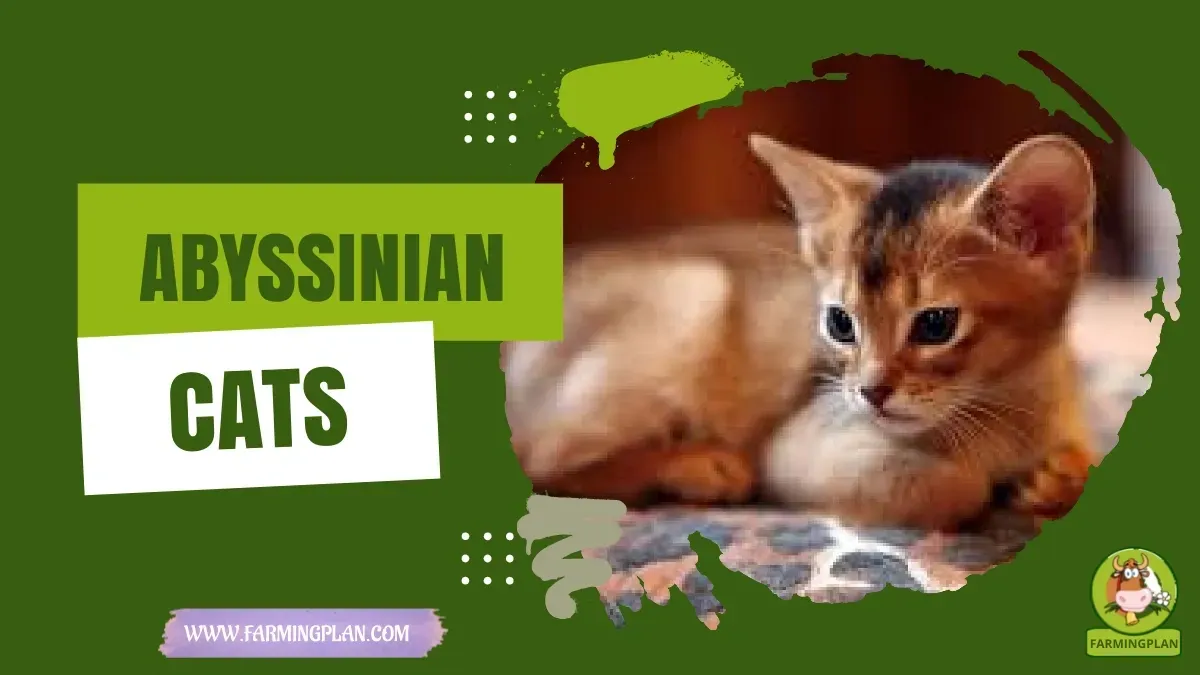
When you look at an Abyssinian, you immediately notice their wild and athletic beauty. They possess slender, muscular bodies supported by long, elegant legs and small, oval paws. Their large, almond-shaped eyes radiate intelligence and curiosity. Breeders recognize four primary coat colors: ruddy, sorrel, blue, and fawn. A blue Abyssinian cat features a soft warm blue-grey coat with warm oatmeal tones on its belly, making it exceptionally stunning.
Many newcomers ask about the pattern of an Abyssinian tabby cat. Their coat features a ticked pattern, meaning individual hair strands contain alternating dark and light bands of pigment. People also ask: do Abyssinian cats shed? Yes, they do shed lightly, but their short, dense coat requires minimal grooming effort. Another frequent question is: are Abyssinian cats hypoallergenic? No cat breed is completely hypoallergenic. However, because they produce low levels of dander and shed very little hair, many sensitive owners tolerate them quite well.
Nature/Temperament of Abyssinian Cats
If you want a lazy couch potato, this breed might surprise you! Abyssinian cats have boundless energy and love exploring every inch of your living space. They constantly climb tall bookcases, leap onto doors, and investigate open cabinets. In my years working with animals, I rarely meet a breed with such an intense zest for life. They thrive on physical action and mental challenges, remaining active well into their senior years.
Their intelligence levels are truly off the charts. Many experts ask: what cat breed has the highest IQ? Feline researchers and veterinarians frequently place the Abyssinian right at the top of that list. They learn tricks quickly, solve puzzle toys effortlessly, and even learn to fetch small toys. Despite their independent streak, they display immense affection toward their human family members. They prefer perching on your shoulder or sitting right next to you rather than sitting passively across the room.
Food & Diet of Abyssinian Cats
Feeding an active cat requires a balanced nutrition plan rich in high-quality animal proteins. Because these cats burn so many calories climbing and running around, their diet must support lean muscle maintenance. I always recommend feeding premium commercial cat food where real meat appears as the first ingredient. Keep clean, fresh water available at all times to promote proper kidney and bladder health.
- Dos: Provide a mix of high-protein wet food and dry kibble to protect dental health and maintain hydration.
- Dos: Measure daily portions carefully to prevent unwanted weight gain as your cat matures.
- Don’ts: Never feed your cat raw fish, onions, garlic, chocolate, or cooked bones that can splinter internally.
- Don’ts: Avoid low-grade commercial foods filled with unnecessary corn, wheat, or artificial fillers.
Monitoring their calorie intake helps maintain their athletic body condition. I suggest dividing their daily food allowance into two or three small meals. If your budget allows, offer interactive puzzle feeders during mealtime to engage their sharp minds while they eat.
Usage/Purpose of Abyssinian Cats
While early farmers used cats primarily for pest control, the Abyssinian excels as an ideal family companion, therapy animal, and show competitor. Their vibrant personality and striking looks make them top contenders in cat shows around the globe. Judges admire their balanced body proportions, ticked coat pattern, and confident demeanor inside the ring. I have watched many of these cats walk away with top prizes due to their charming presence.
In home environments, they serve as active family members who participate in daily household routines. They enjoy following you from room to room, supervising your chores, and welcoming guests at the front door. Their gentle, playful nature makes them excellent companions for respectful children and dog-friendly households. Their presence fills any quiet home with constant warmth, laughter, and playful entertainment.
Special Features of Abyssinian Cats
What makes these cats truly distinct from other domestic breeds? Their physical attributes combined with high intelligence create an unforgettable feline profile. Their large ears remain alert, constantly pivoting to pick up subtle sounds in their environment. Their almond-shaped eyes come in golden yellow, copper, hazel, or green tones, bounded by dark eyeliner markings that look like traditional Egyptian makeup.
Their coat texture feels distinctively silky and soft to the touch. The agouti ticking gives their fur a shimmering quality under bright sunlight. Furthermore, their voice remains surprisingly quiet and soft. When they want your attention, they produce a soft chirp or purr rather than a loud meow. This combination of striking wild appearance and gentle vocalization creates a unique dynamic that cat lovers treasure deeply.
Health Issues & Prevention of Abyssinian Cats
Overall, this breed enjoys a robust build, but they can inherit specific health conditions. As a responsible specialist, I urge owners to stay informed about potential issues. Progressive Retinal Atrophy (PRA) can cause vision loss over time. Another condition, Pyruvate Kinase Deficiency (PKD), leads to intermittent anemia. Responsible breeders test their breeding stock for these genetic conditions to protect future generations.
You must also watch out for feline lower urinary tract diseases and periodontal issues. Daily tooth brushing or dental treats keep their gums strong and clean. Regular veterinary checkups, routine vaccinations, and proper parasite prevention form the core of good preventive care. Schedule annual blood work once your pet turns seven years old to catch age-related changes early.
Step-by-Step Raising Strategy
Caring for an energetic cat requires proper preparation, mental stimulation, consistent routines, and a safe indoor environment. Below is my detailed four-step framework to ensure your feline companion leads a healthy, active, and fulfilling life. Introduce them to the rest of your house gradually to keep stress levels low and manageable. Finally, schedule regular veterinary checkups to update vaccinations and monitor physical growth.
Step 1: Preparing Your Home Environment
Before bringing an Abyssinian kitten home, thoroughly prepare your living space. Secure all window screens, hide exposed electrical cords, and store away toxic house plants like lilies. These cats love climbing, so set up sturdy, tall cat trees near light-filled windows. Provide multiple scratch posts made of sisal rope to protect your furniture. Create a quiet, dedicated safe room equipped with a cozy bed, litter box, food dishes, and fresh water. Allow your new kitten to acclimate to this small space for the first few days.
Step 2: Establishing Daily Feeding and Hydration Routines
Set up a consistent daily schedule for meals, hydration checks, and litter box cleaning. Measure out balanced, protein-dense meals tailored to your cat’s specific age, weight, and activity level. Place water bowls away from the food area, as cats prefer drinking water located in separate spots. Clean the litter box daily to encourage consistent bathroom habits. Keep a fresh supply of low-dust, unscented litter inside a large tray. Inspect your cat’s appetite, drinking frequency, and litter box usage every morning to detect early signs of illness quickly.
Step 3: Providing Daily Physical Exercise and Mental Stimulation
Spend at least thirty minutes each day actively playing with your feline friend. Use feather wands, laser pointers, and motorized toys to simulate hunting behavior and burn excess energy. Change out their toys weekly to keep their sharp minds interested and fully engaged. Teach your cat simple commands and fun tricks using positive reinforcement and small treats. You can easily train them to walk outdoors safely using a secure harness and leash. This activity satisfies their natural curiosity without exposing them to outdoor dangers.
Step 4: Maintenance Grooming and Wellness Monitoring
Establish a simple weekly grooming routine to maintain your cat’s coat and overall health. Brush their short fur once a week with a soft bristle brush to remove loose hair and boost skin oil production. Trim their nail tips every two weeks using dedicated pet clippers. Inspect their ears weekly for dirt, wax build-up, or red spots, wiping them gently with a damp cotton ball. Brush their teeth several times a week using cat-safe toothpaste.
Expert Tips & Best Practices for Feline Care
Here are my top pro tips for raising an active, happy cat in your home:
- Install Vertical Runways: Place wall-mounted cat shelves and tall perches around your living room to double their accessible territory.
- Budgeting Realistically: Many people wonder: are Abyssinian cats expensive? Yes, purchasing a healthy kitten from a reputable breeder can cost anywhere between $1,200 and $2,500. Budget extra funds for routine vet care, quality food, and supplies.
- Locating Safe Breeders: When searching for an Abyssinian cat for sale or checking Abyssinian cats for sale near me, always verify breeder health guarantees and ask to see genetic testing certificates.
- Provide Puzzle Toys: Use treat-dispensing puzzle toys daily to challenge their problem-solving instincts.
- Avoid Loneliness: If you work long hours away from home, consider adopting a second compatible cat to keep your companion entertained.
- Use Positive Reinforcement: Never scold or punish an active cat; reward good behavior with praise, affection, and treats instead.
FAQs
What is special about Abyssinian cats?
Abyssinian cats are famous for their vibrant, wild appearance, silky ticked coats, and deeply affectionate nature. They possess exceptional intelligence and high energy levels, making them act like perpetual kittens throughout their lives. Their loving loyalty makes them ideal pets for active households.
Are Abyssinian cats expensive?
Yes, Abyssinian cats are generally expensive due to high demand and rigorous breeding practices. A purebred kitten from a certified breeder usually costs between $1,200 and $2,500 depending on lineage and coat color. Ongoing costs for high-quality food, toys, and veterinary care add to the overall investment.
What cat breed has the highest IQ?
The Abyssinian is widely considered one of the smartest domestic cat breeds in the world. Their incredible problem-solving skills, ability to learn tricks, and curiosity set them apart from other breeds. They constantly analyze their environment and quickly master interactive puzzle toys.
Are Abyssinian cats Egyptian?
While their elegant appearance resembles the feline statues found in ancient Egyptian art, modern genetic research shows their origins lie along the coast of the Indian Ocean. British soldiers brought them to Europe from Abyssinia (modern-day Ethiopia) in the nineteenth century. Breeders in England then developed the official breed standard we see today.
Are Abyssinian cats rare?
While Abyssinians remain popular worldwide, high-quality purebred specimens can be rare depending on your location. Finding specific coat colors like a blue Abyssinian cat often requires joining a waiting list with a reputable breeder. Always research breeders carefully to ensure you receive a healthy, well-socialized kitten.
Conclusion
Bringing an Abyssinian cat into your home fills your space with dynamic energy, playful affection, and endless joy. Their unique ticked coat, high intelligence, and expressive eyes make them one of the most rewarding feline breeds to raise. As an animal specialist, I can assure you that caring for these active cats creates a bond unlike any other. They reward your time, investment, and attention with loyal companionship for many years.