

⚡ Abondance Cattle at a Glance: Key Specifications & Benchmarks
| Conformation Trait | Breed Benchmark Specification | Dairy & Agronomic Notes |
|---|---|---|
| Breed Classification | Dual-Purpose Dairy (Dairy Primary, Beef Secondary) | Official French Herd-Book recognized since 1891 |
| Mature Bull Body Weight | 850 – 1,100 kg (1,875 – 2,425 lbs) | Sturdy, muscular frame with broad chest and calm temperament |
| Mature Cow Body Weight | 580 – 680 kg (1,280 – 1,500 lbs) | Medium frame with strong topline and deep spring of rib |
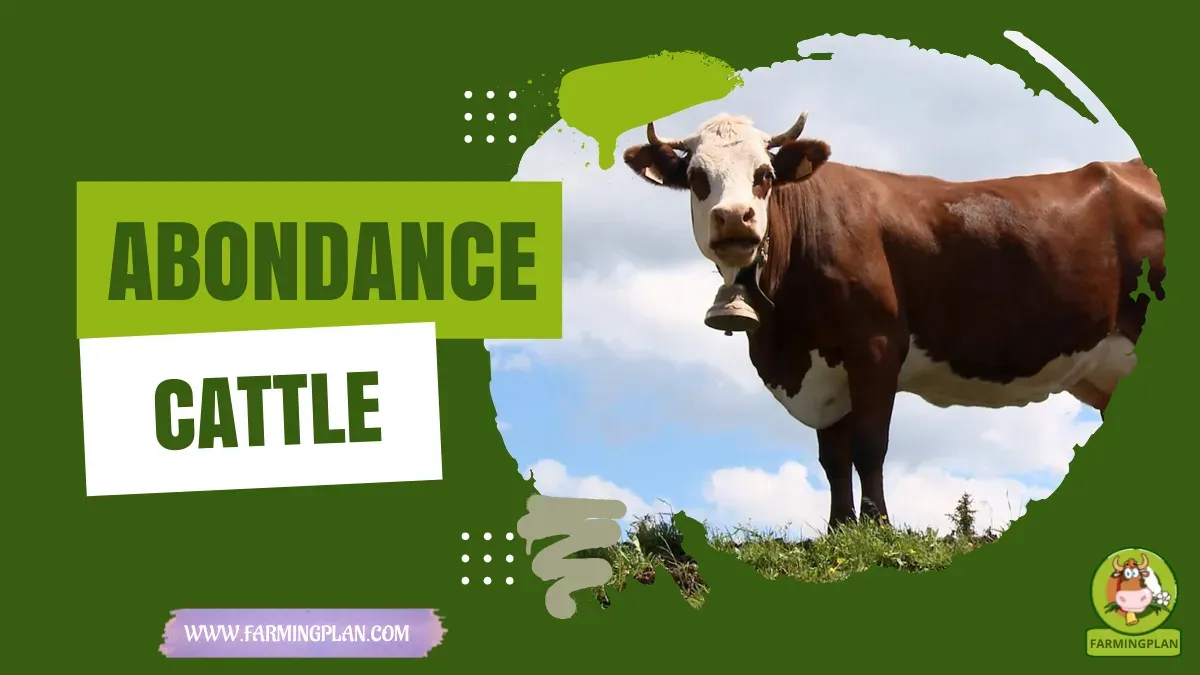
| Coat Coloration | Golden-red mahogany with white head, belly, and tail switch | Features dark reddish-brown eye patches (“lunettes”) |
| Lactation Milk Yield | 5,800 – 6,800 kg per 305-day lactation | Averages 20 to 25 kg daily on high-altitude pasture forage |
| Milk Composition | 3.7% – 3.9% Butterfat; 3.3% – 3.5% True Protein | High Kappa-casein B frequency ideal for curd formation |
| Hoof & Leg Soundness | Dense, black, hard hooves with steep foot angle | Resistant to foot rot and interdigital claw lesions on rocks |
| Alpine Pasture Grazing | Exceptional climber on slopes up to 2,500 meters | Non-selective grazer consuming high-cellulose alpine flora |
The Abondance cattle breed is a world-renowned, medium-sized French dairy breed originating in the high alpine valleys of the Haute-Savoie region in the northern French Alps. Evolved over centuries in steep, rocky mountain pastures, Abondance cattle are celebrated for their golden-red mahogany coat, distinctive dark eye patches (“spectacles”), and rich milk profile. The breed’s milk forms the mandatory foundation for celebrated Appellation d’Origine Protégée (AOP) alpine cheeses, including Abondance, Reblochon, and Tome des Bauges. Tracking feed intake and body condition supports long-term Abondance Cattle performance.
Unlike delicate lowland dairy breeds that suffer from lameness and metabolic exhaustion on steep terrain, Abondance cows are agile walkers equipped with exceptionally hard, dark hooves and sound joints. They convert coarse alpine meadow grasses into high-protein milk with optimal casein variants (high Kappa-casein B frequency) that maximize curd firmness and cheese yields. Incorporating structured grazing rotations, balanced winter forage, and strict mastitis control unlocks superior economic returns for mountain and grass-fed dairy producers. Following biosecurity best practices reduces disease risk in any Abondance Cattle operation.
Alpine Heritage & Haute-Savoie Breeding History
The Abondance breed shares ancient ancestry with the ancestral cattle brought to the Alps by Burgundian tribes during the fifth century, evolving in parallel with Simmental and Montbéliarde breeds. However, its distinct development was nurtured by the Augustinian monks of the Abbey of Sainte-Marie d’Abondance, founded in the twelfth century in the secluded Vallée d’Abondance near the Swiss border. The monks selected cattle for longevity, mountain grazing endurance, and exceptional cheese-making qualities.
For centuries, the breed was managed under the traditional remuage pastoral system. In late spring, entire village herds ascended from valley floors to high mountain pastures (alpages) ranging between 1,200 and 2,200 meters, grazing on wild alpine grasses, clovers, and herbs until autumn snow forced them down. This rigorous environment eliminated weak animals, embedding genetic durability and heat tolerance into the breed. Seasonal adjustments to shelter and diet keep Abondance Cattle thriving year-round.
The French Herd-Book for Abondance was officially established in 1891, standardizing breed conformation and production recording. Today, the breed has expanded beyond France into Italy, Switzerland, Eastern Europe, and North America, prized as a sustainable alternative to fragile industrial dairy cattle. For comprehensive dual-purpose cattle management insights, compare their traits with our profiles on fleckvieh cattle and modern dairy systems. Proper record-keeping makes breeding and culling decisions easier for Abondance Cattle keepers.
Anatomy & Conformation: Coat, Eye Patches & Sound Hooves
Abondance cattle display a harmonious, functional conformation tailored for alpine mobility. Mature cows stand approximately 138 to 142 cm at the withers, presenting a straight back, broad pelvic girdle, and well-attached udder held snugly against the abdominal wall. The snug udder attachment prevents pendulous swinging that can cause teat injuries on jagged rocks and brambles.
The coat is a rich, warm golden-red or mahogany piebald. The head is primarily white, but the eyes are surrounded by deep mahogany pigment rings colloquially termed “spectacles” (lunettes). These dark patches are an essential breed requirement; the dark pigmentation absorbs harsh glare from snow and high-altitude sunshine, preventing solar keratitis (snow blindness) and ocular squamous cell carcinoma. Providing adequate space and ventilation prevents common stress issues in Abondance Cattle.
The feet and legs are exceptional. The hooves are uniformly black, dense, and hard, wearing evenly on rough granite and limestone soils. The pasterns are strong and upright, cushioning the animal’s weight as it navigates 40-degree mountain inclines. The horns are fine and lyre-shaped in females, curving gently upward and forward with dark, elegant tips.
Alpine Pasture Management & Transhumance Grazing
Abondance cattle are non-selective grazers that utilize diverse plant species, including coarse grasses, mountain ferns, and alpine shrubs that specialized dairy cows ignore. Their flexible foraging behavior maintains open alpine meadows, preventing scrub encroachment and reducing wild avalanche risks in mountain valleys. Understanding breed-specific traits helps maximize Abondance Cattle longevity and output.
Implement rotational strip grazing using mobile solar-powered electric fencing when managing high-elevation pastures. Subdivide alpage pastures into 3-to-5-day paddocks, ensuring cattle consume forage at the optimal vegetative stage before woody fiber increases. Providing clean drinking water at multiple elevation points prevents herds from trailing excessively, conserving energy for milk synthesis. Routine preventive care saves time and lowers veterinary costs for Abondance Cattle.
During the winter housing period, provide well-ventilated tie-stall or free-stall housing with deep straw bedding. Avoid damp, humid confinement barns; Abondance cattle are cold-tolerant and thrive in open-front barn structures provided they are protected from wet drafts. For shelter design, evaluate our setup guide on livestock housing equipment and barn layouts.
Maintaining pasture soil health at high altitudes requires disciplined stocking density management. High cattle densities on saturated spring slopes can cause severe poaching and soil destabilization. Farmers traditionally manage grazing pressure by coordinating community pasturing schedules, rotating livestock between north-facing and south-facing valleys to capitalize on microclimates and ensure continuous, regenerative vegetative cover throughout the brief mountain growing season. Matching forage or ration quality to life stage optimizes Abondance Cattle growth.
Dairy Nutrition: Grass-Fed Rations & Winter Forage
To preserve the cheese-making specifications required for authentic AOP designations, Abondance dairy rations must adhere to strict forage guidelines. Traditional specifications prohibit the use of fermented silage and genetically modified feeds, emphasizing natural dry hay, aftermath pasture, and clean mountain forage.
During the summer pasture season, high-quality alpine grasses provide ample digestible energy and protein, requiring only 1.5 to 2.5 kg of balanced grain concentrate per cow daily during peak lactation. In winter, feed first-cut meadow hay combined with second-cut orchardgrass-clover aftermath hay (regain) containing at least 14% crude protein. Gradual dietary transitions protect digestive stability in Abondance Cattle.
Maintain continuous access to balanced mineral licks containing calcium, phosphorus, magnesium, and essential trace elements (selenium, copper, zinc). Magnesium supplementation is especially critical in early spring to prevent lactation tetany (grass staggers) when cows transition from dry winter hay to lush, potassium-rich spring grass. For comparative ruminant feeding standards, explore our guides on dairy farming and grass-fed dairy rations. Selecting healthy foundation stock is the cornerstone of successful Abondance Cattle management.
Herd Health, Mastitis Prevention & Longevity
Abondance cows are renowned for their exceptional constitutional health, experiencing significantly lower rates of clinical mastitis, ketosis, and displaced abomasums than high-input Holstein herds. Their functional teat placement and strong sphincter muscles provide effective barriers against environmental pathogens like Streptococcus uberis and Escherichia coli.
Implement strict milking parlor hygiene: pre-dip teats with an effective foaming disinfectant, strip foremilk to detect abnormal clots, dry each teat with an individual clean cloth, and apply a post-milking barrier dip containing conditioning emollients. Routine hoof trimming should be performed twice yearly to maintain balanced sole angles and eliminate claw overgrowth. Good predator-proofing and dry bedding safeguard Abondance Cattle comfort in harsh weather.
Administer core annual vaccinations against Bovine Viral Diarrhea (BVD), Infectious Bovine Rhinotracheitis (IBR), and Clostridial diseases. In addition, establish biosecurity protocols for testing incoming breeding bulls for Johne’s Disease and Leukosis. Consult official cattle health standards published by the USDA Animal and Plant Health Inspection Service (APHIS).
Breeding Strategy, Calving Ease & Beef Merit
Abondance cattle display outstanding fertility, with cows maintaining regular 365-day calving intervals and routinely producing healthy calves past 12 years of age. First calving occurs smoothly between 28 and 32 months of age, with heifers reaching 65% of mature body weight prior to breeding. Calving ease is an exceptional breed trait: over 95% of births occur without human intervention, supported by a wide, sloping pelvic floor. Monitoring water quality and mineral balance directly benefits Abondance Cattle vitality.
While primary selection focuses on dairy casein quality, Abondance retains valuable secondary beef characteristics. Bull calves not retained for breeding produce high-quality veal and young bull beef with fine grain and favorable dressing percentages (54% to 58%). Cull cows finish easily on pasture, providing well-marbled beef that commands favorable cull cow salvage values. Practical hands-on husbandry ensures consistent results when raising Abondance Cattle.
Many commercial herds employ crossbreeding strategies, utilizing terminal beef sires (such as Charolais or Limousin) on lower-producing cows to generate heavy, rapid-growing crossbred beef calves while retaining purebred Abondance heifers from top dairy dams to maintain herd replacement numbers.
Economic Value: AOP Cheese Production & Alpine Terroir
The economic resilience of Abondance cattle is deeply anchored in value-added artisanal dairy manufacturing. The breed’s milk composition—featuring balanced fat-to-protein ratios and high levels of Kappa-casein BB—delivers superior coagulation speed, firmer curd texture, and 10% to 15% higher cheese yield per liter compared to commercial dairy milk. Early intervention at the first sign of lethargy protects overall Abondance Cattle flock or herd health.
Producers marketing certified AOP cheeses command substantial price premiums, insulating farms from global commodity milk price crashes. In addition, agritourism operations integrating pasture tours, alpine cheese tastings, and direct farm-gate sales generate diverse, lucrative revenue streams. For broader livestock diversification strategies, examine our profiles on raising sheep and sustainable dairy herd management. For additional husbandry benchmarks and feeding standards, explore our complete Allmogekor Cattle care guide.
🐄 Abondance Cattle Daily Forage & Bale Calculator
Calculate daily dry matter forage, winter round bale consumption, pasture allocation, and water requirements for Abondance Cattle cattle.
Frequently Asked Questions (FAQ)
What are Abondance cattle best known for?
Abondance cattle are best known for producing high-quality milk specifically bred for artisanal French cheeses like Abondance, Reblochon, and Tome des Bauges. Their milk contains high levels of Kappa-casein B, which provides superior curd firmness and cheese yields.
Why do Abondance cattle have dark patches around their eyes?
The dark mahogany patches (‘spectacles’ or lunettes) around their eyes absorb strong solar radiation and snow glare at high altitudes, preventing eye infections, sunburn, and snow blindness in alpine environments.
How much milk does an Abondance cow produce annually?
A mature Abondance cow produces between 5,800 and 6,800 kg (12,800 to 15,000 lbs) of milk per 305-day lactation period, averaging 20 to 25 kg daily on pasture with rich butterfat and protein levels.
Are Abondance cattle good for steep mountain pastures?
Yes, the Abondance breed evolved specifically for steep mountain terrain. They have extremely hard black hooves, robust joints, and an agile walking stride that allows them to climb slopes up to 2,500 meters without developing lameness.
Step-by-Step Abondance Dairy Herd Management Protocol
- Implement Rotational Alpage Grazing: Rotate milking cows across alpine pasture strips every 3 to 5 days to optimize vegetative intake and preserve mountain flora.
- Ensure Adequate Water Access on Inclines: Position clean, high-flow water troughs along natural pasture contours to keep lactating cows properly hydrated.
- Feed High-Quality Non-Fermented Dry Hay: Provide first-cut and second-cut meadow hay during winter, avoiding fermented silage to satisfy strict cheese-making standards.
- Supply Balanced Loose Minerals & Salt: Maintain free-choice mineral hoppers containing calcium, phosphorus, and magnesium to prevent grass tetany during spring turnout.
- Maintain Rigid Parlor Mastitis Hygiene: Clean, dry, and pre-dip teats before unit attachment, applying protective barrier teat sealant dips following milking.
- Select Heifers Based on Casein Profiling: Retain replacement heifers from dams confirmed with Kappa-casein BB genetics to continuously maximize herd cheese yield potential.
📚Agricultural Reference & Scientific Citations
Standards and physiological data referenced in this guide comply with USDA Animal and Plant Health Inspection Service (APHIS), American Veterinary Medical Association (AVMA), and the FAO Domestic Animal Diversity Information System.


