As a longtime livestock specialist, I absolute love introducing farmers to rare heritage breeds. The Black Canary Pig, locally known as El cochino negro, is a true treasure of Spanish agricultural history. These unique animals arrived in the Canarian archipelago centuries ago with the original Guanches settlers and later mixed with Iberian pig stocks brought by Spanish conquerors. Unlike wild American cousins such as the peccary pig (Dicotyles tajacu) or the southwest javelina pig, this heritage livestock belongs to the domestic swine family.
People often ask, “Can peccaries breed with pigs?” or “Why are peccaries not pigs?” I always explain that while a javelina vs pig comparison shows structural similarities, peccaries belong to an entirely different biological family (Tayassuidae). The Canarian Black breed is a pure swine lineage renowned for producing extraordinary pork with exceptional marbling. Today, I want to share my practical hands-on experience so you can raise these incredible animals successfully on your own small farm.
History & Origin of Black Canary Pig
My personal journey with heritage livestock started years ago when I first studied island swine breeds. The story of this unique swine line begins deep in ancient history. The original Guanches settlers brought small black hogs from North Africa to the islands long before Europeans arrived. When Spanish explorers crossed the Atlantic, they brought Iberian pig stock onto the land. These animals mixed with local stock, creating a hardy population perfectly adapted to volcanic terrain.
Through hundreds of years, local farmers in places like Los Realejos and Icod el Alto developed a distinct animal. They fed these hogs on native undergrowth of forests, organic leftovers, and forage. Over centuries, these pigs became essential to island survival and rural life. Tradesmen, including the local cochineal seller traveling on horseback, relied heavily on pork products for daily sustenance during long journeys across rough island trails.
Rescue from the Brink of Extinction
By the late 20th century, commercial white breeds like the American Yorkshire, Duroc, Large White, and Berkshire flooded agricultural markets. Local producers favored faster growth rates, which pushed our native Canarian breed dangerously close to total extinction. Meat processors traded traditional quality for fast production schedules.
Fortunately, dedicated breeders and conservation groups stepped up to save this historic lineage. Spanish agricultural authorities recognized the breed in the Official Catalogue of Livestock Breeds of Spain under Royal Decree 1682/1997. Today, organizations like the Rare Breed Survival Trust and Slow Food celebrate this ancient breed alongside other rare European swine like the Italian Cinta Senese and Calabrian Black Pig.
Read More: Agaran Pigeon Care: Ultimate Guide to Master Raising
Characteristics of Black Canary Pig
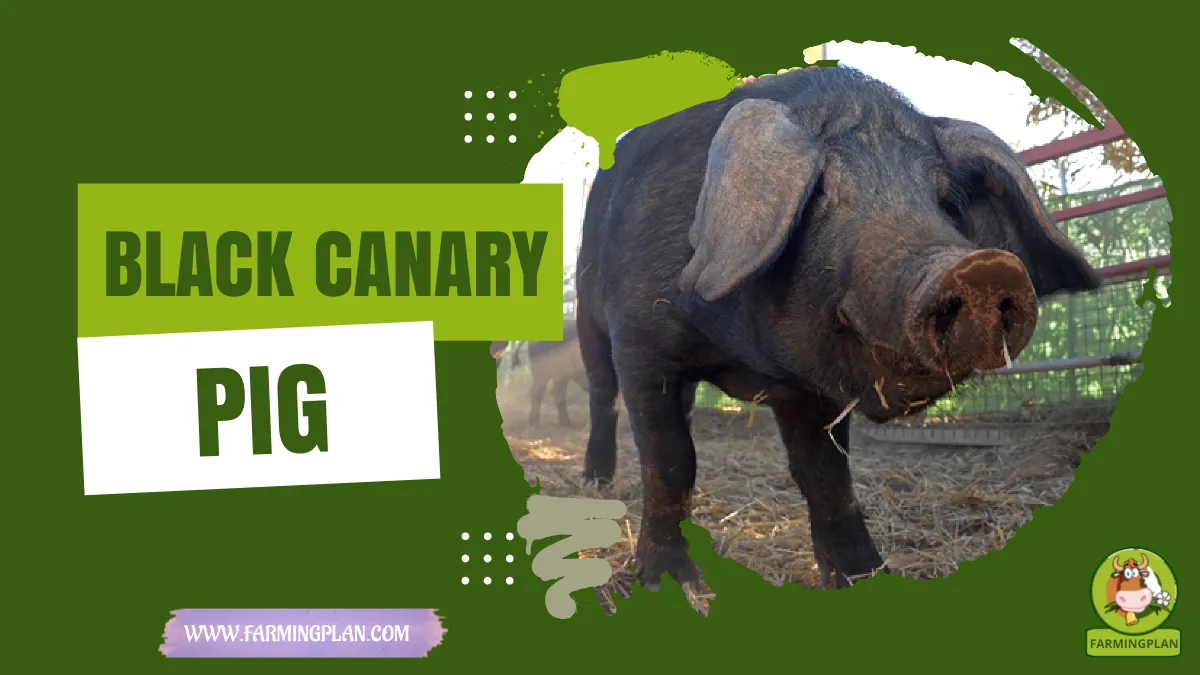
When you step into my barn, you immediately notice the striking physical traits of these animals. They display a medium-sized body frame with a broad chest, short sturdy legs, and strong hooves built for rocky terrain. Their deep black skin features coarse dark bristles, giving them a rustic appearance that stands out among standard farm swine.
One defining feature is their head shape and floppy ears. The ears drop down over their face, shielding their eyes from debris when foraging through dense forest undergrowth. Their muscular back and rounded ribs give them a stocky profile that resembles classic Mediterranean landrace lines like the Lop-Eared Black.
Unique Genetic Markers and Meat Quality
Genetic studies reveal fascinatings links between island stock, Asian lineages, and old British breeds like the Large Black pig. Researchers analyzing ancient DNA and the MT-CYB gene found distinct mitochondrial genome patterns in these animals. This genetic isolation created a biochemical-nutritional profile that rivals famous Iberian Ham (jamon Iberico) production lines.
Their meat boasts incredible marbling, rich fat layers, and deep flavor intensity. Unlike lean commercial pigs, this breed stores healthier intramuscular fat. This quality makes their meat perfect for traditional dry-curing methods, artisanal bacon, and rich local dishes like Spanish tapa plates or Latin American fritada and hornado.
Nature & Temperament of Black Canary Pig
I always tell new farmers that working with these hogs is a genuine pleasure due to their calm, friendly disposition. These animals display a gentle temperament that makes herd management easy, even for beginner livestock owners. They show curiosity toward human handlers and adapt quickly to routine farm chores. Their peaceful nature reduces social stress inside pens, which minimizes aggressive fighting or destructive behaviors.
Pasture Adaptability and Social Needs
These pigs naturally thrive in pasture systems where they can root and forage freely. Their calm instinct allows them to live peacefully alongside other farm livestock like goats, sheep, or cattle without causing trouble. Mothers show strong maternal instincts, caring for their piglets with great patience while remaining manageable during routine health checks.
They form structured social groups and prefer resting together in shaded communal areas. I observe their smart foraging habits every day on my farm. They enjoy exploring open paddocks, turning up soil gently with their snouts, and foraging for natural roots. Their high intelligence means you can easily train them using simple food rewards and daily verbal routines.
Food & Diet of Black Canary Pig
Feeding these animals requires a balanced approach to capture their full culinary potential. Their natural ancestors grazed in oak ecosystems called Dehesa, feeding on rich acorns and wild roots. On my farm, I recreate this natural diet by offering diverse feed sources that enhance meat quality and fat marbling. I provide high-quality grain feeds alongside natural forage like fresh grass, alfalfa, vegetables, and farm leftovers. Providing natural acorns during their final fattening period builds exquisite fat depth reminiscent of top-grade pata negra prosciutto delicacies.
Critical Diet Dos and Don’ts
You must manage dietary balance carefully to prevent excessive fat accumulation without muscle development. Clean, cool water must remain available every second of the day, especially during warmer summer months. I line my feeding stations with sturdy troughs to prevent food waste and keep pastures clean.
- DO: Provide rich natural forage, acorns, squash, and safe orchard drop fruit.
- DO: Offer high-fiber feeds to support healthy gut digestion.
- DON’T: Feed spoiled scraps, salty foods, or high-sugar processed waste.
- DON’T: Restrict fresh water access at any point in their daily routine.
Usage & Purpose of Black Canary Pig
The primary purpose of raising this heritage breed centers on elite pork production. Butchers and chefs actively seek out this specialized meat for its rich marbling and succulent texture. When cured slowly, the meat produces world-class hams that compete directly with premium pata negro products from mainland Europe.
Specialty butchers pay premium prices for these whole carcasses because niche consumers love authentic heritage pork. Small-scale farmers can build profitable direct-to-consumer businesses selling artisanal chops, sausages, lard, and dry-cured meats.
Homestead Clearing and Ecological Value
Beyond meat production, these animals offer tremendous utility across sustainable farms. Their powerful foraging behavior helps clear dense understory vegetation, control weed growth, and turn over thick soil beds naturally without heavy diesel machinery. They process farm surplus, turning extra garden crops and kitchen leftovers into high-quality organic manure. This natural fertilizer enriches farm compost piles, creating a sustainable nutrient cycle that builds rich topsoil for vegetable gardens.
Special Features of Black Canary Pig
One remarkable strength I love about this breed is their amazing climate adaptability. Their dark skin pigmentation protects them from sun scald and heat stress, making them ideal for bright sunny regions. Their strong hooves resist common foot rot diseases even when walking on damp pastures.
Their ancient genetic isolation gave them a tough immune system. They resist common respiratory and digestive ailments far better than delicate commercial white breeds. This natural hardiness keeps veterinary expenses low on small farms.
Premium Culinary Value and Cultural Heritage
The culinary industry considers this breed an absolute treasure due to its unique fat composition. The fatty acid profile creates a low melting point for the fat, resulting in a buttery melt-in-your-mouth feel when cooked or cured. Preserving this livestock preserves living agricultural history. By raising them, you safeguard historic genetics, promote biodiversity, and support ethical livestock management practices recognized globally by conservation groups.
Health Issues & Prevention of Black Canary Pig
While these pigs boast tough immunity, good health care requires vigilant management. External parasites like lice or mange can irritate skin if bedding stays damp. Internal worms also pose risks when swine spend long periods on static dirt paddocks without rotational grazing. Overeating high-energy grain rations can lead to quick weight gain, placing unwanted strain on their joints. You must monitor body condition scores regularly to ensure your herd maintains optimal mobility and structural health.
Preventive Care and Biological Security
I maintain strict sanitation protocols around my barns to keep health issues away. I clean pen bedding daily and provide fresh, clean straw or wood shavings to keep sleeping quarters dry and comfortable.
- Rotate pastures every few weeks to break parasite lifecycles naturally.
- Quarantine any newly arrived animals for 30 days before joining the main herd.
- Provide regular mud wallows or water misters during summer to support thermal regulation.
- Schedule bi-annual health visits with a certified veterinarian to review herd health.
“Raising Rare Livestock Brings Great Joy To Every Passionate Farmer.”
Step-by-Step Farming Guide forof Black Canary Pig
Starting a livestock project with this historic breed requires thoughtful planning, proper infrastructure, and clear management steps. I have developed this comprehensive care blueprint to help you achieve outstanding results from your very first day.
Step 1: Shelter Setup and Paddock Design
I begin every farming project by establishing robust housing and high-security paddock fencing. Build a sturdy shelter that protects your herd from rain, cold winds, and blazing sun. Ensure your shelter provides adequate square footage per animal with clean, dry bedding materials.
Install durable perimeter fencing around pastures using heavy-duty woven wire reinforced with a grounded electric shock wire near the base. Pigs love digging under fences, so keeping your perimeter wire hot prevents accidental escapes. Design dedicated mud wallows within shaded paddock areas to help your animals regulate body temperature naturally during warm afternoons.
Step 2: Formulating Daily Nutritional Programs
I create tailored feeding schedules based on the age, weight, and reproductive stage of my animals. Feed growing pigs a balanced grain blend containing roughly 16% crude protein alongside unlimited access to high-quality fresh pasture grasses. Introduce supplemental foods like surplus farm vegetables, fallen orchard apples, and natural oak acorns as your animals mature. Always place grain rations inside elevated, easy-to-clean feed troughs to keep feed dry and dirt-free. Check fresh water delivery systems daily to guarantee uninterrupted access to clean water.
Step 3: Implementing Daily Care and Hygiene Routines
I stick to a disciplined daily management schedule to keep my swine healthy, happy, and growing steadily. Clean housing quarters each morning by scooping out soiled bedding and replacing it with fresh, dry straw. Inspect every pig daily for signs of lethargy, skin lesions, or changes in normal appetite. Engage gently with your animals during daily visits by talking softly and scratching their backs. Regular friendly contact builds mutual trust, making routine health checks, weigh-ins, and trailer loading stress-free for both handler and livestock.
Step 4: Breeding Management and Piglet Care
I select top breeding stock based on strong body conformation, calm temperaments, and clean health records. Sows show clear heat cycles every 21 days, making breeding scheduling straightforward. Prepare clean, draft-free farrowing pens lined with dry straw beds right before expected birthing dates. Allow sows to give birth naturally while monitoring the process quietly from a safe distance. Ensure newborn piglets suckle nutritious colostrum milk within their first few hours of life. Keep piglet creep areas warm, dry, and protected to ensure high survival rates and rapid early growth.
Read More: Blekinge Duck Care: Ultimate Proven Secrets
Expert Tips & Best Practices for Black Canary Pig
Pasture Rotation Strategies
I always rotate my Black Canary Pigs through different pasture paddocks every three to four weeks. This practice prevents soil erosion, allows grass cover to regenerate naturally, and interrupts internal parasite life cycles without overusing synthetic chemical dewormers.
Flavor Enhancement Through Finishing Diets
During the final two months before harvest, I offer abundant oak acorns, hazel nuts, and fresh squash. This finishing strategy transforms the fat profile of your pork, creating incredible marbling, rich nuttiness, and soft buttery fat that commands top prices from specialty buyers.
Adhering to High Welfare Standards
I run my farm according to strict animal welfare rules outlined in historical guidelines like the Brambell Report and CIWF recommendations. Giving pigs space to express natural rooting behaviors ensures calm, stress-free lives that directly improve overall meat quality.
FAQs
What is the Black Canary Pig and where does it originate?
The Black Canary Pig, known locally as El cochino negro, is a rare heritage swine breed native to the Canary Islands of Spain. It developed over centuries from swine brought by ancient Guanches settlers crossed with mainland Iberian pigs.
How does the Black Canary Pig differ from wild peccaries or javelinas?
While wild peccaries (Dicotyles tajacu) belong to the Tayassuidae biological family, the Canarian Black pig is a true domestic swine belonging to the Suidae family. Peccaries cannot interbreed with domestic swine due to genetic differences.
Is the meat from Black Canary Pigs high quality?
Yes, this breed produces exceptional meat famous for its rich dark color, heavy fat marbling, and intense flavor profile. Chefs value this pork highly for producing gourmet charcuterie and authentic dry-cured hams.
Are Black Canary Pigs good for small farms?
Yes, these pigs possess a docile temperament, excellent foraging skills, and strong natural disease resistance. Their calm nature makes them easy to manage on small homesteads and pasture-based operations.
What do Black Canary Pigs eat?
They thrive on a diverse diet consisting of natural pasture grasses, oak acorns, grain mixes, and organic farm leftovers. Supplying high-fiber feeds alongside acorns yields superior meat marbling and exceptional fat quality.
Conclusion
Raising these historic animals offers a deeply rewarding journey for any livestock farmer or homesteading enthusiast. By managing this ancient breed, you produce world-class gourmet pork with incredible marbling while helping save a rare genetic legacy from extinction. These hardy, gentle pigs adapt easily to pasture systems, enrich farm soil through natural foraging, and bring authentic agricultural history right onto your land. I encourage you to explore this rare breed today, connect with local heritage conservation groups, and start building your own successful pasture-raised swine herd now! Discover the rare Black Canary Pig! Learn history, characteristics, diet, and farming tips for raising this top-quality Spanish livestock breed.