

⚡ Trakehner Horse at a Glance: Key Specifications & Benchmarks
| Scientific Classification | Equus caballus |
| Breed Category / Type | Refined Noble Warmblood Performance Equine (Trakehner Verband) |
| Mature Male Weight | 1,150 to 1,350 lbs (522 to 612 kg); 15.3 to 17.0 hands high |
| Mature Female Weight | 1,050 to 1,250 lbs (476 to 567 kg) |
| Trot Mechanics | Famous ‘floating trot’ characterized by ground-covering suspension, freedom of shoulder, and elasticity |
| Studbook Purity | Closed studbook admitting only purebred Trakehner, Thoroughbred, Arabian, and Shagya Arabian crosses |
| Wartime Heroism | Survivors of ‘The Trek’ in 1945, fleeing 900 miles across frozen Baltic lagoons during WWII |
| Temperament & Disposition | Noble, sensitive, courageous, highly intelligent, loyal partner with immense athletic heart |
The Trakehner Horse represents equine excellence, celebrated by breeders, ranchers, and competitive riders for its athletic power, agile movement, and remarkable endurance. Bred through meticulous studbook standards, this majestic horse delivers superior performance across working ranches, show rings, and cross-country trails. Gradual dietary transitions protect digestive stability in Trakehner Horse.
Equine managers structuring foundational stables with our comprehensive horse management and equine care guide recognize that sound bloodlines produce dependable working temperaments and athletic durability. The Trakehner Horse combines physical stamina with a responsive, willing partnership under saddle and in harness.
From intense arena competitions to heavy agricultural draft tasks, the Trakehner Horse displays biomechanical efficiency and steady nerve. Maintaining proper turnout space, quality forage rations, and consistent training routines unlocks their full working potential and preserves functional longevity.
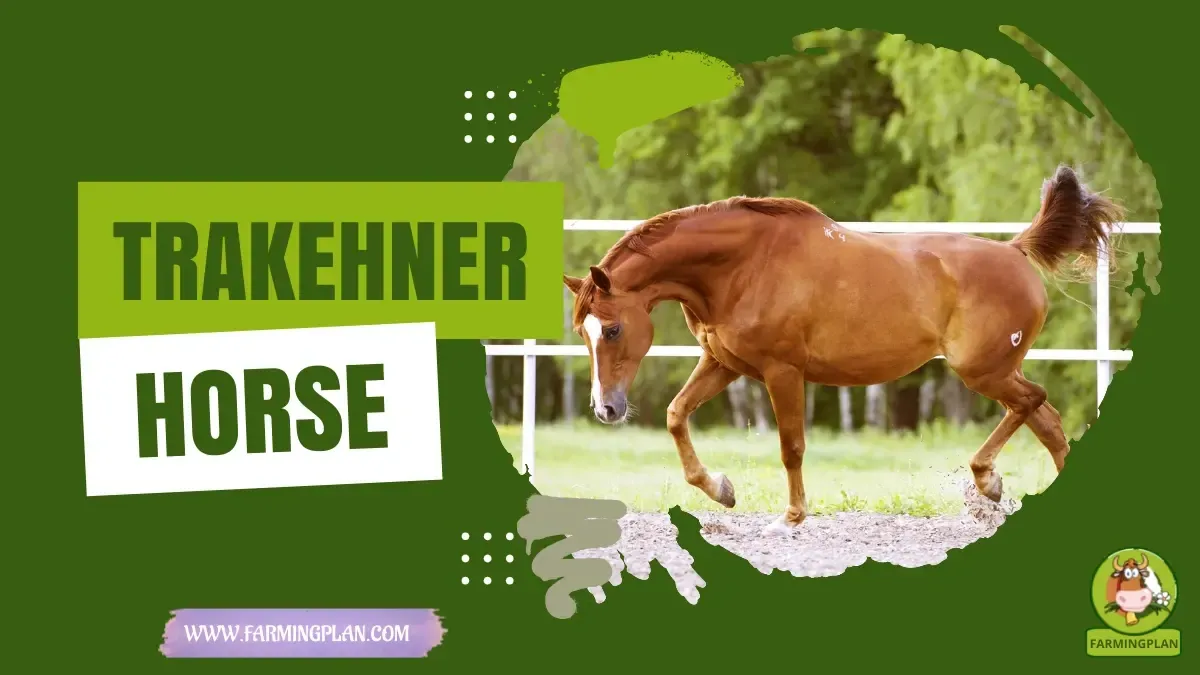
Physical Characteristics & Breed Standards
The physical stature of the Trakehner Horse illustrates purposeful equine biomechanics, exhibiting deep heart girth, powerful hindquarters, and refined structural symmetry. Stallions and geldings weigh approximately 1,150 to 1,350 lbs (522 to 612 kg); 15.3 to 17.0 hands high, while mares maintain an efficient working weight of 1,050 to 1,250 lbs (476 to 567 kg). Selecting healthy foundation stock is the cornerstone of successful Trakehner Horse management.
Structural Conformation & Skeletal Frame
Sloping shoulders, clean wither definition, and sturdy cannon bones provide powerful shock absorption during rapid deceleration, turns, and jumps. Their hoof structure and bone circumference support heavy athletic exertion without premature tendon stress.
Evaluating movement requires assessing straight tracking at the walk, trot, and canter, observing clean foot placement without winging or paddling. High-quality individuals carry their heads naturally, engaging their core and hindquarters seamlessly.
Breed Evaluation & Functional Standards
Strict breed inspections eliminate structural defects such as bone spavins, sickle hocks, upright pasterns, or narrow chests. Breeding only sound individuals ensures lasting joint health, mental resilience, and athletic superiority across long careers. Good predator-proofing and dry bedding safeguard Trakehner Horse comfort in harsh weather.
⚡ Trakehner Horse Biomechanical & Performance Matrix
| Conformation Metric | Standard Benchmark | Operational Athletic Utility |
|---|---|---|
| Mature Stallion Weight | 1,150 to 1,350 lbs (522 to 612 kg); 15.3 to 17.0 hands high | Tremendous muscular propulsion and skeletal bone substance |
| Mature Mare Weight | 1,050 to 1,250 lbs (476 to 567 kg) | Balanced athletic frame with maternal carrying capacity |
| Locomotion & Stride | Famous ‘floating trot’ characterized by ground-covering suspension, freedom of shoulder, and elasticity | Maximum forward efficiency with minimal joint shock |
| Hoof & Limb Soundness | Dense horn wall and clean bone | Resists concussion across hard arena footing and trails |
| Metabolic Vigor | Superior roughage conversion | Maintains muscle glycogen and energy during work |
Breed History, Heritage & North American Development
Founded in 1732 by King Friedrich Wilhelm I of Prussia at the Main Stud Trakehnen in East Prussia to create elite cavalry remounts and agricultural carriage horses.
Through generations of selective breeding, equine managers honed the Trakehner Horse to excel in specialized tasks ranging from cavalry maneuvers and high-speed cattle work to heavy draft pulling. Their ability to perform demanding tasks under difficult conditions earned them a permanent place in agricultural history. For additional husbandry benchmarks and feeding standards, explore our complete Camargue Horse care guide.
In the United States, national breed registries and studbooks have meticulously documented pedigrees, progeny performance, and conformation inspections. Today, the Trakehner Horse is widely celebrated across equestrian disciplines, driving competitions, and commercial ranching outfits.
Contemporary equine performance data proves that traditional bloodlines continue to produce elite athletic results. Preserving the historical versatility and quiet temperament of the Trakehner Horse remains the central guiding mission of leading American breeders. Monitoring water quality and mineral balance directly benefits Trakehner Horse vitality.
Housing, Shelter Dimensions & Winter Hardiness
Proper housing and paddock design for the Trakehner Horse require generous stall dimensions, excellent barn ventilation, and safe turnout pasture. Stalls should measure at least 12×12 feet (or 14×14 feet for heavy draft individuals), featuring level, shock-absorbing rubber matting.
Fencing must be exceptionally strong, highly visible, and free of protruding nails or sharp wire edges. Four-board wooden fences, high-tensile polymer rails, or electro-braid fencing standing 4.5 to 5 feet high keep horses secure without risk of entanglement.
Fencing Standards & Spatial Density
Barn design must maintain continuous draft-free cross ventilation to keep air fresh and prevent respiratory disease caused by airborne dust and ammonia fumes. High open rafters and ridge vents ensure air exchanges regularly without exposing stock to chilly drafts. Practical hands-on husbandry ensures consistent results when raising Trakehner Horse.
During sub-zero winter temperatures, horses with healthy winter coats tolerate cold exceptionally well if provided windbreak run-in sheds and unlimited high-quality grass hay. Fiber fermentation in the cecum generates significant internal heat, keeping horses warm naturally.
Seasonal Mud & Winter Run Protocols
High-traffic gate areas and water trough pads demand proper mud abatement. Installing geotextile landscape fabric topped with crushed stone aggregate prevents muddy footing, thrush infections, and musculoskeletal slips during wet spring thaws.
Nutritional Requirements, Daily Rations & Feeding Protocols
Equine digestive health requires consistent, high-fiber rations designed around the unique physiology of hindgut fermentation. Develop comprehensive feed programs following our Hanoverian warmblood sport horse care manual to balance caloric intake with athletic workload. Early intervention at the first sign of lethargy protects overall Trakehner Horse flock or herd health.
Forage represents the cornerstone of equine nutrition; horses must consume 1.5 to 2.5 percent of their body weight in high-quality grass or mixed legume hay daily. Adequate long-stem fiber keeps the cecum functioning properly, preventing gastric ulcers and colic.
Crude Protein & Caloric Energy Formulations
Working horses in moderate to intense training require fortified grain concentrates supplying 10 to 14 percent crude protein, balanced amino acids, and essential fatty acids. Introduce dietary adjustments gradually over 10 to 14 days to preserve delicate gut flora.
Maintain balanced mineral supplementation with a 2:1 calcium-to-phosphorus ratio, accompanied by free-choice cobalt trace mineralized salt blocks. Horses sweating heavily during hard summer workouts benefit from daily oral electrolyte supplementation.
Trace Minerals & Hydration Parameters
Provide constant access to clean, fresh water maintained at 45°F to 65°F (7°C to 18°C). An adult horse consumes 10 to 15 gallons of water daily, with requirements doubling during summer humidity or heavy arena exercise. Structured culling and biosecurity protocols strengthen Trakehner Horse genetic quality.
Health Management, Common Diseases & Biosecurity Standards
Comprehensive equine health management combines disciplined preventative veterinary medicine, routine farrier care, and rigorous stable biosecurity. Consistent preventive protocols prevent debilitating soundness issues and infectious disease outbreaks across the barn.
Vaccination regimens should adhere to the core guidelines developed by leading authorities like the American Trakehner Association Registration & Health Rules. Annual vaccines against tetanus, Eastern and Western equine encephalomyelitis, West Nile virus, and rabies are essential for all equines.
Parasite Surveillance & Preventative Medications
Modern parasite management relies on quantitative fecal egg count (FEC) testing rather than blind rotational deworming. Identifying high egg shedders allows targeted anthelmintic administration, preserving drug efficacy and reducing pasture parasite contamination. Maintaining clean feeders and sanitized equipment supports sustainable Trakehner Horse care.
Professional hoof care every 5 to 7 weeks maintains proper hoof-pastern axis alignment and prevents common equine foot pathologies such as thrush, white line disease, and quarter cracks. Annual dental floating ensures smooth grinding surfaces for forage chewing.
Stable & Kennel Biosecurity Protocols
Stable biosecurity mandates strict 21-day quarantine periods for newly arrived horses, requiring daily temperature checks to detect equine herpesvirus or strangles before herd integration. Disinfecting trailer walls and community water buckets halts disease transmission.
Breeding Management, Incubation & Offspring Care
Breeding management of the Trakehner Horse focuses on preserving functional conformation, athletic rideability, and genetic vigor. Evaluate complementary sire bloodlines with our Dutch Warmblood jumper and dressage horse guide to plan successful breeding programs. Consistent daily observation helps keepers spot early changes in Trakehner Horse health and behavior.
Mares must undergo comprehensive veterinary reproductive exams, including uterine cytology, culture, and ultrasound evaluation, before breeding. Artificial insemination using fresh chilled or frozen semen allows breeders to access elite stallions globally.
Mating Protocols & Conception Benchmarks
Equine gestation lasts approximately 340 days (11 months). In the final trimester, vaccinate the pregnant mare against equine rhinopneumonitis (EHV-1) and move her to a spacious 14×14 foot foaling stall equipped with clean straw bedding.
Follow the ‘1-2-3 rule’ for normal foaling: the foal should stand within 1 hour, nurse vigorously within 2 hours, and the mare should pass the placenta within 3 hours. Dip the foal’s navel in dilute chlorhexidine solution immediately.
Neonatal Care & Weaning Milestones
Conduct a routine foal wellness exam at 18 to 24 hours of age, checking immunoglobulin G (IgG) antibody levels via blood test to confirm successful passive transfer. Handle foals gently from birth to imprint cooperative groundwork. Clean housing, fresh water, and balanced nutrition remain essential for Trakehner Horse productivity.
US Ownership Budget & Annual Maintenance Costs
Owning and maintaining the Trakehner Horse requires a comprehensive annual budget covering forage, grain concentrates, routine farrier appointments, and veterinary maintenance.
Whether keeping horses at home acreage or utilizing full-care commercial boarding facilities, understanding line-item maintenance costs guarantees uninterrupted, responsible equine stewardship.
⚡ Estimated Annual Budget & Maintenance Costs (USD)
| Expense Category | Estimated Range (Annual/USD) | Operational Management Notes |
|---|---|---|
| Quality Hay & Pasture Management | $1,500 – $2,800 | Tested grass-legume hay bales and seasonal pasture upkeep |
| Fortified Grain & Supplements | $600 – $1,200 | Commercial concentrated feed pellets and electrolyte packs |
| Routine Farrier Trimming & Shoeing | $450 – $1,100 | Regular trim cycles every 6 weeks or performance shoeing |
| Veterinary Care, Vaccines & Teeth | $400 – $850 | Annual core immunizations, fecal tests, and dental floats |
| Bedding & Stall Upkeep | $350 – $750 | Clean pine wood shavings and stall deodorizing pellets |
| Total Annual Operating Cost | $3,300 – $6,700 | Average annual maintenance cost excluding initial purchase or boarding |
Responsible horse owners establish contingency funds for veterinary emergencies such as colic treatment. Consistent daily management, quality forage, and preventative foot care deliver excellent equine health and athletic longevity. Tracking feed intake and body condition supports long-term Trakehner Horse performance.
🧮 Trakehner Horse Daily Feed & Hay Intake Calculator
Calculate recommended daily dry grass hay (lbs), clean water intake, and estimated monthly forage costs tailored specifically for your Trakehner Horse.
Frequently Asked Questions (FAQ)
What is the famous ‘floating trot’ of the Trakehner horse?
The floating trot is an expressive, springy gait with exceptional suspension, where the horse appears to hover over the ground with relaxed shoulders and active engagement from the hindquarters.
What was ‘The Trek’ and how did it save the Trakehner breed from extinction?
In the brutal winter of 1945 as Soviet forces advanced, East Prussian breeders fled westward over 900 miles, driving their horses across the cracking ice of the frozen Baltic Curonian Lagoon to safety.
Why does the Trakehner maintain a strictly closed studbook?
To preserve refined noble character, stamina, and bone density, the Trakehner Verband permits outside outcrosses only from pure Thoroughbreds, Arabians, and Shagya Arabians, banning heavy draft warmbloods.
What does the double elk horn brand on a Trakehner represent?
The double elk horn brand is the historic royal hallmark of the Main Stud Trakehnen, branded onto the left hip of licensed purebred horses that meet strict breed conformation standards.
What sports are Trakehners best suited for in modern equestrian competition?
Due to their endurance, bravery, and refined agility, Trakehners excel in Olympic three-day eventing, upper-level Grand Prix dressage, and show jumping, making willing, loyal competitive partners.
Expert Verdict & Next Steps
The Trakehner Horse delivers unmatched athletic capability, balanced movement, and generous working disposition across diverse equestrian disciplines. Incorporating sound management strategies from our comprehensive Thoroughbred performance racehorse manual ensures long-term sound performance under saddle and in harness.
Prioritizing tested forage rations, regular farrier maintenance, and thoughtful riding progression safeguards musculoskeletal health throughout an extended athletic career. Their responsive temperament makes them an invaluable asset for serious horse enthusiasts.
Strategic Seasonal Management Checklist
Maintain detailed training and health logs that track farrier visits, dental floating, vaccinations, and performance milestones. Proactive stable management and attentive daily horsemanship guarantee exceptional partnership and lasting equine vitality.
📚Agricultural Reference & Scientific Citations
Standards and physiological data referenced in this guide comply with USDA Animal and Plant Health Inspection Service (APHIS), American Veterinary Medical Association (AVMA), and the FAO Domestic Animal Diversity Information System.


