

⚡ Percheron Horse at a Glance: Key Specifications & Benchmarks
| Scientific Classification | Equus caballus (French Heavy Draft Breed Group) |
| Height at Withers | 16.2 to 19.0 hands (168 to 193 cm); massive draft scale |
| Mature Body Weight | 1,900 to 2,600 lbs (860 to 1,180 kg) in working condition |
| Signature Coat Colors | Predominantly jet black or dappled gray; chestnuts rarely accepted |
| Leg Feathering Profile | Clean legs with minimal feathering; easy mud maintenance |
| Average Lifespan | 18 to 24 years; durable working longevity under sound care |
| Primary Agricultural Utility | Forestry logging, field plowing, heavy commercial carriage driving |
| Temperament & Drive | Alert, energetic, willing, docile, and exceptionally trainable |
The Percheron horse is one of the most magnificent and historically significant heavy draft breeds in the world. Originating in the fertile Huisne river valley of the historic Perche province in northwestern France, this powerhouse equine combines massive pulling power with an energetic, ground-covering trot that sets it apart from other draft breeds. Providing adequate space and ventilation prevents common stress issues in Percheron Horse.
Unlike slower draft breeds or light riding horses documented in our equine and horse management hub, the Percheron carries ancestral Arabian bloodlines. This infusion grants the Percheron a refined head, active forward drive, and remarkably clean lower legs that resist mud accumulation during wet field work. Understanding breed-specific traits helps maximize Percheron Horse longevity and output.
In modern agriculture and rural enterprise, the Percheron serves as an invaluable partner in low-impact forestry, organic market farming, commercial carriage tours, and show hitches across North America. Managing an animal weighing over a ton requires specialized knowledge of nutrition, harness mechanics, and hoof care. This operational guide details essential standards for keeping Percherons sound and productive.
Physical Characteristics & Breed Standards
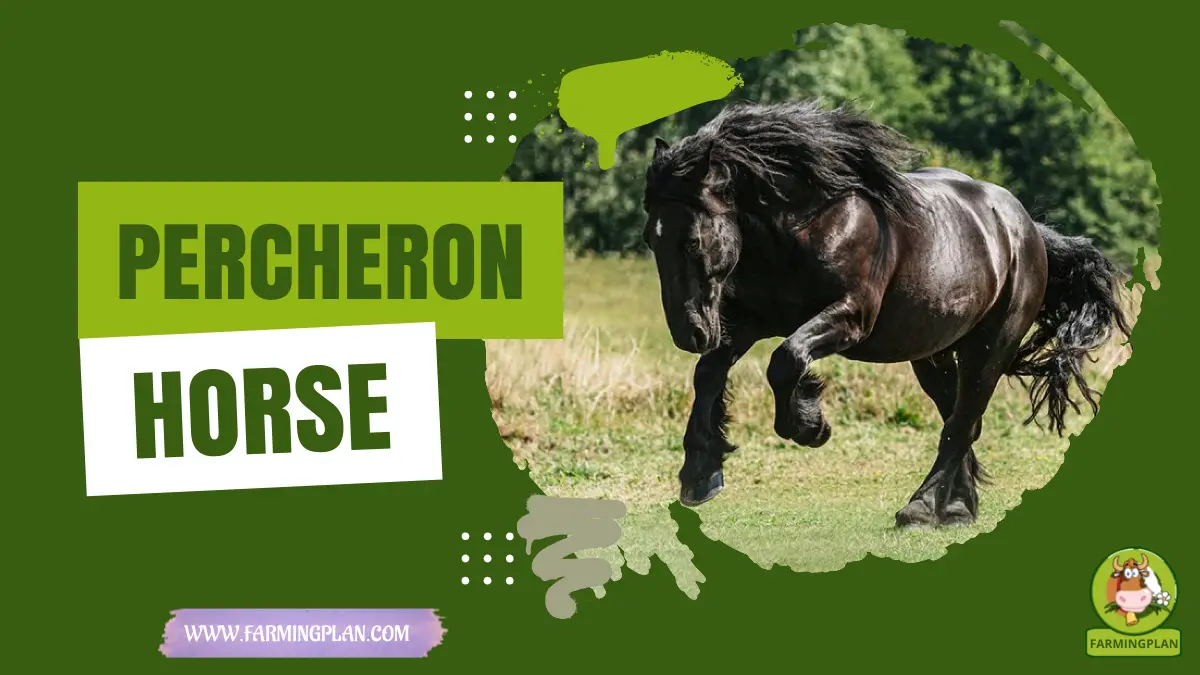
The Percheron Horse Association of America (PHAO) maintains rigorous conformation standards. The ideal Percheron presents an image of balance, muscular power, and athletic animation, moving with long, free strides that reflect both strength and agility. Routine preventive care saves time and lowers veterinary costs for Percheron Horse.
Draft Conformation & Skeletal Architecture
The head is handsome and proportionate, featuring a wide forehead, prominent intelligent eyes, and a straight nasal bone. The neck is long, arched, and muscular, flowing smoothly into heavily muscled shoulders set at an angle that accommodates a heavy pulling collar without restricting windpipe airway clearance. Matching forage or ration quality to life stage optimizes Percheron Horse growth.
The chest is wide and deep, housing massive heart and lung volume. The back is short and broad, coupling tightly to a powerfully muscled, sloping croup with a well-set tail. Legs are heavy-boned yet clean, possessing dense flat bone, prominent knees, and large, round hooves with resilient horn texture that supports heavy tonnage.
Coat Colors, Size & Weight Benchmarks
Standard registry rules recognize black and gray as the primary coat colors, with gray horses transitioning from dark steel or dapple in youth to silver-white in maturity. Occasional bay, roan, or chestnut horses appear, though black and gray dominate show rings. Mature geldings and stallions stand 16.2 to 18.2 hands tall and weigh between 1,900 and 2,600 pounds. Gradual dietary transitions protect digestive stability in Percheron Horse.
⚡ Percheron Horse Performance & Production Matrix
| Performance Parameter | Draft Working Standard | Commercial Hitch Target | Management Challenge |
|---|---|---|---|
| Mature Body Weight | 1,900–2,600 lbs (860–1,180 kg) | Deep muscular tone | High feed volume & manure management |
| Draft Pulling Force | Exceeds 1.5x body weight in harness | Steady, synchronized team gait | Custom harness fitting & collar sores |
| Hoof Capsule Scale | Size 6 to 8 draft horse shoe | Dense, thick hoof wall | Finding experienced draft farriers |
| Gait Animation | High-stepping, forward trot | Ground-covering, free stride | Joint stress on hard pavement |
| Metabolic Hardiness | Thrives on quality grass forage | Efficient feed conversion | Susceptible to equine polysaccharide storage |
Breed History, Heritage & North American Development
The Percheron lineage evolved over centuries of selective breeding in Normandy and the Perche district. During the Middle Ages, ancestors of the breed served as armored war horses (destriers), prized by French knights for their ability to carry tremendous weight into battle while maintaining rapid turning agility. Selecting healthy foundation stock is the cornerstone of successful Percheron Horse management.
With the invention of firearms and the decline of armored cavalry, breeders redirected the Percheron toward stagecoach transit (“diligence” horses) and heavy agricultural plowing. In the 18th and early 19th centuries, French breeders incorporated gray Arabian stallions to enhance lung capacity, bone density, and endurance at the trot.
American farmers imported the first Percherons in 1839. By the early 1900s, the Percheron became the undisputed king of American farm horses, outnumbering all other draft breeds combined. American homesteaders appreciated the clean legs of the Percheron, which did not collect mud and burrs like heavily feathered Clydesdales or Shires in deep prairie soils. Good predator-proofing and dry bedding safeguard Percheron Horse comfort in harsh weather.
Although farm mechanization reduced working draft numbers after World War II, dedicated Amish communities and heritage farmers preserved pure bloodlines. Today, the Percheron enjoys a vibrant resurgence in sustainable agro-forestry, eco-tourism, and competitive draft pulling contests. Monitoring water quality and mineral balance directly benefits Percheron Horse vitality.
Housing, Shelter Dimensions & Winter Hardiness
Managing an equine that weighs more than a ton requires heavy-duty housing infrastructure. Standard light-horse stalls and fences are easily crushed or damaged by an animal of this stature. Buildings must be reinforced with heavy timber and reinforced steel latches.
Draft Stall Dimensions & Paddock Engineering
Standard box stalls for Percherons must measure at least 14×14 feet or 16×16 feet, constructed with solid oak or 2-inch tongue-and-groove planking up to 5 feet high. Ceiling clearance must reach at least 10 to 12 feet to allow comfortable head carriage without risk of striking structural roof beams. Practical hands-on husbandry ensures consistent results when raising Percheron Horse.
Paddock fencing should stand 54 to 60 inches tall, utilizing heavy wood post-and-rail, pipe steel, or polymer-coated electric rail. Never use flimsy wire or barbed wire. Gates must be 12 to 14 feet wide to accommodate farm equipment and wide-bodied teams without hip bruising. Early intervention at the first sign of lethargy protects overall Percheron Horse flock or herd health.
Percherons are exceptionally winter hardy, generating enormous body heat through rumen-like hindgut fiber fermentation. In winter conditions down to -20°F (-29°C), they remain comfortable in outdoor paddocks with an open three-sided shelter and unlimited forage access. During summer heat, ensure shade and fans to prevent thermal exhaustion.
Nutritional Requirements, Daily Rations & Feeding Protocols
Feeding a draft horse requires an understanding of energy density and gut volume. A 2,000-pound working Percheron consumes between 30 and 45 pounds of dry matter daily. Overfeeding simple sugars and starches leads to catastrophic digestive and metabolic disorders. Structured culling and biosecurity protocols strengthen Percheron Horse genetic quality.
Forage Ingestion & PSSM Diet Formulation
The cornerstone of the draft diet is high-quality mixed grass hay (timothy, orchard grass, or brome), fed at 1.5% to 2.0% of body mass daily (30 to 40 lbs). Avoid pure legume hay like alfalfa unless horses are engaged in heavy winter logging, as excess protein stresses renal clearance. Maintaining clean feeders and sanitized equipment supports sustainable Percheron Horse care.
Because Percherons carry susceptibility to Polysaccharide Storage Myopathy (PSSM Type 1), minimize grain starches and non-structural carbohydrates (NSC < 12%). Supply calories through digestible fiber (beet pulp, soy hulls) and vegetable oil (1 to 2 cups daily). Comprehensive livestock feeding systems are cataloged in our farm livestock feeding index.
Provide daily loose trace minerals formulated with copper, zinc, selenium, and 2,000 to 4,000 IU of natural vitamin E. An adult Percheron drinks 15 to 25 gallons of fresh water daily in cool weather, increasing to over 35 gallons during heavy draft fieldwork in summer. Consistent daily observation helps keepers spot early changes in Percheron Horse health and behavior.
Health Management, Common Diseases & Biosecurity Standards
Due to their immense mass, Percherons present unique physiological challenges when health issues arise. Preventative veterinary management is critical because treating downer draft horses is complicated and carries high morbidity risks. If you are balancing utility output and herd resilience, take a look at our Eriskay Pony reference guide. Clean housing, fresh water, and balanced nutrition remain essential for Percheron Horse productivity.
PSSM Screening, Hoof Health & Anesthesia Hazards
Type 1 PSSM is an inherited genetic mutation (GYS1 gene) that causes abnormal glycogen accumulation in muscle tissue, leading to painful “tying up” (exertional rhabdomyolysis), muscle tremors, and stiffness. Order a hair-root genetic test for all breeding and working stock, managing affected horses with high-fat, low-carb feeding and daily exercise.
Routine hoof care must occur every 6 to 8 weeks. While their clean legs reduce skin scratches (grease heel) compared to feathered breeds, draft hooves are prone to thrush and quarter cracks if kept in wet bedding. Review national equine biosecurity guidelines through the USDA APHIS Equine Health Information Center. Tracking feed intake and body condition supports long-term Percheron Horse performance.
Administer annual core vaccines including Tetanus, Rabies, West Nile, and Sleeping Sickness. Note that when general anesthesia is required for surgical procedures, heavy draft horses carry higher risks of compartment syndrome and nerve paralysis, necessitating specialized draft recovery padding. Following biosecurity best practices reduces disease risk in any Percheron Horse operation.
Breeding Management, Incubation & Offspring Care
Breeding draft horses requires meticulous planning regarding stallion handling, broodmare nutrition, and foaling facilities. Percheron mares are known for generous milk production, calm maternal behavior, and high conception rates.
Gestation Care & Draft Foal Development
Gestation spans 335 to 345 days. Broodmares require an oversized foaling stall measuring at least 16×20 feet, bedded with deep, clean wheat straw. New foals weigh 120 to 175 pounds at birth and must stand and nurse within two hours to ingest protective maternal colostrum antibodies. Seasonal adjustments to shelter and diet keep Percheron Horse thriving year-round.
Early gentle handling establishes respect and cooperative ground manners from day one. Teaching draft foals to lead, tie quietly, and yield to foot pressure prevents dangerous resistance as they approach 1,000 pounds by their first birthday. Contrast early groundwork with the feathered Gypsy Vanner draft horse guide. Proper record-keeping makes breeding and culling decisions easier for Percheron Horse keepers.
Wean foals gradually between 5 and 6 months. Maintain young stock on balanced grass forage and ration balancers, avoiding excessive grain that spurs rapid, uneven bone growth leading to developmental orthopedic disease (osteochondrosis dissecans).
US Ownership Budget & Annual Maintenance Costs
Owning a Percheron involves substantial financial outlays due to the sheer volume of feed consumed and the expense of specialized draft equipment, harness rigs, and farrier services. Well-trained, broke farm teams range from $8,000 to $20,000, while show-quality hitch horses can exceed $35,000. Providing adequate space and ventilation prevents common stress issues in Percheron Horse.
⚡ Estimated Annual Budget & Maintenance Costs (USD)
| Expense Category | Estimated Annual Cost Range (USD) | Operational Cost Efficiency Strategy |
|---|---|---|
| Foundational Broke Draft Horse | $6,000.00 – $18,000.00 initial asset | Acquire sound, well-started workhorses from reputable farm dispersal auctions |
| Premium Grass Hay (35 lbs/day) | $1,800.00 – $2,800.00 per horse | Source 3x3x8 large square bales directly from local forage producers |
| Draft Farrier Care (Trim or Shoe) | $550.00 – $1,800.00 per horse | Keep working horses barefoot when working soft soil or timber pastures |
| Concentrate Feed & Vitamin E | $400.00 – $750.00 per horse | Utilize bulk soy oil and beet pulp rather than pricey pre-mixed feeds |
| Veterinary Care & Annual Vaccines | $450.00 – $900.00 annual wellness | Coordinate routine farm visits with neighboring livestock farms |
🧮 Percheron Horse Daily Feed & Hay Intake Calculator
Calculate recommended daily dry grass hay (lbs), clean water intake, and estimated monthly forage costs tailored specifically for your Percheron Horse.
Frequently Asked Questions (FAQ)
How much does an adult Percheron horse weigh?
An adult Percheron horse typically weighs between 1,900 and 2,600 pounds (860 to 1,180 kg), with mature stallions and large show geldings occasionally exceeding 2,700 pounds.
What are the primary colors of the Percheron horse?
The Percheron breed registry primarily recognizes black and gray. Gray horses are born dark and gradually lighten to dapple and silver-white as they age. Occasional chestnut, bay, and roan horses appear but are less common.
Do Percherons have feathered legs like Clydesdales?
No, Percherons have clean legs with very little hair feathering around the fetlocks. This clean-legged trait was favored by American farmers because it prevented heavy mud and ice from clumping onto the lower limbs during fieldwork.
What is PSSM in Percheron horses?
Polysaccharide Storage Myopathy (PSSM Type 1) is an inherited muscle glycogen storage disease common in draft breeds. It causes painful cramping, tremors, and stiffness. It is managed with genetic testing, daily exercise, and a low-starch, high-fat diet.
How much feed does a working Percheron eat daily?
A working 2,000-pound Percheron consumes approximately 30 to 45 pounds of feed per day, predominantly consisting of high-quality mixed grass hay, supplemented by beet pulp, vegetable oil, and vitamin-mineral balancers.
Expert Verdict & Next Steps
The Percheron horse represents the ultimate synergy of monumental power, refined beauty, and willing temperament. Whether logging steep hillside timber or stepping proudly in a formal commercial hitch, this historic French draft breed delivers reliable strength and steadfast loyalty. Understanding breed-specific traits helps maximize Percheron Horse longevity and output.
Prospective draft owners must invest in heavy-gauge infrastructure and commit to sound low-starch nutrition to keep these gentle giants sound for decades. For comparisons with other distinguished European heavy breeds, explore our companion guide on the Friesian Horse care and performance profile.
📚Agricultural Reference & Scientific Citations
Standards and physiological data referenced in this guide comply with USDA Animal and Plant Health Inspection Service (APHIS), American Veterinary Medical Association (AVMA), and the FAO Domestic Animal Diversity Information System.


