

⚡ Parlor Roller Pigeon at a Glance: Key Specifications & Benchmarks
| Scientific Name | Columba livia domestica (Flightless Ground-Performing Landrace) |
| Breed Origin | Midwestern United States (Developed mid-1800s from Birmingham Roller stock) |
| Official Registry | National Pigeon Association (NPA) / American Parlor Roller Association (APRA) |
| Average Mature Weight | 10 to 13 oz (280 to 370 grams) |
| Flight Status | Completely flightless at maturity (ground somersaulting behavior) |
| Primary Fancier Roles | Competitive turf distance rolling, exhibition showing, companion aviculture |
| Specialized Housing | Strict ground-level perches, low nest boxes, zero elevated drop hazards |
| Average Healthy Lifespan | 10 to 15 years in well-ventilated, predator-proof lofts |
The Parlor Roller pigeon is without question one of the most remarkable and specialized domestic fancy pigeon breeds in aviculture. Developed in the United States during the 19th century from flying Birmingham Roller stock, the Parlor Roller carries a unique genetic trait that causes it to perform backward somersaults along the ground rather than in the open sky. As mature adults, these birds lose the ability to achieve sustained flight, channeling their neurological rolling impulse entirely into ground-level rolling across grass lawns or carpeted competition courses. Exploring our extensive directory of domestic pigeon breeds demonstrates how selective breeding has produced astonishing diversity within the Columba livia family. Providing adequate space and ventilation prevents common stress issues in Parlor Roller Pigeon.
In competitive aviculture, Parlor Roller fanciers celebrate these birds in sanctioned distance contests where individuals are gently released on manicured turf to measure how many continuous revolutions and yards they can roll. Elite competition birds can roll for dozens, and in historic cases hundreds, of feet in a single unbroken sequence. Beyond their unique athletic performance, Parlor Rollers are remarkably gentle, trusting, and docile companion birds that thrive in indoor aviaries and sheltered backyard lofts when managed with specialized environmental considerations. Understanding breed-specific traits helps maximize Parlor Roller Pigeon longevity and output.
Because Parlor Rollers cannot fly to escape danger or reach high feeding stations, their husbandry requirements differ fundamentally from standard flying pigeons. High perches, elevated nest boxes, and exposed outdoor pens present severe hazards. This authoritative care manual outlines the genetic mechanisms, loft modifications, nutritional balances, breeding strategies, and preventive health protocols essential for raising thriving, competitive Parlor Rollers. Routine preventive care saves time and lowers veterinary costs for Parlor Roller Pigeon.
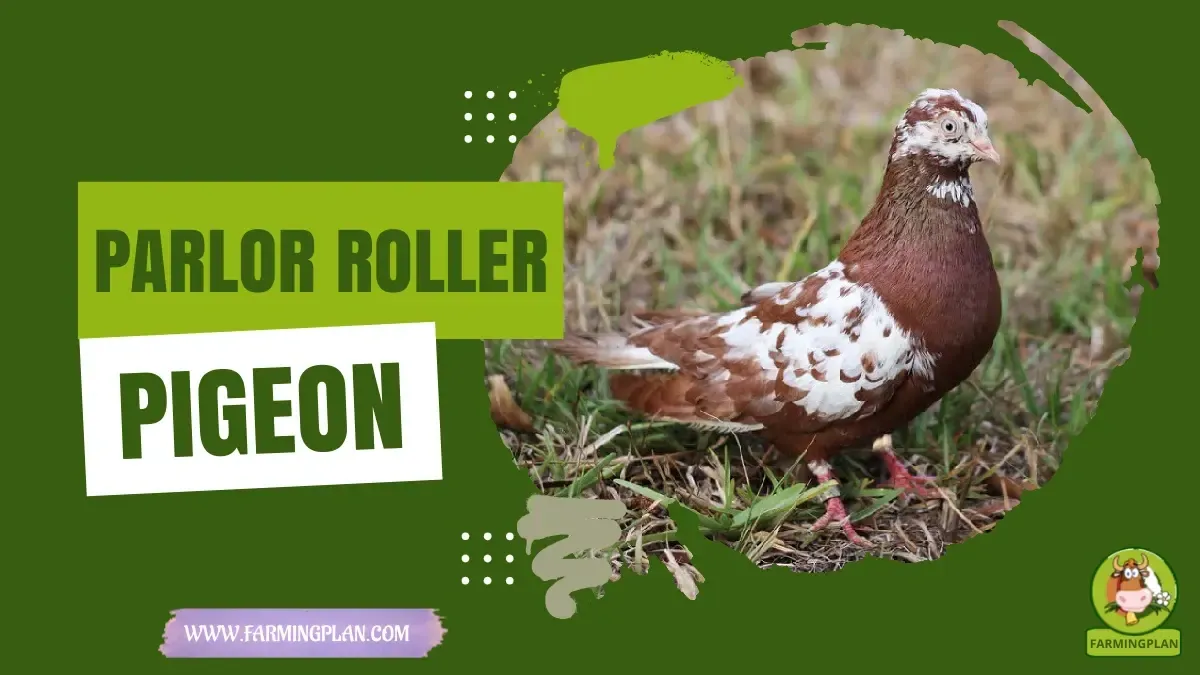
Physical Characteristics & Breed Standards
Conformationally, the Parlor Roller resembles a compact, medium-sized domestic pigeon with a solid, muscular body, wide chest, and smooth feathering. Weighing between 10 and 13 ounces at maturity, these birds possess strong wing muscles and full wing plumage, yet their neurological hardwiring redirects flight impulses into backward ground rotations. The head is neat and rounded, featuring clear pearl or orange eyes, a clean cere, and an alert, friendly expression. Matching forage or ration quality to life stage optimizes Parlor Roller Pigeon growth.
The body carriage of the Parlor Roller is low-slung, with a slightly dropped wing set and short, sturdy legs that allow rapid ground balance. Their feathers should be tight, smooth, and resilient, as loose or brittle plumage can cause feather breakage and wing abrasions during competitive rolling on grass. The breed appears in a full array of striking pigeon colorations, including self black, red, yellow, white, blue bar, almond, and various attractive splash or pied patterns. Gradual dietary transitions protect digestive stability in Parlor Roller Pigeon.
Conformation Standards & Anatomical Structure
The defining behavioral and physical trait of the breed is the ground roll. When stimulated or released onto a flat surface, the bird executes a rapid, continuous series of backward somersaults, using its wings and tail to balance momentum across the ground. Unlike aerial roller breeds that roll through the air and land on perches, a mature Parlor Roller remains grounded, rolling in a straight line or gentle arc across the grass until coming to rest upright on its feet. Selecting healthy foundation stock is the cornerstone of successful Parlor Roller Pigeon management.
The breast is full and rounded, carried cleanly without protruding excessively. The wings are folded neatly over a broad, flat tail that acts as a rudder during rolling action.
Size, Weight Benchmarks & Color Variations
Mature cocks weigh 11 to 13 ounces (310 to 370 grams), while hens average 10 to 12 ounces (280 to 340 grams). Their compact weight allows agile, fluid somersault rotations with minimal joint stress when competing on manicured turf. Good predator-proofing and dry bedding safeguard Parlor Roller Pigeon comfort in harsh weather.
All standardized pigeon plumage varieties are accepted, with self reds, blacks, and grizzles being especially popular on exhibition benches. Monitoring water quality and mineral balance directly benefits Parlor Roller Pigeon vitality.
⚡ Parlor Roller Pigeon Performance & Production Matrix
| Functional Benchmark | Operational Standard | Performance Metric | Practical Field Application |
|---|---|---|---|
| Ground Rolling Distance | 15 to 100+ feet in continuous roll on turf | Superior (9.8/10) | Elite competition birds execute smooth, straight rolls without hesitating. |
| Docility & Handling Ease | Extremely tame, calm, and hand-manageable | Superior (9.9/10) | Docile temperament makes them exceptional pets and exhibition subjects. |
| Predator Vulnerability | High vulnerability due to total flightlessness | Fragile (2.5/10) | Requires 100% predator-proof indoor lofts; never leave unattended outdoors. |
| Breeding Productivity | Produces 4 to 6 healthy rounds of squabs annually | Strong (9.2/10) | Reliable parents on ground-level nests; high fertility in clean setups. |
| Loft Maintenance Simplicity | Low ground perches and simple floor plans | Superior (9.7/10) | Eliminates need for high perches, complex drop traps, or tall flight cages. |
| Feed Conversion Efficiency | 1.0 to 1.5 oz of mixed grain per bird daily | Superior (9.6/10) | Highly economical to feed; requires quality grit and clean water daily. |
Breed History, Heritage & North American Development
The genetic origin of the Parlor Roller traces back to the mid-1800s in the Midwestern United States, particularly within Indiana and Kentucky pigeon lofts. Fanciers breeding aerial Birmingham Rollers occasionally observed young birds that rolled so deeply in the air that they would accidentally strike the ground—a trait known among flyers as ‘roll-down.’ Rather than culling these birds, innovative breeders isolated individuals that exhibited strong ground-tumbling tendencies, selectively pairing them over multiple generations to fix the flightless ground-rolling trait. Practical hands-on husbandry ensures consistent results when raising Parlor Roller Pigeon.
By the late 19th and early 20th centuries, two distinct variations emerged: the Parlor Tumbler (a bird that performs single or double backward flips when walking) and the true Parlor Roller (which executes continuous, extended rolling sequences over long distances). The formation of the American Parlor Roller Association (APRA) standardized competition rules, establishing fair turf rolling competitions and judging criteria based on distance, smoothness, and bird recovery. The National Pigeon Association (NPA) officially recognizes the Parlor Roller as a premier domestic performance breed. Early intervention at the first sign of lethargy protects overall Parlor Roller Pigeon flock or herd health.
Modern avian geneticists study the breed as an intriguing example of behavioral genetics and neuro-motor modification. Research supported by avian science programs and university extensions, including Penn State Extension Avian Science, highlights how localized genetic variations in the central nervous system can fundamentally redirect complex avian flight behaviors into repetitive kinetic expressions without compromising overall constitutional vigor or lifespan. Compare this ground behavior with aerial flyers in our profile of the aerial Birmingham Roller pigeon. Structured culling and biosecurity protocols strengthen Parlor Roller Pigeon genetic quality.
Housing, Shelter Dimensions & Winter Hardiness
Loft design for Parlor Rollers requires a complete departure from traditional flying pigeon architecture. Because these birds cannot fly, every single amenity—including nest boxes, perches, feeders, and waterers—must be located directly on the loft floor or no higher than two to four inches above the floor level. High perches or elevated platforms present severe hazards; a bird attempting to reach a high perch may tumble backward, resulting in bruised keels, dislocated joints, or fractured legs.
The floor must be covered with deep, clean, shock-absorbing bedding such as coarse pine wood shavings, chopped straw, or clean dry sand. Concrete or wire-mesh floors are unacceptable as primary surfaces, as they cause severe foot abrasions, bumblefoot, and damaged wing tips during ground rolling. Maintaining clean feeders and sanitized equipment supports sustainable Parlor Roller Pigeon care.
Spatial Density & Enclosure Engineering
Lofts should be well-ventilated with predator-proof wire mesh windows, ensuring abundant fresh air exchange while remaining completely draft-free. Consistent daily observation helps keepers spot early changes in Parlor Roller Pigeon health and behavior.
Predator proofing is the single most critical aspect of Parlor Roller housing. Because these birds have zero flight escape ability, even a single neighborhood cat, rat, raccoon, or weasel can destroy an entire loft within minutes. Lofts must be built with sturdy wooden frames, concrete foundations, and 1/2-inch galvanized hardware cloth covering all openings and ventilation vents. Outdoor exercise should only occur on closely mowed, predator-free lawn areas under direct, constant human supervision. Clean housing, fresh water, and balanced nutrition remain essential for Parlor Roller Pigeon productivity.
Nutritional Requirements, Daily Rations & Feeding Protocols
Nutritional requirements for Parlor Rollers are straightforward but demand strict consistency and high grain quality. A balanced domestic pigeon diet should consist of a clean, dust-free multi-grain mix containing 14 to 16 percent crude protein. This mix typically includes Canadian field peas, red milo, whole corn, hard red wheat, safflower seed, and small amounts of oat groats. Tracking feed intake and body condition supports long-term Parlor Roller Pigeon performance.
During the active breeding and molting seasons, increasing protein to 16 to 18 percent by adding extra peas, vetch, and black oil sunflower seeds supports healthy feather regrowth and rapid squab development. In the resting winter months, protein levels can be reduced to 13 to 14 percent, with slightly higher carbohydrate portions (such as cracked corn and barley) to maintain body temperature. Each adult Parlor Roller consumes approximately 1.0 to 1.2 ounces of grain daily, fed preferably in two measured meals rather than open self-feeders to prevent selective seed sorting and obesity. Explore dietary strategies for long-distance flyers in our guide to racing homing pigeons. Following biosecurity best practices reduces disease risk in any Parlor Roller Pigeon operation.
Crude Protein Benchmarks Across Life Stages
Insoluble mineral grit is absolutely mandatory for all Parlor Rollers. Because pigeons do not have teeth, they rely on ingested granite grit in their muscular gizzard to grind whole seeds into digestible mash. Fanciers must provide a complete pigeon grit blend containing crushed granite, oyster shell, red mineral stone, charcoal, and trace salt. Seasonal adjustments to shelter and diet keep Parlor Roller Pigeon thriving year-round.
Fresh, clean water must be provided daily in covered siphon fountains designed to prevent birds from walking through or fouling their drinking supply.
Health Management, Common Diseases & Biosecurity Standards
Preventive healthcare for Parlor Rollers focuses on strict loft biosecurity, parasite management, and respiratory hygiene. Maintaining dry floor bedding is the most effective barrier against coccidiosis, internal roundworms, and fungal respiratory infections like aspergillosis. Damp litter combined with spilled water creates a breeding ground for bacterial pathogens and should be removed immediately. Proper record-keeping makes breeding and culling decisions easier for Parlor Roller Pigeon keepers.
Vaccination against Pigeon Paramyxovirus (PMV-1) is essential for all domestic pigeons, administered via subcutaneous injection in the lower neck on an annual schedule. Fanciers who show birds at regional exhibitions should also vaccinate against pigeon pox. Providing adequate space and ventilation prevents common stress issues in Parlor Roller Pigeon.
Biosecurity Protocols & Veterinary Defenses
Internal parasites should be monitored through seasonal fecal examinations, treating with appropriate anthelmintics such as moxidectin or fenbendazole when indicated by veterinary testing. Understanding breed-specific traits helps maximize Parlor Roller Pigeon longevity and output.
External parasites, including feather lice and pigeon flies, can irritate birds and damage feather vanes. Providing a shallow, floor-level communal bath pan filled with clean water and a pinch of bath salts once or twice weekly allows birds to maintain clean, pest-free plumage. Routine beak and toenail inspections ensure that birds walking continuously on soft bedding do not develop overgrown nails that impede their natural ground rolling action. Routine preventive care saves time and lowers veterinary costs for Parlor Roller Pigeon.
Breeding Management, Reproductive Cycles & Offspring Care
Breeding Parlor Rollers is a deeply rewarding endeavor for genetic enthusiasts. Breeding pairs should be established in individual floor pens or partitioned ground-level breeding boxes measuring at least 24 by 24 inches. Nest boxes should feature a low, two-inch lip that allows parent birds to walk in and out easily while preventing newly hatched squabs from wandering out into the open loft. Matching forage or ration quality to life stage optimizes Parlor Roller Pigeon growth.
The hen lays a clutch of two eggs approximately ten days after mating, with incubation shared by both cock and hen over 17 to 19 days. Both parents produce nutrient-rich crop milk during the squab’s first week of life, transitioning to regurgitated grain as the chicks grow. Seamless leg bands (size 7 or 8 mm) issued by the NPA should be placed on squabs at seven to ten days of age for official registration and age verification.
Genetic evaluation of young Parlor Rollers begins as they reach four to six months of age. As juveniles mature, their rolling drive begins to manifest, initially as brief backward hops that gradually lengthen into sustained rolling runs across turf. Gradual dietary transitions protect digestive stability in Parlor Roller Pigeon.
Breeders select future breeding stock based on smooth rolling cadence, straight directional tracking, robust physical conformation, and calm temperament. Learn more about companion aviary management through our comprehensive guide on keeping pet pigeons. Selecting healthy foundation stock is the cornerstone of successful Parlor Roller Pigeon management.
US Ownership Budget & Annual Maintenance Costs
Establishing an operational homestead budget for the Parlor Roller Pigeon requires balancing initial infrastructure capital with predictable recurring annual maintenance expenses. Sourcing certified foundation stock, constructing predator-resistant housing, and investing in high-quality nutrition protects your long-term agricultural investment. Good predator-proofing and dry bedding safeguard Parlor Roller Pigeon comfort in harsh weather.
The comprehensive cost model below details typical initial investments alongside recurring annual expenses for maintaining healthy, productive Parlor Roller Pigeon stock on American acreage. Monitoring water quality and mineral balance directly benefits Parlor Roller Pigeon vitality.
💰 Estimated Annual Budget & Maintenance Costs (USD)
| Budget Category | Item Description & Scope | Initial Capital Outlay | Annual Recurring Expense |
|---|---|---|---|
| Pedigreed Breeding Pair | Sanctioned APRA / NPA rolling stock | $150 – $400 | $0 |
| Predator-Proof Ground Loft | 6×8 ft insulated shed with hardware cloth vents | $800 – $1,500 | $50 / yr |
| Premium Pigeon Grain Ration | 50-lb multi-grain feed bags (14-16% protein) | $0 | $120 – $180 / yr |
| Mineral Grit & Supplements | Granite grit, oyster shell, trace mineral stone | $0 | $40 – $60 / yr |
| PMV-1 Vaccines & Wormer | Annual paramyxovirus vaccination, moxidectin | $0 | $50 – $80 / yr |
| Floor Bedding & Shavings | Kiln-dried pine shavings or chopped straw | $0 | $80 – $120 / yr |
| Nest Bowls & Drinkers | Heavy earthenware nest bowls, siphon waterers | $60 – $120 | $20 / yr |
🕊️ Parlor Roller Pigeon Loft & Grain Mix Calculator
Estimate daily grain ration (lbs), mineral grit, monthly 50-lb feed bags, and minimum indoor loft and outdoor aviary space (sq ft) for your Parlor Roller Pigeon loft.
Frequently Asked Questions (FAQ)
Why do Parlor Roller pigeons roll on the ground instead of flying?
Parlor Rollers carry a unique inherited neurological mutation that redirects their natural flying impulse into backward ground somersaults. As they reach maturity, their instinct to fly triggers rapid rolling across the ground rather than aerial flight.
Do Parlor Roller pigeons hurt themselves when rolling on the ground?
When rolled on soft, smooth turf, well-conditioned Parlor Rollers do not hurt themselves. Their rolling motion is a fluid, low-impact momentum balance using wings and tail feathers. However, they should never be rolled on asphalt, concrete, gravel, or rough terrain.
Can Parlor Rollers live in a standard pigeon coop with high perches?
No. Parlor Rollers must never be kept in lofts with high perches or elevated platforms. Because they cannot fly, attempting to jump to or from high perches causes severe injuries, fractured wings, and bruised keels. Everything must be on the floor level.
How long do Parlor Roller pigeons live?
In a secure, predator-proof loft with clean bedding, quality grain, and regular veterinary care, Parlor Rollers routinely live healthy, productive lives of 10 to 15 years.
Expert Verdict & Next Steps for US Homesteaders
The Parlor Roller pigeon stands as a fascinating milestone in the possibilities of domestic aviculture, combining unique behavioral genetics with a remarkably sweet, companionable personality. For dedicated hobbyists, suburban homesteaders, and exhibition fanciers, these ground-rolling birds offer the joy of keeping domestic pigeons without the risk of birds flying away, escaping into urban zones, or being attacked by airborne hawks. Practical hands-on husbandry ensures consistent results when raising Parlor Roller Pigeon.
Succeeding with Parlor Rollers requires a commitment to specialized ground-level loft architecture, diligent predator protection, and high-quality seed and grit nutrition. By honoring their unique physical needs and providing a safe, clean environment, fanciers can enjoy the captivating spectacle of competitive ground rolling and the quiet companionship of these delightful domestic birds for many years to come.
📚Agricultural Reference & Scientific Citations
Standards and physiological data referenced in this guide comply with American Poultry Association (APA), The Livestock Conservancy, and USDA APHIS Avian Biosecurity Standards.


