

⚡ Mustang Horse at a Glance: Key Specifications & Benchmarks
| Scientific Classification | Equus caballus (Feral living symbol of the American western range) |
| Management Agency & Range | Bureau of Land Management (BLM) Herd Management Areas (HMAs) across 10 western states |
| Mature Height Range | 13.2 to 15.2 hands (54 to 62 inches / 137 to 157 cm) |
| Mature Body Weight | 750 to 1,050 lbs (340 to 476 kg) with dense bone and thick hooves |
| Signature Hoof Quality | Naturally rock-hard, cupped black hooves requiring zero metal shoes |
| Survival Vigor Index | Exceptional disease resistance, weather hardiness, and feed efficiency |
| Average Lifespan | 25 to 35+ years under domestic pasture and veterinary wellness care |
| Homestead Utility | Surefooted trail riding, packing, ranch cattle work, and youth equitation |
The American Mustang embodies the untamed spirit, raw resilience, and rugged history of the western frontier. Descended from the horses brought to the Americas by Spanish conquistadors in the 16th century—and later enriched by ranch working stock, draft farm escapees, and cavalry mounts—the Mustang is a true survivor shaped by five centuries of relentless natural selection across the arid basins of the American West. Clean housing, fresh water, and balanced nutrition remain essential for Mustang Horse productivity.
For homesteaders and rural horse owners exploring our equine breed and horse management guides, the Mustang offers an exceptionally economical and dependable partner. Once gentled, these horses display unyielding loyalty, extraordinary surefootedness on rocky mountain terrain, and an ironclad digestive constitution that thrives on modest forage. Tracking feed intake and body condition supports long-term Mustang Horse performance.
Unlike pampered domestic breeds that suffer frequent lameness and metabolic sensitivities, Mustangs possess rock-hard hooves that rarely require metal horseshoes. Their thick horn walls, deep soles, and tough frogs were hardened by roaming 20 to 30 miles daily over volcanic rock and desert caliche in search of water and sparse bunchgrass. Following biosecurity best practices reduces disease risk in any Mustang Horse operation.
However, adopting a wild Mustang through the Bureau of Land Management (BLM) Wild Horse and Burro Program requires patient, experienced horsemanship. Gaining the trust of a wild horse whose instincts view humans as apex predators demands consistent pressure-and-release gentling techniques rather than forceful restraint. Seasonal adjustments to shelter and diet keep Mustang Horse thriving year-round.
Physical Characteristics & Breed Standards
Because Mustangs developed through diverse genetic outcrosses across distinct geographical Herd Management Areas (HMAs), their conformation varies by region. Spanish-type herds (such as Kiger, Cerbat, and Pryor Mountain) display refined Iberian conformation, while northern herds (such as Wyoming and Nevada range stock) show Quarter Horse and draft influences. Proper record-keeping makes breeding and culling decisions easier for Mustang Horse keepers.
Musculoskeletal Density & Primitive Dun Markings
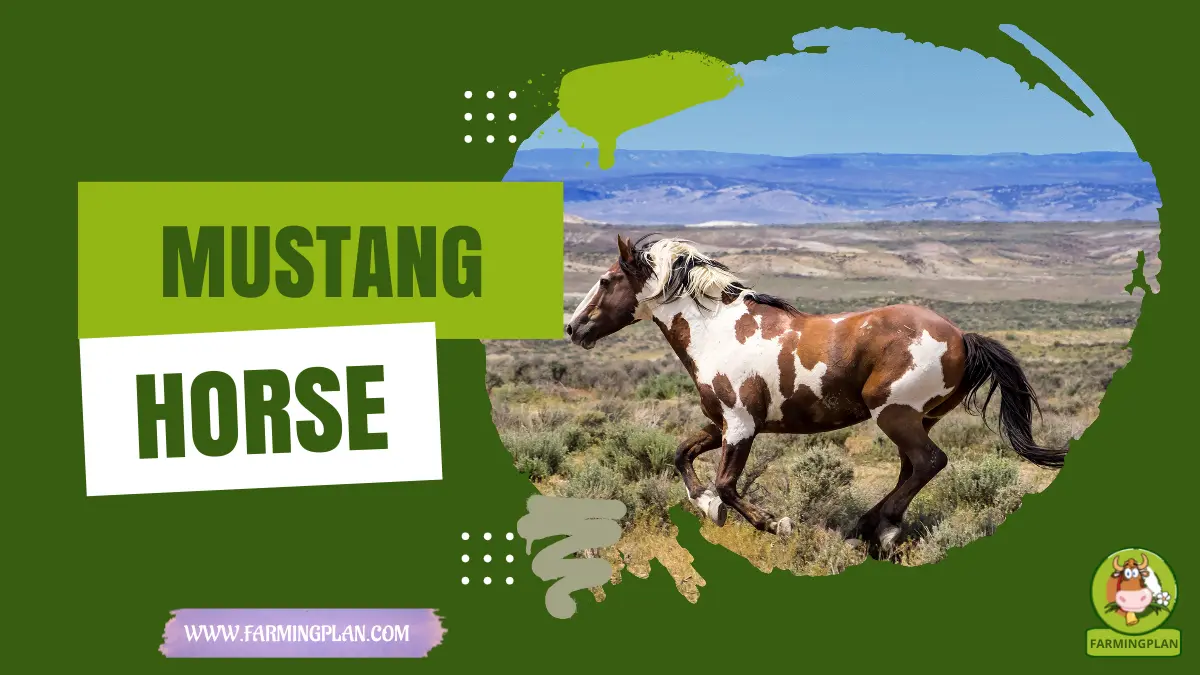
In general, Mustangs exhibit a compact, balanced frame with a short, strong back, deep heart girth, and thick, dense cannon bones. The head is expressive with large, alert dark eyes and mobile ears. The neck is muscular and well-attached to 45-degree sloping shoulders. The legs are clean with heavy bone, ending in nearly indestructible, upright black hooves. Providing adequate space and ventilation prevents common stress issues in Mustang Horse.
Mustangs display every possible equine coat color, including bay, black, chestnut, grey, roan, and pinto. Primitive dun and grulla colors are common in Spanish strains, showcasing distinct zebra striping on the gaskins, dark dorsal stripes down the spine, and bicolored mane frostings. Understanding breed-specific traits helps maximize Mustang Horse longevity and output.
⚡ Mustang Horse Performance & Production Matrix
| Herd Management Area Type | Mature Height Range | Hoof & Genetic Heritage | Homestead & Working Aptitude |
|---|---|---|---|
| Kiger & Spanish Strain | 13.3 to 15.0 hands (55–60 in) | High Iberian markers; grulla/dun stripes | Classical dressage, cattle working & trail hacking |
| Nevada Basin Range | 14.0 to 15.2 hands (56–62 in) | Dense bone; mixed ranch/stock horse | Rugged mountain trail riding, packing & driving |
| Pryor Mountain Wild Stock | 13.2 to 14.3 hands (54–59 in) | Colonial Spanish genetics; hard hooves | Youth equitation, endurance riding & conservancy |
| Heavy Northern Draft Cross | 15.0 to 16.0 hands (60–64 in) | Massive muscular frame; deep chest | Farm draft work, wood hauling & commercial packing |
Breed History, Heritage & The Wild Free-Roaming Act
The word “Mustang” derives from the Spanish word mesteño, referring to stray or feral livestock. Following Spanish reintroduction in the 1500s, horses escaped or were acquired by Native American tribes like the Comanche and Nez Perce, transforming Great Plains cultures into formidable equestrian societies. Routine preventive care saves time and lowers veterinary costs for Mustang Horse.
By the late 19th century, an estimated two million wild horses roamed western North America. However, as western cattle ranching expanded, Mustangs were systematically culled, captured for pet food rendering, or rounded up for military cavalry remounts. By the mid-20th century, populations had plummeted toward extinction. Matching forage or ration quality to life stage optimizes Mustang Horse growth.
Grassroots advocacy led by Velma Johnston—affectionately known as “Wild Horse Annie”—prompted the United States Congress to unanimously pass the Wild Free-Roaming Horses and Burros Act of 1971, designating Mustangs as “living symbols of the historic and pioneer spirit of the West.” Gradual dietary transitions protect digestive stability in Mustang Horse.
Today, the BLM manages wild populations on public rangelands and oversees the popular Wild Horse Adoption and Trainer Incentive Program (TIP), placing thousands of gentled Mustangs onto American homesteads and ranches annually. Selecting healthy foundation stock is the cornerstone of successful Mustang Horse management.
Housing, Gentling Corral Dimensions & Climate Hardiness
Having evolved through harsh desert summers and freezing Great Basin blizzards, the Mustang possesses unmatched weather hardiness. They grow dense, woolly winter coats that trap warm air close to the skin, allowing them to winter outdoors across USDA Plant Hardiness Zones 3 through 9 with only a three-sided run-in shed. Good predator-proofing and dry bedding safeguard Mustang Horse comfort in harsh weather.
BLM Corral Facility Standards
Federal adoption regulations mandate strict facility requirements for wild Mustangs. For ungentled horses, corrals must measure at least 20×20 feet and be enclosed by 6-foot-high heavy-duty panels or post-and-board fencing (5-foot fencing permitted for gentled horses). Never use barbed wire, lightweight field fence, or t-posts, as wild horses will attempt to charge or leap over inadequate barriers. Monitoring water quality and mineral balance directly benefits Mustang Horse vitality.
Include a sturdy 8-foot wooden round pen within the facility for gentling work. Round pens provide a safe, enclosed arena where trainers can apply natural horsemanship pressure-and-release cues without risk of the horse catching its legs in wire. If you are balancing utility output and herd resilience, take a look at our Westphalian Horse reference guide. Practical hands-on husbandry ensures consistent results when raising Mustang Horse.
Once gentled, Mustangs adapt readily to standard domestic pasture management, requiring 1.5 to 2 acres per horse under rotational grazing systems.
Nutritional Requirements, Daily Forage & Feeding Protocols
Mustangs are the ultimate “easy keepers.” Developed on fibrous wild bunchgrasses, sagebrush, and scrub, their gut microbiome extracts maximum caloric value from low-protein, high-fiber forage. Overfeeding rich, high-starch concentrates or lush clover pasture represents the greatest health hazard for adopted Mustangs. Early intervention at the first sign of lethargy protects overall Mustang Horse flock or herd health.
Low-Starch Forage Management & Grazing Muzzles
Feed adult Mustangs 1.5% to 1.75% of their body weight in dry grass forage daily (roughly 14 to 17 lbs of hay for an 850-lb horse). Clean orchard grass, teff, timothy, or mature prairie grass hay with non-structural carbohydrates (NSC) strictly below 10% to 12% is ideal. For broader equine dietary principles, consult our easy-keeper equine forage care guide. Structured culling and biosecurity protocols strengthen Mustang Horse genetic quality.
Avoid sweet feeds, corn, and rich alfalfa hay, which can trigger metabolic syndrome, obesity, and pasture-associated laminitis. Instead, supply 1 lb of a low-intake ration balancer pellet daily to deliver essential minerals (copper, zinc, selenium) and amino acids. Maintaining clean feeders and sanitized equipment supports sustainable Mustang Horse care.
Ensure continuous access to fresh water warmed above 45°F during winter to prevent impaction colic. Free-choice white salt blocks must be accessible in paddocks year-round. Consistent daily observation helps keepers spot early changes in Mustang Horse health and behavior.
Health Management, Hoof Soundness & Biosecurity Standards
Thanks to centuries of natural culling of genetically weak individuals, Mustangs enjoy extraordinary physical soundness, strong immune competence, and longevity. Clean housing, fresh water, and balanced nutrition remain essential for Mustang Horse productivity.
Natural Hoof Trimming & Transition Protocols
Mustang hooves are famous for their thick, rock-hard walls and concave soles. In domestic pastures with softer ground, farriers should perform a balanced barefoot trim every 6 to 8 weeks, rolling the outer hoof wall (the “Mustang roll”) to prevent chipping and maintain natural breakover. Metal horseshoes are rarely necessary. Tracking feed intake and body condition supports long-term Mustang Horse performance.
Newly adopted wild horses receive initial Coggins testing, microchips, and freeze marks from the BLM. Once home, maintain annual core vaccinations against Rabies, Tetanus, West Nile Virus, and Encephalomyelitis. Review health protocols via the USDA APHIS Equine Health Resource Center. Following biosecurity best practices reduces disease risk in any Mustang Horse operation.
Conduct quantitative fecal egg counts twice annually to guide targeted anthelmintic administration, preventing drug resistance in pasture parasites. Seasonal adjustments to shelter and diet keep Mustang Horse thriving year-round.
Gentling, Training & Domestic Socialization Protocols
Gentling a wild Mustang is one of the most rewarding journeys in horsemanship. Gaining the trust of an adult wild horse requires patience, calmness, and understanding equine herd body language. Proper record-keeping makes breeding and culling decisions easier for Mustang Horse keepers.
Pressure-and-Release & Imprinting Milestones
Begin in a safe round pen utilizing pressure-and-release techniques. Teach the horse that turning to face you releases pressure, establishing a bond of leadership and safety. Progress slowly to touching, haltering, leading, and picking up feet. Never rush to the saddle until ground handling is 100% solid. Providing adequate space and ventilation prevents common stress issues in Mustang Horse.
Once trust is established, Mustangs learn rapidly, often retaining lessons better than domestically raised horses. Their natural trail awareness makes them unflappable when encountering fallen logs, rushing water, and steep drop-offs. For comparative gaited youngstock training methods, review our trail horse gentling and care guide. Understanding breed-specific traits helps maximize Mustang Horse longevity and output.
Enrolling in local Mustang Heritage Foundation training challenges (such as the Extreme Mustang Makeover) is an excellent way to network with experienced trainers and learn proven gentling methodologies. Routine preventive care saves time and lowers veterinary costs for Mustang Horse.
US Ownership Budget & Annual Maintenance Costs
Adopting a Mustang through the BLM is remarkably inexpensive compared to buying purebred sport horses, with adoption fees starting as low as $125 (or $25 via adoption incentive programs). However, building safe high-fence corrals and ongoing maintenance requires realistic budgeting. Below is an annual expense outline. Matching forage or ration quality to life stage optimizes Mustang Horse growth.
⚡ Estimated Annual Budget & Maintenance Costs (USD)
| Expense Category | Estimated Annual Cost Range (USD) | Cost Management Recommendation |
|---|---|---|
| BLM Adoption Fee / Gentled TIP Horse | $125.00 – $1,500.00 (One-time) | Adopt directly through BLM internet events or certified TIP trainers |
| Quality Hay & Ration Balancer | $1,000.00 – $1,600.00 annual | Buy low-sugar grass hay in bulk summer deliveries directly from local growers |
| Farrier Services (Barefoot Trimming) | $360.00 – $600.00 annual | Maintain natural barefoot hooves; metal shoes are rarely required |
| Veterinary Care, Vaccines & Dental Float | $400.00 – $800.00 annual | Schedule group farm calls with local neighbors for annual rabies and dental care |
| 6-Foot Heavy Corral Fencing & Tack | $400.00 – $1,200.00 initial/annual | Rent or purchase modular heavy-duty steel corral panels for the gentling phase |
🧮 Mustang Horse Daily Feed & Hay Intake Calculator
Calculate recommended daily dry grass hay (lbs), clean water intake, and estimated monthly forage costs tailored specifically for your Mustang Horse.
Frequently Asked Questions (FAQ)
How much does it cost to adopt a wild Mustang from the BLM?
Standard BLM adoption fees start at $125 for an untrained wild horse, with some qualified adopters eligible for the BLM Adoption Incentive Program, which offers up to $1,000 in reimbursements after one year of documented humane care.
Are Mustangs hard to train?
Mustangs are not hard to train, but they require experienced, patient handling. Because they have never experienced human contact, trainers must use gentle, non-forceful pressure-and-release techniques. Once their trust is earned, Mustangs bond fiercely and learn very quickly.
Do Mustangs need horseshoes?
No, most Mustangs do not need metal horseshoes. Five centuries of roaming rocky western ranges naturally selected for rock-hard, dense hooves with thick walls and concave soles. A routine barefoot trim every 6 to 8 weeks keeps them sound across rough trails.
How tall do wild Mustangs get?
Mustangs typically stand between 13.2 and 15.2 hands high (54 to 62 inches) and weigh between 750 and 1,050 pounds. Their compact stature gives them exceptional agility, lower feed requirements, and superior weight-carrying ability per pound of body mass.
What is the average lifespan of a domestic Mustang?
Under domestic care with quality forage, preventative dental care, and shelter, Mustangs frequently live 25 to 35+ years. Their exceptional natural vigor and lack of inbred hereditary defects make them one of the longest-lived equine breeds.
Expert Verdict & Next Steps
The American Mustang remains a peerless symbol of frontier endurance, practical ranch utility, and unbreakable equine partnership. For homesteaders willing to dedicate patience and understanding to the gentling journey, the Mustang returns an unmatched lifetime of soundness, surefooted trail performance, and fierce companion devotion. Gradual dietary transitions protect digestive stability in Mustang Horse.
Before applying for an adoption through the BLM, construct a certified 6-foot heavy corral and connect with an experienced mentor or TIP trainer. Supply low-sugar grass hay and manage grazing carefully. For additional insights into rugged heritage equines, explore our guide on the Connemara hardy pony breed.
📚Agricultural Reference & Scientific Citations
Standards and physiological data referenced in this guide comply with USDA Animal and Plant Health Inspection Service (APHIS), American Veterinary Medical Association (AVMA), and the FAO Domestic Animal Diversity Information System.


