

⚡ Iberian Pig at a Glance: Key Specifications & Benchmarks
| Primary Agricultural Purpose | World-renowned cured Jamón Ibérico de Bellota, artisan charcuterie, silvopasture grazing |
| Mature Boar Weight Range | 380 – 500 lbs (172 – 227 kg) with athletic, rustic skeletal frame |
| Mature Sow Weight Range | 300 – 420 lbs (136 – 191 kg) with calm, protective maternal temperament |
| Native Ecosystem Biome | The Dehesa / Montado (open oak savanna woodlands across Spain and Portugal) |
| Defining Fat Biochemistry | Intramuscular fat exceeding 55% oleic acid (monounsaturated heart-healthy lipid) |
| Coat Color & Variety | Negro (Entrepelado, Lampiño) or Colorado (Retinto, Torbiscal) with dark hooves |
| Finishing Period (Montanera) | October to February acorn gorging; pigs gain 100+ lbs of pure bellota fat |
| Average Litter Size | 6 to 8 hardy piglets; moderate prolificacy balanced with exceptional vigor |
| Slaughter Harvest Age | 14 to 24 months of age for authentic Bellota classification |
| Authentic Quality Seal | Norma de Calidad del Ibérico (Black Label: 100% Bellota; Red Label: 75% Bellota) |
When planning iberian pigs management, the Iberian pig (Cerdo Ibérico) represents the gold standard of culinary swine across the globe. Native to the Iberian Peninsula encompassing southern Spain and Portugal, this ancient swine breed is inextricably bound to the dehesa—a historic agroforestry ecosystem of open holm and cork oak savannas. Known popularly as the “olive tree with legs,” the Iberian pig possesses a unique genetic ability to store immense quantities of monounsaturated oleic acid directly within its muscular tissue.
When cured through traditional multi-year artisanal processes, the meat yields Jamón Ibérico de Bellota, celebrated by epicures and Michelin-starred chefs as the pinnacle of cured pork. Unlike modern commercial white hogs confined to industrial sheds, the Iberian pig requires expansive range, robust walking endurance, and a specialized finishing phase on wild acorns. Keepers exploring rotational pasture fences can review our comprehensive pasture rotation and livestock guide for paddock layout ideas. Following biosecurity best practices reduces disease risk in any iberian pigs operation.
Raising Iberian pigs successfully requires embracing heritage biology: respecting their deliberate growth curves, maintaining seasonal forage cycles, and guarding their genetic purity against unpedigreed crossbreeding. Whether established in authentic Mediterranean oak forests or adapted to American woodlot silvopastures alongside heritage Mulefoot pig breeding stock, the Iberian pig delivers unmatched agricultural distinction. Seasonal adjustments to shelter and diet keep iberian pigs thriving year-round.
Origins & Symbiosis with the Mediterranean Dehesa
The lineage of the Iberian pig traces directly to the Mediterranean wild boar (Sus scrofa ferus), domesticated thousands of years ago by early Neolithic pastoralists across the Iberian Peninsula. Over millennia, the breed adapted to the severe feast-and-famine cycles of Mediterranean climates, evolving metabolic adaptations that allow them to deposit massive fat reserves during autumn acorn drops and survive lean summer droughts on minimal forage. Proper record-keeping makes breeding and culling decisions easier for iberian pigs keepers.
⚡ Iberian Pig Growth & Carcass Performance Matrix
| Production Benchmark | Breed Standard | Pasture Pork Enterprise Range |
|---|---|---|
| Mature Boar Weight | 500–750 lbs | Solid frame, strong legs and pasterns |
| Mature Sow Weight | 400–600 lbs | Excellent maternal instinct, gentle |
| Market Finish Weight (250 lbs) | 6.5–8.5 months | Superior red meat marbling score (4–5) |
| Litter Size (Farrowing Average) | 8–11 piglets | High pre-weaning survival rate |
| Pasture Foraging Capability | High rooting & grazing instinct | Significantly lowers grain requirements |
| Dressing Percentage | 72–76% | Prized bacon, belly & loin quality |
This heritage created an ecological symbiosis with the dehesa (or montado in Portugal). The dehesa is a man-managed cultural landscape where widely spaced holm oaks (Quercus ilex) and cork oaks (Quercus suber) shade perennial native pastures. Iberian pigs graze these woodlands, aerating the soil with gentle rooting, controlling pest insects, preventing devastating brush fires, and fertilizing oak roots with nutrient-dense manure. Providing adequate space and ventilation prevents common stress issues in iberian pigs.
In the mid-twentieth century, the devastating outbreak of African Swine Fever coupled with the influx of industrial white breeds threatened the Iberian pig with extinction. Spain responded by enacting the strict “Norma de Calidad del Ibérico” regulatory framework, legally protecting the breed, preserving the dehesa ecosystem, and establishing rigid quality labels based on genetic purity and acorn consumption. Understanding breed-specific traits helps maximize iberian pigs longevity and output.
Breed Conformation, Color Varieties & Pata Negra
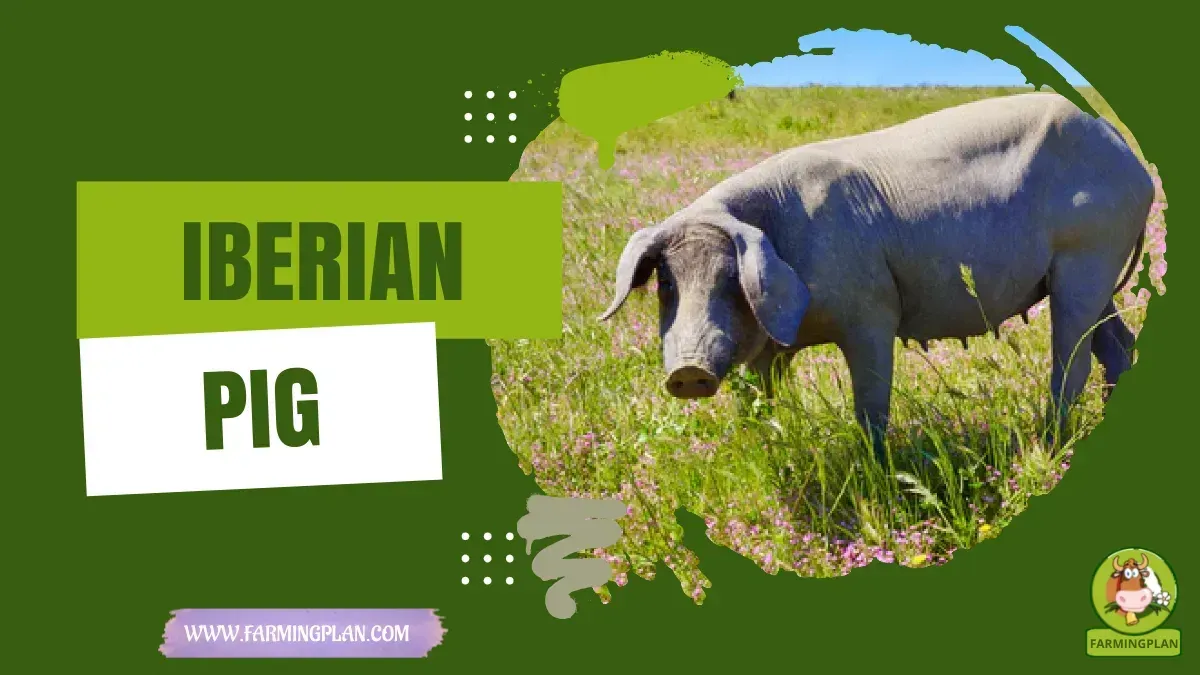
Iberian pigs display an athletic, rustic conformation built for daily foraging treks across rugged terrain. They possess a long, refined snout, strong slender legs, and fine bones that terminate in hard, black hooves—originating the popular Spanish term “Pata Negra” (Black Hoof). Their skin is deeply pigmented and hair is sparse, allowing them to tolerate intense summer heat without suffering heat exhaustion. Routine preventive care saves time and lowers veterinary costs for iberian pigs.
The breed comprises two primary color strains: Negro (Black) and Colorado (Red). The Negro varieties include the “Entrepelado” (moderately haired, highly adaptable) and the “Lampiño” (hairless, small-framed, with extraordinary fat marbling). The Colorado strains include the “Retinto” (rich cinnamon-red coat, the most widely raised strain) and the “Torbiscal” (larger-framed with variegated bristles). All pure strains share exceptional lipid infiltration.
Unlike modern double-muscled hogs that carry hypertrophied hams, the Iberian pig presents a lighter rear quarter and moderate frame. Mature boars weigh 380 to 500 pounds, while sows maintain breeding health between 300 and 420 pounds. Conformation faults include excessively coarse bone structure, pale hooves, or dished snouts, which indicate contamination with foreign commercial swine bloodlines. Matching forage or ration quality to life stage optimizes iberian pigs growth.
The Montanera: Acorn Gorging, Oleic Acid & Fat Biochemistry
The defining chapter in the life of an authentic Iberian hog is the “Montanera”—the traditional free-range acorn-fattening period extending from late October through February. During these months, mature holm and cork oaks shower the dehesa floor with millions of ripe, carbohydrate-rich acorns (bellotas). Each pig roams up to ten miles daily, consuming between 15 and 22 pounds of acorns alongside 6 to 8 pounds of wild grasses each day. Gradual dietary transitions protect digestive stability in iberian pigs.
Acorns are rich in complex starches and natural oleic acid—the identical monounsaturated fatty acid found in extra virgin olive oil. Because Iberian pigs possess unique enzymatic pathways, they do not saturate dietary fats; instead, they deposit oleic acid directly into their adipose tissues and intramuscular muscle fibers. By harvest, finished pigs reach oleic acid concentrations exceeding 55%, rendering the fat translucent, silky, and capable of melting at room temperature (77°F / 25°C). Selecting healthy foundation stock is the cornerstone of successful iberian pigs management.
To qualify for the prestigious Spanish Black Label (100% Ibérico de Bellota), regulations mandate that pigs spend at least 60 days on the dehesa, gain a minimum of 101 pounds exclusively from wild acorns and grass, and stock at densities no greater than one pig per 2.5 to 5 acres of productive oak savanna. Good predator-proofing and dry bedding safeguard iberian pigs comfort in harsh weather.
Year-Round Nutritional Cycles, Growth & Forage Planning
Outside the montanera acorn season, managing Iberian swine requires disciplined nutritional rationing. Because their metabolism is optimized for extreme fat storage, ad-libitum feeding of commercial high-energy grains will cause morbid obesity, ruined feet, and reproductive failure. Growing pigs require restricted daily rations of 14% protein feed combined with extensive pasture foraging, legumes, and field crops. Monitoring water quality and mineral balance directly benefits iberian pigs vitality.
Iberian pigs mature deliberately, requiring 14 to 24 months to reach final harvest weight (330 to 375 pounds), compared to just 6 months for commercial pigs. During the dry summer months, provide supplemental alfalfa hay, barley grain, and abundant shade to sustain muscular development without accumulating poor-quality subcutaneous lard. For comparative livestock nutrition strategies, review our guide to feed rationing and grain formulation, along with foundational pig farming pastured protocols.
In regions outside Spain lacking native cork oaks, alternative silvopasture plantings can replicate the montanera. White oaks (Quercus alba), bur oaks (Quercus macrocarpa), chestnuts, and persimmon orchards provide exceptional fall mast crops with favorable fatty acid profiles, enabling regenerative farmers across North America to produce premium pasture-finished pork. Practical hands-on husbandry ensures consistent results when raising iberian pigs.
Monitoring tannin intake during early mast drop is an important management consideration. Immature green acorns contain bitter gallotannins that can irritate gastric mucosa if consumed exclusively. Encouraging simultaneous grazing on perennial legumes and tender autumn clover buffers the stomach, optimizes rumen-like cecal fermentation, and ensures clean nutrient conversion as acorn crops reach peak maturity. Early intervention at the first sign of lethargy protects overall iberian pigs flock or herd health.
Farrowing Management, Maternal Behavior & Piglet Care
Iberian sows are hardy, independent mothers with strong ancestral farrowing instincts. Gestating for 114 days, sows isolate themselves in dense brush or open timber to construct deep protective nests. Litter sizes are moderate, typically averaging 6 to 8 piglets per kindle. While smaller than commercial litters, Iberian piglets are remarkably vigorous, possessing strong survival instincts and rapid agility that minimize accidental crushing. Structured culling and biosecurity protocols strengthen iberian pigs genetic quality.
Pasture farrowing requires portable shelters with low access thresholds and abundant clean straw bedding. Sows produce rich, high-fat colostrum and milk that sustain rapid early growth. Provide oral iron supplements or access to clean outdoor topsoil within the first five days of life, and maintain clean water troughs accessible to small weaners by three weeks of age. Maintaining clean feeders and sanitized equipment supports sustainable iberian pigs care.
Weaning occurs naturally between 6 and 8 weeks of age. Weaned feeder pigs should be introduced to perimeter electric fencing in small training pens. Use two or three strands of electrified polywire powered by high-output chargers to ensure respectful containment across vast silvopasture paddocks. To evaluate alternative bloodlines and practical management routines, check our Mong Cai Pig overview. Consistent daily observation helps keepers spot early changes in iberian pigs health and behavior.
Jamón Ibérico Curing, Carcass Grading & Market Economics
Harvesting an Iberian pig is the beginning of a multi-year culinary journey. Unlike fresh commercial cuts, the hind legs (jamones) and front shoulders (paletas) undergo natural salting, post-salting resting, and prolonged drying in natural mountain bodegas. The curing process extends from 24 to over 48 months, allowing ambient mountain breezes and beneficial surface microflora to slowly transform the muscle proteins into complex glutamates and umami flavors.
Under Spanish law, four color-coded tamper-proof seals categorize cured hams: Black Label (100% purebred Iberian, acorn-fed in montanera); Red Label (75% to 50% Iberian cross, acorn-fed in montanera); Green Label (Ibérico de Cebo de Campo, pastured with supplemental grain); and White Label (Ibérico de Cebo, intensively raised on commercial feed). The Black Label ham commands prices exceeding $1,200 to $1,800 per whole bone-in cured leg. Clean housing, fresh water, and balanced nutrition remain essential for iberian pigs productivity.
Fresh cuts from the Iberian pig—including the “Secreto” (hidden muscle behind the shoulder), “Pluma” (feather cut above the loin), and “Presa” (shoulder collar)—are revered by gourmet restaurants for incredible marbling, commanding wholesale prices four to six times higher than conventional commodity pork cuts. Tracking feed intake and body condition supports long-term iberian pigs performance.
The artisan carving ritual of Jamón Ibérico represents an esteemed gastronomic craft. Master carvers (cortadores de jamón) slice paper-thin sheets using long, flexible ham knives, ensuring translucent slivers with glistening ribbons of oleic fat that dissolve effortlessly upon the palate. Serving ham at ambient room temperatures (72°F to 75°F) releases delicate volatile aromas reminiscent of toasted hazelnuts, wild pasture herbs, and sweet cream. Following biosecurity best practices reduces disease risk in any iberian pigs operation.
From an ecological enterprise perspective, the Iberian hog represents sustainable conservation finance. Premium revenue derived from certified acorn-fed pork directly subsidizes the labor-intensive pruning, clearing, and maintenance of ancient oak dehesas, preserving an irreplaceable biodiversity sanctuary that harbors endangered Iberian lynx and imperial eagles across southern Europe. Seasonal adjustments to shelter and diet keep iberian pigs thriving year-round.
⚡ Estimated Annual Budget & Maintenance Costs (USD)
| Pedigreed Iberian Breeding Stock | Two registered purebred Iberian breeding gilts: $1,600 |
| Silvopasture Paddock Fencing & Solar Energizer | High-tensile perimeter, polywire, 6-joule solar charger: $950 |
| Low-Energy Supplemental Grains & Minerals | Whole barley, field peas, organic swine mineral salt: $1,150 |
| Mobile Timber Shelters & Shade Sails | Heavy-duty timber field huts with ventilation louvers: $680 |
| Veterinary Herd Care & Health Checks | Vaccines, targeted antiparasitic paste, veterinary exams: $290 |
| Water Storage, Tanks & Float Valves | 500-gallon water tank, frost-free troughs, float assemblies: $420 |
| Artisan Charcuterie Processing & Curing Setup | Specialized temperature/humidity drying chamber supplies: $1,400 |
| Estimated Total Annual Investment | $6,490 total operational and infrastructure budget |
🐖 Iberian Pigs Swine Daily Feed Calculator
Calculate daily grower/finisher rations (lbs), monthly 50-lb feed bags, pen space, and water needs for your Iberian Pigs pigs.
Frequently Asked Questions (FAQ)
What makes Jamón Ibérico de Bellota from Iberian pigs taste so unique?
During the October-to-February Montanera acorn season in Mediterranean oak dehesas, Iberian pigs gain 100+ lbs while storing intramuscular fat containing over 55% heart-healthy monounsaturated oleic acid—giving cured ham its silky, melt-in-the-mouth richness.
What does Black Label vs. Red Label mean on Jamón Ibérico?
Under Spain’s Norma de Calidad del Ibérico, Black Label certifies 100% purebred Iberian genetics finished strictly on wild acorns and grass during Montanera, whereas Red Label denotes crossbred pigs (at least 75% Iberian) also finished in Montanera.
How large do purebred Iberian boars and sows grow?
Built for miles of daily oak-forest foraging, Iberian boars weigh 380 to 500 lbs and sows weigh 300 to 420 lbs, featuring athletic legs, dark hooves (pata negra), and moderate litters of 6 to 8 hardy piglets.
How long does it take to raise and cure an Iberian pig?
Authentic Bellota Iberian pigs grow slowly for 14 to 24 months on pasture and acorns before harvest, followed by 24 to 48 months of artisanal salt curing and cellar aging.
Can Iberian-style pigs be raised on US oak silvopastures?
Yes, regenerative US pasture farms with white, red, or live oak woodlots can adapt rotational acorn-and-pasture finishing programs modeled on Iberian dehesa agroforestry while following local feral swine fencing rules.
Expert Verdict & Husbandry Roadmap
The Iberian pig is far more than an ordinary agricultural animal; it is the living centerpiece of a thousand-year-old agroforestry tradition. By converting fallen woodland acorns into the world’s most prized cured ham, this extraordinary swine demonstrates how high-value livestock production can harmonize with landscape conservation. For producers with access to mature oak or chestnut woodlands, Iberian pigs offer unmatched culinary prestige and direct-market profitability. Proper record-keeping makes breeding and culling decisions easier for iberian pigs keepers.
Mastering Iberian swine husbandry demands patience: extending growth timelines to 18–24 months, strictly managing off-season rations to prevent obesity, and preserving genuine breed genetics. By honoring their evolutionary heritage and providing expansive foraging territory, breeders cultivate exceptional culinary pork while safeguarding a timeless agroecological marvel.
📚Agricultural Reference & Scientific Citations
Standards and physiological data referenced in this guide comply with USDA APHIS Swine Health, FAO Domestic Animal Diversity Information System, and the American Veterinary Medical Association (AVMA).


