

| Characteristic | Breed Standard | Homestead & Production Significance |
|---|---|---|
| Breed Classification | Dual-Purpose Heritage Landrace Waterfowl (Anas platyrhynchos) | Developed for damp pasture grazing, rapid meat growth, and table eggs |
| Mature Drake Weight | 5.5 to 6.6 lbs (2.5 to 3.0 kg) | Muscular, broad-chested sire with high natural mating vitality |
| Mature Duck Weight | 4.4 to 5.5 lbs (2.0 to 2.5 kg) | Generous body depth, calm mothering instinct, and reliable egg layer |
| Annual Egg Production | 80 to 110 large white or tinted eggs (65 to 75 grams) | Dense shell texture and high hatchability under natural brooding |
| Plumage Varieties | Blue (Bleu), Black (Noir), and Brown/Chocolate (Brun) | Striking visual aesthetics with dense, water-repellent down feathers |
| Shank & Bill Anatomy | Dark slate to black bill and legs, well-spaced for traction | Resists foot scald and mud lesions in damp pasture environments |
| Forage Conversion Efficiency | Active consumer of pasture snails, slugs, grubs, and greens | Reduces supplemental grain inputs under rotational grazing systems |
Breed Overview and Production Statistics
The Herve duck (known historically in Wallonia as the Canard de Herve) is an esteemed Belgian heritage waterfowl breed native to the fertile, bocage-lined pastures of the Pays de Herve in the province of Liège, eastern Belgium. Renowned for its rapid juvenile growth, striking slate-blue or black plumage, and exceptionally tender gourmet roasting meat, this dual-purpose landrace duck was selectively developed by smallholders to thrive in cool, damp meadow grazing systems. Capable of foraging actively on pasture snails and earthworms while maintaining steady seasonal egg yields, the Herve duck represents a versatile, resilient waterfowl choice for diversified smallholders and conservation breeders.
Unlike fragile modern waterfowl crosses that require heated, dry housing, the Herve duck possesses robust natural hardiness developed across Belgium’s rolling, rain-swept pasturelands. In this technical production manual, we break down housing infrastructure, pasture rotation, dietary formulations across life stages, breeding flock management, and the commercial economics of heritage pastured duck production.
Belgian Agronomic Origins and Regional History
The origins of the herve duck breed date back several centuries to the bocage landscape of the Pays de Herve in eastern Wallonia. Smallholder dairy farmers in this limestone plateau region maintained flocks of ducks alongside their dairy cows and orchard sheep. The birds grazed the lush hedgerow-lined meadows, devouring pasture snails that carried liver fluke parasites, while providing farmsteads with rich eggs and festive roasting meat for seasonal village celebrations.
By the late nineteenth and early twentieth centuries, the Canard de Herve was recognized as one of Belgium’s premier regional meat breeds, particularly celebrated in the gourmet markets of Liège and Brussels. Following postwar agricultural modernization and the rise of commercial Pekin hybrids, the pure Herve duck experienced sharp population declines. Dedicated Belgian heritage poultry preservation clubs revitalized the breed in the late twentieth century, establishing official herd books and protecting this valuable dual-purpose landrace from extinction.
Conformation Standards and Color Varieties
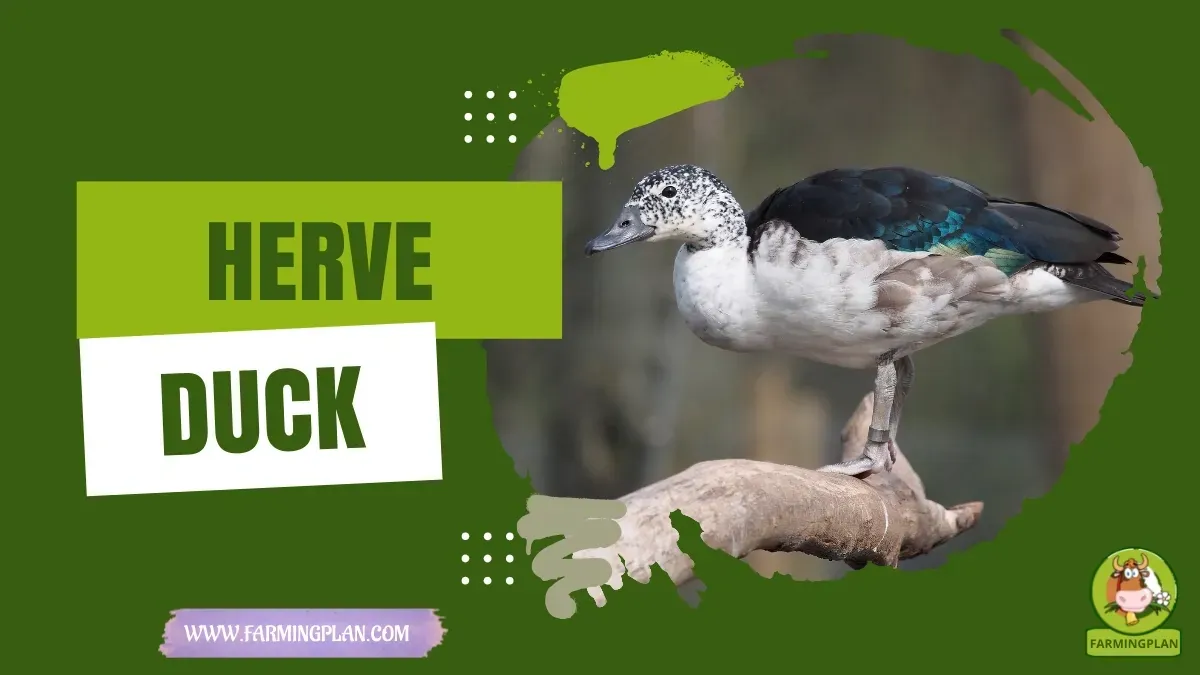
The conformation of the herve duck characteristics represents a functional, medium-sized dual-purpose waterfowl type. The body is cylindrical, deep, and broad through the shoulders, carried almost horizontally on sturdy, clean dark legs. The breast is full and rounded without an exaggerated keel line, and the back is wide and gently sloping. The neck is medium in length and slightly arched, supporting a clean, well-proportioned head with dark brown eyes and a straight slate-blue or black bill.
Regarding herve duck size and weight, mature drakes weigh between 2.5 and 3.0 kg (5.5 to 6.6 lbs), while adult ducks weigh between 2.0 and 2.5 kg (4.4 to 5.5 lbs). The most famous plumage variety is the Blue (Bleu), displaying uniform slate-blue feathers throughout the body, occasionally accented by a small white bib on the lower throat. Black (Noir) and Brown (Brun) varieties are also recognized, each featuring lustrous, tight feathering that repels water cleanly.
The herve duck temperament is calm, docile, and active. They are gentle birds that adapt readily to human caretakers and flock companions, moving peacefully through pasture paddocks without panicking or flightiness.
Damp-Pasture Housing and Paddock Infrastructure
Housing for Herve ducks must provide shelter from harsh winds, clean dry bedding, and reliable predator exclusion. A well-ventilated timber shed or movable field ark offering 0.35 to 0.45 square meters (3.5 to 5.0 square feet) of indoor floor area per bird is ideal. Review architectural blueprints in our guide on duck farming housing and pen infrastructure.
Because Herve ducks thrive in damp climates, bedding management is essential to keep their footpads clean and dry. Provide a deep layer of clean wheat straw or untreated wood shavings, replenishing bedding frequently to cover damp spots. Locating water troughs on exterior wire mesh platforms or gravel aprons prevents drinking water from soaking interior coop bedding.
Fencing for outdoor yards requires a 1.2-meter woven wire perimeter fence. While Herve ducks possess functional wings, their medium-heavy body conformation prevents them from clearing 4-foot fencing under normal conditions. Securing pen perimeters with ground aprons deters burrowing foxes and raccoons.
Wetland Foraging and Biological Parasite Control
The primary agronomic strength of the Herve duck is its exceptional foraging capability in damp pasture environments. Traditionally grazed alongside sheep and cattle, Herve ducks actively consume wetland snails (such as Lymnaea truncatula), the intermediate host for the damaging liver fluke parasite. By foraging in marshy drainage swales and pasture borders, these ducks provide vital biological parasite suppression for livestock farms.
Rotational grazing systems using mobile electric netting allow producers to manage paddock vegetation effectively. A flock of 10 to 15 Herve ducks per acre rotated every two weeks keeps slug and snail populations under control while fertilizing pastures with nutrient-rich organic manure.
Nutritional Strategies Across Life Stages
Although Herve ducks are skilled pasture foragers, offering balanced supplemental rations ensures rapid juvenile growth and steady egg production. Ducklings require a 20% to 22% crude protein unmedicated waterfowl starter crumble for the first three weeks of life, fortified with adequate niacin (at least 60 mg/kg) to support sound leg and skeletal frame development. Review comprehensive feeding recommendations in our guide on commercial and pastured duck farming.
From four to ten weeks, transition growers to a 16% protein grower pellet balanced with free-choice pasture grazing. For adult breeding flocks entering the spring laying cycle, feed an 18% protein waterfowl breeder pellet supplemented with whole oats, barley, and free-choice coarse oyster shell to maintain strong eggshell calcification.
Always provide cool, clean drinking water near feeding troughs. Water stations should be deep enough for ducks to submerge their entire heads to clear feed residue from their eyes and nostrils, preventing respiratory irritation.
Biosecurity and Preventative Health Protocols
Maintaining strict biosecurity safeguards your heritage waterfowl flock against devastating infectious diseases under health standards monitored by the USDA Animal and Plant Health Inspection Service. Prevent contact between your domestic ducks and migrating wild waterfowl that may transmit Avian Influenza. Locate feed hoppers and watering troughs beneath covered shelters where wild birds cannot access or defecate in them.
Because Herve ducks consume aquatic snails and earthworms, they can be exposed to internal parasites like gizzard worms and tapeworms. Practice routine pasture rotation to disrupt parasite life cycles, and conduct semi-annual fecal egg counts to administer targeted anthelmintics such as fenbendazole under veterinary supervision. Explore diagnostic protocols across our poultry and waterfowl knowledge portal.
Inspect birds periodically for external parasites such as feather mites and lice. Supplying clean bathing water and dry sand dusting boxes allows the birds to maintain clean, parasite-free plumage naturally.
Breeding Flock Selection and Natural Incubation
Preserving the genetic excellence of the Herve duck requires careful breeding selection. Retain breeding drakes that display broad chests, strong dark shanks, clean slate-blue or black bills, and calm dispositions. Sows must exhibit deep abdominal depth, sound leg placement, and maternal attentiveness.
Maintain breeding pens with one drake per 4 to 5 ducks to ensure high egg fertility. Herve ducks are reliable natural broodies, laying clutches of 10 to 14 large white or tinted eggs in secluded straw nests. The duck incubates her clutch faithfully for 28 days, while the drake guards the surrounding pen area.
If utilizing mechanical incubators, maintain temperatures at 37.5°C (99.5°F) with 55% relative humidity, turning eggs three times daily. Daily cooling for 15 minutes and warm water misting from day 10 onward significantly improves duckling hatchability.
Meat Quality, Roasting Carcass and Table Value
The culinary profile of the Herve duck is revered in Belgian gastronomy. Finishing birds slaughtered at 10 to 14 weeks achieve live slaughter weights of 2.2 to 2.8 kg, yielding a dressing percentage of 70% to 73%. The breast meat is fine-grained, succulent, and deeply flavored, covered by a moderate fat layer that roasts into crispy golden skin without excessive greasiness.
In addition to roasting carcasses, Herve duck eggs average 65 to 75 grams, featuring large, rich yolks that are highly valued by artisanal bakers and pastry chefs for creating rich doughs and custards. Marketing whole roasting ducks and specialty table eggs allows producers to capture premium niche returns.
Enterprise Economics and Smallholder Budgets
Operating a pasture-based flock of Herve ducks provides consistent financial returns through table meat sales, specialty eggs, and live breeding stock. Dressed roasting ducks command $25 to $35 each through farmers markets, while breeding trios sell for $90 to $150 to heritage breeders. Learn broader poultry enterprise budgeting in our guide on how to start poultry farming successfully. Producers planning a diversified homestead operation often cross-reference our Idegem Duck breed and care guide.
| Cost Category | Operational Details | Cost per Duck (USD) | Flock Total (25 Ducks) |
|---|---|---|---|
| Duckling / Breeding Share | Breeding stock share & starter feed | $7.50 | $187.50 |
| Grower Pellets & Whole Oats | 35 kg balanced feed ration @ $0.44/kg | $15.40 | $385.00 |
| Pasture Allocation & Netting | Electric fence netting & seed allocation | $3.50 | $87.50 |
| Winter Bedding Straw | Clean deep straw for damp protection | $3.20 | $80.00 |
| Veterinary & Mineral Shells | Oyster shell, grit, dewormer & vaccines | $2.80 | $70.00 |
| Processing & Shrink Bags | State-inspected abattoir butchery | $5.00 | $125.00 |
| Total Production Cost | Comprehensive Cost per Duck | $37.40 | $935.00 |
| Gross Revenue (Meat & Eggs) | Roast duck sales + table egg marketing | $72.00 | $1,800.00 |
| Net Enterprise Profit | Net Farm Return to Producer | $34.60 | $865.00 |
To dive deeper into commercial and heritage duck production, explore our duck farming category portal, review flock nutrition in our poultry and waterfowl hub, or check general pasture livestock methods in our livestock farming portal.
🦆 Herve Duck Flock Feed & Water Intake Calculator
Estimate daily balanced feed (lbs), fresh drinking/rinsing water requirements (Gal), indoor shelter, and monthly 50-lb feed bags for your Herve Duck flock.
Frequently Asked Questions
What is the Herve duck known for?
The Herve duck (Canard de Herve) is an ancient Belgian heritage breed renowned for its rapid juvenile growth, striking slate-blue or black plumage, and exceptionally tender, well-flavored gourmet roasting meat.
How large does a Herve duck grow?
Mature drakes weigh between 5.5 and 6.6 lbs (2.5 to 3.0 kg), while adult ducks weigh between 4.4 and 5.5 lbs (2.0 to 2.5 kg), providing an ideal compact roaster carcass for family dining.
How many eggs does a Herve duck lay each year?
A mature Herve duck typically lays between 80 and 110 large white or bluish-tinted eggs per year (65 to 75 grams each), produced across spring and early summer laying cycles.
Are Herve ducks good for pasture pest control?
Yes. Originating in the damp bocage meadows of Wallonia, Herve ducks are voracious hunters of pasture snails and slugs, historically helping control liver fluke snail hosts on livestock farms.
Do Herve ducks go broody?
Yes. Herve ducks exhibit reliable natural broodiness in late spring. They make attentive, dedicated mothers that hatch and rear their ducklings successfully on open pasture.
Best Practices for Heritage Duck Conservation
To preserve the unique genetic traits and productive value of the Herve duck, producers should observe three core practices. First, provide rotational damp-meadow grazing to capitalize on their natural slug foraging and liver fluke suppression abilities. Second, maintain clean dry bedding in night shelters while placing waterers on exterior gravel pads to manage dampness. Finally, select breeding drakes and ducks for authentic slate-blue or black feathering, dark shanks, and sound body depth.

📚Agricultural Reference & Scientific Citations
Standards and physiological data referenced in this guide comply with American Poultry Association (APA), The Livestock Conservancy, and USDA APHIS Avian Biosecurity Standards.


