

| Characteristic | Breed Standard | Garden & Homestead Significance |
|---|---|---|
| Breed Classification | Light Flying Heritage Waterfowl (Anas platyrhynchos) | Outstanding aerial agility, pest control, and pond foraging |
| Mature Drake Weight | 2.6 to 3.3 lbs (1.2 to 1.5 kg) | Slender, athletic drake with wild mallard color pattern or pied variants |
| Mature Duck Weight | 2.2 to 2.9 lbs (1.0 to 1.3 kg) | Light, camouflaged female with exceptional natural brooding instincts |
| Annual Egg Production | 80 to 120 greenish or white tinted eggs (50 to 55 grams) | Dense shell texture and high fertility under natural pair mating |
| Flight Capability | Powerful, sustained vertical takeoff and high-altitude flight | Requires flight pinions, wing clipping, or covered aviary enclosures |
| Pest Control Efficiency | Active predator of garden slugs, snails, beetles, and grubs | Cleans delicate garden vegetables without trampling or flattening plants |
| Foraging Frugality | Obtains 60% to 75% of diet from ponds, lawns, and gardens | Drastically reduces concentrated grain expenses under free-ranging |
Breed Overview and Production Statistics
The Haut-Volant duck (known in France as the Canard Haut-Volant or high-flying duck) is a traditional French small-bodied waterfowl breed celebrated for its exceptional flight capabilities, agile foraging prowess, and extraordinary utility as a biological garden pest hunter. Originating across the river marshes, parklands, and rural estates of northern and central France, this athletic, wild-type waterfowl was developed over generations of semi-managed husbandry. Retaining the graceful silhouette, tight plumage, and alert predator awareness of its wild Mallard ancestry, the Haut-Volant represents an ideal dual-purpose choice for permaculturists, garden homesteaders, and ornamental waterfowl keepers seeking a self-reliant, highly active duck. Practical hands-on husbandry ensures consistent results when raising haut volant duck.
Unlike heavy, flightless commercial meat breeds that remain grounded and prone to foot lesions, the Haut-Volant takes to the wing effortlessly, circling homestead ponds and foraging along orchard margins for insects, slugs, and weed seeds. In this comprehensive technical guide, we break down housing infrastructure, flight management, dietary formulas, natural brooding dynamics, flock biosecurity, and the enterprise economics of managing high-flying waterfowl. Early intervention at the first sign of lethargy protects overall haut volant duck flock or herd health.
French Origins and Waterfowl Agronomic History
The history of the haut volant duck breed is tied to French estate hunting traditions and rural smallholding systems. Historically, estate managers in the Sologne, Picardy, and Normandy regions maintained free-flying, semi-domestic ducks on estate lakes and moats. These birds served as living decoys to attract migratory wild fowl, while supplying fresh eggs and tender young roasting ducks for estate kitchens. Their high-flying ability allowed them to forage across vast marshlands during the day and return faithfully to estate ponds at night.
In the twentieth century, as European aviculturists standardized regional waterfowl breeds, the Canard Haut-Volant was recognized for its distinct light conformation, vocal calling patterns, and exceptional maternal instincts. Today, the breed is cherished by eco-farmers, organic gardeners, and waterfowl hobbyists for its biological pest hunting abilities, elegant aerial grace, and low environmental impact. Smallholders comparing closely related stock can also review our detailed Hungarian Duck guide. Structured culling and biosecurity protocols strengthen haut volant duck genetic quality.
Morphology and Conformation Standards
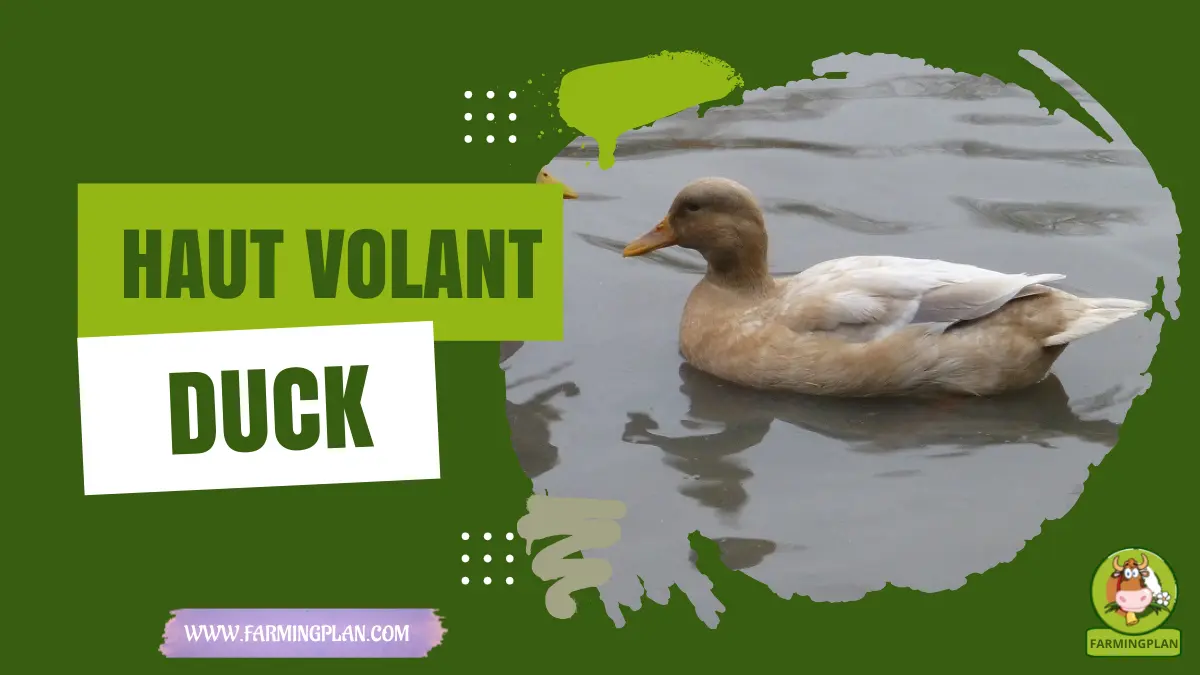
The morphology of the haut volant duck characteristics closely mirrors the streamlined, aerodynamic build of the wild mallard. The body is relatively small, slender, and boat-shaped, carried horizontally on clean, fine-boned legs set centrally beneath the torso. The wings are long, powerful, and sharply pointed, folding tightly across the rump. The chest is rounded and smooth without an apparent keel line, and the neck is slender and held gracefully upright. Maintaining clean feeders and sanitized equipment supports sustainable haut volant duck care.
Regarding haut volant duck size and weight, mature drakes weigh between 1.2 and 1.5 kg (2.6 to 3.3 lbs), while ducks weigh between 1.0 and 1.3 kg (2.2 to 2.9 lbs). The head is refined and neat with an uncoarse straight bill. Plumage varieties include the wild Mallard coloration (emerald green head, white neck ring, and claret breast in drakes), alongside silver, white, and pied variants. The eyes are dark brown, and the shanks and webs are bright orange.
The temperament of the Haut-Volant duck is alert, intelligent, and vigilant. They maintain acute awareness of aerial and terrestrial predators, taking to flight instantly at signs of danger, yet they become pleasantly tame and cooperative with caretakers when fed daily rations. Consistent daily observation helps keepers spot early changes in haut volant duck health and behavior.
Housing Architecture and Flight Enclosure Management
Because the Haut-Volant possesses full flight capability, housing design must reflect the producer’s management goals. For open homestead ponds where ducks are allowed free flight, an island duck house or predator-proof shoreline shed provides secure night roosting. For containment systems, a covered flight aviary or enclosed run featuring 1-inch polypropylene netting is essential. Explore detailed layout options in our guide to duck farming housing and pen design. Clean housing, fresh water, and balanced nutrition remain essential for haut volant duck productivity.
Each adult bird requires 0.30 to 0.40 square meters (3.0 to 4.5 square feet) of indoor floor space. Bed the night shelter with clean dry pine shavings or chopped straw. Because these ducks are agile fliers, installing elevated resting shelves or flat wooden perches 60 to 90 cm above the floor accommodates their natural desire to roost off the ground.
If maintaining ducks in open garden environments without overhead netting, bilateral primary feather clipping (trimming the first 10 primary flight feathers on one wing) prevents sustained flight while allowing the birds to jump and flutter safely. Flight clipping must be renewed annually following the late summer molt. Tracking feed intake and body condition supports long-term haut volant duck performance.
Garden Pest Hunting and Permaculture Grazing
The premier homestead value of the small garden duckling is its unrivaled efficiency as an organic pest hunter. Weighing barely one kilogram, the Haut-Volant steps lightly between vegetable rows, hunting tenaciously for destructive garden slugs, snails, caterpillars, and potato beetle larvae without flattening tender greens or scratching up plant root systems like chickens. Following biosecurity best practices reduces disease risk in any haut volant duck operation.
In permaculture orchards, vineyards, and raised-bed gardens, a pair or trio of Haut-Volant ducks can eliminate snail and slug populations within weeks, replacing chemical molluscicides with natural biological control. Additionally, their nitrogen-rich droppings provide gentle, continuous fertilization for leafy garden vegetables.
Nutritional Strategies for Light Waterfowl
Although Haut-Volant ducks obtain most of their summer nutrition through foraging on insects, aquatic weeds, and pond snails, providing balanced baseline rations supports steady egg laying and body maintenance. An unmedicated 16% protein waterfowl maintenance pellet supplemented with small quantities of whole wheat, cracked corn, and oats satisfies their metabolic requirements. Review full diet schedules in our guide on duck farming and feeding management. Seasonal adjustments to shelter and diet keep haut volant duck thriving year-round.
Ducklings require an 18% to 20% crude protein unmedicated waterfowl starter crumble for the first three weeks, followed by a 16% grower pellet. Provide free-choice insoluble granite grit and crushed oyster shells in separate dishes to support digestion and eggshell strength. Proper record-keeping makes breeding and culling decisions easier for haut volant duck keepers.
Ensure clean, cool drinking water is available near feeding troughs. Haut-Volant ducks thrive when provided with a clean bathing pond or splash tub, which keeps their flight feathers clean, conditioned with preen gland oil, and fully waterproof.
Flock Biosecurity and Preventative Health
Maintaining strict biosecurity protects light waterfowl flocks from infectious pathogens under frameworks enforced by the USDA Animal and Plant Health Inspection Service. Because flying ducks may interact with wild waterfowl on open ponds, monitoring for signs of Avian Influenza is essential. During regional disease alerts, confine the flock beneath covered flight netting to prevent contact with migrating birds. Providing adequate space and ventilation prevents common stress issues in haut volant duck.
Internal parasite control should address gizzard worms and intestinal flukes acquired through consuming aquatic snails. Schedule routine fecal testing and administer approved anthelmintics like fenbendazole under veterinary direction. Explore diagnostic manuals across our poultry and waterfowl knowledge center. Understanding breed-specific traits helps maximize haut volant duck longevity and output.
Check the flock periodically for external feather lice. Supplying clean bathing water and dry sandy dust areas allows the birds to groom and eliminate external parasites naturally.
Breeding Flock Selection and Natural Brooding
Haut-Volant ducks are celebrated for their strong pair bonding and exceptional natural brooding abilities. Ducks construct neat, circular ground nests in tall grass thickets or secluded wooden nest boxes, lining them with dry leaves and soft breast down. Clutches average 8 to 12 greenish-tinted eggs. Routine preventive care saves time and lowers veterinary costs for haut volant duck.
The female sits faithfully on her clutch for 26 to 28 days, leaving only briefly each morning to bathe and feed. The drake remains in close proximity, sounding warning calls if intruders approach the nest. Ducklings hatch vigorously, possessing dense camouflage down and exceptional agility within hours of emerging. Matching forage or ration quality to life stage optimizes haut volant duck growth.
If utilizing artificial incubators, maintain temperatures at 37.5°C (99.5°F) with 50% relative humidity, turning eggs three times daily. Daily cooling for 10 minutes from day 10 onward significantly improves duckling hatchability.
Culinary Quality and Table Meat Value
While the Haut-Volant is smaller than commercial meat breeds, its culinary profile is prized by gourmet connoisseurs. Because the bird is an active flyer with muscular wings and breast, the meat is deep crimson, exceptionally lean, and interwoven with rich flavor compounds reminiscent of wild game waterfowl. Gradual dietary transitions protect digestive stability in haut volant duck.
Surplus drakes harvested at 16 to 20 weeks yield dressed carcasses of 0.8 to 1.1 kg (1.8 to 2.4 lbs). The meat is ideal for slow braising in wine, making artisanal duck terrines, and pan-roasting whole small waterfowl for fine dining presentations. Selecting healthy foundation stock is the cornerstone of successful haut volant duck management.
Enterprise Economics and Smallholder Budgets
Managing a small breeding flock of Haut-Volant ducks provides consistent returns through sales of mated breeding trios, biological garden pest control services, and specialty table birds. Mated pairs sell for $60 to $100 to permaculture gardeners and waterfowl hobbyists. Learn foundational poultry budgeting in our guide on how to start poultry farming step by step.
| Cost Category | Operational Details | Cost per Duck (USD) | Flock Total (12 Ducks) |
|---|---|---|---|
| Breeding Stock Share | Duckling rearing & starter feed | $8.00 | $96.00 |
| Maintenance Feed & Grain | 25 kg supplemental grain @ $0.44/kg | $11.00 | $132.00 |
| Night Shelter Bedding | Pine shavings and nesting straw | $3.00 | $36.00 |
| Veterinary & Mineral Shells | Oyster shell, grit & dewormer | $2.50 | $30.00 |
| Flight Netting Depreciation | Overhead aviary netting share | $3.50 | $42.00 |
| Packaging & Egg Boxes | Cartons for specialty garden eggs | $2.00 | $24.00 |
| Total Annual Cost | Total Operating Cost per Duck | $30.00 | $360.00 |
| Gross Revenue | Live trio sales + table meat + eggs | $75.00 | $900.00 |
| Net Annual Profit | Net Farm Operating Margin | $45.00 | $540.00 |
To dive deeper into diverse domestic duck breeds, browse our duck farming knowledge hub, review flock nutrition in our poultry and waterfowl section, or explore sustainable livestock operations in our livestock farming resource directory. Good predator-proofing and dry bedding safeguard haut volant duck comfort in harsh weather.
🦆 Haut Volant Duck Flock Feed & Water Intake Calculator
Estimate daily balanced feed (lbs), fresh drinking/rinsing water requirements (Gal), indoor shelter, and monthly 50-lb feed bags for your Haut Volant Duck flock.
Frequently Asked Questions
What makes the Haut-Volant duck unique?
The Haut-Volant duck is distinguished by its light, wild-mallard-like body frame, full flight capability, and outstanding ability to hunt garden slugs and snails without damaging plants.
Can Haut-Volant ducks fly away?
Yes. As an athletic flying breed, Haut-Volant ducks possess powerful wings and can fly high and far. They require covered aviary netting or annual primary wing feather clipping to remain confined to garden yards.
How many eggs does a Haut-Volant duck lay per year?
A mature Haut-Volant duck typically lays between 80 and 120 greenish or white tinted eggs per year (50 to 55 grams each), produced across seasonal spring and summer clutches.
Are Haut-Volant ducks good for organic slug control?
Yes. Their small size (1.0 to 1.5 kg) and active foraging behavior make them ideal biological weed and pest controllers in vegetable gardens, orchards, and vineyards, devouring slugs without flattening produce.
Do Haut-Volant ducks need a pond?
While they thrive on open ponds, they can be maintained successfully with a simple, clean bathing tub or splash pool that allows them to submerge their heads and groom their plumage.
Best Practices for High-Flying Waterfowl Husbandry
To successfully integrate Haut-Volant ducks into your homestead, follow three core guidelines. First, install covered flight netting over outdoor pens or practice annual wing feather clipping to prevent unwanted dispersal. Second, provide daily access to clean bathing water to preserve flight plumage waterproofing. Finally, encourage their biological pest hunting instincts by allowing monitored foraging in vegetable patches during morning and evening slug activity hours.

📚Agricultural Reference & Scientific Citations
Standards and physiological data referenced in this guide comply with American Poultry Association (APA), The Livestock Conservancy, and USDA APHIS Avian Biosecurity Standards.


