

| Characteristic | Breed Standard | Mountain Homestead Significance |
|---|---|---|
| Breed Classification | Dual-Purpose Mountain Landrace (Gallus gallus domesticus) | Exceptional vitality and foraging hardiness in alpine environments |
| Mature Rooster Weight | 6.2 to 7.7 lbs (2.8 to 3.5 kg) | Broad-chested, muscular sire with strong flock defense instincts |
| Mature Hen Weight | 4.4 to 5.5 lbs (2.0 to 2.5 kg) | Active, self-reliant layer with deep abdominal capacity and calm disposition |
| Annual Egg Production | 160 to 190 eggs per year (55 to 60 grams) | Reliable tinted or light cream shells with thick, strong albumin |
| Head & Crest Conformation | Small backward-swept feather crest with slight beard and muffs | Protects facial tissues and earlobes from freezing alpine gales |
| Comb & Earlobe Type | Medium single serrated comb with red earlobes | Resistant to severe winter frostbite compared to large-combed Mediterranean breeds |
| Foraging & Ranging Ability | High pasture activity, keen predator awareness, nimble flight | Drastically reduces commercial feed reliance in open pasture systems |
Breed Overview and Production Statistics
The Gallina del Sobrarbe chicken is an ancient and resilient Spanish landrace fowl originating from the rugged Pyrenean mountains of Aragon, specifically within the historical Sobrarbe comarca in northern Spain. Renowned for its distinctive backward-swept feather crest, slight throat beard, and exceptional hardiness against mountain climates, this rustic Spanish farm poultry was developed over centuries of traditional village farming. Capable of foraging actively on rocky pastures while sustaining steady egg production and providing well-flavored meat, the Sobrarbe chicken is an outstanding choice for regenerative homesteaders and heritage poultry preservationists seeking authentic dual-purpose performance. Maintaining clean feeders and sanitized equipment supports sustainable gallina del sobrarbe chicken care.
In high-altitude alpine valleys where commercial hybrid layers struggle under temperature extremes and sparse pasture greens, the Gallina del Sobrarbe thrives effortlessly. In this technical husbandry guide, we explore the breed’s historical development, physical conformation standards, coop housing design, feeding formulations, breeding flock dynamics, and enterprise budget models tailored to sustainable pastured poultry production. Consistent daily observation helps keepers spot early changes in gallina del sobrarbe chicken health and behavior.
Pyrenean Origins and Agronomic History
The origins of the gallina del sobrarbe chicken breed are rooted in the rocky valleys and isolated hamlets of the Aragonese Pyrenees in northern Spain. For centuries, rural households maintained these crested fowl as free-ranging scavengers around stone farmsteads. The birds survived on spilled threshing grains, kitchen scraps, pasture insects, and wild seeds, enduring freezing snowbound winters and scorching dry summers without artificial heating or climate control. Clean housing, fresh water, and balanced nutrition remain essential for gallina del sobrarbe chicken productivity.
During the mid-twentieth century, the rapid proliferation of industrial white leghorns and commercial broiler hybrids brought the native Sobrarbe fowl to the brink of extinction. By the late 1990s, dedicated veterinary researchers and local Aragonese farmers launched an intensive field recovery project, scouring remote mountain valleys to identify surviving pedigree birds. The founding of the Asociación de Criadores de Gallina del Sobrarbe (AGASOB) established official herd book registers and revitalized interest in this irreplaceable cultural and genetic heritage. Tracking feed intake and body condition supports long-term gallina del sobrarbe chicken performance.
Breed Characteristics and Conformation Standards
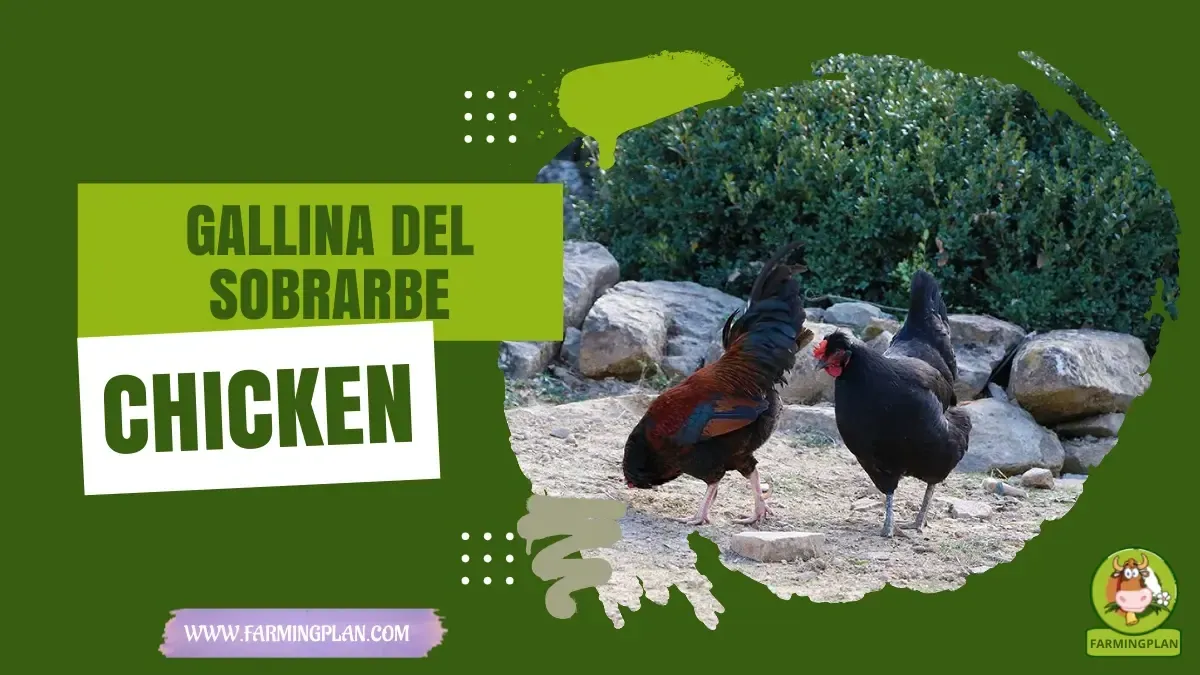
The gallina del sobrarbe chicken characteristics reflect functional adaptation to rugged terrain. The body is medium-sized, robust, and well-muscled, featuring a broad chest, wide back, and moderately elevated tail carried at approximately 45 degrees. The skin and strong shanks are bright yellow, unfeathered, and remarkably clean, supporting active perching and scratching on rocky alpine soils. Following biosecurity best practices reduces disease risk in any gallina del sobrarbe chicken operation.
Regarding gallina del sobrarbe chicken size and weight, mature cocks weigh 2.8 to 3.5 kg (6.2 to 7.7 lbs), while mature hens average 2.0 to 2.5 kg (4.4 to 5.5 lbs). The head represents the most identifiable trait: it carries a distinctive small, backward-slanted feather crest (moño) situated behind a medium-sized single serrated comb. The crest does not obstruct the bird’s forward or lateral vision, preserving acute alertness against predatory raptors. A slight throat beard (barba) and side muffs frame the red face and wattles.
The gallina del sobrarbe chicken temperament is active, alert, and curious. While quick and agile on open range, these birds are not hysterical or aggressive toward human handlers. Roosters are vigilant protectors of their harems, sounding distinct alarm calls when ground predators or hawks approach the flock. Seasonal adjustments to shelter and diet keep gallina del sobrarbe chicken thriving year-round.
Coop Design and Mountain Housing Systems
Designing a coop for Gallina del Sobrarbe chickens requires durable construction that offers protection against extreme cold, dampness, and mountain predators. Each adult bird requires at least 0.35 to 0.45 square meters (3.5 to 5.0 square feet) of indoor floor space, alongside elevated perches placed 60 to 90 cm above the floor. Ensure the coop features draft-free ridge ventilation to vent moisture while retaining radiant warmth. Discover housing blueprints in our guide on chicken coop design and predator protection. Proper record-keeping makes breeding and culling decisions easier for gallina del sobrarbe chicken keepers.
Predator protection is essential in rural and mountain environments where weasels, martens, foxes, and birds of prey are prevalent. Use 1/2-inch galvanized hardware cloth on all coop windows and ventilation openings, securing latches with locking carabiners. Provide a covered, fenced outdoor run with an overhead netting canopy to protect free-ranging birds during hawk migration seasons. Providing adequate space and ventilation prevents common stress issues in gallina del sobrarbe chicken.
Bedding management should utilize the deep litter system during winter months. Maintaining an 8-inch layer of dry pine shavings, chopped straw, and dried leaves creates natural biological composting on the coop floor, generating gentle radiant heat and keeping the birds comfortable during sub-zero mountain nights. Understanding breed-specific traits helps maximize gallina del sobrarbe chicken longevity and output.
Free-Range Foraging and Pasture Management
The Sobrarbe fowl is an exceptional pasture grazer and forager. When allowed to range across orchards, pastures, or wooded edges, these birds actively consume insects, weed seeds, fallen fruit, clover shoots, and terrestrial mollusks. Their vigorous foraging behavior satisfies a significant portion of their daily protein and vitamin requirements, dramatically lowering supplemental grain expenses.
To preserve pasture quality and disrupt parasite life cycles, implement rotational grazing with portable electric poultry netting. Moving the coop or fencing every two to three weeks allows grazed ground to regenerate while spreading rich organic manure evenly across the farm soil. Review broader pasture methods in our chicken farming category center. Routine preventive care saves time and lowers veterinary costs for gallina del sobrarbe chicken.
Nutritional Requirements and Feed Formulation
Although Sobrarbe chickens are adept foragers, supplying a nutritionally balanced supplemental ration ensures steady egg production and maintains body condition throughout winter. During the active laying season, provide a 16% to 17% crude protein commercial or farm-mixed layer ration fortified with essential amino acids, particularly methionine and lysine. Matching forage or ration quality to life stage optimizes gallina del sobrarbe chicken growth.
Maintain free-choice access to coarse crushed oyster shells or calcium limestone grit in a separate feeder. This enables laying hens to replenish calcium reserves depleted during nightly eggshell calcification without over-consuming base feed. In winter, supplement the morning ration with warm sprouted barley or black oil sunflower seeds to supply digestible energy and vital lipids. Gradual dietary transitions protect digestive stability in gallina del sobrarbe chicken.
Clean, fresh water must be available continuously. During freezing weather, install heated waterer bases or submersible de-icers to prevent ice formation. Water deprivation for even 12 hours can cause laying hens to drop egg production or enter an unseasonal molt. Selecting healthy foundation stock is the cornerstone of successful gallina del sobrarbe chicken management.
Flock Biosecurity and Disease Management
A proactive biosecurity program safeguards your heritage flock against devastating avian pathogens under health frameworks monitored by the USDA Animal and Plant Health Inspection Service. Quarantine all newly acquired poultry in a separate isolation coop for 30 days, monitoring daily for coughing, nasal discharge, or lethargy before introducing them to the resident flock.
Vaccination protocols should include immunization against Marek’s disease at hatch, followed by Newcastle disease and Infectious Bronchitis vaccines administered according to regional veterinary schedules. Routine testing for Pullorum-Typhoid ensures breeding stock remains free from vertically transmitted systemic bacterial infections. Learn comprehensive diagnostic protocols in our poultry and waterfowl resource portal. Good predator-proofing and dry bedding safeguard gallina del sobrarbe chicken comfort in harsh weather.
Monitor the flock regularly for external ectoparasites, particularly northern fowl mites (Ornithonyssus sylviarum) and scaly leg mites (Knemidokoptes mutans). Provide sheltered dust bath boxes filled with clean sand, wood ash, and food-grade diatomaceous earth to allow the birds to clean their feathers naturally. Monitoring water quality and mineral balance directly benefits gallina del sobrarbe chicken vitality.
Breeding Flock Selection and Incubation
Maintaining the distinctive breed characteristics of the Gallina del Sobrarbe requires disciplined breeding selection. Choose breeding roosters that display a moderate, clean crest, bright yellow shanks, alert demeanor, and broad muscular shoulders. Avoid birds with excessive crests that block eye sight, deformed combs, or crooked toes. Practical hands-on husbandry ensures consistent results when raising gallina del sobrarbe chicken.
Breeding flocks should be maintained at a ratio of one rooster per 8 to 10 hens to ensure high egg fertility. Sobrarbe hens demonstrate moderate broodiness, typically going broody in late spring. They are careful, attentive mothers that successfully hatch and rear 10 to 12 chicks under natural conditions. If using artificial incubators, maintain temperatures at 37.5°C (99.5°F) with 50% relative humidity, increasing humidity to 65% during the final three days before hatching. Early intervention at the first sign of lethargy protects overall gallina del sobrarbe chicken flock or herd health.
Chicks hatch vigorously on day 21, displaying down patterns ranging from silver-grey to striped partridge. Provide a 20% protein chick starter crumble alongside fresh water supplemented with electrolytes for the first three days, keeping brooder temperatures at 35°C (95°F) for the first week and decreasing by 3°C each subsequent week.
Egg Production and Meat Characteristics
The Gallina del Sobrarbe is an accomplished dual-purpose producer. Hens begin laying at 22 to 24 weeks of age, yielding 160 to 190 tinted, light cream, or pale brown eggs per year. The eggs average 55 to 60 grams in weight, featuring thick, resilient shells and rich, golden yolks when birds have daily pasture access. Structured culling and biosecurity protocols strengthen gallina del sobrarbe chicken genetic quality.
Surplus roosters and culled older hens yield excellent culinary poultry. Cockerels finished on grain and pasture achieve slaughter weights of 2.2 to 2.8 kg at 20 to 24 weeks. The meat is deep-flavored, firm, and lean, suited for traditional slow braises, stews, and roasted heritage chicken dishes. Maintaining clean feeders and sanitized equipment supports sustainable gallina del sobrarbe chicken care.
Enterprise Economics and Homestead Budgets
Operating a smallholder flock of Gallina del Sobrarbe chickens provides consistent economic returns through direct-market sales of specialty pasture eggs, live breeding trios, and heritage meat. Tinted heritage eggs command premium prices of $6.00 to $9.00 per dozen at farmers markets, while started pullets sell for $25 to $40 each. Study comprehensive farm planning in our manual on how to start poultry farming successfully. Consistent daily observation helps keepers spot early changes in gallina del sobrarbe chicken health and behavior.
| Budget Category | Operational Details | Cost per Hen (USD) | Flock Total (30 Hens) |
|---|---|---|---|
| Pullet Rearing Cost | Chick purchase, starter feed & brooding | $8.50 | $255.00 |
| Layer Feed & Scratch | 38 kg balanced layer ration @ $0.48/kg | $18.24 | $547.20 |
| Coop Bedding & Sand | Pine shavings and nesting straw | $3.00 | $90.00 |
| Veterinary & Calcium | Oyster shell, grit, dewormer & vaccines | $2.50 | $75.00 |
| Egg Cartons & Packaging | Recycled cardboard cartons & custom labels | $3.20 | $96.00 |
| Equipment Depreciation | Feeder, waterer & electric netting share | $2.80 | $84.00 |
| Total Annual Cost | Total Operating Cost per Laying Hen | $38.24 | $1,147.20 |
| Gross Egg Revenue | 14 dozen eggs per hen @ $7.50/dozen | $105.00 | $3,150.00 |
| Net Annual Profit | Net Farm Return Over Operating Outlays | $66.76 | $2,002.80 |
To learn more about heritage chickens and pasture production systems, explore our chicken farming knowledge hub, review flock nutrition in our poultry and waterfowl directory, or study sustainable agriculture across our livestock farming portal. Clean housing, fresh water, and balanced nutrition remain essential for gallina del sobrarbe chicken productivity.
🐔 Gallina Del Sobrarbe Chicken Flock Feed & Egg Yield Calculator
Estimate daily layer feed (lbs), monthly 50-lb feed bags, coop and run requirements, and expected weekly fresh egg yield for your Gallina Del Sobrarbe Chicken flock.
Frequently Asked Questions
What makes the Gallina del Sobrarbe chicken distinct?
The Gallina del Sobrarbe is distinguished by its small backward-swept feather crest, slight throat beard, yellow shanks, and rustic Pyrenean hardiness. It is an authentic Spanish dual-purpose landrace capable of foraging on rugged mountain terrain while producing steady tinted eggs.
How many eggs does a Gallina del Sobrarbe hen lay each year?
A mature Gallina del Sobrarbe hen typically lays between 160 and 190 medium-sized tinted or light cream eggs per year (55 to 60 grams each), maintaining steady laying through autumn and winter with proper housing.
Are Gallina del Sobrarbe chickens cold hardy?
Yes. Developed in the high Pyrenees mountains of northern Spain, these chickens are exceptionally cold-hardy. Their moderate crest and smaller single comb make them far less susceptible to winter frostbite than large-combed Mediterranean breeds.
Do Gallina del Sobrarbe hens go broody?
Yes. Hens exhibit moderate natural broodiness during late spring. They are careful, attentive mothers that hatch and raise their chicks with high success rates under free-range conditions.
What is the temperament of the Gallina del Sobrarbe chicken?
The breed is alert, active, and curious. While agile and quick on pasture, they are calm around human caretakers and do not display flightiness or aggression when handled regularly.
Heritage Poultry Conservation Recommendations
To maintain the genetic purity and productive excellence of the Gallina del Sobrarbe breed, breeders should observe three critical management practices. First, select breeding stock with functional head crests that do not impair forward vision, ensuring birds retain acute predator vigilance. Second, provide free-range pasture grazing opportunities to preserve innate foraging behaviors. Finally, collaborate with official rare breed associations to participate in pedigree recording and genetic exchange programs.

📚Agricultural Reference & Scientific Citations
Standards and physiological data referenced in this guide comply with American Poultry Association (APA), The Livestock Conservancy, and USDA APHIS Avian Biosecurity Standards.


