

📊 Flying Baldhead Pigeon at a Glance: Standards & Flight Benchmarks
| Scientific Classification | Columba livia domestica (Performance Flying Tumbler Group) |
| Native Country of Origin | United States (Refined from historic English baldhead tumbler lines) |
| Primary Specialty | High-altitude kit flying, rapid backward tumbling, and precise loft homing |
| Signature Plumage Pattern | Crisply demarcated white head (baldhead), white bib, white primary flights & tail |
| Adult Body Weight | 10 to 14 oz (280 to 395 grams) — Lean, muscular aerodynamic frame |
| Flight Duration & Altitude | Sustained kit flights lasting 1 to 3 hours at medium to cloud-skimming heights |
| Maternal & Breeding Traits | Exceptional parenting; vigorous squab rearing with zero foster demands |
| Temperament & Trainability | Sharp, highly alert, intelligent, responsive to whistle and feed droppers |
| Average Productive Lifespan | 8 to 12 years in properly predator-secured loft management |
| Foundation Stock Investment | $100 – $240 per pedigreed performance flying pair |
The Flying Baldhead Pigeon (often celebrated as the American Flying Baldhead Tumbler) represents one of the most thrilling performance and precision-marked columbid breeds ever developed. Bred for supreme aerial athleticism, this legendary bird combines breathtaking backward tumbling acrobatics with unmistakable cosmetic elegance: an immaculate pure-white head contrasting sharply against a deeply pigmented, rich body coat. Following biosecurity best practices reduces disease risk in any Flying Baldhead Pigeon operation.
Homesteaders and performance fliers consulting our pigeon loft and aviary management guide appreciate the Flying Baldhead for its dual utility. While many fancy breeds have traded flight performance for exaggerated physical features, the Flying Baldhead retains its historic heritage as a high-flying kit bird capable of soaring into thermals for hours before descending in coordinated somersaulting dives. Seasonal adjustments to shelter and diet keep Flying Baldhead Pigeon thriving year-round.
Their flight dynamics are executed in tight synchrony known as kit flying. When properly conditioned, a kit of 10 to 20 Baldheads circles tightly overhead, rolling and tumbling in rapid succession while keeping a vigilant eye out for aerial raptors. Their homing instinct is sharp and dependable, bringing them straight back to the loft trap upon the handler’s whistle. Proper record-keeping makes breeding and culling decisions easier for Flying Baldhead Pigeon keepers.
Mastering the husbandry of Flying Baldhead pigeons requires strict conditioning schedules, aerodynamic grain nutrition, secure trapping setups, and vigilant defense against predatory hawks. Providing adequate space and ventilation prevents common stress issues in Flying Baldhead Pigeon.
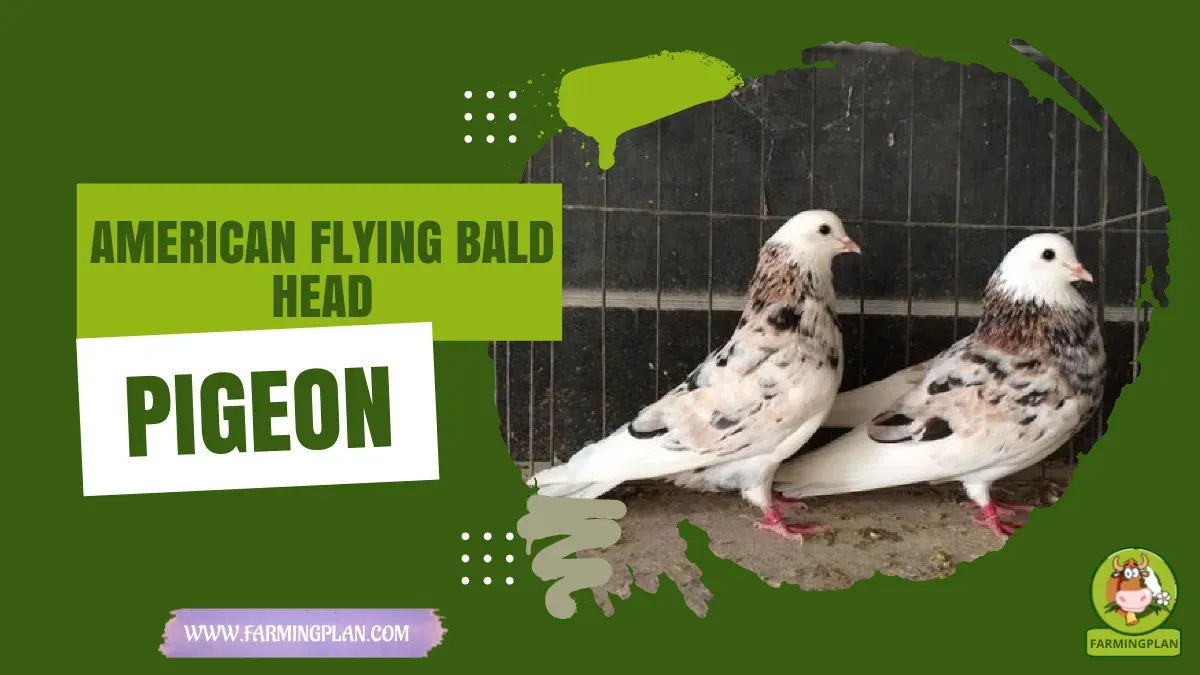
Breed Conformation, Markings & Aerial Performance Matrix
The physical structure of the Flying Baldhead is engineered entirely for aerodynamic efficiency and muscular endurance. The body is wedge-shaped, featuring a broad chest tapering back to narrow hips. Pectoral muscle density is substantial, providing the rapid wing-beat cadence necessary for steep vertical climbs and controlled tumbling recovery.
The iconic marking pattern is governed by strict exhibition standards. The head must be pure chalk-white down to a clean cutting line passing just beneath the lower mandible and around the back of the skull. The bib (under-neck), flights (primary wing feathers, typically 10 on each side), belly, and tail are crisp white, while the breast, shoulders, and back display deep, uniform coloration in black, red, yellow, dun, or blue bar. Producers planning a diversified homestead operation often cross-reference our American Bohemian Pouter Pigeon breed and care guide. Understanding breed-specific traits helps maximize Flying Baldhead Pigeon longevity and output.
The eyes are classic pearl-white with fine, flesh-colored ceres. The beak is medium in length, stout, and pale. The shanks are clean, bright coral-red, ending in strong toes that grip loft landing boards securely. Routine preventive care saves time and lowers veterinary costs for Flying Baldhead Pigeon.
📊 Flying Baldhead Pigeon Physical & Flight Benchmarks
| Performance & Conformation Trait | Standard Exhibition Benchmark | Flight Performance Utility |
|---|---|---|
| Head Cut Line | Sharp, horizontal cut below lower beak; pure white skull | Iconic visual marker easily tracked against blue skies |
| Eye Color | Pearl-white iris; unblemished by red blood specks | Exceptional visual acuity for high-altitude thermal scanning |
| Primary Flights | 10 clean white primaries on each wing; broad overlapping quills | Maximum air displacement and rapid aerial maneuvering |
| Tumbling Action | Crisp, rapid backward somersaults without loss of altitude control | Acrobatic display that disrupts predator pursuit angles |
| Kit Tightness | Flies in close 10-to-20-bird kits with synchronized turns | Coordinated flock dynamics preventing individual bird targeting |
| Body Weight | 10 to 14 oz (280 to 395 grams) adult weight | Lean power-to-weight ratio for sustained 3-hour flight endurance |
History, Heritage Origins & The Tumbler Tradition
The origins of the Baldhead tumbler date back to 17th-century Britain, where breeders refined ancient Persian and Indian tumbling pigeons into standardized aerial performance strains. European settlers carried these prized tumbler lines across the Atlantic to North America during the 18th and 19th centuries. Matching forage or ration quality to life stage optimizes Flying Baldhead Pigeon growth.
In American cities like Philadelphia, New York, and Baltimore, working-class fanciers established rooftop flying clubs. Breeders placed intense selection pressure on flying duration and reliable tumbling, ensuring that the birds did not degenerate into grounded show specimens. The American Flying Baldhead emerged as a dedicated athletic variant, celebrated for stamina in rough coastal winds.
Through the 20th century, the National Tumbler Club and associated regional flying associations codified standards that rewarded both cosmetic purity and aerial performance. Today, dedicated kit fliers preserve these bloodlines as living historic treasures of American urban and rural aviculture. Gradual dietary transitions protect digestive stability in Flying Baldhead Pigeon.
Preservation breeding strategies continue to prioritize flight vigor, preventing the breed from becoming strictly sedentary while safeguarding the crisp cutting lines of its iconic baldhead marking pattern. Selecting healthy foundation stock is the cornerstone of successful Flying Baldhead Pigeon management.
Loft Architecture, Trapping Funnels & Kit Housing
A performance flying loft requires distinct functional compartments: a breeding section, a young bird training section, and a flying kit room. A 6×8 foot kit loft comfortably accommodates 20 to 25 flying birds. Each bird should be assigned an individual V-perch to prevent territorial scuffles and promote calm resting between training sorties. Good predator-proofing and dry bedding safeguard Flying Baldhead Pigeon comfort in harsh weather.
The defining feature of a performance loft is the trapping mechanism. Install a sputnik trap or classic bob-wire trap door mounted above the aviary landing board. Fliers train birds to land instantly on the board upon returning from flight and push through one-way bobs directly into the loft to feed. Lingering on the roof must be strictly discouraged to prevent Cooper’s hawk predation.
Floor hygiene requires daily scraping of droppings or the installation of elevated wire grids. Ensure high-volume airflow through low air intakes and high roof louvers. Clean air free of ammonia and feather dust is indispensable for maintaining clear respiratory sacs in high-flying endurance athletes. Monitoring water quality and mineral balance directly benefits Flying Baldhead Pigeon vitality.
Construct the outer flight release door with an easy pull-cord system that allows the handler to release the kit without stepping into the aviary and causing erratic startles. Practical hands-on husbandry ensures consistent results when raising Flying Baldhead Pigeon.
Performance Grain Nutrition, Conditioning Rations & Hydration
Feeding performance flying pigeons requires precise regulation of carbohydrate energy and dietary protein. Flying Baldheads should never be fed ad-libitum (free choice); feed intake is the primary tool used by handlers to establish flight discipline and prompt trapping response. Early intervention at the first sign of lethargy protects overall Flying Baldhead Pigeon flock or herd health.
The standard maintenance ration consists of a clean grain mix providing 13% to 14% crude protein, comprising hard red wheat, red milo, barley, safflower, and small yellow corn. On flight training days, feed a lighter carbohydrate ration (depuration mix) containing barley and wheat in the morning, followed by a richer protein-and-fat recovery mix containing field peas and safflower after evening flight. Compare homestead flock feeding strategies in our homestead animals and pet care hub.
Supply insoluble flint grit and crushed mineral oyster shell in separate cups to aid gizzard seed breakdown and maintain bone density. Add a soluble electrolyte and B-complex vitamin solution to drinking water following strenuous multi-hour kit flights to accelerate lactic acid clearance. Structured culling and biosecurity protocols strengthen Flying Baldhead Pigeon genetic quality.
Always measure feed rations by weight (approximately 1 to 1.2 oz per bird daily), adjusting portions based on temperature, flight duration, and bird body condition. Maintaining clean feeders and sanitized equipment supports sustainable Flying Baldhead Pigeon care.
Loft Biosecurity, Parasite Defense & Raptor Safety
High-flying pigeons face unique health challenges, particularly from external parasites and air-borne respiratory infections. Feather lice (Columbicola columbae) and pigeon flies (Pseudolynchia canariensis) damage flight primaries, disrupting aerodynamic lift and tumbling stability. Consistent daily observation helps keepers spot early changes in Flying Baldhead Pigeon health and behavior.
Administer monthly bath pans containing water treated with bath salts or dilute potassium permanganate to keep plumage clean and lice-free. Vaccinate all birds annually against Pigeon Paramyxovirus-1 (PPMV-1) and respiratory Chlamydia (ornithosis). Regularly monitor droppings for coccidiosis and internal roundworms using microscopic float tests.
All loft health standards must align with protocols from the National Pigeon Association (NPA) and avian disease monitoring guidelines established by the USDA APHIS Avian Health Team. Clean housing, fresh water, and balanced nutrition remain essential for Flying Baldhead Pigeon productivity.
Raptor protection requires tactical flight scheduling. Release kits during mid-day when thermal currents are strong and accipiter hawks are less actively hunting. Never release birds on foggy, low-ceiling mornings when hawks can ambuscade kits from tree lines. Tracking feed intake and body condition supports long-term Flying Baldhead Pigeon performance.
Breeding Biology, Kit Genetics & Young Bird Training
Flying Baldheads are exceptionally prolific and dependable breeders. Mated pairs construct sturdy nests using pine needles or straw, laying two smooth white eggs per clutch. Both parents share incubation across an 18-day period and produce abundant crop milk to rear squabs rapidly. Following biosecurity best practices reduces disease risk in any Flying Baldhead Pigeon operation.
Unlike fragile fancy breeds that require foster parents, Baldheads rear their own youngsters with near 100% success. Band squabs at 7 to 9 days of age with seamless official NPA identification bands. Wean youngsters into the training kit section at 28 to 30 days of age. Review companion aviary breeding principles in our homestead poultry and aviary care guide.
Young bird kit training begins on the landing board. Introduce young fledglings to the settle cage on the loft roof for three days until they memorize local landmarks. Train them to enter the trap instantly at the sound of a seed shaker or training whistle before their first open release flight. Seasonal adjustments to shelter and diet keep Flying Baldhead Pigeon thriving year-round.
Flying Baldhead Economics & 12-Pair Performance Budget
Operating a performance Flying Baldhead loft offers modest operating overhead and strong financial self-sufficiency. Breeders market trained young flying kits to urban rooftop fliers, sell pedigreed mated pairs to exhibition fanciers, and compete for regional performance trophies. Proper record-keeping makes breeding and culling decisions easier for Flying Baldhead Pigeon keepers.
📊 Estimated Annual Budget: 12-Pair Flying Baldhead Performance Loft
| Operational Category | Description & Specifications | Initial Setup Cost | Annual Operating Cost |
|---|---|---|---|
| Breeding Stock | 12 mated pairs of proven performance Flying Baldheads ($120/pr) | $1,440 | $0 |
| Kit Loft & Sputnik Trap | 8×10 ft multi-compartment timber loft with sputnik trap door | $2,100 | $100 |
| V-Perches & Nest Boxes | 30 individual kit V-perches & 12 double breeding nest boxes | $380 | $20 |
| Performance Grain Rations | 14% protein flight mix & recovery grains (950 lbs annually) | $0 | $640 |
| Grit & Aviation Supplements | Insoluble flint grit, mineral salts, probiotics & electrolytes | $40 | $85 |
| Vaccines & Band Fees | PPMV-1 vaccines, seamless NPA bands & loft disinfectants | $50 | $75 |
| Gross Enterprise Revenue | 40 trained young fliers ($45 ea) + 4 proven stock pairs ($160 ea) | $0 | +$2,440 |
| Net Operating Margin | Annual net margin excluding capital loft amortization | — | +$1,520 |
🕊️ Flying Baldhead Pigeon Loft & Grain Mix Calculator
Estimate daily grain ration (lbs), mineral grit, monthly 50-lb feed bags, and minimum indoor loft and outdoor aviary space (sq ft) for your Flying Baldhead Pigeon loft.
Frequently Asked Questions (FAQ)
What is the tumbling flight action of a Flying Baldhead pigeon?
The Flying Baldhead performs rapid, tight backward somersaults mid-air while flying in a synchronized kit, recovering smoothly without losing altitude control.
Why are Flying Baldheads flown in kits?
Flying in a tight kit of 10 to 20 birds encourages synchronized aerial acrobatics, improves homing discipline, and confuses predatory hawks through flock movement.
How long can Flying Baldhead pigeons stay in the air?
When conditioned properly, a trained kit of Flying Baldhead pigeons will fly continuously for 1 to 3 hours at medium to high altitudes before returning to the loft.
Do Flying Baldhead pigeons require foster parents to raise squabs?
No, Flying Baldheads are outstanding, vigorous natural parents that incubate their eggs and raise their squabs to fledging without any foster assistance.
Expert Verdict & Next Steps for Performance Columbid Fanciers
The Flying Baldhead Pigeon represents the pinnacle of aerial performance united with classic marking symmetry. For aviculturists seeking dynamic action in the sky rather than static exhibition in cages, training a kit of synchronized tumbling Baldheads delivers deep satisfaction and enduring enjoyment. Providing adequate space and ventilation prevents common stress issues in Flying Baldhead Pigeon.
Ensure your loft is equipped with a rapid-entry sputnik trap and establish strict feed-response conditioning from weaning day. Explore our technical guide to aviary waterers and feeders in our poultry and aviary equipment handbook to assemble a durable, hygienic loft layout.
📚Agricultural Reference & Scientific Citations
Standards and physiological data referenced in this guide comply with American Poultry Association (APA), The Livestock Conservancy, and USDA APHIS Avian Biosecurity Standards.


