

⚡ Crocodile Farming in Australia at a Glance: Key Specifications & Benchmarks
| Primary Commercial Species | Saltwater Crocodile (Crocodylus porosus); minor freshwater (Crocodylus johnstoni) |
| Major Producing Jurisdictions | Northern Territory (Darwin region), Queensland, and Western Australia (Kimberley) |
| Primary Commercial Products | High-grade unblemished belly skin leather, premium white tail fillet meat, oils |
| Production Operating Model | Sustainable wild egg ranching licensed by wildlife departments and captive farm breeding |
| Optimum Water Temperature | 89°F – 91°F (31.5°C – 33°C); strict thermal regulation accelerates metabolism |
| Market Harvest Age & Size | 24 to 36 months; target body length 4.9 – 5.9 ft (1.5 – 1.8 m); belly width 35–45 cm |
| Primary Feed Rations | Minced kangaroo meat, chicken frames, beef offal, fortified marine vitamin premix |
| Regulatory & Export Oversight | Convention on International Trade in Endangered Species (CITES) Appendix II |
| Key Global Export Markets | European luxury tanneries (France, Italy), Asian culinary markets, domestic restaurants |
| Average Skin Grade Premium | First-grade unscarred belly skin commands 40% to 60% price premium over second-grade |
When planning crocodile farming australia management, commercial crocodile farming in Australia represents one of the most successful wildlife conservation through sustainable utilization models in modern agriculture. Developed across tropical northern Australia following the complete legal protection of wild crocodilians in 1971, the sector transformed an endangered apex predator into a high-value commercial industry. Today, Australian saltwater crocodile (Crocodylus porosus) skins are recognized globally as the gold standard of luxury exotic leather.
Australian producers supply European haute-couture fashion houses with immaculate belly skins while delivering high-protein, low-fat crocodile meat to international seafood markets. Unlike conventional mammalian livestock operations, commercial crocodilian farming is deeply technical, requiring strict aquatic thermal management, rigorous biological filtration, and careful behavioral zoning. Producers evaluating exotic enterprise requirements should consult our comprehensive crocodile farming requirements guide to review containment engineering. Gradual dietary transitions protect digestive stability in crocodile farming australia. Selecting healthy foundation stock is the cornerstone of successful crocodile farming australia management.
Success requires mastering reptile physiology: regulating water temperatures between 89°F and 91°F, maintaining pristine water hygiene to prevent ventral dermatitis, and structuring pen social dynamics to eliminate territorial biting. By combining conservation science with industrial discipline, Australian farms demonstrate that protecting wild habitats and running profitable export agribusiness can reinforce one another. Good predator-proofing and dry bedding safeguard crocodile farming australia comfort in harsh weather.
The commercial regulatory environment in Australia is among the strictest globally. Every commercial facility operates under stringent environmental licenses, annual wildlife audits, and animal welfare inspections. Producers must maintain rigorous record-keeping covering wild egg harvesting, incubation success rates, growth trajectories, and mortality rates. This regulatory transparency gives international luxury brands complete confidence in the ethical traceability of Australian skins. Monitoring water quality and mineral balance directly benefits crocodile farming australia vitality.
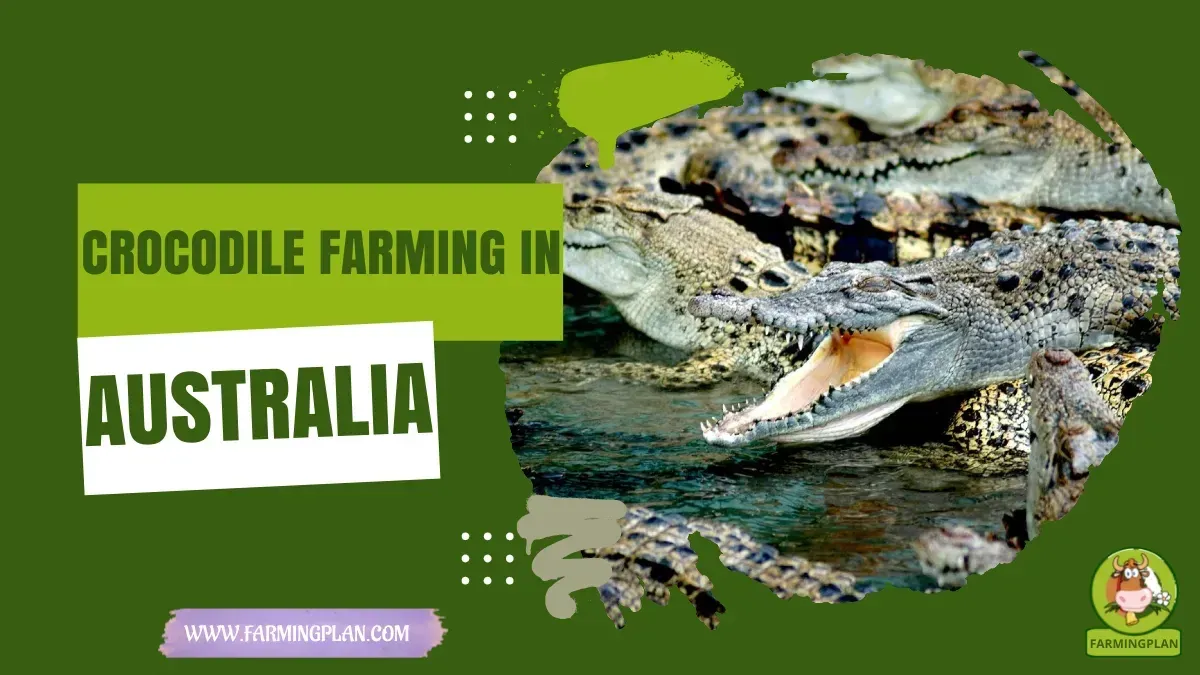
History, Conservation Ranching & Northern Territory Ecology
Following decades of unregulated post-war hunting, wild saltwater crocodile populations in Australia’s tropical north plummeted toward biological extinction by the late 1960s. In response, state and federal governments banned wild hunting. To foster local community support for dangerous predators living alongside pastoral communities, the Northern Territory government pioneered a commercial ranching framework in the early 1980s that assigned tangible economic value to living wild crocodiles. Practical hands-on husbandry ensures consistent results when raising crocodile farming australia.
The foundation of this industry is the sustainable egg-harvesting ranching model. During the tropical wet season (December to April), licensed commercial operators use helicopters to locate wild crocodile nests across river floodplains and mangrove swamps. Experienced harvesters carefully collect viable eggs from wild nests, leaving property owners and Indigenous land councils with direct royalty payments that incentivize long-term wetland preservation. Early intervention at the first sign of lethargy protects overall crocodile farming australia flock or herd health.
Because wild flood waters, feral pigs, and predatory goannas naturally destroy up to 80% of wild crocodile clutches, ranching harvests eggs that would otherwise perish. Artificial incubation on farms achieves hatching rates exceeding 85% to 90%, generating robust cohorts of healthy hatchlings while wild populations have fully rebounded to historical carrying capacity. Structured culling and biosecurity protocols strengthen crocodile farming australia genetic quality.
In Arnhem Land and the Darwin river systems, partnerships between commercial crocodile producers and Indigenous Ranger groups have created vital regional employment. Traditional owners utilize their generational ecological knowledge to map nesting sites, monitor adult crocodile densities, and participate in annual egg harvests. The resulting revenue funds indigenous ranger stations, habitat protection, and invasive weed eradication across remote river catchments. Smallholders comparing closely related stock can also review our detailed Crocodile Farming in Philippines guide. Maintaining clean feeders and sanitized equipment supports sustainable crocodile farming australia care. Consistent daily observation helps keepers spot early changes in crocodile farming australia health and behavior.
Saltwater Crocodile Biology & Skin Morphology
The Australian saltwater crocodile is the largest living reptile on earth, with mature wild males reaching lengths beyond 18 feet (5.5 meters). In commercial operations, growers harvest sub-adults at lengths between 4.9 and 5.9 feet (1.5 to 1.8 meters), typically attained between 24 and 36 months of age under controlled thermal acceleration. At this growth stage, belly skin width measures 35 to 45 centimeters, matching luxury leather cutting templates. Clean housing, fresh water, and balanced nutrition remain essential for crocodile farming australia productivity.
What makes Crocodylus porosus leather so valuable is the complete absence of osteoderms (calcareous bony deposits) within its ventral belly scales. Unlike American alligators or caimans, whose scales contain hard bone buttons that cause leather to crack during tanning, the saltwater crocodile belly skin is soft, pliable, and uniform. Each scale displays a tiny, distinctive sensory hair pore that authenticates the skin for luxury buyers. Tracking feed intake and body condition supports long-term crocodile farming australia performance.
Conformational grading evaluates the central belly rectangle spanning between the throat collar and the cloaca. Skin graders inspect for scratch marks, puncture bites, fungal scale rot, and claw scars. A single minor scar downgrades a skin from Grade 1 to Grade 2, reducing sale value by up to 50%, which drives intensive farm investments in smooth pen surfaces and calm animal handling. Following biosecurity best practices reduces disease risk in any crocodile farming australia operation.
Symmetry across the ventral belly pattern is equally vital. International fashion ateliers demand flawless scale alignment across horizontal and vertical axes when crafting high-end handbags. Flaying technicians are trained to execute precise lateral cuts along the outer flanks, preserving the full width of the central belly without nicking the dermal layer. Any deviation in flaying precision can spoil months of intensive rearing. Seasonal adjustments to shelter and diet keep crocodile farming australia thriving year-round.
Facility Engineering, Heated Grow-Out Sheds & Water Dynamics
Crocodilians are ectothermic poikilotherms that rely entirely on environmental heat to maintain metabolic function, enzymatic digestion, and immune defense. Commercial Australian grow-out facilities utilize fully enclosed, heavily insulated environmental sheds. Water temperatures are maintained continuously between 89°F and 91°F (31.5°C to 33°C) using industrial heat exchangers, geothermal bores, or solar-thermal heating arrays. Proper record-keeping makes breeding and culling decisions easier for crocodile farming australia keepers.
If water temperatures drop below 82°F (28°C), appetite collapses, digestive transit times extend from 48 hours to over a week, and bacterial skin infections surge. Conversely, temperatures above 95°F (35°C) induce severe thermal distress and mortality. Automated digital thermostatic controllers with audible alarms ensure water temperature never deviates outside the target operational zone. Providing adequate space and ventilation prevents common stress issues in crocodile farming australia. Understanding breed-specific traits helps maximize crocodile farming australia longevity and output.
Pen floors feature a combination of shallow communal water pools and smooth, slip-resistant concrete haul-out ramps. Water depth is kept at 12 to 18 inches to allow natural submerged resting while enabling rapid daily draining. Walls are coated with food-grade epoxy resin to eliminate abrasive textures that scratch belly scales when animals turn or submerge. Routine preventive care saves time and lowers veterinary costs for crocodile farming australia.
Ventilation management inside enclosed rearing sheds is critical to prevent dangerous accumulations of ammonia and carbon dioxide. Commercial producers install positive-pressure forced ventilation fans equipped with variable-frequency drives that continuously introduce tempered fresh air while exhausting stale, humid gases. Maintaining clean ambient air preserves respiratory health and enhances overall metabolic feed conversion. Matching forage or ration quality to life stage optimizes crocodile farming australia growth.
Dietary Regimens, Protein Formulation & Feed Logistics
Saltwater crocodiles are obligate carnivores requiring high-protein, moderate-fat diets with minimal indigestible fiber. Australian facilities rely on abundant local protein sources: minced whole kangaroo meat, minced chicken frames, deboned beef trimmings, and fresh ocean fish heads. Young hatchlings and growers receive diets containing 55% to 65% crude protein on a dry matter basis. Gradual dietary transitions protect digestive stability in crocodile farming australia.
Feeding occurs five to six times weekly for juveniles, tapering to two to three meals per week as animals approach market size. Feed is delivered along dry concrete haul-out platforms in late afternoon, allowing crocodiles to feed without polluting the main pool volume. Uneaten rations are siphoned and removed within two hours to prevent microbial water blooms. Producers can study bulk feed handling infrastructure in our dairy farming management overview for facility ideas. Selecting healthy foundation stock is the cornerstone of successful crocodile farming australia management.
Commercial rations require balancing with specialized reptile vitamin-mineral premixes. Freezing raw meat destroys labile thiamine (vitamin B1) and vitamin E, leading to severe nutritional encephalopathy and steatitis (yellow fat disease). Daily additions of calcium carbonate, vitamin D3, and stabilized multivitamins support dense bone mineralization and rapid skeletal growth. Good predator-proofing and dry bedding safeguard crocodile farming australia comfort in harsh weather.
Feed conversion efficiency in commercially reared saltwater crocodiles is remarkably favorable when aquatic thermal parameters remain optimal. Growers achieve wet-matter feed conversion ratios between 1.8:1 and 2.2:1 during the initial twenty-four months of growth. Strict ration weighing and computerized feed tracking allow operators to monitor growth trajectories across individual pens and cull slow-growing individuals early. Monitoring water quality and mineral balance directly benefits crocodile farming australia vitality. Practical hands-on husbandry ensures consistent results when raising crocodile farming australia.
Health Management, Ventral Dermatitis & Biosecurity
Water quality and skin pathology are directly linked in crocodilian husbandry. The most economically destructive condition in commercial farming is “brown spot” or ventral dermatitis, caused by mixed opportunistic infections of Pseudomonas, Aeromonas, and fungal pathogens (Fusarium species). These pathogens invade micro-abrasions in belly scales, creating discolored pits that ruin leather value. Early intervention at the first sign of lethargy protects overall crocodile farming australia flock or herd health.
Preventing skin lesions requires rigid aquatic sanitation. Modern Australian farms practice full water dump-and-refill protocols daily or employ high-rate recirculating aquaculture systems (RAS) with ozone injection, protein fractionators, and UV sterilization. Maintaining biological parameters at zero ammonia and zero nitrite preserves the natural antimicrobial mucus barrier of crocodile skin. Structured culling and biosecurity protocols strengthen crocodile farming australia genetic quality.
Strict herd biosecurity prevents the introduction of Crocodile Poxvirus, which causes widespread warty skin eruptions, and Chlamydia infections that trigger hepatitis and conjunctivitis. Footbaths containing Virkon S, designated footwear for individual sheds, and strict quarantine for wild-collected eggs protect farm biosecurity standards across all sheds. Commercial operators adapt strict hygiene guidelines from our intensive livestock biosecurity systems to isolate pathogens. Maintaining clean feeders and sanitized equipment supports sustainable crocodile farming australia care.
Routine water microbiology testing is conducted weekly across rearing pools. Total bacterial plate counts and coliform levels are tracked meticulously, triggering immediate water flushes and sanitization cycles if microbial loads rise above baseline safety thresholds. By keeping water pure and preventing organic matter sedimentation, farms avoid the dermal ulcerations that degrade commercial hide harvests. Consistent daily observation helps keepers spot early changes in crocodile farming australia health and behavior.
Humane Harvest, Skin Flaying & Global Value Chains
Harvesting crocodiles in Australia is strictly regulated under the Code of Practice for the Humane Treatment of Wild and Farmed Australian Crocodiles. Prior to harvest, sub-adults are transferred to solitary finishing pens lined with polished fiberglass or smooth vinyl for six to eight weeks. This isolation eliminates scratch damage from peers, allowing skin abrasions to heal completely before processing. Clean housing, fresh water, and balanced nutrition remain essential for crocodile farming australia productivity.
Humane slaughter uses electrical stunning followed by cervical pithing and cranial trans-section, ensuring instantaneous insensibility. Highly trained flayers execute the complex skinning process: removing the dorsal osteoderms to free the belly skin in a single, undamaged rectangular sheet. The skin is scraped clean of subcutaneous fat, washed in chilled brine, and packed in pure sodium chloride and bactericides for refrigerated air transport to European tanneries. Tracking feed intake and body condition supports long-term crocodile farming australia performance. Following biosecurity best practices reduces disease risk in any crocodile farming australia operation.
Carcass utilization extends beyond skins. Crocodile tail meat is lean, tender, and white, resembling a blend of chicken breast and calamari. High in polyunsaturated fatty acids and low in saturated cholesterol, it is sold to upscale restaurants and exported across Asia. For complementary insights into industrial processing economics, review our companion analysis on the global crocodile farming industry. Seasonal adjustments to shelter and diet keep crocodile farming australia thriving year-round.
Handling and slaughter techniques follow strict international welfare frameworks. Operators frequently examine humane processing principles established in our pasture animal welfare standards to maintain low stress during pre-slaughter handling. Preserving calmness prior to stunning prevents lactic acid buildup in meat tissues, ensuring superior white fillet quality and shelf stability. Proper record-keeping makes breeding and culling decisions easier for crocodile farming australia keepers.
⚡ Estimated Annual Budget & Maintenance Costs (USD)
| Wild Egg Collection Licenses & Helicopter Ranching | Wet-season egg quota, helicopter flight hours, land royalties: $18,500 |
| Heated Grow-Out Shed Utility & Thermal Power | Geothermal booster pump, gas heating, shed thermal retention: $24,000 |
| Refrigerated Protein Rations & Reptile Premix | 40 tons minced meat, marine poultry frames, mineral mix: $32,500 |
| Water Filtration, Ozone Sanitation & Waste Treatment | Ozone generator maintenance, UV lamps, daily water flushing: $11,200 |
| Veterinary Health, Skin Audits & CITES Permitting | Government wildlife inspections, export tagging, vet pathology: $6,800 |
| Solitary Finishing Pens & Facility Upkeep | Smooth epoxy recoating, isolation stall dividers, pumps: $7,400 |
| Skilled Flaying, Brine Preservation & Air Freight | Master skinning labor, bactericide salts, refrigerated shipping: $14,600 |
| Estimated Total Annual Investment | $115,000 total commercial operational budget (1,000-croc grow-out unit) |
🐊 Crocodile Australia Farm Feed & Pen Calculator
Calculate weekly meat rations (lbs), basking pool volume (gallons), land apron area (sq ft), and water temperature parameters for commercial Crocodile Australia.
Frequently Asked Questions (FAQ)
Which crocodile species is commercially farmed in northern Australia?
Commercial farms across the Northern Territory, Queensland, and Western Australia farm Saltwater Crocodiles (Crocodylus porosus) for luxury belly skins, alongside minor numbers of Australian Freshwater Crocodiles (Crocodylus johnstoni).
How does crocodile egg ranching help wild conservation in Australia?
Licensed farms collect vulnerable wild eggs during flood seasons before high natural mortality hits, then pay royalties to landowners and conservation programs—turning apex predators into an economic incentive for intact wetlands under CITES Appendix II monitoring.
At what water temperature, age, and size are Australian Saltwater Crocodiles harvested?
Grow-out sheds maintain water at 89°F to 91°F (31.5°C to 33°C) year-round so crocodiles reach harvest targets of 4.9 to 5.9 ft (1.5 to 1.8 meters, 35 to 45 cm belly width) in 24 to 36 months.
What do commercial Australian crocodile farms feed their stock?
Producers feed balanced rations of minced kangaroo meat, poultry frames, beef offal, and marine vitamin/calcium supplements to support steady skeletal growth and scar-free hide formation.
Why do single-pen housing and smooth floors matter for Australian crocodile hides?
High-fashion tanneries pay 40% to 60% premiums for first-grade unscarred belly skins; isolating finishing crocodiles in smooth epoxy or tiled heated pens eliminates bite marks and abrasive ventral dermatitis.
Expert Verdict & Husbandry Roadmap
Australian crocodile farming stands as an extraordinary blueprint for conservation-linked agribusiness. By converting wild eggs that would otherwise succumb to tropical flooding into high-value luxury exports, the industry demonstrates how sustainable enterprise can protect vulnerable ecosystems. For investors with adequate capital and technical discipline, raising saltwater crocodiles offers strong export revenues and global prestige. Providing adequate space and ventilation prevents common stress issues in crocodile farming australia.
Long-term profitability demands zero tolerance for operational shortcuts: maintaining immaculate water hygiene to prevent scale blemishes, managing thermal regimes with precision, and isolating finishing stock prior to harvest. When biological rigor governs every stage of production, Australian crocodile operations deliver world-class leather and premium meat while supporting wildlife conservation. Understanding breed-specific traits helps maximize crocodile farming australia longevity and output.
Entering this capital-intensive sector requires establishing reliable off-take partnerships with certified tanneries early. By securing guaranteed purchase contracts for first-grade belly skins and maintaining flawless compliance with Australian animal welfare standards, commercial producers insulate their enterprise against global commodity price shifts and ensure sustained, highly profitable operations. Routine preventive care saves time and lowers veterinary costs for crocodile farming australia.
📚Agricultural Reference & Scientific Citations
Standards and physiological data referenced in this guide comply with USDA Animal and Plant Health Inspection Service (APHIS), American Veterinary Medical Association (AVMA), and the FAO Domestic Animal Diversity Information System.


