

⚡ Chincoteague Pony at a Glance: Key Specifications & Benchmarks
| Scientific Name | Equus caballus (Feral Barrier Island Equine Subtype) |
| Historic Sanctuary | Assateague Island (Border of Maryland and Virginia) |
| Management Authority | Chincoteague Volunteer Fire Company (Virginia) & National Park Service (Maryland) |
| Average Mature Height | 12.0 to 14.2 hands (48 to 58 inches / 122 to 147 cm) |
| Average Mature Weight | 700 to 900 lbs (318 to 408 kg) |
| Predominant Coat Pattern | Pinto (tobiano, overo), bay, chestnut, black, dun, palomino |
| Historic Event | Annual July ‘Pony Penning’ and Slack Tide Channel Swim |
| Unique Adaptation | Enlarged cecum and high water consumption adapted to cordgrass and saltwort |
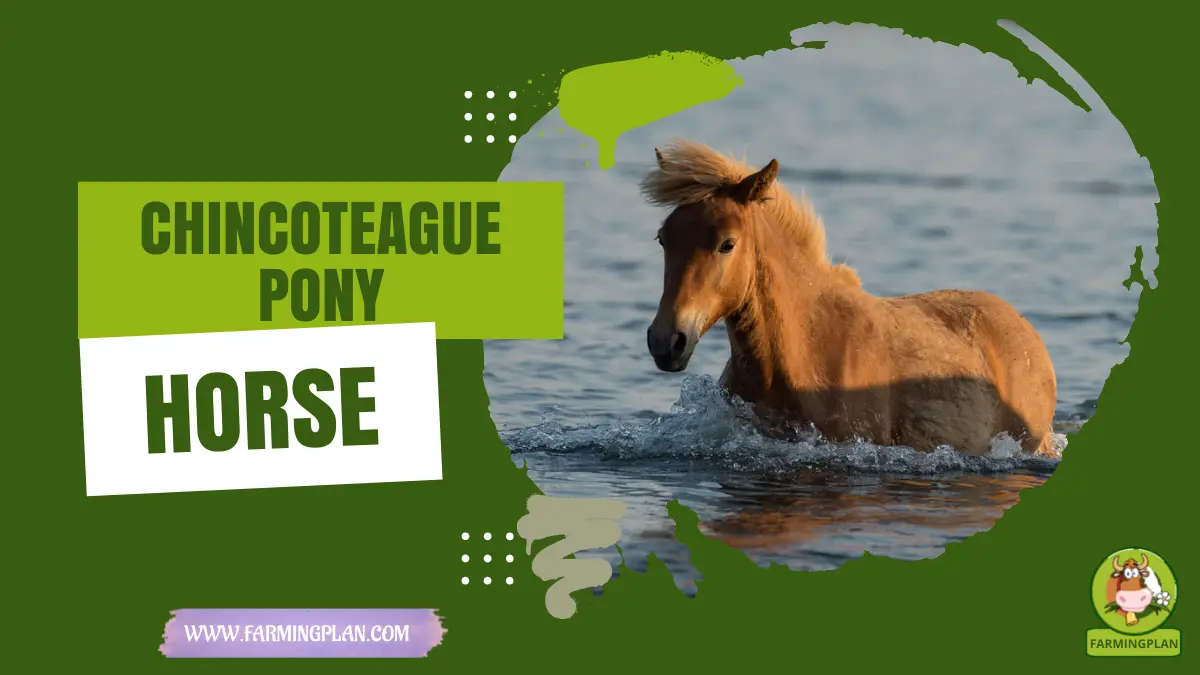
The Chincoteague pony, famously known as the wild pony of Assateague Island, is an iconic American feral equine population forged by over three centuries of natural selection along the storm-swept Atlantic coastline. Living wild amid sand dunes, maritime forests, and tidal salt marshes, these resilient ponies have developed extraordinary physiological adaptations to survive on sparse, sodium-rich coastal vegetation. Proper record-keeping makes breeding and culling decisions easier for Chincoteague Pony keepers.
Each summer, thousands of spectators gather for the historic Chincoteague Pony Swim, where saltwater cowboys round up the herd and swim them across the channel for annual foal auctions to manage island population density. Horse owners seeking tough, gentle family mounts can explore our equine horses management and breed profile collection.
Despite their wild upbringing, domesticated Chincoteague ponies adapt quickly to domestic farmsteads. Their compact size, stocky bone substance, and intelligent problem-solving nature make them outstanding trail mounts, pony club athletes, and driven driving companions.
Generations of harsh island weather have stripped away fragility. With broad hooves that resist rot and thick winter coats that shed coastal rains, the Chincoteague pony thrives where sensitive domestic breeds struggle. Providing adequate space and ventilation prevents common stress issues in Chincoteague Pony.
Physical Characteristics & Breed Standards
The Chincoteague pony displays a sturdy, compact silhouette shaped by feral island existence. Although technically pony-sized by withers height, their skeletal proportions and broad barrel reflect horse conformation rather than classic refined pony lines.
Natural selection prioritized broad ribs, dense cannon bones, and hard, dark hooves capable of navigating soggy tidal marshes and abrasive beach sand without cracking.
Conformation Standards & Anatomical Structure
The head is plain and straight, featuring large, intelligent eyes and small, alert ears that swivel constantly to monitor approaching tides or predators. The neck is short and thick, merging into low withers and a deep, well-sprung chest.
The back is short and broad, supporting a sloping croup with a low tail-set designed to shed wind-driven coastal rains. Legs are short, sturdy, and heavy-boned, featuring clean joints and surprisingly tough, concave hooves that rarely require shoeing. Understanding breed-specific traits helps maximize Chincoteague Pony longevity and output.
Their bellies often appear rounded or ‘pot-bellied,’ a direct physiological adaptation to the massive daily intake of rough, high-fiber marsh grasses and the elevated water consumption needed to flush dietary sodium.
Size, Weight Benchmarks & Color Variations
Mature island-raised ponies typically measure 12.0 to 13.2 hands due to limited island nutrition, weighing 700 to 800 lbs. When raised on domestic farms with optimized feed rations, mature individuals frequently reach 14.0 to 14.2 hands and weigh up to 900 lbs.
Pinto coat patterns dominate the herd, with striking skewbald and piebald markings contrasting against sandy dunes. Solid bays, chestnuts, and blacks also occur commonly throughout the registered studbook. Routine preventive care saves time and lowers veterinary costs for Chincoteague Pony.
Winter coats grow exceptionally dense and woolly, providing complete waterproof insulation against freezing ocean gales and wet snowstorms.
⚡ Chincoteague Pony Performance & Production Matrix
| Evaluation Metric | Breed Standard Benchmark | Homestead / Riding Advantage | Care Consideration |
|---|---|---|---|
| Withers Height | 12.0 – 14.2 hands | Ideal compact mount for youth and small adult riders | Requires pony-sized bridles, saddles, and blankets |
| Hoof Integrity | Extremely Hard, Concave Sole | Outstanding natural barefoot durability on gravel | Requires regular 6-week balance trims to maintain shape |
| Forage Efficiency | Superior ‘Easy Keeper’ | Thrives on basic grass hay with minimal grain inputs | Prone to obesity and laminitis on rich green pastures |
| Island Hardiness | High Wind & Cold Resistance | Survives harsh winter storms without heated barns | Needs shaded run-in sheds during hot summer fly seasons |
| Temperament | Resourceful, Calm, Docile | Quick to bond deeply with gentle, patient handlers | Feral foals require structured foundation gentling |
Breed History, Heritage & North American Development
Legend holds that the Assateague ponies descended from survivors of a seventeenth-century Spanish galleon that wrecked off the Virginia coast while transporting horses to the New World. While naval shipwreck records lend romantic credence to the tale, historical consensus suggests early Virginia planters pastured horses on barrier islands to evade mainland livestock taxes and fencing laws.
Left untamed, the herd adapted to the harsh barrier island ecology, grazing coarse saltmeadow cordgrass, seaside switchgrass, and marsh elder. In 1924, a devastating fire struck Chincoteague town, prompting the newly formed Volunteer Fire Company to formalize the annual pony roundup and auction to raise funds for firefighting equipment.
Marguerite Henry’s classic 1947 novel *Misty of Chincoteague* catapulted the breed into global renown. Today, the herd remains capped at approximately 150 adult breeding equines on the Virginia southern spit, while the Maryland herd is managed as a wildlife preserve by the National Park Service. Matching forage or ration quality to life stage optimizes Chincoteague Pony growth.
Domestic registrations are maintained by the National Chincoteague Pony Association, ensuring pedigree records for auction foals integrated into farms nationwide.
Housing, Shelter Dimensions & Winter Hardiness
Chincoteague ponies do not require luxurious barns, but they do require well-fenced paddocks and dry shelter. A clean, three-sided run-in shed measuring 10×12 feet provides ample protection from freezing winter winds and scorching summer sun.
Stall confinement should be limited; these energetic, free-roaming equines thrive best in dry-lot paddocks with constant access to movement, fresh water, and herd companionship. Gradual dietary transitions protect digestive stability in Chincoteague Pony.
Spatial Density & Enclosure Engineering
Fencing must be exceptionally secure. Feral ponies are brilliant problem solvers with flexible necks and nimble hooves, quickly learning to push through loose wire or unlatched gates. Sturdy four-board wooden fencing or woven horse wire with an electric top wire is recommended.
Stocking density should provide at least one to two acres per pony. However, because lush spring pasture can induce catastrophic founder, manage grazing time using dry-lot sacrifice paddocks or grazing muzzles.
Provide dry bedding such as kiln-dried wood shavings inside run-in shelters, keeping dung picked daily to reduce coastal stable fly breeding.
Nutritional Requirements, Daily Rations & Feeding Protocols
The Chincoteague pony possesses an ultra-efficient metabolism designed to extract maximum nutrition from sparse, fibrous vegetation. Overfeeding rich alfalfa hay or carbohydrate-dense sweet feeds will rapidly trigger equine metabolic syndrome, cresty neck, and founder. Selecting healthy foundation stock is the cornerstone of successful Chincoteague Pony management.
Their baseline diet should consist entirely of mature, moderate-protein (8% to 10%) grass hay such as Timothy, brome, or coastal Bermuda. For comparison with another rugged pony breed, explore our Shetland pony feeding and weight management guide.
Crude Protein Benchmarks Across Life Stages
Domesticated working ponies being ridden or driven regularly require only a low-starch ration balancer supplying essential vitamins, amino acids, and minerals without excess calories.
Clean, fresh water must be available around the clock. Island-adapted ponies drink large volumes of water compared to other breeds. Supply a plain white salt block and free-choice equine trace minerals year-round. Good predator-proofing and dry bedding safeguard Chincoteague Pony comfort in harsh weather.
Soak grass hay for 30 minutes before feeding if testing shows non-structural carbohydrates (NSC) exceeding 10%, particularly for ponies showing pre-diabetic cresty necks.
Health Management, Common Diseases & Biosecurity Standards
Chincoteague ponies are famously robust, possessing remarkable disease resistance and sound legs. However, domestic owners must monitor two key health issues: obesity-induced laminitis and equine pythiosis (‘swamp cancer’).
Pythiosis is a waterborne oomycete infection found in coastal wetlands that causes ulcerated granulomas on lower limbs. Track equine wellness and disease surveillance through the USDA Animal and Plant Health Inspection Service (APHIS).
Biosecurity Protocols & Veterinary Defenses
Establish an annual vaccination schedule covering tetanus, rabies, West Nile virus, and Eastern equine encephalitis. Implement targeted anthelmintic deworming based on quarterly fecal egg count analyses. Monitoring water quality and mineral balance directly benefits Chincoteague Pony vitality.
Farrier maintenance requires a routine trim every six to eight weeks. Because their hooves are dense and tough, barefoot management is ideal for most trail and pleasure ponies when maintained by a skilled farrier.
Schedule annual dental evaluations to float sharp enamel points, especially as ponies age into their twenties.
Breeding Management, Foaling Protocols & Gentling Wild Foals
Wild herd breeding on Assateague Island occurs naturally within harem bands led by dominant stallions, with mares foaling unassisted in spring. In domestic breeding programs, mares demonstrate exceptional fertility and easy foaling across a 335- to 345-day gestation. Practical hands-on husbandry ensures consistent results when raising Chincoteague Pony.
Mares produce rich, antibody-dense colostrum and fiercely protect their foals from threats. For comparative pony breeding insights, examine our profile on the Haflinger horse breeding and mountain care guide.
Foals purchased from the annual July auction require patient, calm ‘gentling’ rather than forceful breaking. Using round-pen join-up techniques, scratching, and quiet treat rewards, wild foals typically halter-break and accept human touch within 72 hours.
Early training should focus on leading, picking up all four feet, standing tied, and calmly accepting grooming brushes before under-saddle schooling begins at age four.
US Ownership Budget & Annual Maintenance Costs
Acquiring a Chincoteague pony through the annual auction or private breeders represents an affordable entry into equine ownership, though ongoing care expenses require realistic long-term planning. Early intervention at the first sign of lethargy protects overall Chincoteague Pony flock or herd health.
The budget schedule below itemizes typical startup auction costs and annual maintenance expenses for keeping a Chincoteague pony on a homestead.
💰 Estimated Annual Budget & Maintenance Costs (USD)
| Budget Category | Item Description & Scope | Initial Capital Outlay | Annual Recurring Expense |
|---|---|---|---|
| Auction / Breeder Purchase | Chincoteague pony auction foal or trained domestic riding pony | $1,500 – $4,500 | $0.00 |
| Tack & Pony Harness | Pony saddle, bridle, halter, leads, and driving harness | $800 – $2,000 | $100 – $200 |
| Tested Grass Hay | 3.0 tons of low-sugar Timothy or Orchard grass hay | $0.00 | $800 – $1,300 |
| Minerals & Ration Balancer | Low-starch amino acid balancer, plain salt, vitamins | $0.00 | $300 – $550 |
| Barefoot Farrier Trimming | Routine 6-week balance trims (8 visits per year) | $0.00 | $400 – $700 |
| Veterinary Care & Vaccines | Annual wellness exams, core vaccines, dental float, Coggins | $0.00 | $350 – $650 |
🧮 Chincoteague Pony Daily Feed & Hay Intake Calculator
Calculate recommended daily dry grass hay (lbs), clean water intake, and estimated monthly forage costs tailored specifically for your Chincoteague Pony.
Frequently Asked Questions (FAQ)
Why do wild Chincoteague ponies appear bloated or fat?
The bloated appearance is caused by their diet of high-fiber salt marsh grasses and large volumes of water consumed to flush excess dietary salt, which creates an enlarged cecum rather than actual body fat.
How big do Chincoteague ponies get when raised on domestic farms?
When raised on domestic farms with optimized nutrition, Chincoteague ponies often grow larger than their wild island ancestors, frequently reaching 14.0 to 14.2 hands and weighing up to 900 lbs.
Are wild auction foals hard to train for riding?
No. Despite being born wild, Chincoteague auction foals are remarkably intelligent and curious. With gentle, patient handling and reward-based desensitization, most foals halter-train within a few days.
Can an adult ride a Chincoteague pony?
Yes. Due to their thick bone density, broad backs, and deep heart girths, larger Chincoteague ponies measuring 13.2 to 14.2 hands can easily carry small- to medium-sized adult riders up to 160-170 lbs.
What is the annual Chincoteague Pony Swim?
Held every July, the Pony Swim is an annual tradition where saltwater cowboys round up the wild Assateague herd and swim them across the channel at slack tide to Chincoteague Island for a foal auction that controls herd numbers.
Expert Verdict & Next Steps for US Homesteaders
The Chincoteague pony is a living symbol of equine resilience, combining the romantic allure of wild coastal heritage with sweet, dependable farm utility. For families seeking an easy-keeping, hardy mount for children or small adults, the Chincoteague excels beyond expectation.
Before acquiring a pony, ensure your pastures have dry-lot grazing control to prevent obesity and founder. Compare related versatile pony breeds by exploring our guide on the American Quarter horse care and riding profile.
📚Agricultural Reference & Scientific Citations
Standards and physiological data referenced in this guide comply with USDA Animal and Plant Health Inspection Service (APHIS), American Veterinary Medical Association (AVMA), and the FAO Domestic Animal Diversity Information System.


