

⚡ Bashkir Duck at a Glance: Key Specifications & Benchmarks
| Scientific Classification | Anas platyrhynchos domesticus (Russian Heritage Waterfowl) |
| Country of Origin | Russia (Blagovarsky breeding farm in the Republic of Bashkortostan) |
| Mature Drake Weight | 7.5 to 9.0 lbs (3.4 to 4.1 kg) muscular, broad-breasted frame |
| Mature Duck Weight | 6.5 to 7.5 lbs (2.9 to 3.4 kg) hardy, robust meat and egg waterfowl |
| Annual Egg Output | 200 to 240 large white or light-tinted eggs per laying cycle |
| Plumage Varieties | Khaki mottled (partridge-like) and Black white-breasted color phases |
| Meat Quality & Yield | Low subcutaneous fat, high lean carcass yield, fine meat texture |
| Cold Climate Hardiness | Thrives in sub-zero continental winters without specialized heated barns |
The Bashkir duck represents an exceptional breakthrough in dual-purpose waterfowl breeding. Developed in the Republic of Bashkortostan, Russia, this cold-hardy breed combines rapid juvenile weight gain, low-fat carcass characteristics, and prolific egg output. For smallholders and commercial producers exploring our poultry and waterfowl guides, Bashkir ducks deliver exceptional feed efficiency across diverse farm setups. Following biosecurity best practices reduces disease risk in any bashkir duck operation.
Unlike standard commercial Pekin ducks that often deposit heavy layers of subcutaneous fat, Bashkir ducks yield lean, tender table meat with fat levels under twenty percent. When raised alongside productive breeds like the Mulard duck, they demonstrate outstanding hardiness, thriving on structured duck feeding programs and well-ventilated predator-proof duck houses.
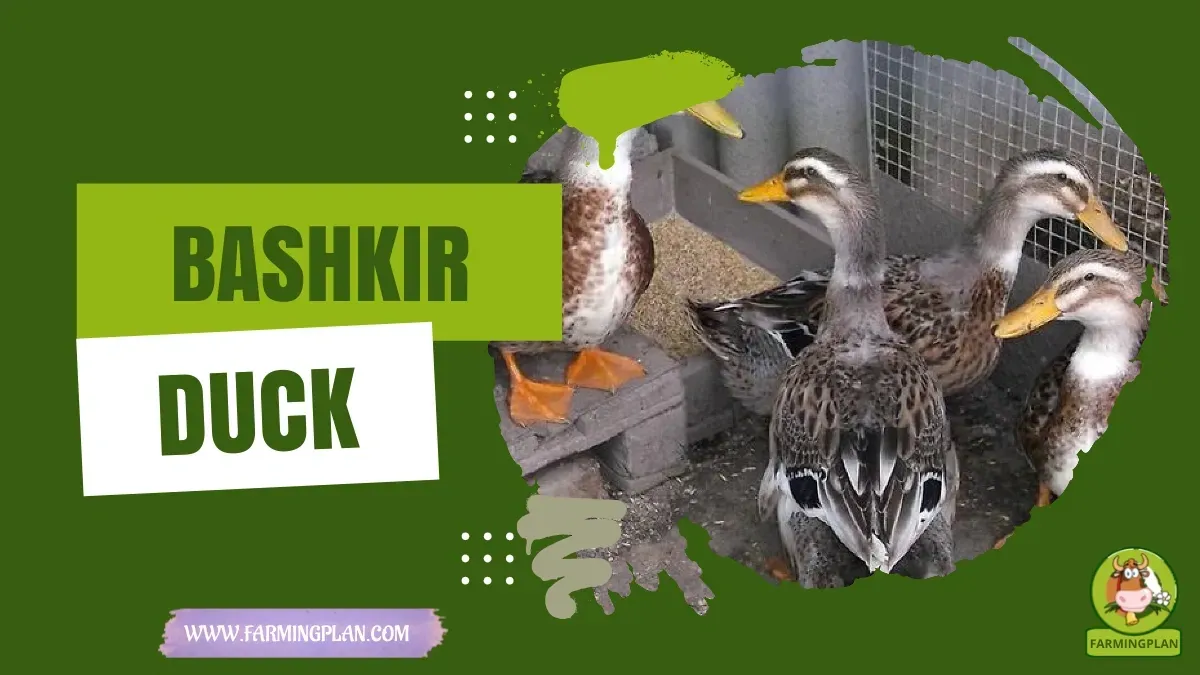
History & Origin of Bashkir Duck
The story of this wonderful bird takes us back to the Volga-Ural region of Russia, specifically to the famous Blagovarsky poultry breeding plant in Bashkortostan. Breeders developed this line by carefully selecting unique mutations discovered within local White Peking duck flocks. The goal was simple: create a bird with rapid growth, excellent meat productivity, and high egg production while keeping the legendary toughness of local farm stock. Seasonal adjustments to shelter and diet keep bashkir duck thriving year-round.
Historical Connections and Spread
The region of Bashkortostan has a rich heritage tied to the Ural Mountains, where the historic Bashkir tribes and Kipchak culture flourished. The local climate requires hardy animals that can thrive during freezing winters and hot summers. Through selective breeding, poultry experts produced a magnificent domestic duck that spread quickly across Russia, North America, and beyond. Today, farmers around the globe cherish these birds for their resilience and high economic return.
Genetic Strength and Popularity
Genetic studies show that these birds retain strong genetic health, making them far easier to manage than delicate rare breeds. They carry a proud lineage that rivals other famous domestic waterfowl like the Muscovy Duck, Indian Runner Duck, and Khaki Campbell. My own experience with them has proven that their historical breeding gives them a clear advantage on any small farm or large Homestead.
Characteristics of Bashkir Duck
When you look at this bird, you immediately notice its robust and muscular frame. A healthy adult male boasts a wide chest, strong back, and well-developed thighs that showcase high meat productivity. Their body weight normally ranges from seven to nine pounds, making them an ideal choice for farm production. Their short, strong legs give them an upright stance, similar to the Indian Runner Duck, yet with far more solid mass. Proper record-keeping makes breeding and culling decisions easier for bashkir duck keepers.
Color Variations and Plumage
These birds feature two primary color patterns that captivate every bird lover. The variety “khaki” presents warm brownish-grey tones that blend nicely into natural farm environments. The variety “black white-breasted” features striking dark feathers with a bright white patch across the chest, echoing the classic look of a juvenile black looney muscovy hen. Their dense plumage protects them from cold winds and water.
Structural Differences from Other Breeds
Unlike the Cairina moschata (Muscovy) with its red, warty facial skin, this bird has a clean, smooth head with a broad orange-yellow beak. Their feathers stay tight and oily, shedding fresh water easily after a swim. Their sturdy build sets them apart from lightweight varieties like the East Indie Duck, Faroese Duck, or French White Duck, granting them an unmistakable presence in the yard.
Nature/Temperament of Bashkir Duck
I always tell new farmers that these birds are a true delight to manage because of their calm and gentle temperament. Unlike skittish Wild Mallard descendants or noisy hybrid offspring, these domestic birds remain quiet and confident around humans. They quickly get used to daily farm routines and often walk right up to you at feeding time with a friendly quack. Providing adequate space and ventilation prevents common stress issues in bashkir duck.
Friendly Interaction with Farm Animals
These birds get along wonderfully with other farm animals, including chickens, geese, and other domestic waterfowl like the German Pekin Duck or Gressingham Duck. They rarely display aggressive behavior, which makes them perfect for mixed-flock homesteads. Their steady demeanor means they waste very little energy on stress, channeling their calories into healthy growth and egg laying instead.
Adaptability for Owners
Whether you are a beginner or an experienced breeder, you will appreciate how easy they are to train. They enter their night coops without much coaxing and adapt well to both small backyards and sprawling pastures. Their social nature means they love staying in small groups, bringing a lively, cheerful atmosphere to your homestead every single morning.
Food & Diet of Bashkir Duck
To keep your flock thriving, you must feed them a well-balanced diet rich in protein and nutrients. Young ducklings require a high-protein starter feed to support rapid muscle growth and bone development. As they mature, transition them to a commercial compound feed formulated specifically for waterfowl, supplementing with whole grains like wheat, corn, and barley. Understanding breed-specific traits helps maximize bashkir duck longevity and output.
Healthy Greens of Bashkir Duck
These birds love foraging for fresh green food across the pasture. I recommend offering them fresh clover, chopped cabbage, and shredded beet tops as healthy treats. These greens supply natural vitamin A and vital omega acids that boost immunity and improve egg quality. Providing a dish of grain rub mixed with fresh greens keeps their digestive system working perfectly.
Essential Dietary Dos and Don’ts
Always make sure your flock has unlimited access to clean fresh water alongside their feed bowl, as ducks need water to wash down every mouthful. Never feed them moldy grain, processed bread, or salty snacks, as these cause severe digestive blockage. Adding clean grit and crushed oyster shells to their feeding area guarantees proper digestion and strong eggshell formation.
Usage/Purpose of Bashkir Duck
Farmers around the world value this breed for its rapid growth rate and high-quality meat. Chicks reach commercial market weight in just seven to eight weeks when fed proper rations. Their duck meat is tender, juicy, and significantly leaner than standard White Peking duck meat, making it a high-value item for farm-to-table sales or personal family meals. Routine preventive care saves time and lowers veterinary costs for bashkir duck.
Impressive Egg-Laying Capabilities
Do not underestimate their egg production! A healthy hen lays between 200 and 230 large eggs every year under good management. Their eggs feature strong shells and rich yolks, perfect for culinary baking or incubation. Their high fertility rate makes them a dream breed for homesteaders who want to maintain a self-sustaining flock without constantly buying new stock.
Hybridization and Crossbreeding
Thanks to their sturdy genetics, breeders frequently use this duck in crossbreeding programs. Crossing them with other meat breeds produces fast-growing mulard hybrids known for exceptional live weight. Whether you raise them for meat, eggs, or breeding stock, these birds offer an unbeatable return on your time and financial investment.
Special Features of Bashkir Duck
One of the most remarkable traits of this breed is its incredible cold tolerance. Originating near the Ural Mountains, these birds handle freezing temperatures, snow, and rain without dropping their egg performance or losing weight. Their thick down layer keeps them warm and dry during harsh winter storms that force other birds indoors. Matching forage or ration quality to life stage optimizes bashkir duck growth.
Strong Natural Immunity
These ducks possess natural disease resistance that saves farmers significant money on medicine and treatments. They rarely contract common waterfowl infections if you keep their coop dry and clean. Their hardy constitution allows them to thrive in basic outdoor housing without complex climate control systems.
High Feed Conversion Efficiency
These birds convert feed into body weight and eggs faster than almost any other heritage duck. Their efficient metabolism allows them to grow rapidly on basic whole grains, pasture grasses, and simple compound feed. This impressive conversion efficiency makes them one of the most profitable duck breeds available to modern small-scale poultry producers.
Health Issues & Prevention of Bashkir Duck
While naturally hardy, these birds can still face health challenges if kept in poor conditions. Bacterial infections, parasite infestations, and foot problems like bumblefoot can happen when bedding stays wet and dirty. Respiratory issues may arise if coops lack proper ventilation, leading to ammonia buildup from accumulated manure. Healthy birds exhibit bright eyes, smooth plumage, and active foraging behavior. If a bird appears sluggish, separates from the flock, or stops eating, isolate it immediately in a quiet quarantine pen for direct treatment and care. Gradual dietary transitions protect digestive stability in bashkir duck.
Essential Preventive Steps
Prevention is always better than cure on the farm. Schedule timely vaccination protocols for your ducklings to guard against duck viral hepatitis and cholera. Keep night pens clean by replacing damp straw regularly with dry wood shavings. Clean all fresh water troughs daily to prevent slime build-up and disease transmission. Check your flock every morning while feeding to spot health problems early.
🦆 Bashkir Duck Flock Feed & Water Intake Calculator
Estimate daily balanced feed (lbs), fresh drinking/rinsing water requirements (Gal), indoor shelter, and monthly 50-lb feed bags for your Bashkir Duck flock.
Frequently Asked Questions (FAQ)
Where did the Bashkir duck originate?
The Bashkir duck was developed in the late 20th century at the Blagovarsky state breeding plant in the Republic of Bashkortostan, Russia, as a spontaneous color mutation and enhanced utility line of the Pekin duck.
What are the main color varieties of Bashkir ducks?
Bashkir ducks come in two primary color patterns: the mottled khaki (partridge) phase featuring wild-mallard-like feather penciling, and the black white-breasted variety characterized by jet-black plumage with a snowy white chest patch.
How many eggs do Bashkir ducks lay per year?
A well-fed Bashkir duck hen lays between 200 and 240 large eggs annually. They possess strong laying persistence across seasonal temperature swings.
How lean is the meat of a Bashkir duck?
Unlike traditional commercial Pekin ducks that carry heavy subcutaneous fat layers, Bashkir duck meat is significantly leaner, with fat levels averaging below 20%, resulting in succulent, fine-grained table meat.
Are Bashkir ducks hardy in sub-zero freezing climates?
Yes, bred specifically for Russian winters, Bashkir ducks possess exceptional cold resilience. They comfortably forage in snowy outdoor runs provided they have clean, dry bedding and ice-free drinking water.
Protecting waterfowl flocks from environmental pathogens requires vigilant biosecurity and water sanitation. By establishing clean foraging paddocks and learning to identify common duck diseases and health treatments, farm managers guarantee high productivity and long-term vitality for their Bashkir waterfowl herds.
📚Agricultural Reference & Scientific Citations
Standards and physiological data referenced in this guide comply with American Poultry Association (APA), The Livestock Conservancy, and USDA APHIS Avian Biosecurity Standards.


