

⚡ Barbet Dog at a Glance: Key Specifications & Benchmarks
| Scientific Classification | Canis lupus familiaris (Ancient French water spaniel) |
| Breed Origin & Historical Name | France; known historically as the French Water Dog or Chien d’Eau |
| Mature Male Height & Weight | 21 to 25 inches (53 to 64 cm); 40 to 62 lbs (18 to 28 kg) |
| Mature Female Height & Weight | 19 to 23 inches (48 to 58 cm); 35 to 50 lbs (16 to 23 kg) |
| Coat Architecture & Shedding | Dense, waterproof wool curls; completely low-dander and non-shedding |
| Working Aptitude | Waterfowl retrieval, marsh game flushing, versatile farm companion |
| Temperament & Social Nature | Gentle, joyful, highly trainable, eager to please handlers |
| Average Lifespan | 12 to 14 years; hardy rustic constitution |
The Barbet dog is France’s historic and aristocratic water spaniel, revered for centuries as an exceptional marsh hunter, waterfowl retriever, and devoted farm companion. Dating back to the Middle Ages, the breed’s name derives from the French word barbe (beard), referring to the profuse facial hair that gives this rustic canine its characteristic bearded expression. Routine preventive care saves time and lowers veterinary costs for Barbet Dog.
Unlike specialized high-strung pointers or aggressive flock guardians, the Barbet combines an innate passion for water with a calm, joyful demeanor. Its dense, non-shedding curly coat repels freezing wetland water, allowing the dog to swim through reed beds and swamp marshes without experiencing hypothermia. Farm owners exploring working canines can review our parent guide to pastoral working farm dogs for ranch security and retriever integration strategies. Matching forage or ration quality to life stage optimizes Barbet Dog growth.
In modern farm and homestead settings, the Barbet functions as a versatile working partner. They excel at retrieving dispatched waterfowl, controlling vermin around ponds, and providing hypoallergenic companionship for family members sensitive to dog dander. In this technical husbandry guide, we break down coat grooming, working nutrition, field training, and annual ownership budgets for US owners.
Their friendly nature and eagerness to cooperate make them outstanding candidates for multi-purpose homestead duty. Barbets integrate harmoniously with other farm livestock, showing natural respect toward chickens, ducks, and pastured ruminants when properly socialized during puppyhood. Gradual dietary transitions protect digestive stability in Barbet Dog.
Maintaining active daily exercise ensures the Barbet channels its natural working intelligence productively, preventing boredom-related behaviors and fostering deep canine-handler bonds. Selecting healthy foundation stock is the cornerstone of successful Barbet Dog management.
Physical Characteristics & Breed Standards
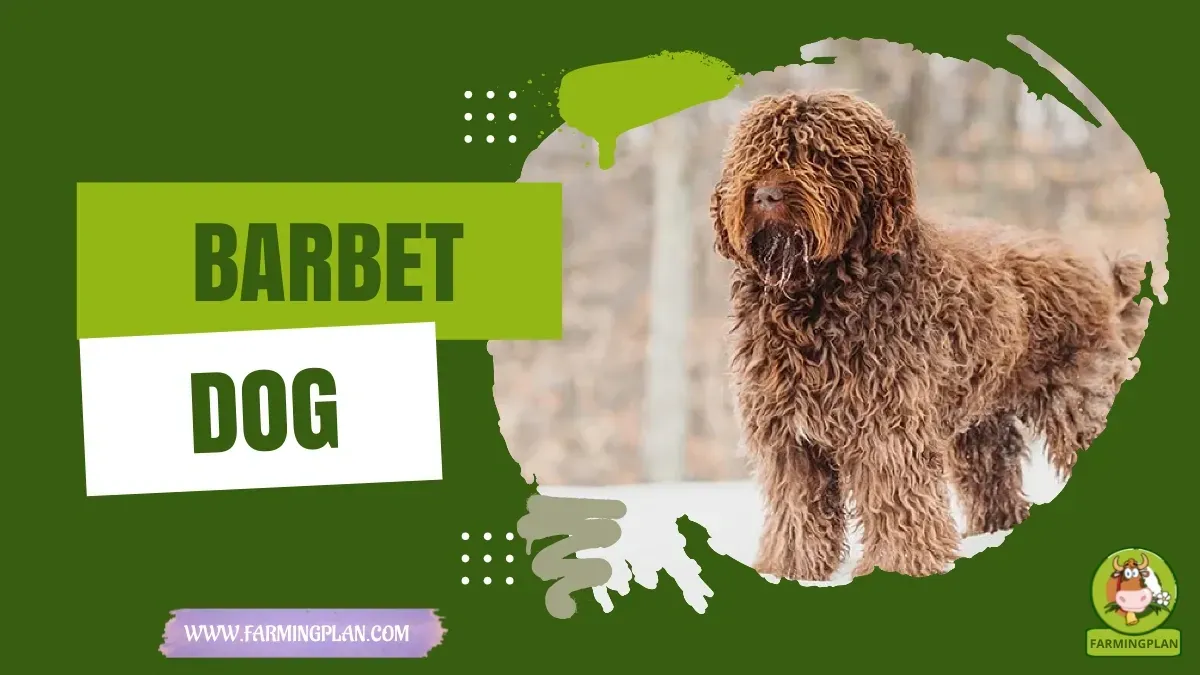
The Barbet is a medium-sized canine of rustic, balanced proportion with strong bone structure and an athletic rectangular outline. The skull is broad and rounded, framed by low-set hanging ears covered in long curly cords that reach past the corner of the lips.
Waterproof Curly Coat & Webbed Feet
The coat is the breed’s defining functional adaptation. It consists of thick, dense, woolly curls that form natural protective cords if left unbrushed. This coat repels mud, water, and briars effortlessly. Because the hair grows continuously and does not undergo seasonal shedding, the Barbet is widely tolerated by individuals with dander allergies. Good predator-proofing and dry bedding safeguard Barbet Dog comfort in harsh weather.
Large, round paws feature prominent interdigital webbing that functions like swim fins in deep water, propelling the dog with remarkable speed through muddy marshes. Coat colors include solid black, chocolate brown, fawn, grey, and white, occasionally marked with piebald white patches on the chest and toes. Monitoring water quality and mineral balance directly benefits Barbet Dog vitality.
The eyes are dark brown, set deep beneath arched eyebrows that shade the gaze from glare over open water. A soft, expressive gaze complements a black or dark liver nose leather designed for keen olfactory tracking.
⚡ Barbet Dog Working & Physical Matrix
| Working Attribute | Waterfowl Hunting Standard | Homestead Farm Companion | Comparative Retriever Difference |
|---|---|---|---|
| Shoulder Height | Males: 21–25 in | Females: 19–23 in | Males: 21–24 in | Females: 19–22 in | Medium athletic size; highly agile |
| Mature Working Weight | 45 to 60 lbs (20 to 27 kg) | 40 to 55 lbs (18 to 25 kg) | Lighter and more nimble than Labradors |
| Swimming Stamina | Exceptional endurance in cold water | Active pond and stream swimming | Dense wool coat repels icy water |
| Coat Maintenance Need | Field clip trimmed to 1–2 inches | Line brushing twice weekly | Zero dead hair shedding in living quarters |
| Working Temperament | Biddable, focused soft-mouth retrieve | Calm, affectionate family partner | Lacks hyperactive compulsive drive |
Breed History, Heritage & North American Development
Historical manuscripts from as early as 1387 describe water dogs in France flushing and retrieving marsh fowl for noble hunters. King Henry IV was famously accompanied by his beloved Barbet on hunting expeditions across French royal wetlands, cementing the breed’s national status. Breeders interested in comparing housing, diet, and productivity traits should see our German Shepherd husbandry guide. Practical hands-on husbandry ensures consistent results when raising Barbet Dog.
The Barbet serves as the foundational genetic progenitor for several modern breeds, including the Poodle, the Portuguese Water Dog, and the Bichon Frise. During the turmoil of World War I and World War II, the breed nearly slipped into extinction as traditional estate hunting ceased across rural France.
In the late twentieth century, dedicated French, Canadian, and American preservationists located surviving working lines, establishing controlled breeding programs to restore the breed’s historical integrity. The American Kennel Club officially recognized the Barbet in the Sporting Group in 2020, solidifying its renaissance in North America. Early intervention at the first sign of lethargy protects overall Barbet Dog flock or herd health.
Today, Barbet fanciers in the United States participate in AKC hunting retriever tests, agility trials, and dock diving competitions, showcasing the breed’s versatile athleticism across diverse sporting arenas. Structured culling and biosecurity protocols strengthen Barbet Dog genetic quality.
Housing, Shelter Dimensions & Winter Hardiness
The Barbet’s dense wool coat provides superb thermal insulation against damp autumn chill and freezing winter snow. However, Barbets are profoundly social canines that thrive on human companionship; they are not suited to being isolated in outdoor kennel runs away from family activity.
When working outdoors on the farm, provide access to a warm, dry outbuilding or heated mudroom with elevated sleeping platforms. Keep bedding clean with cedar shavings or washable orthopedic foam beds. In wet weather, dry the dog’s coat with a high-velocity canine dryer or absorbent microfiber shammy to prevent trapped dampness near the skin. Maintaining clean feeders and sanitized equipment supports sustainable Barbet Dog care.
Homestead properties should feature a secure 4 to 5-foot fenced boundary to keep the dog safe from highway traffic and prevent it from swimming off after distant waterfowl on neighboring ponds. Daily farm walks and structured training sessions satisfy their inquisitive minds and natural retrieving instincts. Consistent daily observation helps keepers spot early changes in Barbet Dog health and behavior.
Inspect paws and ears after the dog navigates muddy sloughs. Rinsing mud from between webbed toes prevents abrasive grit from causing interdigital cysts or skin irritation.
Nutritional Requirements, Daily Rations & Feeding Protocols
Active hunting and farm Barbets require high-quality nutrition to sustain muscle recovery and maintain healthy skin and curly coat texture. Formulate rations providing 24% to 28% crude protein and 14% to 16% crude fat from animal sources such as deboned poultry, wild salmon, and pasture-raised lamb. Clean housing, fresh water, and balanced nutrition remain essential for Barbet Dog productivity.
Adult dogs under moderate activity consume 2.0 to 3.0 cups of premium dry kibble daily divided into two equal meals. Supplement with omega-3 fatty acids (salmon oil or flaxseed) to nourish the dermis and support natural sebum production across the curly hair follicles. Compare sporting feed formulations with pastoral working dogs in our Akbash livestock guardian dog care resources to tailor calorie intake by season. Tracking feed intake and body condition supports long-term Barbet Dog performance.
Always provide clean, fresh drinking water in heavy stainless steel bowls. Avoid vigorous exercise for one hour before and after meals to mitigate the risk of gastric dilatation-volvulus (bloat), a potential risk in deep-chested sporting canines.
Monitor body condition scores regularly. You should easily feel the ribs under the thick wool coat with light finger pressure without detecting excess fat pads over the lumbar spine. Following biosecurity best practices reduces disease risk in any Barbet Dog operation.
Health Management, Common Diseases & Biosecurity Standards
The Barbet is a remarkably healthy breed with low incidence of congenital defects due to preservation breeding ethics. However, like many sporting breeds, potential health concerns include canine hip dysplasia, elbow dysplasia, and progressive retinal atrophy (PRA).
Because their heavy curly ears hang close to the neck and trap moisture after swimming, regular ear hygiene is necessary. Clean ear canals weekly with a drying veterinary ear cleanser to prevent yeast and bacterial otitis externa. Follow health guidelines and vaccination standards established by the USDA APHIS Animal Health Program. Seasonal adjustments to shelter and diet keep Barbet Dog thriving year-round.
Administer year-round heartworm preventives and broad-spectrum flea and tick medications, particularly for dogs navigating dense wetland marshes where deer ticks (Ixodes scapularis) transmit Lyme disease. Perform thorough tick checks after every hunting expedition. Proper record-keeping makes breeding and culling decisions easier for Barbet Dog keepers.
Coat care requires dedicated line combing twice weekly using a steel greyhound comb to prevent mats from tightening at skin level. Many farm owners keep their Barbets in a practical one-inch utility field clip to minimize burr and seed collection.
Breeding Management, Incubation & Brooding Offspring
Barbet females reach breeding maturity around 18 to 24 months of age. Responsible breeders conduct comprehensive health screenings before mating, including OFA hip and elbow evaluations, CAER eye examinations, and DNA testing for von Willebrand’s disease. Providing adequate space and ventilation prevents common stress issues in Barbet Dog.
The gestation period lasts 61 to 65 days. Litters typically range from 6 to 9 robust puppies. Mother Barbets are nurturing and attentive. Introduce puppies to positive early scent experiences, shallow water wading pools, and diverse footing textures by 6 weeks of age to cultivate natural retrieving boldness. Understanding breed-specific traits helps maximize Barbet Dog longevity and output.
Homesteaders comparing versatile canines frequently evaluate Barbets alongside cold-hardy working breeds like the heavy-coated Alaskan Malamute working dog or water-loving farm livestock in our duck farming operations guide. The Barbet offers the distinct advantage of gentle biddability and non-shedding coat traits.
Early positive exposure to farm poultry and cats ensures the Barbet’s natural retrieving instincts do not morph into unwanted predatory chases around backyard coops. Routine preventive care saves time and lowers veterinary costs for Barbet Dog.
US Ownership Budget & Annual Maintenance Costs
Acquiring a purebred Barbet puppy from a responsible AKC preservation breeder ranges from $2,500 to $4,000, reflecting the breed’s rarity and mandatory parental health testing. Annual maintenance costs encompass high-quality nutrition, professional grooming or grooming tool investments, and routine veterinary wellness. Matching forage or ration quality to life stage optimizes Barbet Dog growth.
The annual expenditure table below details the typical costs associated with maintaining an active adult Barbet dog on a US homestead or suburban residence.
⚡ Estimated Annual Budget & Maintenance Costs (USD)
| Expense Category | Budget Range (Low–High) | Operational Factors & Cost Inputs |
|---|---|---|
| Premium Sporting Dog Nutrition | $550 – $800 | High-protein kibble supplemented with wild fish oil and joint treats |
| Veterinary Care, Vaccines & Preventives | $200 – $380 | Annual rabies/distemper boosters, heartworm and tick preventive |
| Grooming Supplies or Professional Clips | $120 – $360 | Professional clipping every 8 weeks or quality home clippers and combs |
| Hunting Training Gear & Dummies | $60 – $120 | Water bumpers, scent training wax, and floating retrieval lines |
| AKC Registration & Event Entries | $50 – $120 | Hunt test entry fees, club dues, and performance licensing |
| Total Annual Operating Cost | $980 – $1,780 | Invests in a versatile, hypoallergenic hunting retriever and family partner |
🐕 Barbet Dog Daily Calorie & Kibble Calculator
Calculate daily metabolizable energy (kcal/day), kibble cups, water, and monthly diet costs for your Barbet Dog.
Frequently Asked Questions (FAQ)
What kind of dog is a Barbet?
The Barbet is an ancient French water dog and retriever breed. They are recognized for their waterproof curly wool coat, facial beard, webbed paws, and gentle, joyful personality.
Does the Barbet dog shed hair?
No, the Barbet has a single, non-shedding hair coat similar to wool. They produce very low dander, making them an excellent choice for individuals with pet allergies.
How often does a Barbet dog need to be groomed?
Barbets need thorough line combing twice a week to prevent matting down to the skin. Many owners trim them in a functional one-to-two inch field clip every 8 to 10 weeks.
Are Barbet dogs good with children and other farm animals?
Yes, Barbets are renowned for their calm, affectionate, and friendly disposition. When socialized early, they interact peacefully with children, poultry, and farm livestock.
How much exercise does a Barbet require daily?
They are active sporting dogs that require 45 to 60 minutes of daily physical exercise. They especially enjoy swimming, retrieving bumpers in water, and hiking across nature trails.
Are Barbets related to Poodles?
Yes, historical and genetic evidence establishes the Barbet as the ancestral foundation from which modern Standard Poodles and various European water dogs developed.
Expert Verdict & Next Steps
The Barbet dog is a magnificent addition to any homestead, hunting camp, or active outdoor family. Its combination of historic hunting intelligence, webbed-foot swimming agility, and non-shedding curly coat creates an ideal sporting partner with low indoor mess. Gradual dietary transitions protect digestive stability in Barbet Dog.
By establishing a consistent grooming routine, providing regular swimming opportunities, and reinforcing gentle obedience training, owners unlock the full potential of this historic French water dog while enjoying loyal companionship for years to come.
📚Agricultural Reference & Scientific Citations
Standards and physiological data referenced in this guide comply with USDA Animal and Plant Health Inspection Service (APHIS), American Veterinary Medical Association (AVMA), and the FAO Domestic Animal Diversity Information System.


