

⚡ Barb Pigeon at a Glance: Key Specifications & Benchmarks
| Breed Classification | Wattle / Fancy Exhibition Pigeon (One of the oldest recorded fancy breeds) |
| Historical Lineage | Barbary Coast (North Africa) via Spain to England (documented since 1600) |
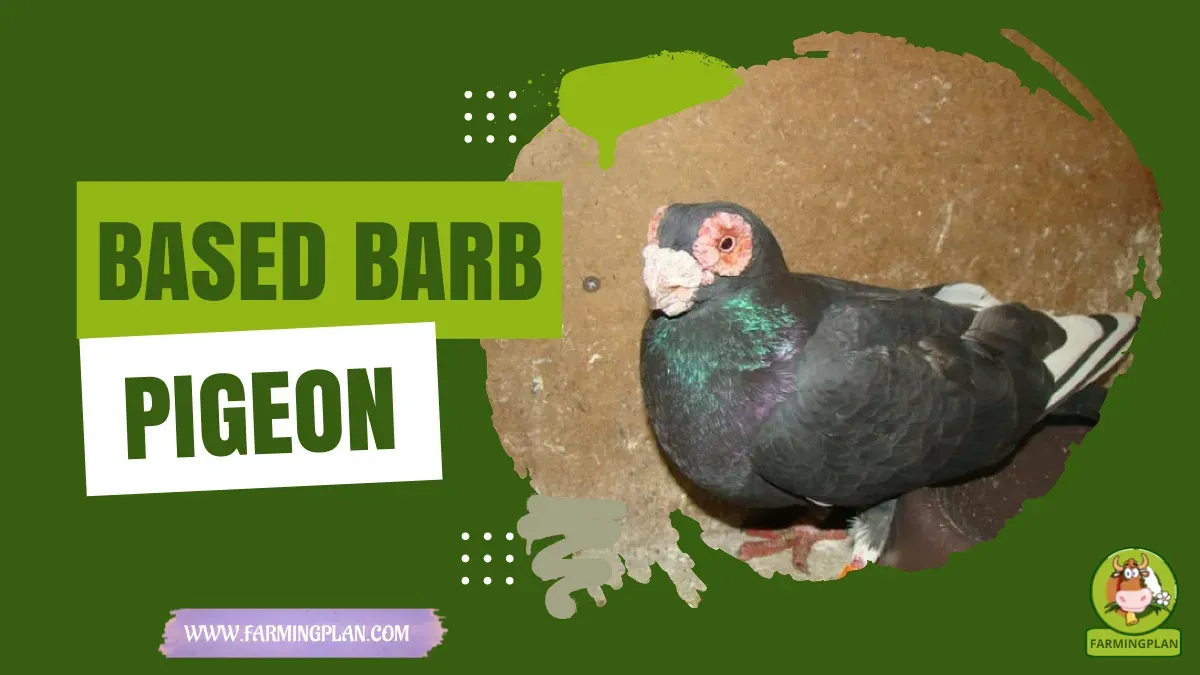
| Defining Characteristic | Large, fleshy, bright coral-red eye ceres and heavy walnut beak wattle |
| Head Architecture | Broad, short skull with wide flat crown and thick, blunt beak |
| Average Adult Weight | 13 to 15 oz (370 to 430 grams) compact, muscular body carriage |
| Flight Capability | Moderate fluttering; best kept in predator-proof enclosed aviaries |
| Average Lifespan | 10 to 14 years under sound aviary sanitation and nutrition |
| Husbandry Specialization | Requires eye hygiene and occasional foster parents (homers) for squab rearing |
The Barb pigeon is one of the most venerable, ancient, and distinctive fancy pigeon breeds in recorded avicultural history. Originating along the Barbary Coast of North Africa and introduced into Western Europe through Mediterranean trade routes during the sixteenth century, the Barb captured the fascination of royal naturalists, master pigeon fanciers, and literary icons—earning immortal mention in William Shakespeare’s As You Like It as a symbol of jealous passion. Following biosecurity best practices reduces disease risk in any Barb Pigeon operation.
For homesteaders and bird enthusiasts exploring our homestead poultry and aviary profiles, the Barb offers an extraordinary living connection to classical aviculture. With its broad, bull-headed skull, heavy walnut beak wattle, and magnificent concentric rings of coral-red eye wattles, the Barb possesses a sculptural, dignified presence in the garden aviary.
Beyond its striking exhibition appearance, the Barb is celebrated for its calm, gentle, and docile temperament. However, their specialized cranial anatomy requires knowledgeable loft management. The thick fleshy eye ceres that make the breed famous can trap loft dust and dander, demanding vigilant ocular hygiene and dry, draft-free aviary design. Seasonal adjustments to shelter and diet keep Barb Pigeon thriving year-round.
Understanding the specialized housing fixtures, feed hopper guards, and breeding methodologies necessary for this historic structure pigeon ensures long-term flock vitality. In this comprehensive husbandry handbook, we explore the Barb pigeon’s classical heritage, anatomical exhibition benchmarks, loft blueprints, nutritional protocols, and foster breeding techniques to support successful avicultural management.
⚡ Barb Pigeon Breed Guide Performance & Exhibition Standards Matrix
| Metric & Trait | Standard Benchmark | Exhibition / Breeding Range |
|---|---|---|
| Adult Body Weight | 12–16 oz (340–450 g) | Medium, cobby frame standard |
| Feather Crest / Rosette Diameter | 2.5–3.5 inches | Fully circular, symmetrical placement |
| Clutch Frequency | 4–6 clutches per year | 2 eggs per clutch (17–19 day incubation) |
| Feed Conversion Efficiency | 1.2–1.8 oz daily grain mix | High digestibility on 15% CP seed mix |
| Loft Flight & Temperament | Docile, aviary-adapted | Calm exhibition demeanor |
| Lifespan in Managed Loft | 10–14 years | Sound genetics under dry ventilation |
Deep Historical Roots & Classical Renaissance Fame
Historical documentation confirms that the Barb pigeon was cultivated across North Africa and Moorish Spain long before arriving in England. In 1599, William Shakespeare wrote in As You Like It: “I will be more jealous of thee than a Barbary cock-pigeon over his hen,” proving the breed was widely recognized in Elizabethan England for its vigorous courtship displays. Proper record-keeping makes breeding and culling decisions easier for Barb Pigeon keepers.
During the nineteenth century, Charles Darwin kept and bred Barb pigeons extensively at his Down House estate while researching The Origin of Species. Darwin was captivated by how selective breeding could shorten the columbid beak while dramatically expanding fleshy skull wattles, utilizing the Barb as a prime example of phenotypic transformation under artificial selection.
In 1876, John Moore published the first dedicated English pigeon treatise, describing the Barb as an ancient breed of high esteem. The National Pigeon Association (NPA) in the United States and European columbid registries continue to codify the Barb’s strict exhibition standards today. Providing adequate space and ventilation prevents common stress issues in Barb Pigeon.
Much like our detailed study on the magnificent Jacobin pigeon breed profile, the Barb represents centuries of dedicated pedigree preservation.
⚡ Anatomical Features of the Exhibition Barb Pigeon
| Cranial Feature | Exhibition Conformation Standard | Avicultural Management Focus |
|---|---|---|
| Eye Ceres (Wattles) | Large, circular, coral-red concentric rings encircling white pearl eye | Requires clean dust-free loft; periodic warm saline eye wipes |
| Beak Wattle | Broad, rounded walnut-shaped fleshy wattle across upper mandible | Inspect periodically for feather dust and feed accumulation |
| Skull Architecture | Short, exceptionally wide, flat square crown with parallel sides | Provides dignified bulldog-like profile; key show evaluation point |
| Beak Structure | Short, thick, blunt, and stoutly built; close fitting mandibles | May require foster parents (homers) to feed newly hatched squabs |
Physical Attributes & Breed Conformation Standards
The Barb pigeon is a medium-sized bird weighing between 13 and 15 ounces (370 to 430 grams), possessing a compact, muscular, and low-slung body that conveys substance and power. The chest is broad and deep, the neck short and thick, and the unfeathered legs clean and bright coral-red. Understanding breed-specific traits helps maximize Barb Pigeon longevity and output.
Concentric Red Eye Ceres & The Broad Skull
The head is the defining glory of the Barb. The skull is short, wide, and flat on top, presenting a square, blocky appearance when viewed from any angle. The beak is remarkably short, thick, and blunt, capped by a medium-sized walnut-shaped wattle that does not project above the crown line.
The eyes are pearl-white, encircled by magnificent, thick, fleshy ceres that develop into circular, coral-red concentric rings standing well out from the skull. In mature birds at two to three years of age, these ceres can reach the size of a five-cent coin. Recognized colors include solid black, rich red, clear yellow, pristine white, and dun. Routine preventive care saves time and lowers veterinary costs for Barb Pigeon.
Behavioral Traits, Temperament & Working Instincts
In temperament, Barb pigeons are docile, placid, and serene. They do not startle easily like wild rock doves, adjusting quickly to calm caretakers who move quietly in the loft. They co-exist harmoniously with other gentle fancy breeds in mixed aviaries, displaying minimal squabbling when given ample perch space.
Their flight ability is modest and fluttering due to their heavy, compact body mass. They prefer walking across aviary floors and hopping between broad, low perches. They must never be permitted to free-fly outside, as airborne raptors easily target these slow, eye-wattled birds. Matching forage or ration quality to life stage optimizes Barb Pigeon growth.
Nutritional Requirements & Feeding Protocols
Maintaining the vibrant coral-red pigmentation and muscular condition of a Barb requires high-protein nutrition rich in carotenoids and essential trace minerals. A premier commercial pigeon grain mix containing 14 to 16 percent crude protein forms the cornerstone of daily feeding.
Provide a balanced blend of field peas, safflower seeds, red milo, hard red wheat, and small amounts of cracked corn. Insoluble pigeon mineral grit containing crushed oyster shell, charcoal, and salt must be freely accessible to facilitate muscular gizzard digestion and supply calcium. Clean water supplemented twice weekly with avian multivitamins maintains peak immune vitality. Gradual dietary transitions protect digestive stability in Barb Pigeon.
Waterers and feed hoppers should be fitted with narrow wire guards to prevent the bird’s fleshy facial ceres from scraping against rough metallic edges. Providing fresh greens like chopped dandelion greens or clover once weekly supplies natural dietary carotenoids that enhance the vivid scarlet hue of the eye wattles.
During the annual autumn molt, increasing crude protein to roughly 17 to 18 percent by supplementing feed with black oil sunflower seeds, raw hulled oats, and hemp seed supports rapid feather regeneration. This fortified nutrition ensures that wing flights and tail rectrices develop dense, glossy feather vanes capable of withstanding seasonal temperature drops. Selecting healthy foundation stock is the cornerstone of successful Barb Pigeon management.
Housing, Space Requirements & Habitat Setup
Housing Barb pigeons requires clean, dry aviaries protected from damp drafts and airborne predators. Enclose flight areas with half-inch galvanized hardware cloth to exclude mice, rats, and raccoons. Floor surfaces bedded with coarse river sand or kiln-dried pine shavings keep plumage clean and dry.
Loft perches must be flat box shelves measuring at least 5 to 6 inches wide rather than narrow round dowels. Because heavy eye ceres can collect water droplets, use low-profile waterers with narrow drinking slots to keep facial skin dry and prevent bacterial eye irritation. If you are balancing utility output and herd resilience, take a look at our Bango Pigeon reference guide. Good predator-proofing and dry bedding safeguard Barb Pigeon comfort in harsh weather.
Common Health Issues, Genetics & Preventative Care
The Barb is a resilient breed with a lifespan of 10 to 14 years in hygienic aviaries. The primary clinical vulnerability involves the eye ceres: dust and moisture can trigger conjunctivitis and eye colds if lofts are damp or poorly ventilated. Keep eye ceres clean by wiping with warm saline solution when necessary.
Maintain standard columbid health protocols against trichomoniasis (canker), coccidiosis, and pigeon pox. Annual vaccination against pigeon paramyxovirus (PMV-1) is mandatory for exhibition flock safety. Monitoring water quality and mineral balance directly benefits Barb Pigeon vitality.
Training, Exercise & Handling Methodologies
Conditioning Barbs for exhibition involves gentle handling and brief daily sessions in wire show training cages. This acclimates young birds to human presence, teaching them to stand proudly and display their broad cranial structure before judges.
Aviculturists should practice daily hand-taming by offering safflower seeds or Spanish lentils directly from open palms. Establishing this mutual trust eliminates flighty flutter behaviors, ensuring the birds remain relaxed during intense show hall inspections and close feather assessments. Practical hands-on husbandry ensures consistent results when raising Barb Pigeon.
Provide shallow bathing pans twice weekly on sunny mornings. Bathing cleanses feather dust and stimulates preening, enhancing the bird’s natural plumage bloom. Always discard bath water after two hours to prevent birds from drinking fouled wash water.
In addition, loft managers should monitor perch spacing carefully during conditioning. Providing individual resting cubicles prevents dominant cocks from pecking at the sensitive eye wattles of younger flock members, preserving the smooth coral-red contours required for championship exhibition honors. Early intervention at the first sign of lethargy protects overall Barb Pigeon flock or herd health.
Breeding, Genetics & Lifecycle Management
Breeding Barb pigeons requires careful management. Because the Barb’s short, blunt beak can make it challenging for parent birds to feed newly hatched squabs crop milk accurately, many experienced fanciers utilize foster parents. Eggs are transferred to dependable racing homers who hatch and rear the squabs to weaning with high success.
Eye ceres and beak wattles develop gradually, continuing to grow and deepen in color over the bird’s first three years of life. Fanciers should evaluate show potential based on skull width and beak thickness during the first year, allowing wattles to mature naturally. Structured culling and biosecurity protocols strengthen Barb Pigeon genetic quality.
⚡ Estimated Annual Budget & Aviary Maintenance Costs (USD)
| Expense Category | Annual Cost Range (USD) | Operational Management Notes |
|---|---|---|
| Pedigree Seed & Grain Blends | 0 – 0 | 15% CP seed mix, safflower, peas & grit |
| Mineral Grit, Pellets & Supplements | – | Red stone grit, calcium carbonate, vitamins |
| Loft Bedding & Sanitation Supplies | – | Hemp bedding, biosecurity disinfectant sprays |
| Preventative Veterinary & Deworming | – 0 | Canker (trichomoniasis), worms & cocci care |
| Loft Equipment, Feeders & Rings | – | Water fountain replacement, nest bowls |
| Total Estimated Annual Operating Cost | 0 – 5 | Estimated per breeding pair / small loft |
🕊️ Barb Pigeon Loft & Grain Mix Calculator
Estimate daily grain ration (lbs), mineral grit, monthly 50-lb feed bags, and minimum indoor loft and outdoor aviary space (sq ft) for your Barb Pigeon loft.
Frequently Asked Questions About Barb Pigeon Breed (FAQ)
What is the origin of the Barb pigeon breed?
The Barb pigeon originated along the Barbary Coast of North Africa, arriving in Western Europe via Spain during the sixteenth century. It is one of the oldest recorded fancy breeds, documented by Shakespeare and studied by Charles Darwin.
Why do Barb pigeons have large red eye ceres?
The large fleshy coral-red eye ceres (wattles) were selectively bred across centuries as an exhibition breed hallmark. In mature birds, these concentric rings encircle the pearl eyes and stand prominently off the skull.
Can Barb pigeons fly well enough to free-range?
No, Barb pigeons have modest flight abilities and cannot outfly hawks or avoid domestic predators. They must be housed in secure, predator-proof enclosed aviaries to ensure their safety.
Do Barb pigeons need foster parents to raise squabs?
Because the Barb has a short, blunt beak, some parent pairs struggle to regurgitate crop milk accurately into newborn squabs. Many breeders utilize dependable foster pigeons (like racing homers) to raise chicks.
How long does a Barb pigeon live?
A healthy Barb pigeon typically lives 10 to 14 years when housed in a clean, predator-proof, dry aviary and provided with balanced grain rations, grit, and preventative veterinary care.
Expert Verdict & Next Steps
The Barb pigeon is an extraordinary living antique that rewards dedicated aviculturists with classical beauty, tranquil companionship, and historic prestige. For fanciers who appreciate sculptural breed standards and can provide dry, clean aviary accommodations, the Barb is a magnificent bird to cultivate.
Before acquiring Barb pigeons, construct predator-proof aviary housing and source balanced pigeon grain and mineral grit. For further insights into distinctive fancy pigeons, explore our detailed guides on the Fantail pigeon aviary handbook and the general pigeon breeds directory.
📚Agricultural Reference & Scientific Citations
Standards and physiological data referenced in this guide comply with American Poultry Association (APA), The Livestock Conservancy, and USDA APHIS Avian Biosecurity Standards.


