

📊 Astrex Rabbit at a Glance: Key Specifications & Production Benchmarks
| Scientific Classification | Oryctolagus cuniculus |
| Registry & Breed Class | Rare Rex-Mutation Fancy / Fiber Breed |
| Mature Male Size | 6.0 to 8.5 lbs (2.7 to 3.9 kg) |
| Mature Female Size | 7.0 to 9.5 lbs (3.2 to 4.3 kg) |
| Conformation & Features | Medium frame with undulating wavy to curly guard hair and plush underwool across the body |
| Production Capability | Specialty fiber rabbit and rare exhibition pet; produces 5 to 8 kits per litter |
| Temperament Profile | Docile, affectionate, quiet, responsive, gentle indoor or hutch pet |
| Daily Dietary Intake | 0.50 cups premium timothy-based pellet with omega fatty acids plus unlimited high-fiber grass hay |
| Primary Health Priorities | Delicate guard coat grooming, intestinal wool block prevention, corneal trichiasis, ear cleanliness |
| Housing Spatial Benchmark | Indoor temperature-controlled pen (60°F to 72°F) or insulated hutch away from damp wind chill |
The Astrex Rabbit holds an esteemed reputation among American smallholders, specialty breeders, and homesteaders for its refined genetic heritage, productive efficiency, and manageable behavioral disposition. Developed through generations of dedicated breeding, this animal delivers exceptional agricultural and domestic utility with remarkably low management overhead. Matching forage or ration quality to life stage optimizes Astrex Rabbit growth.
Whether you are establishing a new foundation holding through our comprehensive rabbit breeding and housing operations guide or adding proven bloodlines to an existing barnyard program, the Astrex Rabbit offers consistent performance. Handlers prize their docility, strong maternal instincts, and adaptable biological stamina across varied North American microclimates.
Unlike fragile or temperamental strains, the Astrex Rabbit integrates smoothly into diversified farm operations. When provided with clean housing, balanced life-stage rations, and attentive veterinary care, they reward their keepers with dependable yields and long productive lifespans.
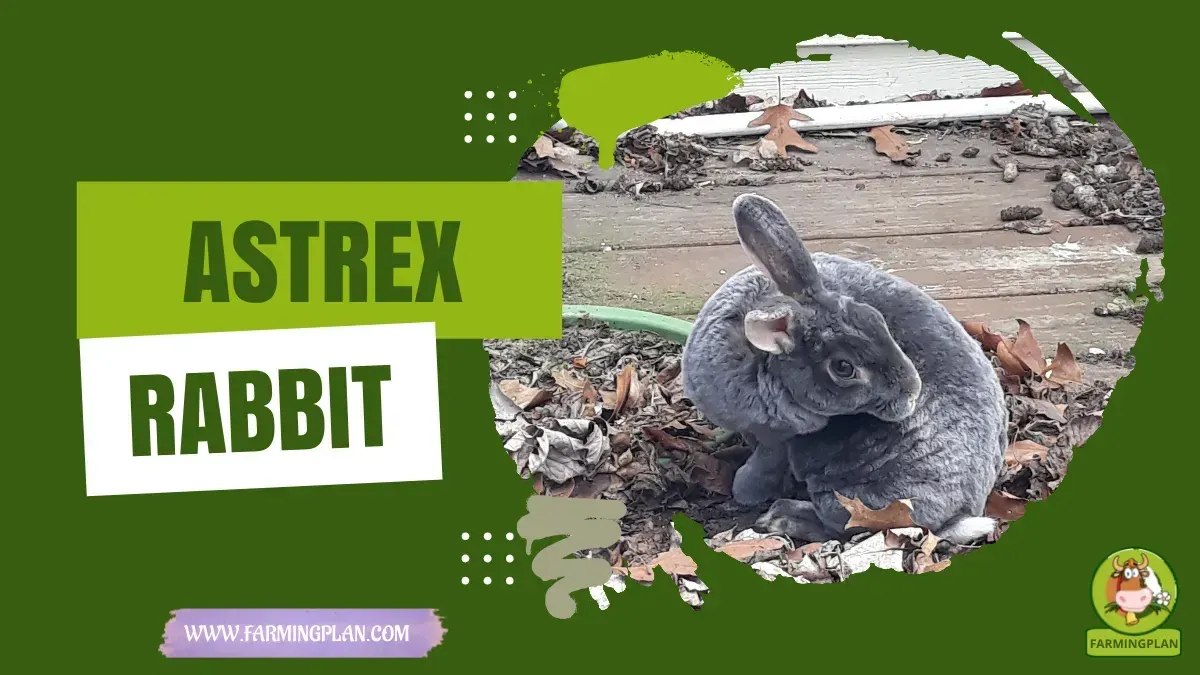
Physical Characteristics & Breed Standards
The conformation of the Astrex Rabbit combines physical balance with structural longevity. Mature males average 6.0 to 8.5 lbs (2.7 to 3.9 kg), while females scale 7.0 to 9.5 lbs (3.2 to 4.3 kg), establishing a solid body scale that supports functional vigor without excessive nutritional maintenance demands.
Conformation Standards & Phenotypic Traits
Official standards look for Medium frame with undulating wavy to curly guard hair and plush underwool across the body. Skeletal soundness remains essential, requiring straight leg alignment, healthy joints, and balanced bone density capable of active locomotion and longevity. Coat, feather, or fleece quality reflects inner biological health, demanding regular inspection for density, texture, and natural luster.
Head carriage and facial symmetry reflect purebred heritage, showing bright, clear eyes, unobstructed nasal passages, and proper jaw alignment free from malocclusions or developmental irregularities. Handlers appreciate their responsive awareness and composed demeanor during close physical appraisals. Gradual dietary transitions protect digestive stability in Astrex Rabbit.
📊 Astrex Rabbit Functional Production Matrix
| Performance Parameter | Breed Benchmark Target | Homestead Management Advantage |
|---|---|---|
| Production Efficiency | Specialty fiber rabbit and rare exhibition pet; produces 5 to 8 kits per litter | High return on feed investment across multi-year cycles |
| Structural Hardiness | Adaptable to diverse American temperature zones | Reduces need for expensive artificial heating and cooling units |
| Behavioral Temperament | Docile, affectionate, quiet, responsive, gentle indoor or hutch pet | Safe for family farm environments and simple for solo operators to handle |
| Nutritional Conversion | Thrives on standard balanced farm rations and clean forage | Keeps daily grocery and supplemental feed overhead under tight control |
| Breeding Durability | Sustained reproductive fertility across adult lifespan | Generates steady offspring for replacement stock or homestead income |
Breed History, Heritage & North American Development
First recorded in the United Kingdom in the early 1930s as a spontaneous curly mutation among Rex rabbits; revived by rare breed conservators in North America aiming for complete waviness.
Throughout the twentieth century, North American agricultural shifts often favored large-scale commercial factory systems over diverse heritage breeds. Dedicated conservators and specialty associations worked tirelessly to preserve these foundation lines, ensuring that essential genetic traits such as natural disease resistance, foraging ability, and easy reproduction were not permanently lost.
Today, homesteaders, regenerative farmers, and exhibition fanciers across the United States celebrate the Astrex Rabbit as a proven asset for modern diversified holdings. Their unique blend of utility and aesthetic charm provides sustainable value across rural and suburban edge properties.
Housing, Shelter Dimensions & Climate Adaptation
Designing effective quarters for the Astrex Rabbit requires ensuring dry conditions, active cross-ventilation, and absolute security from predatory animals. Regardless of species, damp unventilated housing promotes bacterial growth, ammonia accumulation, and severe respiratory distress.
Spatial Standards & Predator Barriers
Provide appropriate living dimensions: Indoor temperature-controlled pen (60°F to 72°F) or insulated hutch away from damp wind chill. Ensure flooring remains sanitary and well-drained, utilizing clean wood shavings, kiln-dried pine bedding, or elevated wire resting platforms to separate animals from accumulating waste. Selecting healthy foundation stock is the cornerstone of successful Astrex Rabbit management.
Predator protection is essential across all rural properties. Use heavy galvanized wire mesh over all open vents and runs, securing doors with predator-proof latches that defeat curious raccoons, weasels, and neighborhood dogs. Maintain good air movement through ridge vents or louvers while eliminating direct, chilling drafts during sub-zero winter cold snaps.
During severe winter blizzards, maintain clean deep bedding to insulate against ground chill, replacing soiled areas daily. In peak summer heat, position housing in shaded areas or deploy reflective thermal tarps to prevent heat stress, ensuring clean ambient airflow without moisture buildup.
Nutritional Requirements, Daily Rations & Feeding Protocols
Supplying a scientifically balanced ration tailored to life stage and activity level prevents metabolic imbalances and fuels optimal growth, fiber production, or milk yields. Clean digestive health serves as the foundation of strong immune resistance.
Daily Rations & Mineral Balance
Supply adult animals with approximately 0.50 cups premium timothy-based pellet with omega fatty acids plus unlimited high-fiber grass hay. Feed fresh, mold-free rations paired with appropriate species-specific mineral supplements to balance calcium, phosphorus, and essential trace elements. Never allow feed bins to become contaminated with droppings or environmental dampness.
Incorporate species-specific roughage such as premium timothy grass hay, alfalfa forage, or clean grain kernels to stimulate natural peristalsis and maintain optimal gastrointestinal motility. Establishing scheduled feeding routines reduces digestive anxiety and stabilizes microbial fermentation.
Clean, potable drinking water must remain available 24 hours a day in sanitary, easily scrubbed troughs or ball-point water bottles. Inspect water systems twice daily during winter to ensure heating elements prevent ice formation, as explained in our small livestock forage feeding guidelines. Good predator-proofing and dry bedding safeguard Astrex Rabbit comfort in harsh weather.
Health Management, Common Diseases & Biosecurity Standards
Proactive preventative care forms the cornerstone of healthy flock or herd management. Key clinical vulnerabilities to monitor include Delicate guard coat grooming, intestinal wool block prevention, corneal trichiasis, ear cleanliness. Early diagnosis and prompt sanitary isolation prevent individual conditions from escalating into colony-wide outbreaks.
Biosecurity Standards & Quarantine Safeguards
Maintain clean housing sanitation by routinely replacing bedding, power-washing enclosures with livestock-safe disinfectants, and controlling external parasites with targeted dusting or pour-on treatments. Monitor body condition scores weekly to detect early weight fluctuations before overt disease symptoms appear.
Execute seasonal veterinary health protocols, including fecal flotation checks for internal parasites, routine claw or hoof trimmings, and vital immunizations. Promptly isolate any animal exhibiting respiratory discharge, dull eyes, or reduced appetite to protect flock health.
Comply strictly with national biosecurity and livestock welfare guidelines published by the USDA APHIS Animal Welfare & Veterinary Health Standards. Quarantine all newly acquired stock in a separate isolation unit for at least 30 days prior to introduction.
Breeding Management, Reproduction & Offspring Care
Responsible breeding requires selecting only structurally sound, disease-free adults exhibiting outstanding breed conformation and gentle temperaments. Avoid inbreeding depression by introducing unrelated pedigree lines at regular intervals. Monitoring water quality and mineral balance directly benefits Astrex Rabbit vitality.
Provide expectant dams or breeding pairs with dedicated, quiet nesting quarters equipped with clean nesting materials well ahead of anticipated birthing dates. Monitor deliveries discreetly, intervening only if clear signs of maternal distress or dystocia emerge.
Offspring develop rapidly when provided warm, draft-free brooding warmth and nutrient-dense starter feeds. Wean young animals gradually to minimize nutritional stress, monitoring fecal consistency to prevent digestive upsets. Compare reproductive benchmarks with related breeds like the American Chinchilla rabbit.
US Ownership Budget & Annual Maintenance Costs
Understanding the true economic investment required to maintain the Astrex Rabbit ensures responsible ownership and long-term homestead profitability. The budget table below itemizes standard initial capital outlays and annual operating costs under US economic parameters.
💰 Estimated Annual Budget & Maintenance Costs (USD)
| Expense Category | Resource Item & Operational Scope | Initial Capital Investment | Annual Recurring Cost |
|---|---|---|---|
| Foundation Stock | Registered breeding stock or pedigree pair from certified producer | $200 – $400 | $0 (sustainable self-replacement) |
| Housing & Enclosures | Hutch, pen, fencing, or loft setup with secure predator proofing | $250 – $600 | $30 – $60 (repairs/hardware) |
| Feeders & Waterers | Heavy ceramic crocks, automatic dispensers, heated winter base | $50 – $110 | $15 – $25 |
| Nutritional Rations | Commercial pellets, high-grade hay, grains, and loose minerals | $30 (initial bag) | $150 – $220 |
| Sanitation & Bedding | Kiln-dried pine shavings, straw bales, and farm disinfectants | $25 | $80 – $140 |
| Veterinary & Wellness | Health screenings, vaccines, parasite preventatives, emergency kit | $40 | $45 – $85 |
| Total Ownership Budget | Comprehensive foundation investment model | $200 – $400 for rare pedigree pair + specialized indoor enclosure | $150 – $220 / year |
🐇 Astrex Rabbit Daily Hay & Pellet Calculator
Calculate daily Timothy hay (unlimited bulk), pellet rations, fresh greens, and clean water intake for your Astrex Rabbit.
Frequently Asked Questions (FAQ)
What are the main benefits of raising the Astrex Rabbit?
The Astrex Rabbit combines docile temperament with high productive yields, requiring minimal supplemental maintenance while converting standard farm feeds into quality milk, meat, or fiber.
How much space does a Astrex Rabbit need in housing?
Indoor temperature-controlled pen (60u00b0F to 72u00b0F) or insulated hutch away from damp wind chill Ensuring continuous air movement and dry flooring prevents common respiratory and parasitic conditions.
What is the best daily diet for the Astrex Rabbit?
Supply approximately 0.50 cups premium timothy-based pellet with omega fatty acids plus unlimited high-fiber grass hay paired with clean drinking water and species-specific minerals to maintain digestive health and biological stamina.
Is the Astrex Rabbit suitable for beginner homesteaders?
Yes, their docile disposition, predictable reproductive cycles, and hardy constitution make them an excellent choice for novice smallholders and experienced producers alike.
What are the most common health issues in Astrex Rabbit?
Key health considerations include Delicate guard coat grooming, intestinal wool block prevention, corneal trichiasis, ear cleanliness, which are readily managed through strict sanitation, proper ventilation, and routine health screenings.
How long does a healthy Astrex Rabbit live?
When provided with clean housing, quality nutrition, and proactive biosecurity, the Astrex Rabbit enjoys a robust, productive life expectancy standard for its species.
Expert Verdict & Next Steps for US Homesteaders
The Astrex Rabbit stands as an exemplary breed for American producers and homesteaders seeking high-efficiency livestock that balance practical utility with manageable behavior. Their hardy genetics and gentle handling characteristics make them a pleasure to manage across every season.
By establishing dry, secure housing, providing balanced life-stage rations, and executing regular biosecurity protocols, you will establish a thriving program for years to come. Explore complementary management blueprints in our rabbit breeding and housing operations guide to expand your homestead enterprise. If you are balancing utility output and herd resilience, take a look at our Brown Chestnut of Lorraine Rabbit reference guide.
📚Agricultural Reference & Scientific Citations
Standards and physiological data referenced in this guide comply with American Rabbit Breeders Association (ARBA), USDA APHIS Animal Health, and the FAO Domestic Animal Diversity Information System.


