

📊 American Roller Pigeon at a Glance: Key Specifications & Production Benchmarks
| Scientific Classification | Columba livia domestica (Performing Roller Breed) |
| NBRC Competition Standard | Performing Roller Fly-Off Competition Standards |
| Mature Cock Body Weight | 9.5 to 12.0 oz (270 to 340 grams) |
| Mature Hen Body Weight | 8.5 to 11.0 oz (240 to 310 grams) |
| Signature Aerial Acrobatic Trait | Rapid backward axial roll; spins 15 to 30 feet in seconds |
| Kit Flying Style | Synchronized 15-to-20-bird kit flying with simultaneous rolling |
| Primary Agricultural Purpose | Aerial performance competitions, exhibition showing, aviary |
| Loft Space Standard | 3 to 4 sq ft floor space per breeding pair + kit flying pen |
| Dietary Protein Formulations | 14% to 16% balanced grain mix (corn, peas, wheat, safflower) |
| Average Breeding Longevity | 8 to 12 years with clean loft ventilation and parasite control |
The American Roller Pigeon, developed directly from champion performing Birmingham Roller lineages, is widely celebrated as the absolute pinnacle of domestic columbid aerial acrobatics. Unlike exhibition pigeons selected solely for static showroom plumage, the American Roller is an elite avian gymnast bred to execute lightning-fast backward rotational spins (the ‘roll’) that send the bird plummeting downward like a whirling ball of feathers before pulling out cleanly above the ground. Consistent daily observation helps keepers spot early changes in American Roller Pigeon health and behavior.
Whether you are entering competitive 20-bird kit fly-offs through the National Birmingham Roller Club or adding dynamic kinetic beauty to your homestead skies through our pigeons and aviary resource hub, the American Roller delivers endless fascination. These compact, muscular birds fly in tight, synchronized formation, triggering simultaneous rolling maneuvers that leave observers spellbound. Clean housing, fresh water, and balanced nutrition remain essential for American Roller Pigeon productivity.
Sustaining peak aerial performance requires disciplined management: feeding precise carbohydrate-protein rations to maintain light body weight, training birds to enter trapping wires promptly, and protecting kits from Cooper’s hawks. In this technical manual, we explore spin mechanics, kit management, predator avoidance, nutrition, and pedigree breeding. Tracking feed intake and body condition supports long-term American Roller Pigeon performance.
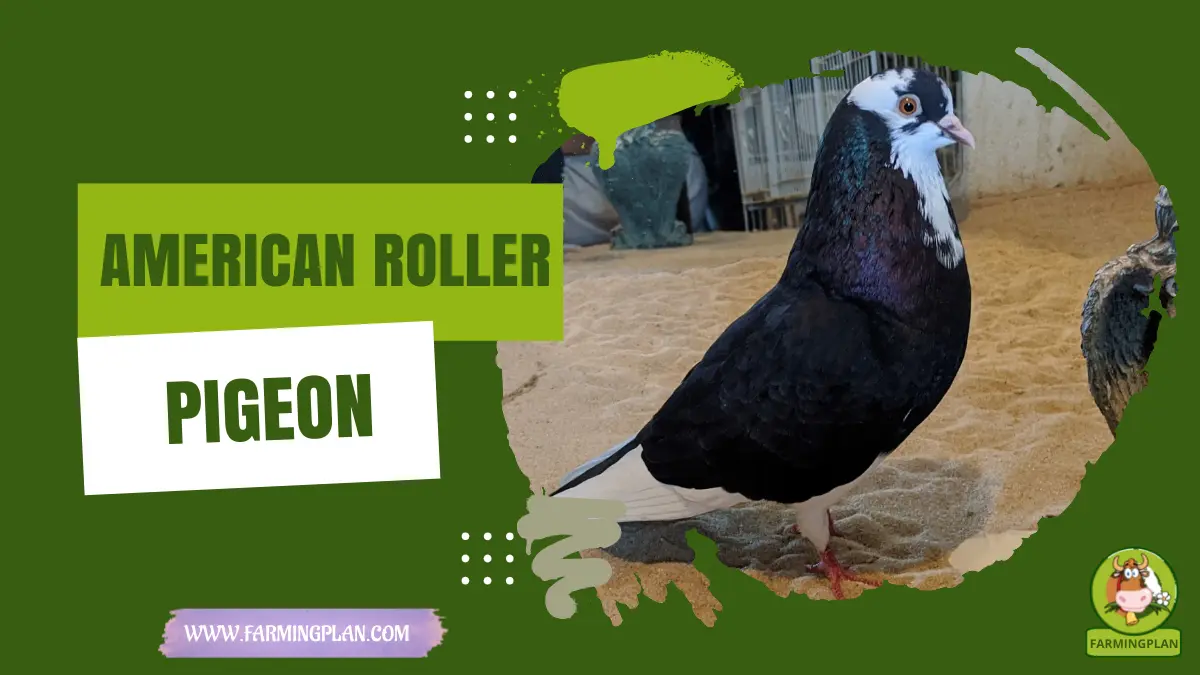
Physical Characteristics & Breed Standards
The American Roller exhibits a compact, athletic, wedge-shaped conformation characterized by a broad, muscular chest and tightly held plumage. Their body balance is engineered for rapid rotational velocity along the horizontal axis.
Every anatomical feature—from short, strong wing primaries to flexible flight quills—serves to maximize spinning velocity without causing physical disorientation. Following biosecurity best practices reduces disease risk in any American Roller Pigeon operation.
Conformation Standards & Anatomical Structure
The head is neat, round, and slightly arched, tapering to a straight, slender beak of horn or pearl coloration. The eyes are bright pearl-white with fine, neat eye ceres that denote vigor. The neck is short and arched, blending smoothly into wide, muscular shoulders. Seasonal adjustments to shelter and diet keep American Roller Pigeon thriving year-round.
The breast is prominent, deep, and well-muscled, providing the aerodynamic engine for rapid elevation. The wings are strong, tightly tucked across the rump, and carried slightly above the tail without drooping. The tail is short, narrow, and closely folded.
The legs are clean, set moderately apart, and unfeathered below the hocks with coral-red toes that grip perches securely. Plumage occurs in every recognized columbid pattern: Almond, Dun, Tortoiseshell, Black Self, Baldhead, and classic Blue Bar. Proper record-keeping makes breeding and culling decisions easier for American Roller Pigeon keepers.
Size, Weight Benchmarks & Color Variations
Mature cocks weigh between 9.5 and 12 ounces, while hens weigh 8.5 to 11 ounces. Maintaining light body weight is essential; overweight rollers become sluggish and risk striking the ground during deep rolls (‘roll-downs’). Providing adequate space and ventilation prevents common stress issues in American Roller Pigeon.
Flight feathers must be pliable, broad, and strong, resisting snapping when subjected to the extreme centrifugal forces generated during a 20-foot spin.
A champion roller spins at a rate of 10 to 15 revolutions per second, dropping smoothly without wobble or wing-flapping. Understanding breed-specific traits helps maximize American Roller Pigeon longevity and output.
📊 American Roller Pigeon Performance & Production Matrix
| Columbid Metric | American Roller Pigeon | American Flying Tumbler | Parlor Roller Pigeon |
|---|---|---|---|
| Acrobatic Style | Continuous rapid spinning roll | Single backward somersaults | Ground rolling only (Flightless) |
| Spin Depth & Speed | Deep spin (15 to 30 ft drop) | Shallow rolls in mid-flight | Rolls across lawn/floor |
| Flight Capability | High kit flying (400 to 800 ft) | High kit flying (800 to 1,500 ft) | Zero flight (Ground-bound) |
| Competition Focus | Simultaneous kit roll quality | Kit cohesion & roll frequency | Distance rolled on ground |
| Raptor Vulnerability | High during deep spin recovery | Moderate during tumble | None (Kept indoors/lawn) |
Breed History, Heritage & North American Development
The American Roller traces its pedigree directly to the industrial Black Country of Birmingham, England, where working-class columbid fanciers in the mid-19th century created the Birmingham Roller. Fanciers selectively bred birds that possessed an innate neurological reflex causing them to execute repeated backward somersaults in rapid succession. Routine preventive care saves time and lowers veterinary costs for American Roller Pigeon.
Brought to the United States in the late 19th and early 20th centuries by prominent breeders like William Pensom and Frank Graham, American fanciers refined the birds for greater kit discipline and depth of roll. The National Birmingham Roller Club (NBRC) was established to organize standardized fly-off competitions across North America.
Today, the American Roller represents a dedicated sporting fraternity. Unlike homing pigeon racing which measures straight-line speed, roller competition is scored on style, spin speed, depth, and the thrilling phenomenon of simultaneous ‘kitting’—where ten or more birds roll in unison. Matching forage or ration quality to life stage optimizes American Roller Pigeon growth.
Housing, Shelter Dimensions & Winter Hardiness
Housing American Roller pigeons requires specialized loft engineering. Successful roller management demands dividing the loft into separate compartments for breeding pairs, young birds, and the active flying kit. Gradual dietary transitions protect digestive stability in American Roller Pigeon.
Spatial Density & Enclosure Engineering
Allocate a minimum of 3 to 4 square feet of floor space per breeding pair, utilizing individual box perches spaced 12 inches apart to prevent squabbling. The flying kit should be housed in a compact ‘kit box’ (typically 4×4 feet with individual box perches) that keeps birds calm and focused between daily flights.
Equip the loft with a wire aviary sun-porch and an elevated trapping door with one-way bobs. Roller lofts must be completely predator-proof; wire all openings with 1/2-inch galvanized hardware cloth to block rats, weasels, and raccoons. Selecting healthy foundation stock is the cornerstone of successful American Roller Pigeon management.
Maintain dry, dust-free floor conditions by covering wooden floors with kiln-dried pine wood shavings or installing elevated wire mesh floors over droppings trays. If you are balancing utility output and herd resilience, take a look at our American Flying Flight Pigeon reference guide. Good predator-proofing and dry bedding safeguard American Roller Pigeon comfort in harsh weather.
Nutritional Requirements, Daily Rations & Feeding Protocols
Dietary management is the secret to flying roller performance. Feed composition and quantity directly control a bird’s energy, body weight, and willingness to fly and roll on command. Monitoring water quality and mineral balance directly benefits American Roller Pigeon vitality.
Crude Protein Benchmarks Across Life Stages
Feed active flying rollers a light, high-carbohydrate grain mixture containing 14% crude protein composed of red milo, hard red wheat, small flint corn, and Canadian field peas. Avoid feeding heavy, high-fat seeds (like safflower or sunflower) before morning flight exercises.
Active flying birds consume approximately 1.0 ounce (28 to 30 grams) of grain daily, fed strictly once per day immediately after their flight exercise. Never leave grain in open hoppers; hungry birds trap into the loft instantly upon landing, escaping raptors. Practical hands-on husbandry ensures consistent results when raising American Roller Pigeon.
Supply insoluble red mineral grit containing crushed oyster shell, charcoal, and red stone grit in dedicated cups, as detailed in our poultry and waterfowl dietary manuals. Early intervention at the first sign of lethargy protects overall American Roller Pigeon flock or herd health.
Health Management, Common Diseases & Biosecurity Standards
High stocking density in flying lofts can trigger rapid transmission of respiratory pathogens and protozoal infections if hygiene is neglected.
Biosecurity Protocols & Veterinary Defenses
Vaccinate all young birds against Pigeon Paramyxovirus (PMV-1) at 6 weeks of age, followed by annual boosters. Treat breeding pairs for canker (*Trichomoniasis*) and coccidiosis prior to pairing in early spring. Structured culling and biosecurity protocols strengthen American Roller Pigeon genetic quality.
Provide weekly shallow bathing pans supplemented with Epsom salts or apple cider vinegar to keep feathers clean and glossy. Adhere to national avian health protocols from the USDA APHIS Avian Biosecurity Standards and review aviary designs in our aviary shelter library. Maintaining clean feeders and sanitized equipment supports sustainable American Roller Pigeon care.
Scrape droppings from perches weekly to minimize dust, keeping indoor ventilation continuous without drafts.
Breeding Spin Pedigrees, Kit Training & Young Bird Development
Breeding champion American Rollers requires pedigree record-keeping. Mate cocks that execute fast, compact, deep rolls with hens from proven rolling families; never breed birds that execute uncontrolled ‘roll-downs’ into the ground. Consistent daily observation helps keepers spot early changes in American Roller Pigeon health and behavior.
Pairs lay two chalk-white eggs per clutch, sharing an 18-day incubation period. Both parents feed squabs rich crop milk for the first five days before introducing softened grains. Squabs fledge at 4 weeks. Clean housing, fresh water, and balanced nutrition remain essential for American Roller Pigeon productivity.
Move weaned young birds into the kit box, conditioning them to trap using a feeding whistle. Begin kit flying in groups of 10 to 15 birds once daily in early morning, watching young birds develop their spin between 12 and 20 weeks, comparing flight dynamics with the American Flying Tumbler pigeon.
US Ownership Budget & Annual Maintenance Costs
Establishing a competitive American Roller pigeon loft involves initial timber woodwork for kit boxes and breeding compartments, pedigree stock acquisition, and ongoing grain supplies. Tracking feed intake and body condition supports long-term American Roller Pigeon performance.
💰 Estimated Annual Budget & Maintenance Costs (USD)
| Budget Category | Item Description & Scope | Initial Capital Outlay | Annual Recurring Expense |
|---|---|---|---|
| Pedigreed Breeding Pairs (2 Pairs) | Champion competition roller pairs from registered NBRC lines | $180 – $320 | $0 (self-replenishing stock) |
| Custom Timber Kit Loft & Aviary | 6×8 ft split loft with kit boxes, box perches & bobs | $650 – $1,300 | $40 – $75 (hardware upkeep) |
| Nest Boxes & Heavy Plastic Bowls | 4 breeding compartments, earthenware bowls & perches | $80 – $130 | $15 – $25 (replacements) |
| Pigeon Flying Grain Mix | 50-lb bags of 14% protein roller mix (approx. 8 bags/year) | $35 (initial bag) | $240 – $320 |
| Mineral Red Grit & Supplements | Insoluble red columbid grit, pick stones & vitamins | $25 | $40 – $60 |
| PMV-1 Vaccines & Canker Care | Paramyxovirus vaccines, Ronidazole canker treatments | $45 | $50 – $80 |
| Total American Roller Loft Budget | Complete initial setup costs and recurring annual maintenance | $1,015 – $1,945 | $385 – $560 / year |
🕊️ American Roller Pigeon Loft & Grain Mix Calculator
Estimate daily grain ration (lbs), mineral grit, monthly 50-lb feed bags, and minimum indoor loft and outdoor aviary space (sq ft) for your American Roller Pigeon loft.
Frequently Asked Questions (FAQ)
Why do American Roller pigeons roll in the air?
Rolling is an instinctual genetic reflex that causes rapid backward somersaults along the bird’s horizontal axis, spinning so fast it appears as a blurred ball of feathers.
What is the difference between a roller and a tumbler pigeon?
Tumblers perform single backward somersaults while flying, whereas Rollers execute sustained, rapid multi-revolution spins dropping 15 to 30 feet in seconds.
What is a roll-down in roller pigeons?
A roll-down occurs when a pigeon spins too deeply and cannot pull out of its roll before hitting the ground; breeders strictly cull roll-down traits to ensure safety.
How many pigeons fly together in a roller kit?
Official NBRC competition kits consist of 15 or 20 birds that fly in tight formation, scored on simultaneous rolling where multiple birds spin at the exact same second.
How do you protect flying rollers from hawks?
Fly your birds at varying early morning hours, avoid midday flights during peak raptor activity, and train birds to trap immediately into the loft after flying.
What do you feed American Roller pigeons?
Feed a light 14% protein mix of Canadian peas, flint corn, wheat, and milo once daily after flying, alongside insoluble red mineral grit and clean water.
Expert Verdict & Next Steps for Aerial Enthusiasts
The American Roller Pigeon is the undisputed master of domestic avian acrobatics, offering homesteaders and competition fanciers an exhilarating spectacle of kinetic flight. In the care of a disciplined handler who understands kit training, weight control, and predator vigilance, a kit of rollers brings unmatched drama to rural skies. Following biosecurity best practices reduces disease risk in any American Roller Pigeon operation.
By engineering a clean, multi-compartment loft, feeding controlled grain rations, and breeding strictly from proven stable performers, your kit will deliver breathtaking simultaneous rolls for years. Explore our complete guide to performing and utility pigeon breeds to expand your aviary holdings.
📚Agricultural Reference & Scientific Citations
Standards and physiological data referenced in this guide comply with American Poultry Association (APA), The Livestock Conservancy, and USDA APHIS Avian Biosecurity Standards.


