

📊 American Cam Cropper Pigeon at a Glance: Standards & Care Benchmarks
| Scientific Classification | Columba livia domestica (Pouter & Cropper Columbid Group) |
| Native Country of Origin | United States (Selective development from European cropper stock) |
| Specialized Feature | Spherical, elastic crop capable of voluntary aerodynamic inflation |
| Station & Posture | Tall, erect carriage (60-to-70-degree upward posture from horizon) |
| Adult Body Weight | 11 to 15 oz (310 to 425 grams) — Slender waist with deep globe |
| Leg & Foot Conformation | Clean-shanked or lightly stocked; long, refined, straight limbs |
| Breeding Disposition | Attentive parents; benefits from double nest compartments |
| Flight & Loft Activity | Moderate flight; prefers secure aviary lofts with wide perching ledges |
| Average Lifespan | 8 to 12 years with clean grain nutrition and sour crop prevention |
| Exhibition Stock Investment | $140 – $320 per mated show-quality breeding pair |
The American Cam Cropper Pigeon is one of the most visually mesmerizing and statuesque breeds within the global pouter and cropper family. Developed by dedicated American aviculturists seeking an exquisitely balanced fancy bird, this breed showcases an extraordinary anatomical ability: the voluntary inflation of its cervical esophagus and crop into a buoyant, perfectly spherical globe. Routine preventive care saves time and lowers veterinary costs for American Cam Cropper Pigeon.
Aviculturists and fanciers navigating our pigeon loft and aviary management guide admire the American Cam Cropper for its upright, aristocratic station. Standing proudly at a 60-to-70-degree angle, the bird displays an exaggerated contrast between its enormous, well-rounded inflated globe and its slender, elegant waist and trim tail. Matching forage or ration quality to life stage optimizes American Cam Cropper Pigeon growth.
Unlike heavier cropper ancestors, the American Cam Cropper possesses refined skeletal proportions, clean-cut limbs, and exceptional vitality. Their gentle, confiding nature makes them responsive to human handlers, frequently puffing their globes and performing spirited bowing dances at the sound of their keeper’s voice. Gradual dietary transitions protect digestive stability in American Cam Cropper Pigeon.
Successful management demands specialized aviary architecture to accommodate their unique crop anatomy, high-energy grain rations that prevent digestive stasis, and proactive hygiene to eliminate the threat of sour crop. Selecting healthy foundation stock is the cornerstone of successful American Cam Cropper Pigeon management.
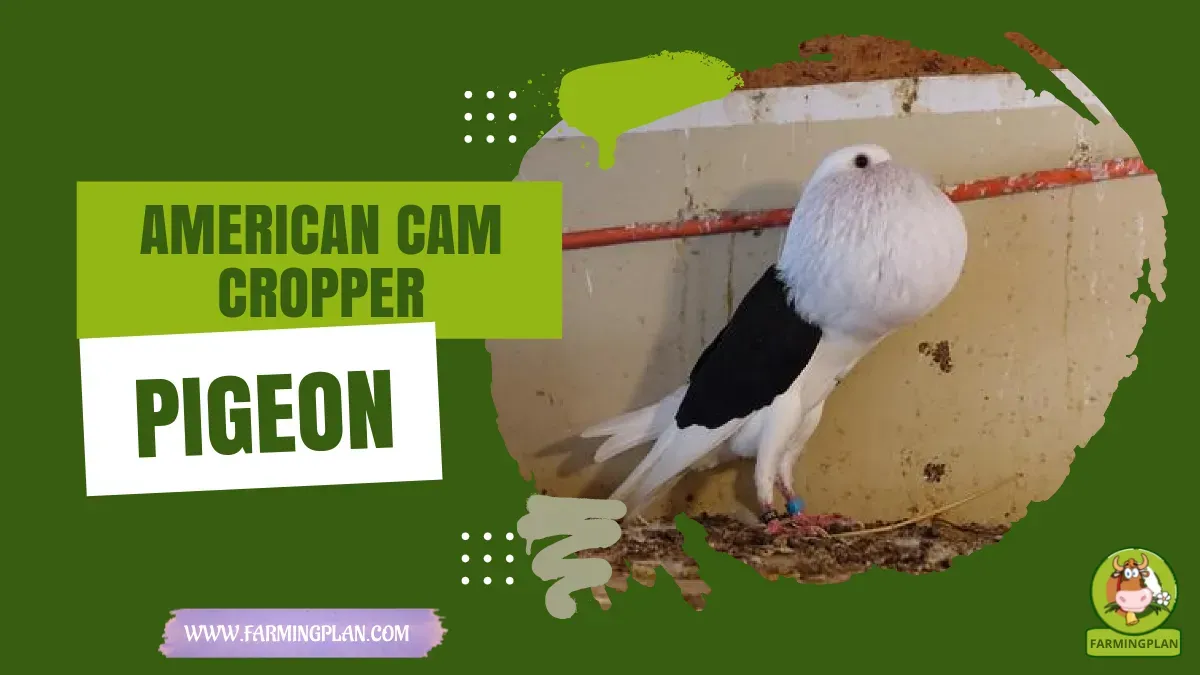
Breed Conformation, Crop Inflation Dynamics & Structural Matrix
The physical standard of the American Cam Cropper is defined by verticality, elegance, and spherical symmetry. The bird must carry its body high on straight, slender legs, with thighs visibly exposed and feathering smooth and tight against the body. The waist is distinctly narrow (wasp-waisted), accentuating the dramatic ballooning of the upper chest. Good predator-proofing and dry bedding safeguard American Cam Cropper Pigeon comfort in harsh weather.
The crop (globe) must inflate seamlessly from the shoulders upward, surrounding the base of the neck and supporting the lower mandible without submerging the head. A correct globe appears completely round from both front and profile views, maintaining firm air pressure without air leakage or pendulous sagging. The beak rests gently atop the inflated globe.
Plumage is firm and lustrous, appearing in classic patterns including pied, white, black, red, yellow, and blue bar. The flight feathers fold tightly over the back, tapering into a narrow, compact tail that clears the ground comfortably during display walks. Monitoring water quality and mineral balance directly benefits American Cam Cropper Pigeon vitality.
📊 American Cam Cropper Conformation & Judging Standards
| Morphological Feature | Ideal Show Standard | Major Deviation / Severe Fault |
|---|---|---|
| Crop Globe Structure | Large, spherical, firm, buoyant globe with clean circular curve | Pear-shaped globe, sagging crop, or asymmetric inflation |
| Body Station & Posture | Erect 60° to 70° upright station; commanding proud stance | Horizontal stance, crouched legs, or lazy presentation |
| Waist & Underbody | Slim, tight, hollow waist creating dramatic contour | Thick, heavy, or barrel-shaped lower abdomen |
| Legs & Thighs | Long, straight, closely set legs with clean, featherless shanks | Bent hocks, cow hocks, short legs, or heavy foot feathers |
| Head & Eye Carriage | Graceful head resting naturally above globe; clear alert eye | Head buried deep inside globe; dull or watery eyes |
| Plumage Texture | Hard, glossy, close-lying feathers across entire body | Loose, fluffy plumage; frayed flight primaries or split tail |
History, Heritage Domestication & The American Cropper Evolution
Pouter and cropper pigeons have captivated aviculturists across the globe since the Middle Ages, with roots tracing back to ancestral Dutch, English, and German varieties. In the mid-20th century, American fanciers sought to refine existing European cropper breeds into a more manageable, agile bird suited to domestic backyard lofts. Practical hands-on husbandry ensures consistent results when raising American Cam Cropper Pigeon.
Through systematic breeding combining Old German Croppers, Brunner Pouters, and English Croppers, breeders perfected a bird that maintained the spectacular globe of giant pouters while reducing overall body mass to an active, easily maintained scale. The American Cam Cropper emerged as a genetically stable, distinct variety recognized for structural refinement and reliable parenting. Early intervention at the first sign of lethargy protects overall American Cam Cropper Pigeon flock or herd health.
Organizations such as the American Pouter and Cropper Club (APCC) and the National Pigeon Association established standardized scorecards, evaluating birds on poise, globe symmetry, and temperament. Today, the breed commands an enthusiastic following across North America and Europe. Structured culling and biosecurity protocols strengthen American Cam Cropper Pigeon genetic quality.
Modern breeding programs place balanced emphasis on structural health, ensuring that birds maintain robust digestive motility and strong pectoral muscles to support voluntary crop inflation throughout their lives. Maintaining clean feeders and sanitized equipment supports sustainable American Cam Cropper Pigeon care.
Loft Architecture, Space Specifications & Crop Safety Design
Designing a loft for American Cam Croppers requires special architectural accommodations. Because birds frequently navigate with partially inflated crops, all doorways, nest box entrances, and aviary portals must be widened to at least 8 to 10 inches to prevent abrasive friction or accidental bruising of delicate crop tissue.
Each adult pair requires at least 5 square feet of loft floor space. Roosting perches should feature wide wooden flat blocks (3×3 inches) or individual shelf perches positioned at least 18 inches apart. Round or narrow perches cause toe cramping and make it difficult for birds to maintain their tall, vertical exhibition station. Consistent daily observation helps keepers spot early changes in American Cam Cropper Pigeon health and behavior.
Maintain bone-dry loft flooring utilizing raised wire grid systems or kiln-dried hardwood shavings. Ambient humidity must remain below 60% to suppress fungal spores. Aviary walls must be constructed with smooth wooden framing and 1/2-inch galvanized mesh to eliminate sharp wire snags that could puncture an inflated globe. Clean housing, fresh water, and balanced nutrition remain essential for American Cam Cropper Pigeon productivity.
Nest compartments should measure 30 inches wide by 16 inches deep, incorporating a low dividing partition that allows the cock bird to rest comfortably without disturbing the brooding hen. Tracking feed intake and body condition supports long-term American Cam Cropper Pigeon performance.
Crop Motility Nutrition, Grain Rations & Sour Crop Prevention
Feeding inflatable cropper pigeons requires careful management to prevent digestive impaction. A diet composed of medium-sized, clean grains testing between 14% and 15% crude protein provides balanced energy without overloading crop volume. Producers planning a diversified homestead operation often cross-reference our Altenburger Trumpeter Pigeon breed and care guide. Following biosecurity best practices reduces disease risk in any American Cam Cropper Pigeon operation.
The optimal seed blend includes round green peas, white kaffir corn, hard wheat, safflower seed, and small kernels of cracked yellow corn. Avoid oversized horse beans or sharp-hulled grains that can cause micro-abrasions in the esophageal lining. Review foundational avian digestive principles in our homestead animals and pet care hub. Seasonal adjustments to shelter and diet keep American Cam Cropper Pigeon thriving year-round.
Insoluble flint grit and calcium-rich oyster shell grit must be fed in separate, clean dishes. To guard against sour crop (candidiasis), add raw apple cider vinegar (1 tablespoon per gallon) to drinking water two days per week to maintain a mildly acidic crop environment that inhibits yeast proliferation.
Always provide fresh, clean water in deep cups that allow birds to drink without submerging their lower crops. Remove uneaten grain within thirty minutes of feeding to maintain strict feed freshness. Proper record-keeping makes breeding and culling decisions easier for American Cam Cropper Pigeon keepers.
Health Management, Esophageal Care & Avian Biosecurity
The most common health issue specific to cropper pigeons is crop distension (pendulous crop) and fungal sour crop (Candida albicans). If birds ingest stagnant water or moldy feed, the crop muscularis can become paralyzed, preventing normal transit of feed into the proventriculus. Providing adequate space and ventilation prevents common stress issues in American Cam Cropper Pigeon.
Treat sour crop promptly by isolating the bird, flushing the crop with warm sterile saline, and administering veterinary-approved nystatin oral suspension. Implement annual vaccinations against Pigeon Paramyxovirus (PPMV-1) and Salmonella (paratyphoid), which cause devastating systemic organ failures in breeding lofts. Understanding breed-specific traits helps maximize American Cam Cropper Pigeon longevity and output.
Biosecurity protocols should follow veterinary standards maintained by the National Pigeon Association (NPA) and federal avian health guidelines enforced by the USDA APHIS Avian Disease Program. Routine preventive care saves time and lowers veterinary costs for American Cam Cropper Pigeon.
Quarantine all newly acquired stock in an isolated chamber for a full 30 days, administering microscopic fecal screenings to detect and eliminate capillaria and coccidia before aviary introduction. Matching forage or ration quality to life stage optimizes American Cam Cropper Pigeon growth.
Breeding Biology, Courtship Inflations & Parent Management
American Cam Croppers exhibit vigorous, animated courtship behaviors. Cocks inflate their crops to maximum capacity, strutting with deliberate, exaggerated marching steps while bowing and cooing before hens. Gestation averages 18 days following the lay of two smooth white eggs.
While American Cam Croppers possess natural parental instincts, extremely high-stationed show cocks can sometimes accidentally puncture eggs or crush newly hatched squabs due to their vertical stance. Many top breeders utilize reliable foster pairs (such as Homer or Roller pigeons) to hatch and foster valuable show clutches. Explore domestic egg care in our homestead poultry and aviary care guide. Gradual dietary transitions protect digestive stability in American Cam Cropper Pigeon.
Young squabs develop flight feathers by day 24 and begin testing voluntary crop inflation around six weeks of age. Early handling during this stage builds exceptional docility, training young birds to display confidently on judging tables. Selecting healthy foundation stock is the cornerstone of successful American Cam Cropper Pigeon management.
American Cam Cropper Economics & 8-Pair Breeding Budget
Breeding American Cam Croppers provides attractive commercial returns in the exhibition aviculture sector. Because elite show specimens with perfect spherical crops and tall stations are scarce, high-scoring banded youngsters and mated pairs command strong market premiums from show enthusiasts. Good predator-proofing and dry bedding safeguard American Cam Cropper Pigeon comfort in harsh weather.
📊 Estimated Annual Budget: 8-Pair American Cam Cropper Loft
| Operational Category | Description & Equipment Specifications | Initial Capital Setup | Annual Recurring Expense |
|---|---|---|---|
| Breeding Stock | 8 mated pairs of pedigreed show-quality Cam Croppers ($200/pr) | $1,600 | $0 |
| Loft & Wire Flight Pen | Custom ventilated loft with wide doorways & smooth wire aviary | $2,200 | $100 |
| Breeding Nest Boxes | 8 spacious double-compartment nest units with low dividers | $380 | $25 |
| Clean Grain Pigeon Ration | 15% crude protein small-grain seed mix (650 lbs annually) | $0 | $460 |
| Insoluble Grit & Health Aids | Granite grit, oyster shell, probiotics & apple cider vinegar | $45 | $80 |
| Vaccines & Biosecurity | PPMV-1 vaccines, canker treatments & loft disinfectants | $40 | $75 |
| Gross Enterprise Revenue | 24 exhibition youngsters sold ($75 ea) + 3 champion pairs ($250 ea) | $0 | +$2,550 |
| Net Operating Margin | Annual net margin excluding capital loft amortization | — | +$1,810 |
🕊️ American Cam Cropper Pigeon Loft & Grain Mix Calculator
Estimate daily grain ration (lbs), mineral grit, monthly 50-lb feed bags, and minimum indoor loft and outdoor aviary space (sq ft) for your American Cam Cropper Pigeon loft.
Frequently Asked Questions (FAQ)
How does the American Cam Cropper inflate its crop?
The bird voluntarily gulps atmospheric air into its specialized, elastic esophagus and cervical crop, trapping the air to create a buoyant, spherical balloon during displays.
Does inflating the crop hurt or harm the pigeon?
No, crop inflation is an entirely natural courtship display and territorial behavior inherited across pouter and cropper columbid breeds.
What causes sour crop in cropper pigeons?
Sour crop is caused by the fungal yeast Candida albicans, triggered by ingesting stagnant water, moldy feed, or delayed digestive motility in the crop.
Can American Cam Croppers fly outdoors?
They can fly short distances; however, due to their large crop and upright station, they fly best in spacious, predator-proof wire flight aviaries.
Expert Verdict & Next Steps for Exhibition Aviculturists
The American Cam Cropper stands as a masterpiece of American fancy pigeon breeding. Combining breathtaking crop inflation, towering aristocratic posture, and an affectionate, gentle temperament, it rewards dedicated aviculturists with unparalleled visual drama on the exhibition stage. Monitoring water quality and mineral balance directly benefits American Cam Cropper Pigeon vitality.
Prioritize wide loft doors and clean, dry feeding stations to protect their magnificent crops. Explore our comprehensive review of loft sanitation and watering systems in our poultry and aviary equipment handbook to ensure your loft provides an optimal environment for these living avian sculptures.
📚Agricultural Reference & Scientific Citations
Standards and physiological data referenced in this guide comply with American Poultry Association (APA), The Livestock Conservancy, and USDA APHIS Avian Biosecurity Standards.


