

⚡ American Brown Swiss Cattle at a Glance: Key Specifications & Benchmarks
| Scientific Classification | Bos taurus |
| Breed Category / Type | Dairy Cattle (Alpine Heritage) |
| Mature Male Weight | 2,000 to 2,500 lbs (900 to 1,130 kg) |
| Mature Female Weight | 1,400 to 1,600 lbs (635 to 725 kg) |
| Milk Productivity | 21,000 to 24,000 lbs per 305-day lactation cycle |
| Milk Quality | 4.0% butterfat and 3.5% protein with optimal kappa-casein BB |
| Functional Longevity | Extended productive herd life with durable dark hooves |
| Temperament & Handling | Exceptionally gentle, calm, deliberate, and unhurried |
The American Brown Swiss Cattle holds a prominent position in commercial livestock agriculture, recognized by producers, ranchers, and smallholders for combining robust biological vigor with exceptional herd productivity. Originating from dedicated pedigree selection, this versatile animal excels across diverse pasture environments while converting farm forage into prime agricultural value. Practical hands-on husbandry ensures consistent results when raising American Brown Swiss Cattle.
Whether establishing a foundational herd through our pasture dairy and cattle management guide or expanding an existing cattle holding, the American Brown Swiss Cattle offers dependable production parameters. Livestock managers value their resilient constitution, calm disposition, and superior conversion of pasture forage into premium farm commodities.
Unlike delicate commercial stock requiring intensive artificial intervention, the American Brown Swiss Cattle adapts readily to varied regional microclimates across North America. From humid summer pastures to sub-zero winter grazing fields, their sound structural conformation and natural hardiness ensure reliable seasonal productivity.
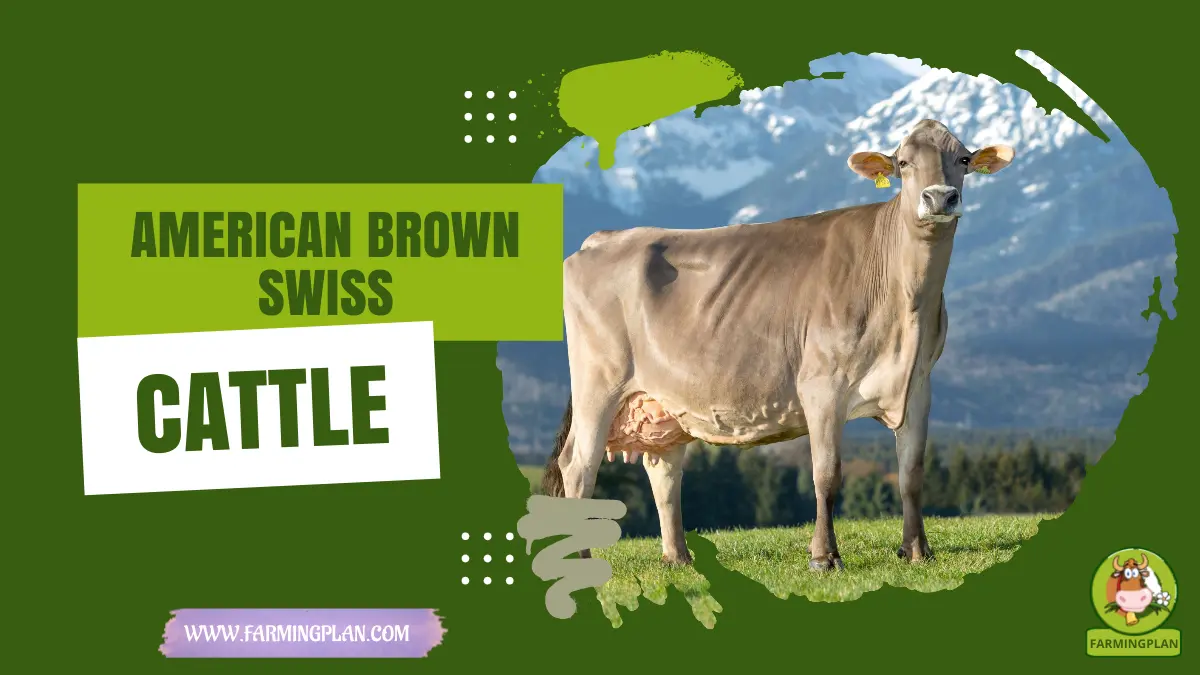
Physical Characteristics & Breed Standards
The physical conformation of the American Brown Swiss Cattle reflects generations of purposeful selection, emphasizing functional structural soundness, deep skeletal capacity, and balanced muscle distribution. Mature bulls achieve 2,000 to 2,500 lbs (900 to 1,130 kg), while cows maintain an efficient frame of 1,400 to 1,600 lbs (635 to 725 kg). Early intervention at the first sign of lethargy protects overall American Brown Swiss Cattle flock or herd health.
Structural Conformation & Skeletal Frame
Sound legs, broad chests, and clean toplines allow the American Brown Swiss Cattle to travel comfortably across rolling pastures without joint fatigue or mobility issues. Their coat and skin characteristics provide natural protection against abrasive vegetation, biting insects, and seasonal temperature swings.
Evaluating conformation requires careful assessment of skeletal angles, spring of rib, and balance across the shoulders, loin, and hindquarters. Animals demonstrating wide pelvic structure and clean leg alignment walk smoothly across varied terrain while avoiding lameness.
Breed Evaluation & Functional Standards
Breed standards strictly penalize structural faults such as cow-hocked stances, weak pasterns, overshot jaws, or shallow chest cavities. Maintaining high visual and functional standards protects herd mobility, grazing endurance, and reproductive longevity.
⚡ American Brown Swiss Cattle Performance & Production Matrix
| Performance Indicator | Standard Benchmark | Operational Advantage for Producers |
|---|---|---|
| Adult Bull Weight | 2,000 to 2,500 lbs (900 to 1,130 kg) | Robust terminal muscling and genetic prepotency |
| Adult Cow Weight | 1,400 to 1,600 lbs (635 to 725 kg) | Moderate frame size that balances forage intake |
| Forage Efficiency | Superior roughage conversion | Lower input costs on rotational grass and legume pasture |
| Maternal Vitality | High fertility and calm mothering | Consistent unassisted births and heavy calf weaning |
| Functional Longevity | Extended productive herd life | Fewer replacement females needed annually |
Breed History, Heritage & North American Development
Originates from the Swiss Alps; imported to Massachusetts in 1869 by Henry M. Clark; recognized as a premier US dairy breed by the Brown Swiss Cattle Breeders’ Association in 1880. Structured culling and biosecurity protocols strengthen American Brown Swiss Cattle genetic quality.
Throughout the 19th and 20th centuries, dedicated agricultural stewards recognized the American Brown Swiss Cattle for its dependable commercial utility and exceptional resilience. As commercial confinement systems increasingly prioritized high-input specialized lines, heritage caretakers preserved these balanced genetics on diversified farms.
Today, registered breeders, smallholders, and homestead associations champion the American Brown Swiss Cattle as an ideal choice for sustainable small-scale farming and regenerative pasture systems. Their adaptability to diversified management makes them a valuable agricultural asset.
Regional agricultural societies and breed clubs continue to document performance benchmarks for the American Brown Swiss Cattle, recording fertility percentages, daily gains, and feed conversion efficiency. These empirical records confirm that traditional heritage traits remain directly competitive in modern rural economies.
Housing, Shelter Dimensions & Winter Hardiness
Proper housing for the American Brown Swiss Cattle focuses on three non-negotiable fundamentals: adequate dry space, continuous draft-free cross ventilation, and robust perimeter predator fencing. Shelter requirements vary by season, but basic space allowances must never be compromised. Maintaining clean feeders and sanitized equipment supports sustainable American Brown Swiss Cattle care.
Inside resting barns, provide dry bedding maintained with pine shavings or clean cereal straw to prevent ammonia fumes from rising above 10 ppm. Exterior paddocks should provide well-drained ground and windbreak protection against prevailing winter gales.
Fencing Standards & Spatial Density
Fencing must reflect the physical capabilities of the animal. Heavy-duty woven wire or perimeter electric fencing prevents escapes while protecting stock from roaming dogs and wild predators. Inspect fence perimeters monthly for damage or ground erosion.
During severe winter freezes below 10°F (-12°C), prioritize dry skin and draft elimination over artificial heating. Deep straw bedding generates natural radiant heat through composting action, allowing mature animals to regulate body temperature without supplemental heat lamps. Consistent daily observation helps keepers spot early changes in American Brown Swiss Cattle health and behavior.
Seasonal Mud & Winter Run Protocols
In spring and autumn, muddy run management becomes critical. Installing heavy-use pads constructed of geotextile fabric topped with compacted crushed limestone gravel around water troughs and gates prevents foot rot, skin scald, and parasite accumulation.
Nutritional Requirements, Daily Rations & Feeding Protocols
Optimal health, daily gain, and reproductive success require balanced rations tailored to seasonal production stages. Formulate feeding regimens using our detailed Beef Friesian dual-purpose herd feeding protocols to match dry matter intake with biological requirements.
During active growth and peak production, ensure rations provide 14 to 17 percent crude protein alongside adequate fiber to support digestive motility. Maintain clean, free-choice trace mineralized salt blocks with proper calcium-to-phosphorus ratios.
Crude Protein & Dry Matter Formulations
Always ensure continuous access to clean, fresh water tested regularly for nitrates and bacterial contaminants. Water intake directly governs dry matter feed consumption and cellular metabolic efficiency throughout hot summers and cold winters. Clean housing, fresh water, and balanced nutrition remain essential for American Brown Swiss Cattle productivity.
Forage quality varies significantly across seasonal pastures. Testing hay batches through certified regional agricultural labs identifies crude protein, neutral detergent fiber (NDF), and total digestible nutrients (TDN), ensuring accurate winter ration balancing.
Trace Minerals & Hydration Parameters
Mineral imbalances frequently cause unobserved herd health losses. Supplying balanced organic selenium, zinc, copper, and cobalt prevents reproductive failures, retained placentas, and dull, brittle hair coats.
Health Management, Common Diseases & Biosecurity Standards
Proactive herd wellness protocols significantly reduce mortality and veterinary expenditures. Establish strict quarantine protocols that isolate newly arriving livestock in dedicated pens for at least 30 days before integration into existing pasture groups.
Routine veterinary monitoring should follow established national guidelines, such as the Brown Swiss Cattle Breeders’ Association of the USA. Maintaining standardized vaccination records, implementing strategic anthelmintic rotations based on fecal egg counts, and testing water quality prevent chronic parasitic infestation. Tracking feed intake and body condition supports long-term American Brown Swiss Cattle performance.
Parasite Surveillance & Anthelmintic Management
Biosecurity protocols must restrict farm visitor access, disinfect footwear at barn thresholds, and isolate sick stock immediately upon early clinical symptoms like lethargy or nasal discharge. Prompt veterinary diagnosis and targeted intervention prevent isolated conditions from escalating into herd-wide health challenges.
Internal parasites represent the most persistent subclinical production drain in pasture-based livestock. Utilizing targeted selective treatment (FAMACHA scoring or body condition indexing) ensures dewormers are applied only to animals harboring high parasite burdens, preserving anthelmintic drug efficacy.
Quarantine Protocols & Infectious Disease Biosecurity
Rotational grazing acts as an effective non-chemical parasite barrier. Moving animals to fresh pasture paddocks before grass is grazed below 4 inches prevents stock from ingesting infective L3 larvae concentrated near soil level. Following biosecurity best practices reduces disease risk in any American Brown Swiss Cattle operation.
Breeding Management, Incubation & Offspring Care
Selective breeding preserves the commercial virtues and genetic vigor of the American Brown Swiss Cattle. Evaluate complementary pasture traits with our American Angus beef cattle pasture guide to design effective rotational crossbreeding programs.
Ensure breeding stock reach at least 70 to 75 percent of mature adult weight before first mating. Sound pelvic conformation, correct development in males, and proper body condition score optimize conception rates and reduce dystocia risks.
Mating Protocols & Conception Benchmarks
Post-partum care requires immediate naval sanitation with 7 percent tincture of iodine and guaranteed ingestion of maternal colostrum within the first 6 hours of birth. Warm, dry resting pens protect newborns during cold weather.
Flushing breeding females with high-energy forage or modest grain rations two weeks prior to mating stimulates multiple ovulations, increasing birth rates and tightening the herd birthing window. Seasonal adjustments to shelter and diet keep American Brown Swiss Cattle thriving year-round.
Neonatal Care & Weaning Milestones
Monitoring offspring growth rates against regional benchmarks identifies superior breeding lines. Culling underperforming females and retaining vigorous replacement daughters drives steady genetic herd progress.
US Ownership Budget & Annual Maintenance Costs
Developing an accurate operational budget is essential for sustainable livestock operations with the American Brown Swiss Cattle. While initial capital investment covers breeding stock, boundary fencing, and shelter infrastructure, recurring expenses primarily involve winter hay, mineral rations, and preventative veterinary care.
Itemizing annual costs in clear budget categories prevents unexpected financial shortfalls. Establishing bulk purchasing agreements with local hay producers and maintaining basic on-farm veterinary equipment lowers per-head maintenance overhead significantly.
⚡ Estimated Annual Budget & Maintenance Costs (USD)
| Expense Category | Estimated Range (Per Head/Year/USD) | Operational Management Notes |
|---|---|---|
| Purchased Forage & Hay | $180 – $380 | High-quality grass-legume hay for winter feeding months |
| Concentrates & Mineral Packs | $85 – $190 | Formulated protein supplements, trace minerals, and free-choice salt |
| Veterinary Care & Vaccines | $45 – $95 | Annual core vaccinations, fecal parasite exams, and emergency buffer |
| Bedding & Barn Supplies | $40 – $80 | Dry wood shavings, clean straw, and sanitation supplies |
| Fencing & Facility Upkeep | $35 – $75 | Routine fence line repairs, water trough heaters, and gate latches |
| Total Annual Operating Cost | $385 – $820 | Average annual maintenance range excluding initial capital purchase |
Tracking revenue generated from live breeding stock sales, meat shares, fleece harvests, or milk products balances out annual overhead, securing steady agricultural returns. Producers planning a diversified homestead operation often cross-reference our Asturian Mountain Cattle breed and care guide. Proper record-keeping makes breeding and culling decisions easier for American Brown Swiss Cattle keepers.
🐄 American Brown Swiss Cattle Daily Forage & Bale Calculator
Calculate daily dry matter forage, winter round bale consumption, pasture allocation, and water requirements for American Brown Swiss Cattle cattle.
Frequently Asked Questions (FAQ)
Why is Brown Swiss milk especially prized by artisanal cheese makers?
Brown Swiss milk features an optimal 4.0% fat and 3.5% protein ratio with high frequency of kappa-casein variant BB, yielding superior curd firming and higher cheese recovery.
How does Brown Swiss longevity compare to other dairy breeds?
Brown Swiss cows frequently produce milk past their fifth or sixth lactation, outliving many commercial dairy breeds thanks to resilient dark hooves and sound udder attachment.
What is the typical gestation length for American Brown Swiss cows?
Brown Swiss have a slightly longer gestation period of approximately 290 days (about 7 to 10 days longer than Holsteins), yielding strong, well-developed calves.
Can American Brown Swiss cattle handle heat and rough terrain?
Yes, originating from Alpine pastures, they possess strong legs, dark durable hooves, and heat tolerance superior to most black-and-white dairy breeds.
What daily feed ration does a lactating Brown Swiss cow require?
A high-yielding lactating cow requires 45 to 55 lbs of dry matter daily, combining 16% to 18% crude protein alfalfa hay, corn silage, and balanced concentrate minerals.
Expert Verdict & Next Steps
The American Brown Swiss Cattle represents a premier agricultural asset that balances production yield, environmental adaptability, and reliable livestock returns. By adhering to structured management protocols and integrating best practices from our American cattle breeds comparative evaluation, producers establish healthy, profitable farm enterprises.
Careful pasture rotation, balanced dry matter nutrition, and strict preventative biosecurity ensure long-term flock and herd vitality. Investing in quality breeding stock and maintaining clean shelter infrastructure provides reliable agricultural dividends across every season.
Strategic Seasonal Management Checklist
Establish a calendar-based management routine that aligns vaccinations, pasture turnouts, and breeding cycles with regional weather patterns. Regularly updating farm records and auditing feed conversion efficiency protects livestock health and maintains agricultural returns.
📚Agricultural Reference & Scientific Citations
Standards and physiological data referenced in this guide comply with USDA Animal and Plant Health Inspection Service (APHIS), American Veterinary Medical Association (AVMA), and the FAO Domestic Animal Diversity Information System.


