

| Morphological Metric | Breed Specification Benchmark |
|---|---|
| Zoological Classification | Capra hircus |
| Breed Classification | Siberian Down / Cashmere Fiber & Meat Goat |
| Mature Male Body Mass | 145 – 185 lbs (66 – 84 kg) |
| Mature Female Body Mass | 90 – 120 lbs (41 – 54 kg) |
| Wither Height Benchmark | 26 – 31 inches (66 – 79 cm) |
| Fleece & Fiber Profile | Exquisite fine down undercoat (16-19 microns) beneath thick guard hair |
| Horn & Ear Conformation | Heavy scimitar horns in bucks; small upright ears adapted to frost resistance |
| Temperament Profile | Sturdy, active, resilient herd browser, calm in domestic handling |
| Daily Dry Forage Intake | 3.5 – 5.0 lbs dry matter (rough pasture, shrubs, prairie hay) |
| Reproductive Gestation Cycle | 150 days |
| Recommended Stocking Rate | 5 – 7 does per improved pasture acre |
Breed Overview & Quick Facts
The Altai Mountain Goat occupies an esteemed position across modern small ruminant husbandry, celebrated by homesteaders and commercial producers for its physiological resilience, distinctive conformational attributes, and versatile production yields. Whether managing intensive rotational paddocks or extensive rangeland acreage, understanding the biological traits of this outstanding breed ensures sustainable flock longevity and agricultural profitability. Following biosecurity best practices reduces disease risk in any Altai Mountain Goat operation.
As heritage livestock stewardship gains momentum nationwide, raising this hardy breed offers a reliable pathway toward farm self-reliance, premium artisan fleece or fiber production, and sustainable meat marketing. Exploring comparative small ruminant principles across our homestead livestock breeding systems empowers producers to design resilient, multi-species homestead systems that withstand market fluctuations and climatic extremes. Seasonal adjustments to shelter and diet keep Altai Mountain Goat thriving year-round.
Across diverse North American climate zones, from arid desert plateaus to freezing northern winter shelters, managing environmental stress remains fundamental. Standardizing daily feeding, monitoring, and sanitation protocols maintains herd vitality throughout seasonal transitions. Experienced managers recognize that operational success depends on meticulous observation of daily rhythms, stress indicators, and social hierarchies. Proper record-keeping makes breeding and culling decisions easier for Altai Mountain Goat keepers.
Physical Characteristics & Breed Standards
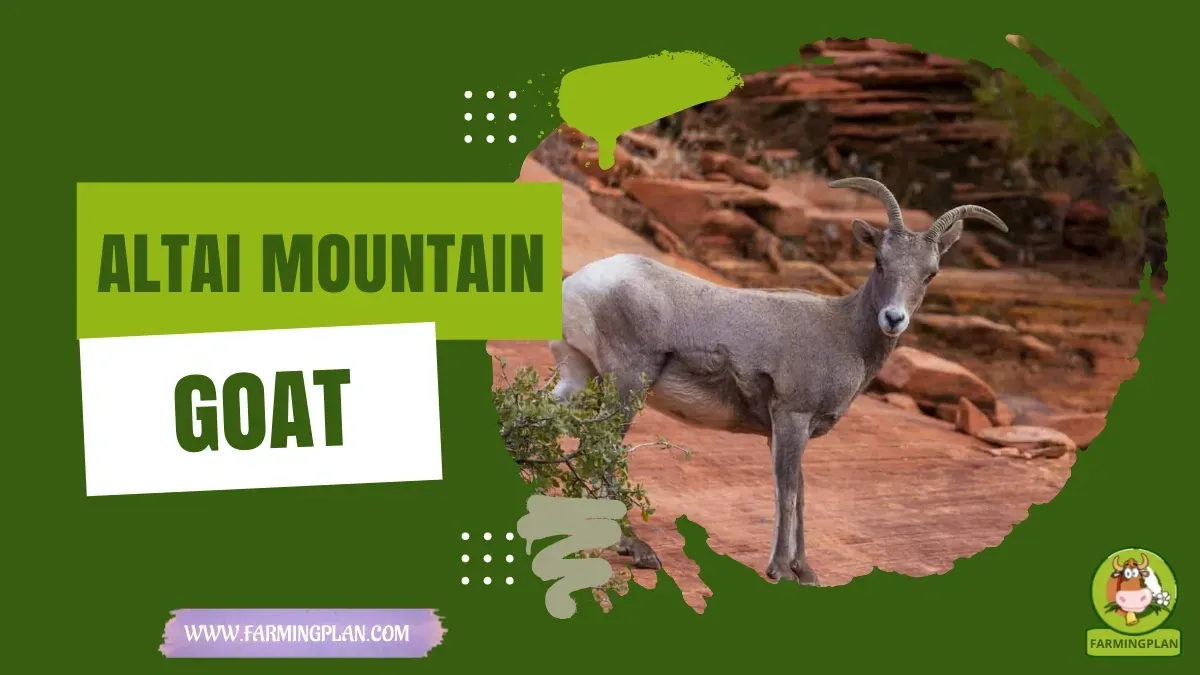
Evaluating physical conformation remains fundamental when selecting foundation breeding stock or identifying prime market animals. The Altai Mountain Goat displays a robust skeletal architecture, characterized by sound pasterns, balanced muscle development, and uniform frame depth that withstands active outdoor living.
Special attention must be paid to topline stability, udder attachment, and cranial characteristics. Females should demonstrate balanced, pliable udders with clean teat placement along a functional mammary line. Males should possess broad chests, strong shoulders, and symmetrical testicular development free from conformational defects or structural lameness. Providing adequate space and ventilation prevents common stress issues in Altai Mountain Goat.
In addition to bone structure and body scale, assessing gait and locomotion reveals musculoskeletal soundness. Animals should stride smoothly with level top-lines, square hip placement, and clean joint flexion, enabling unhindered daily foraging across uneven pasture terrain or steep rocky hillsides. Understanding breed-specific traits helps maximize Altai Mountain Goat longevity and output.
| Performance Dimension | Target Breed Parameter | Husbandry & Production Advantage |
|---|---|---|
| Adult Frame Scale | Males: 145 – 185 lbs (66 – 84 kg) | Females: 90 – 120 lbs (41 – 54 kg) | Compact muscular frame supporting agile terrain navigation |
| Fiber & Fleece Quality | Exquisite fine down undercoat (16-19 microns) beneath thick guard hair | Provides natural weather shielding and valuable harvest revenue |
| Maternal Fecundity | High fertility with dependable milk yields | Attentive dams capable of raising vigorous twins unassisted |
| Foraging Independence | Non-selective herbivore browsing | Thrives on native brush, coarse weeds, and dryland grasses |
| Docile Disposition | Sturdy, active, resilient herd browser, calm in domestic handling | Cooperative handling temperament ideal for family smallholders |
Breed History, Heritage & Regional Evolution
The Altai Mountain goat (Gorno-Altai) was bred between 1944 and 1982 on collective farms in the Gorno-Altai Autonomous Region of southern Siberia, Russia. Geneticists crossed native Altai caprines with imported Don down goats to engineer a high-producing cashmere down breed capable of enduring extreme continental Siberian winters (-40°F / -40°C) while grazing semi-desert mountain pastures year-round. Routine preventive care saves time and lowers veterinary costs for Altai Mountain Goat.
Throughout historical agrarian cycles, selection pressures prioritized animals that exhibited vigorous foraging vitality, efficient feed conversion, and reliable maternal attentiveness under variable environmental conditions. Today, pedigree preservation programs collaborate with regional agricultural associations to protect registered genetic diversity while optimizing phenotypic vigor.
Housing, Paddock Design & Winter Hardiness
Constructing durable housing and boundary fencing represents the foundation of successful small ruminant husbandry. Facilities should feature well-drained three-sided run-in sheds or insulated barns that provide thermal protection against rain, driving winds, and extreme sun. Matching forage or ration quality to life stage optimizes Altai Mountain Goat growth.
Adopting rotational paddock layouts derived from precision feed protein balancing prevents ground compaction, distributes organic fertility, and breaks internal parasite life cycles across rotational pastures. Clean air circulation without cold floor drafts protects young stock from contracting acute pasteurella pneumonia. Gradual dietary transitions protect digestive stability in Altai Mountain Goat.
Bedding management requires deep layers of clean wood shavings, dry straw, or coarse sawdust that absorb moisture and prevent bacterial hoof rot. In summer, shaded loafing areas equipped with mister lines or deep shade cloth allow stock to regulate core body temperature efficiently without expending excessive metabolic energy. Selecting healthy foundation stock is the cornerstone of successful Altai Mountain Goat management.
Perimeter fencing must be engineered with heavy-gauge woven wire, sturdy wooden line posts, and low-set predator aprons or electrified offset wires to deter burrowing coyotes, stray dogs, and feral predators. Pasture gates should span at least twelve feet wide to accommodate farm tractors, rotary mowers, and livestock trailers during seasonal paddock rotation.
Nutritional Requirements, Daily Rations & Feeding Protocols
Optimizing growth rates, reproductive performance, and overall vigor demands a scientifically calibrated nutritional regimen tailored to life stage, work output, and environmental temperatures. Balanced rations must supply precise ratios of digestible crude protein, limiting essential amino acids, metabolizable energy, vitamins, and bioavailable minerals. Good predator-proofing and dry bedding safeguard Altai Mountain Goat comfort in harsh weather.
Transitioning stock gradually between seasonal feeds prevents gastrointestinal disturbances, ruminal acidosis, and enterotoxemia. Integrating feeding insights similar to rotational pasture flock management allows pasture-raised stock to harvest valuable micronutrients from diverse native forages while optimizing supplementary grain outlays. Monitoring water quality and mineral balance directly benefits Altai Mountain Goat vitality.
Continuous access to clean, fresh drinking water remains the single most vital component of livestock nutrition. Water delivery systems must utilize freeze-resistant founts or shaded troughs cleaned weekly to prevent algae accumulation and waterborne bacterial colonization. Practical hands-on husbandry ensures consistent results when raising Altai Mountain Goat.
Offering free-choice loose trace mineral salt fortified with selenium, cobalt, and zinc prevents subclinical mineral deficiencies that compromise fertility, immune response, and hoof hardness. Conducting periodic laboratory forage tests on pasture grasses and stored winter hay enables producers to balance crude protein and energy ratios accurately without costly feed waste.
Health Management, Common Diseases & Biosecurity Standards
A proactive preventative health program shields your herd from debilitating infectious pathogens and internal parasitic burdens. Small ruminant herds face biological threats including clostridial enterotoxemia (overeating disease), tetanus, contagious ecthyma (sore mouth), and internal roundworms (notably Haemonchus contortus), necessitating strict biosecurity barriers. Smallholders comparing closely related stock can also review our detailed Benadir Goat guide. Early intervention at the first sign of lethargy protects overall Altai Mountain Goat flock or herd health.
Implementing rigorous quarantine protocols for all newly acquired stock prevents virulent pathogens from entering established breeding groups. Following a livestock biosecurity and disease management tailored by your licensed veterinarian ensures timely inoculations against endemic regional pathogens prior to seasonal breeding. Structured culling and biosecurity protocols strengthen Altai Mountain Goat genetic quality.
Producers should consult diagnostic extension resources from Montana State University Extension Rangeland & Small Ruminants to establish biosecurity protocols, isolate emerging clinical signs promptly, and calibrate herd health plans against state livestock department recommendations. Maintaining clean feeders and sanitized equipment supports sustainable Altai Mountain Goat care.
Routine FAMACHA mucosal eyelid inspections and targeted selective anthelmintic deworming minimize drug resistance among gastrointestinal nematodes. In addition, periodic hoof trimming paired with copper or zinc sulfate footbaths prevents infectious foot scald and debilitating hoof rot organisms.
Breeding Management, Reproduction & Offspring Care
Successful reproduction relies on identifying natural estrus cycles, providing proper nutritional flushing for breeding females, and executing attentive newborn oversight. Maiden females should achieve appropriate skeletal maturity and at least 70 percent of adult body weight before initial service to prevent stunted pelvic development. Consistent daily observation helps keepers spot early changes in Altai Mountain Goat health and behavior.
During the standard gestation period of 150 days, pregnant dams require modest nutritional maintenance rations during early pregnancy, stepping up energy density in the final six weeks to support rapid fetal growth and prevent pregnancy toxemia (ketosis). Clean housing, fresh water, and balanced nutrition remain essential for Altai Mountain Goat productivity.
Prompt neonatal care within the first hours of life, including navel disinfection with seven percent tincture of iodine and verifying vigorous suckling, establishes passive immune transfer. Maintaining warm, draft-free nursery pens supports rapid early growth and reduces pre-weaning mortality rates. Tracking feed intake and body condition supports long-term Altai Mountain Goat performance.
Verifying adequate colostrum ingestion within the initial four hours following birth remains the cornerstone of neonatal survival, transferring maternal immunoglobulins across the gut before intestinal closure. Applying tamper-evident ear tags or scrapie identification tags and logging birth weights in farm records ensures accurate genetic tracking and pedigree integrity.
US Ownership Budget & Annual Maintenance Costs
Constructing a realistic enterprise budget enables small ruminant producers to calculate break-even targets, manage seasonal cash flows, and safeguard farm solvency. While pasture foraging and brush grazing reduce commercial feed expenditures significantly, capital allocations for reinforced fencing, durable shelters, and biosecurity sanitation remain essential. Following biosecurity best practices reduces disease risk in any Altai Mountain Goat operation.
⚡ Estimated Annual Budget & Maintenance Costs (USD)
| Expense Category | Item Description & Scope | Initial Capital Investment | Annual Recurring Cost |
|---|---|---|---|
| Foundation Breeding Stock | Registered pedigree foundation breeding ram/buck or doe/ewe | $300 – $650 per quality down breeding doe | $0 (sustainable flock self-renewal) |
| Shelter & Perimeter Fencing | Predator-proof woven wire fencing, run-in shed shelter | $400 – $700 (wind-tight shelter with dry bedding) | $35 – $75 (annual fence upkeep) |
| Feed & Mineral Supplementation | Alfalfa meadow hay, loose minerals, grain flushing ration | $40 – $80 (feeders & salt troughs) | $80 – $140 annually per head (pasture browse, winter hay, mineral lick) |
| Veterinary Care & Parasite Control | CD&T vaccines, dewormers, copper/mineral boluses, foot care | $30 – $60 (medical starter kit) | $20 – $35 annually (enterotoxemia, respiratory vaccines, dewormers) |
| Infrastructure Sundries & Bedding | Freeze-proof waterers, bedding straw, handling panels | $80 – $150 | $40 – $80 |
| Estimated Total Investment | Comprehensive baseline per working breeding unit | $500 – $1,340 | $175 – $370 / head |
*Note: Cost ranges reflect prevailing US feed, lumber, and livestock prices. Actual expenditures vary according to pasture quality and herd size.
Interactive Production & Cost Estimator
Estimate your feed requirements, projected maintenance costs, and potential farm returns using our interactive livestock calculator. Adjust stocking numbers, feed prices, and harvest timelines to project budget requirements for your farm enterprise. Seasonal adjustments to shelter and diet keep Altai Mountain Goat thriving year-round.
🐐 Altai Mountain Goat Herd Feed & Pasture Calculator
Calculate daily forage, monthly hay bales, loose minerals, and clean water needs for your Altai Mountain Goat herd.
Frequently Asked Questions (FAQ)
How much down fleece does an Altai Mountain goat produce annually?
Mature bucks yield 600 to 900 grams and adult does produce 450 to 650 grams of premier fine down cashmere per year, harvested by combing in early spring.
What is the fiber diameter of Altai Mountain down?
The down fibers measure between 16 and 19 microns with a fiber length of 8 to 10 cm, categorizing it among the highest-grade cashmere fibers globally.
How cold can Altai Mountain goats tolerate?
Having evolved in the Altai Republic of Siberia, they comfortably withstand temperatures dipping below -40u00b0F (-40u00b0C) provided they have dry shelter from freezing rain.
When and how is down harvested from Altai goats?
Down is combed out by hand using specialized metal fleece combs during the annual spring molt (typically March and April) before the goats shed naturally.
Are Altai Mountain goats raised for meat as well as fiber?
Yes, they are dual-purpose fiber-meat animals; castrated males and cull does provide lean, tender chevon with high dressing percentages of 45 to 50 percent.
Expert Verdict & Next Steps for US Homesteaders
The Altai Mountain Goat represents an outstanding asset for discerning livestock producers, homesteaders, and commercial breeders who demand hardy vitality, excellent feed efficiency, and calm handling behavior. By providing secure fencing, species-calibrated nutritional rations, and strict preventative veterinary oversight, your operation can achieve sustainable production efficiency. Proper record-keeping makes breeding and culling decisions easier for Altai Mountain Goat keepers.
Whether your agricultural objectives focus on supplying local direct-to-consumer farm markets or conserving rare global heritage genetics, this breed consistently demonstrates economic and practical farm value. Compare production profiles across our homestead livestock breeding systems to design an integrated, highly profitable homestead livestock enterprise.
📚Agricultural Reference & Scientific Citations
Standards and physiological data referenced in this guide comply with USDA APHIS Small Ruminant Health, The Livestock Conservancy, and the American Veterinary Medical Association (AVMA).


