

⚡ Turopolje Pig at a Glance: Key Specifications & Benchmarks
| Native Breed Designation | Turopolje Pig (Turopoljska svinja); native to the Turopolje floodplains of the Sava River, Croatia |
| Wetland & Swamp Adaptation | Extreme moisture tolerance: thrives in flooded river floodplains, wet oak forests, and mud |
| Primary Agricultural Purpose | Oak silvopasture grazing, artisan cured charcuterie, high-grade culinary lard, conservation |
| Mature Boar Weight Range | 500 – 620 lbs (225 – 280 kg) with strong muscular shoulders, heavy neck, and broad chest |
| Mature Sow Weight Range | 400 – 520 lbs (180 – 235 kg) with lengthy body, sturdy bone frame, and gentle maternal nature |
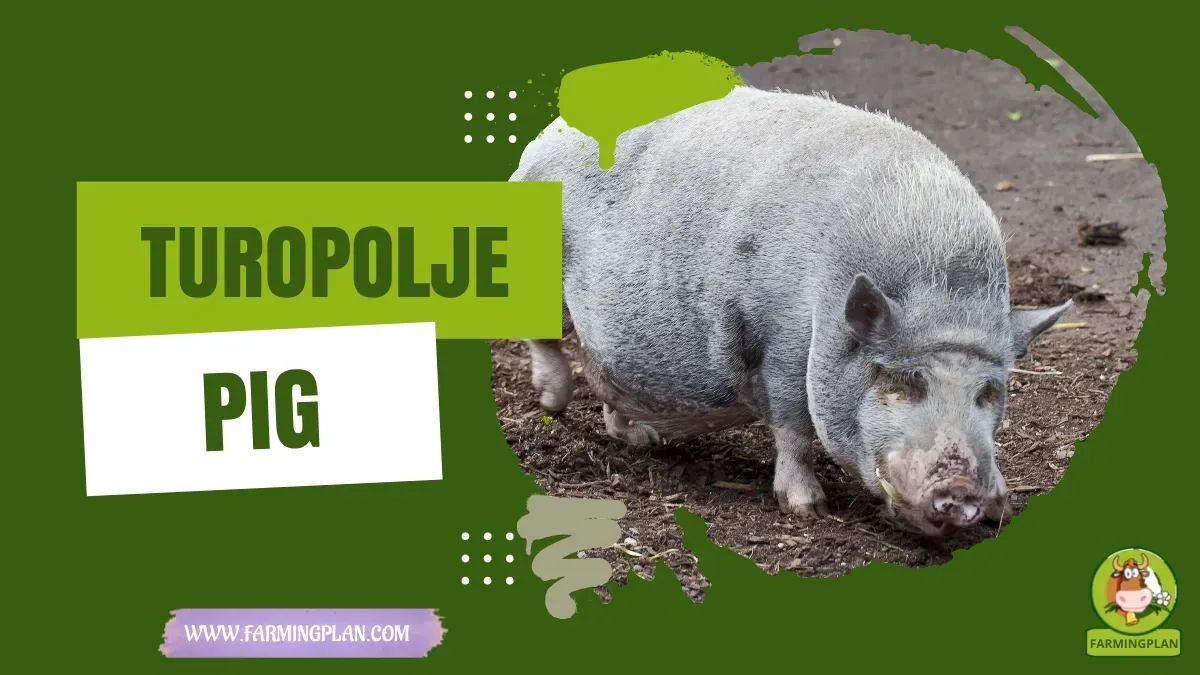
| Coat & Color Pattern | Curly grayish-white or blonde coat with scattered dark brownish-black spots across the body |
| Ear Conformation Trait | Semi-lop forward-drooping ears shielding the eyes during deep woodland and riverbed rooting |
| Average Farrowing Litter Size | 6 to 8 piglets per kindle; strong innate vigor, hardiness, and fierce maternal protection |
| Functional Teat Matrix | 10 to 12 teats delivering rich, nourishing milk supported by wetland forage browse |
| Silvopasture Mast Diet | Grown on pedunculate oak acorns, river mollusks, water chestnuts, tubers, and grasses |
The Turopolje pig (Turopoljska svinja) is one of the oldest, rarest, and most culturally fascinating indigenous swine breeds of central and southeastern Europe. Originating in the historic Turopolje region—a fertile expanse of alluvial floodplains and dense pedunculate oak forests along the Sava River south of Zagreb in Croatia—this hardy swamp swine is celebrated for its unique semi-feral foraging ecology, curly spotted coat, and exceptional survival abilities in waterlogged landscapes. Selecting healthy foundation stock is the cornerstone of successful turopolje pig management.
For centuries, the Turopolje pig lived in harmony with the seasonal pulse of the Sava River basin. When autumn rains flooded the lowlands, herds swam effortlessly across river backwaters to feed on abundant oak acorns, beech mast, freshwater clams, and marsh vegetation. Their thick curly coats, tough dark hooves, and cold-water tolerance allowed them to thrive outdoors year-round where conventional pigs would suffer from foot rot and hypothermia. Good predator-proofing and dry bedding safeguard turopolje pig comfort in harsh weather.
Following severe population declines caused by war, industrial agriculture, and wetland drainage, the Turopolje pig was placed on international endangered species registries. Today, passionate conservation breeders and sustainable farmers practicing regenerative pig farming are reviving this noble breed for premium artisan charcuterie, value-added culinary lard, and wetland silvopasture management.
Medieval Lineage and the Historic Turopolje Noble Community
The documented history of the Turopolje pig dates back to the early Middle Ages. In 1352, King Louis I of Hungary and Croatia granted autonomous privileges to the “Noble Community of Turopolje” (Plemenita Općina Turopolje), a cooperative guild of local freemen who managed communal oak forests and established strict breeding protocols for the region’s native swine. Monitoring water quality and mineral balance directly benefits turopolje pig vitality.
The modern Turopolje breed coalesced in the late eighteenth and nineteenth centuries, when indigenous primitive swamp pigs were crossed with the ancient Krško Polje swine and Austrian Berkshire stock to improve body size and fattening efficiency while retaining total swamp hardiness. By the late 1800s, tens of thousands of Turopolje hogs were driven annually to livestock markets in Vienna and Budapest.
The breed suffered catastrophic losses during the Croatian War of Independence in the 1990s, when frontline combat across the Sava floodplains decimated surviving herds, leaving fewer than 30 registered breeding animals. An international rescue initiative led by the Croatian Agricultural Agency (HPA) and European biodiversity organizations succeeded in saving the breed from extinction. Practical hands-on husbandry ensures consistent results when raising turopolje pig.
Breed Conformation, Curly Spotted Coat, and Wetland Adaptations
The Turopolje pig is a medium-sized swine possessing a sturdy, balanced dual-purpose lard-and-meat conformation. Mature boars weigh between 500 and 620 lbs (225 to 280 kg), while mature sows average 400 to 520 lbs (180 to 235 kg). The frame features a broad, muscular back, deep rib cage, and strong, well-formed limbs with dense black hooves highly resistant to rot.
The coat is distinctive: dense, curly or wavy bristles that are grayish-white, straw-blonde, or silvery cream in color, decorated with scattered dark brownish-black spots across the body and ears. This dense curly coat provides effective insulation against cold water, damp river winds, and biting swamp insects. Early intervention at the first sign of lethargy protects overall turopolje pig flock or herd health.
The head is long and conical with a straight or slightly dished facial profile. The snout is sturdy and straight, designed for rooting into heavy wetland soils. The ears are medium to large, carried forward in a semi-lop position that protects the eyes while foraging through riverbank brambles.
Temperament, Swimming Prowess, and Silvopasture Ecology
Turopolje swine display an intelligent, calm, and self-reliant temperament. While somewhat more independent than modern indoor breeds, they develop peaceful, cooperative relationships with consistent stock handlers, responding promptly to regular feeding routines and voice signals. Structured culling and biosecurity protocols strengthen turopolje pig genetic quality.
A standout behavioral trait is their extraordinary swimming ability. Adapted to living in floodplains, Turopolje pigs willingly enter deep rivers and marshes to reach foraging islands or escape rising floodwaters. They are capable swimmers that submerge their snouts underwater to locate water lily roots, mussels, and submerged tubers.
Sows possess protective, gentle maternal instincts. They construct spacious farrowing nests using reeds, branches, and dry forest debris. In pasture and forest enclosures, sows defend their litters against wild predators while demonstrating careful posture transitions that keep piglet crushing losses minimal. Maintaining clean feeders and sanitized equipment supports sustainable turopolje pig care.
Nutritional Strategies: Mast Grazing, High-Fiber Foraging, and Rations
To produce the world-class fat quality demanded by artisan charcutiers, Turopolje pigs require a slow, pasture-based feeding program centered on oak acorns, grasses, and balanced cereal grains. Overfeeding high-energy pelleted commercial rations causes rapid excess lard deposition and ruins carcass texture.
A practical feeding program for growing pigs blends coarse-ground barley, oats, and field peas formulated to 13% to 14% crude protein with abundant green forage. Allowing pigs access to seasonal pasture, clover, and clover leys provides vital vitamins and natural minerals that promote gut health and immune resilience. Consistent daily observation helps keepers spot early changes in turopolje pig health and behavior.
In autumn, finishing hogs should have access to oak silvopasture stands. Feeding on acorns and beechnuts enriches the pork fat with unsaturated oleic acids, lowering the melting point and creating the silky, nutty flavor profile characteristic of traditional Croatian cured meats. Clean housing, fresh water, and balanced nutrition remain essential for turopolje pig productivity.
Outdoor Paddock Infrastructure, Wetland Drainage, and Fencing
Turopolje swine require extensive outdoor paddocks and cannot tolerate closed indoor confinement. Farm layouts should incorporate large pasture runs, woodland silvopastures, and sturdy mobile field huts bedded deeply with dry straw.
Field huts should provide at least 35 to 40 square feet (3.2 to 3.7 square meters) of covered resting space per mature sow, with generous dry bedding for winter warmth. Natural wallows or water access points allow pigs to cool themselves during hot summer periods while providing a natural insect barrier. Layouts comparable to facilities designed for mulefoot pig lots offer excellent models for clean pasture drainage. Tracking feed intake and body condition supports long-term turopolje pig performance.
Fencing must be exceptionally robust to contain these capable foragers. Two strands of high-tensile electric wire positioned at 6 inches and 18 inches above the ground reliably contain trained animals across field and woodland margins.
Breeding Management, Farrowing Dynamics, and Artisan Meat Quality
The Turopolje is a late-maturing, long-lived heritage breed. Gilts achieve breeding maturity around 10 to 12 months of age, when body weight reaches 220 to 240 lbs (100 to 110 kg). Allowing gilts to attain full skeletal growth before mating ensures strong pelvic conformation and sustained reproductive longevity. Following biosecurity best practices reduces disease risk in any turopolje pig operation.
Litter sizes are modest, typically averaging 6 to 8 healthy, vigorous piglets per kindle. Turopolje sows possess 10 to 12 functional teats and generate rich, high-fat milk that supports steady piglet development up to weaning at 8 to 10 weeks of age.
In the culinary sector, Turopolje pork is celebrated for its deep red color, fine marbling, and delicious, melt-in-your-mouth lard. It is the premier raw ingredient for authentic Croatian specialties, including Turopoljski špek (cured bacon), dry-cured sausages, and aged hams. Coordinating heritage pig production alongside pastoral enterprises like dairy farming creates a diversified, highly profitable agricultural business. Seasonal adjustments to shelter and diet keep turopolje pig thriving year-round.
Estimated Annual Budget & Maintenance Costs (USD)
Because Turopolje pigs take 18 to 24 months to reach optimal finishing weights of 300 to 350 lbs (136 to 160 kg), annual budgets reflect extended feeding periods balanced against high market values for specialty charcuterie. The following table provides an estimated annual budget per mature breeding animal.
| Budget Category | Operational Input & Specification | Estimated Annual Cost (USD) |
|---|---|---|
| Grain & Supplemental Feed | Coarse ground barley, oats, field peas, wheat bran | $430 – $610 |
| Pasture & Silvopasture Grazing | Oak forest access, clover seeding, wetland maintenance | $120 – $195 |
| Veterinary & Preventative Care | Routine deworming, basic vaccinations, wound treatment | $70 – $115 |
| Field Shelters & Clean Straw Bedding | Timber hut upkeep, dry straw bedding, windbreaks | $90 – $150 |
| Electric Fencing & Wallows | Solar energizers, high-tensile wire, wallow drainage | $80 – $130 |
| Conservation Registration & Tags | DNA pedigree verification, ear tags, registry fees | $50 – $85 |
| Total Projected Cost | Estimated annual maintenance cost per mature breeding pig | $840 – $1,285 |
Operations that manage rotational grazing alongside livestock systems like raising sheep achieve superior pasture regeneration and spread seasonal labor overhead across complementary enterprises. Proper record-keeping makes breeding and culling decisions easier for turopolje pig keepers.
🐖 Turopolje Pig Swine Daily Feed Calculator
Calculate daily grower/finisher rations (lbs), monthly 50-lb feed bags, pen space, and water needs for your Turopolje Pig pigs.
Frequently Asked Questions (FAQ)
What makes the Turopolje pig uniquely adapted to wetlands and swamps?
The Turopolje pig evolved in the floodplains of the Sava River in Croatia. It possesses hard black hooves that resist foot rot, a dense curly coat that repels moisture and cold winds, and a natural ability to swim across flooded channels to graze wetland vegetation and acorns.
What is the average mature weight of a Turopolje pig?
Mature Turopolje boars weigh between 500 and 620 lbs (225 to 280 kg), while mature sows weigh between 400 and 520 lbs (180 to 235 kg), representing a medium-to-large dual-purpose heritage swine breed.
Why is Turopolje pork and lard prized by artisan butchers?
Turopolje pork has deep marbling, dark red lean muscle, and clean white lard rich in unsaturated oleic fatty acids from acorn foraging. It produces world-class dry-cured bacon (Turopoljski u0161pek), sausages, and aged hams that do not shrink or dry out.
How long does it take for a Turopolje pig to reach market weight?
Turopolje pigs are a slow-maturing heritage breed that requires 18 to 24 months of outdoor pasture and forest foraging to reach their ideal harvest weight of 300 to 350 lbs (136 to 160 kg).
How many piglets do Turopolje sows typically farrow per litter?
Turopolje sows typically farrow 6 to 8 healthy piglets per kindle. While litter sizes are modest, sows possess exceptional maternal devotion, rich milk production, and high piglet weaning survival rates in outdoor paddocks.
Best Practices for Turopolje Conservation and Silvopasture Husbandry
Successfully farming Turopolje swine requires dedication to slow food principles, outdoor pasture access, and disciplined pedigree preservation. Avoid high-energy pelleted feeds that ruin carcass quality, focusing instead on diverse forage, acorns, and clean whole grains.
Sanitary feeding troughs, clean mud wallows, and biosecurity protocols modeled on modern livestock infrastructure, including standards seen in poultry equipment and swine handling systems, keep herd parasite loads low across seasonal pasture rotations. Providing adequate space and ventilation prevents common stress issues in turopolje pig.
Marketing heritage pork directly through farm shops, farmers markets, and local butcher partnerships allows producers to command premium prices that reward pasture-based farming. By preserving authentic pedigree bloodlines, farmers sustain a magnificent Croatian heritage breed while running a thriving rural business.
In addition, maintaining detailed genealogical sow records and utilizing digital farrowing tracking systems allows herd managers to identify superior maternal bloodlines with high statistical confidence. For additional husbandry benchmarks and feeding standards, explore our complete Pietrain Pig care guide. Understanding breed-specific traits helps maximize turopolje pig longevity and output.
Investing in certified Turopolje seedstock equips progressive swine producers with a dependable, health-resilient foundation for long-term commercial herd profitability and market excellence.
📚Agricultural Reference & Scientific Citations
Standards and physiological data referenced in this guide comply with USDA APHIS Swine Health, FAO Domestic Animal Diversity Information System, and the American Veterinary Medical Association (AVMA).


