I have spent over fifteen years working closely with working breeds, and I can tell you that the Siberian Husky remains one of the most stunning, intelligent, and thrilling dogs you will ever meet. Many people ask me, “Is a Siberian Husky a good pet?” When you look into those iconic Siberian Husky eyes, which can range from striking blue to warm brown or even multi-colored, you immediately see their sharp intelligence and playful spirit.
The answer depends on your daily activity level and willingness to dedicate time to exercise. These dogs carry a lovely double coat in striking Siberian Husky white or deep Siberian Husky black variations. Pups bring immense joy into any home, but they require proper guidance, high-quality nutrition, and structured daily routines. I wrote this guide to share my hands-on experience so you can give your beautiful pup the best life possible.
| Attribute / Metric | Specification & Benchmark |
|---|---|
| Classification & Class | Canine / Working & Guardian Dog (Canis familiaris) |
| Primary Production Focus | Livestock Guardian (LGD), Predator Deterrence & Herding |
| Productivity / Performance Yield | 24/7 pasture protection for sheep, goats, poultry & cattle |
| Mature Benchmark Weight / Size | Males: 85–140 lbs (38–64 kg) | Females: 70–115 lbs (32–52 kg) |
| Temperament & Behavior | Devoted to livestock, calm guardian demeanor, fearless defender |
| Climate & Environmental Hardiness | Dense double weather-resistant coat; thrives outdoors |
| Management & Homestead Rating | Beginner to Intermediate Friendly |
History & Origin Of Siberian Husky
The story of this incredible breed begins thousands of years ago in the harsh, frozen expanses of Northeastern Asia. The Chukchi people of Siberia developed these resilient dogs to pull light loads over vast, icy distances in extreme sub-zero conditions. These early working dogs were not just power animals; they were vital members of the indigenous families who shared their living quarters and protected children during brutal Arctic winters. Agricultural producers frequently evaluate their homestead utility alongside reliable stock like German Shepherd and Belgian Malinois Dog and Newfoundland.
In the early twentieth century, traders brought these remarkable canines to Alaska to compete in grueling long-distance sled races like the All-Alaska Sweepstakes. Spectators quickly noticed their extraordinary speed, remarkable stamina, and surprising agility compared to heavier freighting dogs. Their global fame exploded in 1925 during the famous Serum Run to Nome, where relay teams of these brave dogs traveled hundreds of miles through deadly blizzards to deliver life-saving diphtheria antitoxin. Understanding this historical background explains why your dog possesses such an incredible desire to run, explore, and work alongside human companions today.
Characteristics Of Siberian Husky
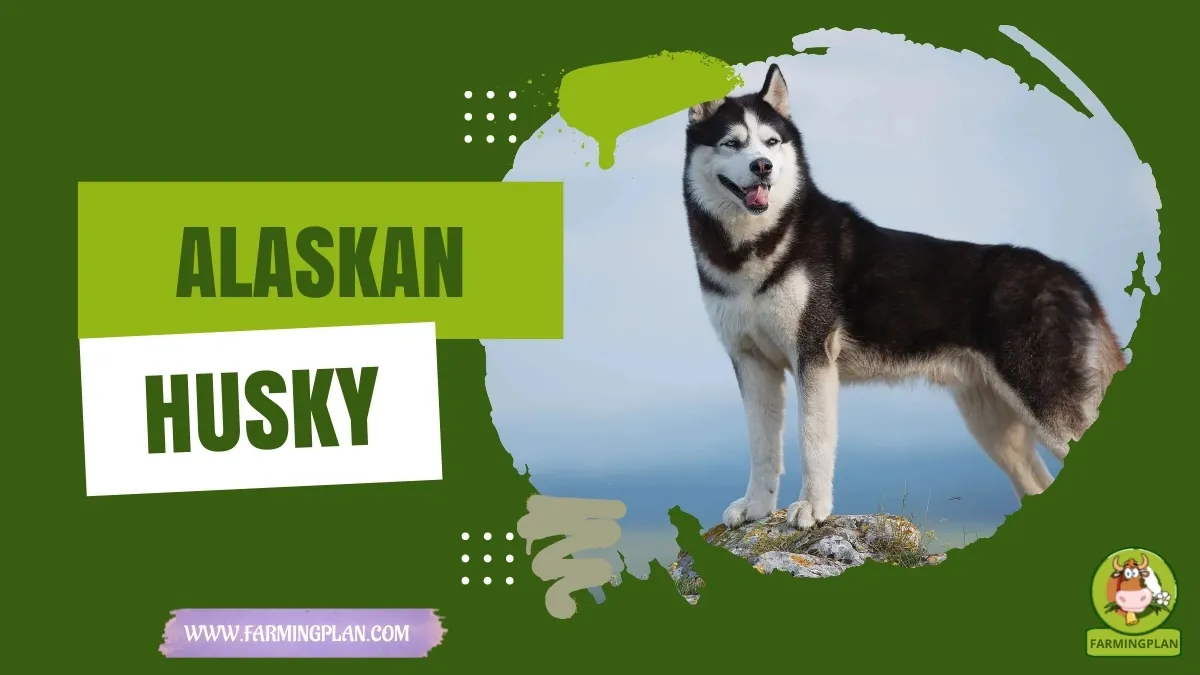
When analyzing physical traits, people often ask about the differences in Siberian husky vs husky breeds. The true Siberian variant is a medium-sized working dog with refined proportions, balance, and incredible athletic grace. Males typically stand between twenty-one and twenty-three and a half inches tall at the shoulder, while females remain slightly smaller. Their thick double coat consists of a dense, cashmere-like undercoat and a straight guard hair topcoat that protects them against severe weather conditions.
Their physical coat variations present a wonderful spectrum of colors, ranging from pure Siberian Husky white to striking Siberian Husky black and white combinations, agouti, copper, and silver shades. Their almond-shaped eyes are famous worldwide, presenting bright blue, deep brown, or heterochromia, where each eye features a completely different color. Their high-set erect ears and bushy sickle tail complete their regal, wolf-like appearance. With proper health management, nutrition, and safety precautions, the typical Siberian Husky lifespan spans twelve to fourteen years, allowing you to enjoy many wonderful seasons together.
Nature and Temperament Of Siberian Husky
Understanding the distinct Siberian Husky temperament is essential before bringing one into your home. These dogs possess an outgoing, friendly, and deeply social personality that makes them bond quickly with every member of your household. They do not make good guard dogs because they generally welcome strangers with enthusiastic tail wags rather than defensive barking. However, their high intelligence comes with an independent streak that requires confident, positive leadership.
Because nomadic tribes bred these dogs to live and work in cooperative packs, they get along exceptionally well with other medium to large dogs. They display a high prey drive toward smaller animals like cats, rabbits, or squirrels due to their working instincts. They are famously vocal, choosing to communicate through melodic howls, yodels, and playful talks rather than traditional barks. If you provide them with physical activity and clear boundaries, their affectionate and witty nature will brighten your life every single day.
Food & Diet Of Siberian Husky
Feeding your working dog requires a balanced approach focused on dense nutrition rather than sheer food volume. Historically, these dogs evolved to burn calories with extreme efficiency while pulling sleds in freezing temperatures. As a result, they eat surprisingly less food than other energetic breeds of similar physical size. High-quality animal protein like chicken, salmon, beef, or lamb should always represent the primary ingredient in their daily diet.
I recommend splitting their total daily ration into two distinct meals to prevent stomach bloat and maintain steady energy levels. Include healthy fats like omega-3 fatty acids to keep their dense double coat shiny and maintain skin health. Avoid feeding your dog right before or immediately after intense physical exercise to reduce digestive stress. Keep toxic human foods far away from their reach, including chocolates, grapes, raisins, onions, garlic, and cooked poultry bones that can splinter internally. Always ensure fresh, clean water is available throughout the day.
Usage and Purpose Of Siberian Husky
While these energetic dogs began their journey as dedicated sled-pulling animals in freezing wilderness environments, their modern roles have expanded significantly across the world. They excel in competitive canine sports such as skijoring, bikejoring, dog trekking, and urban mushing. Participating in harness sports allows these dogs to channel their instinctual desire to pull in a safe, structured, and joyful manner.
Beyond pull sports, they serve as enthusiastic hiking companions, agility competitors, and affectionate therapy dogs in community facilities. Their friendly demeanor makes them wonderful family pets for active households that spend plenty of time outdoors. They love accompanying their owners on long morning runs, camping trips, and weekend wilderness excursions. Engaging them in regular physical activities prevents behavioral issues while strengthening the human-canine bond.
Special Features Of Siberian Husky
What is husky famous across the globe? Beyond their striking physical beauty, these dogs possess extraordinary biological adaptations that set them apart from standard domestic breeds. Their unique metabolism allows them to regulate glycogen stores and burn fat efficiently without exhausting their body tissue during long journeys. This incredible physiological efficiency allows them to travel great distances with minimal fatigue.
Another remarkable feature is their weather-resistant coat, which insulates them against freezing temperatures as low as fifty degrees below zero Fahrenheit while reflecting heat in warm summer seasons. Their almond eyes squint naturally to protect against blowing snow and harsh sunlight reflection. Furthermore, their innate ability to communicate through complex vocal tones and expressive facial gestures makes them one of the most uniquely communicative breeds in the entire canine kingdom.
Health Issues & Prevention Of Siberian Husky
Maintaining optimal physical health requires proactive medical care and routine health screenings. While generally a hardy and robust breed, these dogs are genetically prone to specific health issues like juvenile cataracts, progressive retinal atrophy, and corneal dystrophy. Regular veterinary ophthalmologist exams ensure early detection and treatment of potential vision problems.
Hip dysplasia can also affect active dogs, so always verify that breeding lines carry official hip certifications. Hypothyroidism, which affects metabolic function and coat quality, can develop in adult dogs but responds well to synthetic hormone treatment. Maintain a strict vaccination schedule, apply regular flea and tick preventatives, and schedule yearly health checkups. Consistent dental care, coat brushing, and nail trimming prevent secondary infections and keep your dog feeling great.
Comprehensive Pet Owner Care Guide Of Siberian Husky
Raising a healthy, happy pup requires a structured environment, clear boundaries, and consistent daily care routines. When potential owners inquire about the Siberian Husky puppy price, I always remind them that the initial purchase price is just a small portion of the long-term investment. You must budget for high-quality food, secure fencing, crate equipment, medical care, and training tools over their entire life. Following a systematic care plan from day one will transform your young Siberian Husky puppy into a well-mannered companion.
Step 1: Preparing Your Home Environment and Secure Boundaries
Before bringing your puppy home, inspect your house and yard thoroughly to eliminate safety hazards. Secure all electrical cords, store household chemicals in locked cabinets, and remove toxic indoor plants from floor level. Purchase a heavy-duty crate, comfortable bedding, durable chew toys, and a sturdy stainless-steel food and water bowl set.
Your outdoor yard area demands special security measures because these dogs are famous escape artists. Install high, sturdy fencing that extends at least six feet above ground to prevent high jumping. Secure the fence base with concrete or heavy garden stones to prevent digging underneath. Always check gate latches twice before letting your dog out into the yard unsupervised.
Step 2: Establishing Daily Feeding and Hydration Schedules
Create a consistent daily feeding schedule by offering meals at the exact same times every morning and evening. For young puppies, divide their daily food allowance into three or four small meals to support rapid digestion and growth. Transition gradually to two meals per day as your puppy approaches six months of age. Measure meal portions carefully using a standard cup to avoid overfeeding and unnecessary weight gain. Provide clean, filtered water in heavy, non-tip bowls at all times, especially after vigorous outdoor play sessions. Wash their food and water dishes daily to prevent bacterial growth and maintain proper digestive hygiene.
Step 3: Implementing Positive Reinforcement Obedience Training
Begin basic obedience training the moment your new pup steps inside your home. Use positive reinforcement techniques such as high-value treats, verbal praise, and fun play rewards to reinforce good behavior. Focus early lessons on essential commands like sit, stay, come, leave it, and loose-leash heel walking. Keep training sessions short, energetic, and engaging, lasting around five to ten minutes each to hold your puppy’s attention. Never use harsh physical punishments or aggressive correction methods, as this breed responds poorly to intimidation. Consistency, clear signals, and patient repetition will yield outstanding obedience results over time.
Step 4: Providing Daily Physical Exercise and Mental Stimulation
Your working dog needs at least sixty to ninety minutes of vigorous physical activity every single day. Plan daily activities like brisk walks, jogging sessions, interactive games of fetch, or pulling exercise on harness setups. Physical exertion burns off excess energy and keeps your dog calm and content indoors. Combine physical exercise with challenging mental stimulation activities to keep their sharp mind working. Use puzzle toys, snuffle mats, hide-and-seek games, and scent work exercises inside your living room. A mentally satisfied dog is far less likely to engage in destructive chewing, howling, or digging behaviors around your home.
Step 5: Routine Grooming and Seasonal Coat Maintenance
Establish a regular grooming routine early so your puppy becomes comfortable with handling. Brush their dense coat two to three times a week using a slicker brush and undercoat rake to remove loose fur. During bi-annual coat blow seasons, brush your dog daily to manage the heavy hair shed. Bathe your dog only when necessary, typically every few months, using a mild, soap-free dog shampoo that preserves natural skin oils. Trim their nails every three weeks to prevent foot pain and structural joint stress. Check their ears weekly for redness or odor, and brush their teeth regularly with dog-safe toothpaste to maintain fresh breath and healthy gums.
Expert Tips & Best Practices For Siberian Husky
Essential Guidelines for Sled Dog Owners
- Always use a secure harness rather than a neck collar when walking or jogging with your dog to protect their throat.
- Install high-quality safety locks on all yard gates and entry doors to prevent unexpected escape attempts.
- Keep your dog indoors in air-conditioned spaces during hot summer days to prevent heatstroke.
- Microchip your pup immediately and attach clear identification tags to their primary collar.
- Avoid off-leash walks in unfenced areas because their high prey drive can cause them to run off suddenly.
- Provide durable rubber chew toys to keep their jaw strong and satisfy their natural chewing instincts.
- Introduce your puppy to diverse sights, sounds, humans, and other dogs during their early socialization window.
FAQs
Is a Siberian Husky a good pet?
Yes, they make wonderful pets for active families who provide regular exercise, early training, and secure living environments. Their friendly nature and intelligence make them loving companions. However, they are not ideal for low-activity households or owners who are away for long hours.
Is a Siberian Husky expensive?
Purchasing a healthy puppy from a reputable breeder typically costs between $800 and $2,500 depending on pedigree and health testing. Ongoing expenses include premium nutrition, routine veterinary care, secure fencing, grooming supplies, and quality gear. Budgeting for their entire lifetime ensures you can comfortably support their needs.
What is husky famous for?
This breed is world-famous for its incredible sled-pulling endurance, striking wolf-like appearance, beautiful eye colors, and vocal howling. They earned historical fame during the 1925 Nome Serum Run by saving countless lives across Alaska. Today, people adore them for their friendly personality and athletic abilities.
Can Huskies live 20 years?
While can Huskies live 20 years is a common question among prospective owners, reaching two decades is extremely rare for this breed. Their average lifespan typically ranges between twelve and fourteen years with optimal care. Excellent nutrition, regular exercise, routine vet checkups, and early disease prevention maximize their healthy years.
How much exercise does a Siberian Husky need daily?
An adult dog requires at least sixty to ninety minutes of vigorous exercise every single day to stay physically healthy and mentally balanced. Activities like running, hiking, harness pulling, and interactive games fulfill their natural working drive. Skimping on exercise often leads to destructive behaviors like digging, chewing, or excessive vocalization.
Conclusion
Bringing an energetic working dog into your life is an incredibly rewarding journey filled with laughter, outdoor adventure, and deep companionship. Throughout this guide, we explored their rich Arctic history, striking physical characteristics, friendly temperament, nutritional requirements, and comprehensive step-by-step care strategies. If you dedicate time to proper socialization, daily physical exercise, positive reinforcement training, and secure yard management, your canine companion will thrive alongside your family for many wonderful years. Now that you understand what it takes to raise a happy, healthy dog, are you ready to open your home to this fantastic breed? Share your thoughts, drop a comment about your dog experiences below, and pass this guide along to fellow dog lovers in your community!