

| Characteristic | Breed Standard | Smallholder Production Significance |
|---|---|---|
| Breed Classification | Dual-Purpose Heavy Mediterranean Fowl (Gallus gallus domesticus) | Superior dark brown egg yield and high-quality culinary table meat |
| Mature Rooster Weight | 5.7 to 7.0 lbs (2.6 to 3.2 kg) | Muscular, proud sire with unique multi-pointed clavell comb |
| Mature Hen Weight | 4.4 to 5.5 lbs (2.0 to 2.5 kg) | Deep-bodied, calm laying dam with productive laying longevity |
| Annual Egg Production | 170 to 200 dark reddish-brown eggs (60 to 65 grams) | Famous for intense dark terracotta color comparable to French Marans |
| Comb & Earlobe Structure | Single comb with lateral lobes at rear (clavell comb); red earlobes | Distinctive genetic marker signifying pure Catalan landrace lineage |
| Shank & Skin Pigment | Bright yellow shanks and skin, completely free of feathers | Clean leg hygiene on pasture with excellent carcass presentation |
| Temperament & Activity | Docile, calm, active forager, low aggression in mixed flocks | Excellent fit for pastured egg operations and backyard flocks |
Breed Overview and Production Statistics
The Gallina Empordanesa chicken is an iconic Catalan heritage breed native to the Empordà region of northeastern Spain, encompassing both the Alt and Baix Empordà districts near the French border. Celebrated across Europe for laying exceptionally rich, dark reddish-brown eggs with deep terracotta tones, this rustic Mediterranean fowl combines striking plumage aesthetics with productive dual-purpose utility. Characterized by its unique clavell comb, red earlobes, and yellow shanks, the Empordanesa represents a pinnacle of Spanish poultry breeding, delivering high culinary egg quality, fine-grained meat, and robust climate hardiness for diversified farmsteads. Matching forage or ration quality to life stage optimizes gallina empordanesa chicken growth.
Unlike commercial brown egg hybrids that lay pale, uniform shells, the Catalan dark brown egg chicken produces glossy, heavy eggs with thick protective cuticles and rich golden yolks. In this production guide, we provide a complete technical overview of Gallina Empordanesa husbandry, covering genetic plumage varieties, clavell comb standards, coop ventilation, optimal laying rations, biosecurity protocols, and smallholder direct-marketing economics. Gradual dietary transitions protect digestive stability in gallina empordanesa chicken.
Catalan History and Agronomic Origins
The origins of the gallina empordanesa chicken breed date back to the historic agricultural plains of Catalonia, where farmers in the Empordà region selectively bred local landrace fowl for both egg production and premium meat quality. Historically, rural poultry keepers observed that certain native hens laid distinctively dark, chocolate-toned eggs that commanded premium prices in markets across Barcelona and southern France. By selecting for this dark egg pigmentation alongside vigor and calm temperament, the Empordanesa was firmly established. Selecting healthy foundation stock is the cornerstone of successful gallina empordanesa chicken management.
In the early twentieth century, Professor Rossell i Vilà documented the breed’s unique morphological landmarks, particularly its carnation comb (crestada en clavell). Following the devastation of the Spanish Civil War and the influx of foreign industrial hybrids, the breed declined sharply. However, pioneering preservation efforts initiated in the 1980s by the Institute of Agrifood Research and Technology (IRTA) in Catalonia helped recover and standardize the core color varieties, preserving this exceptional dark brown egg layer for future generations. Good predator-proofing and dry bedding safeguard gallina empordanesa chicken comfort in harsh weather.
Conformation Standards and Clavell Comb Anatomy
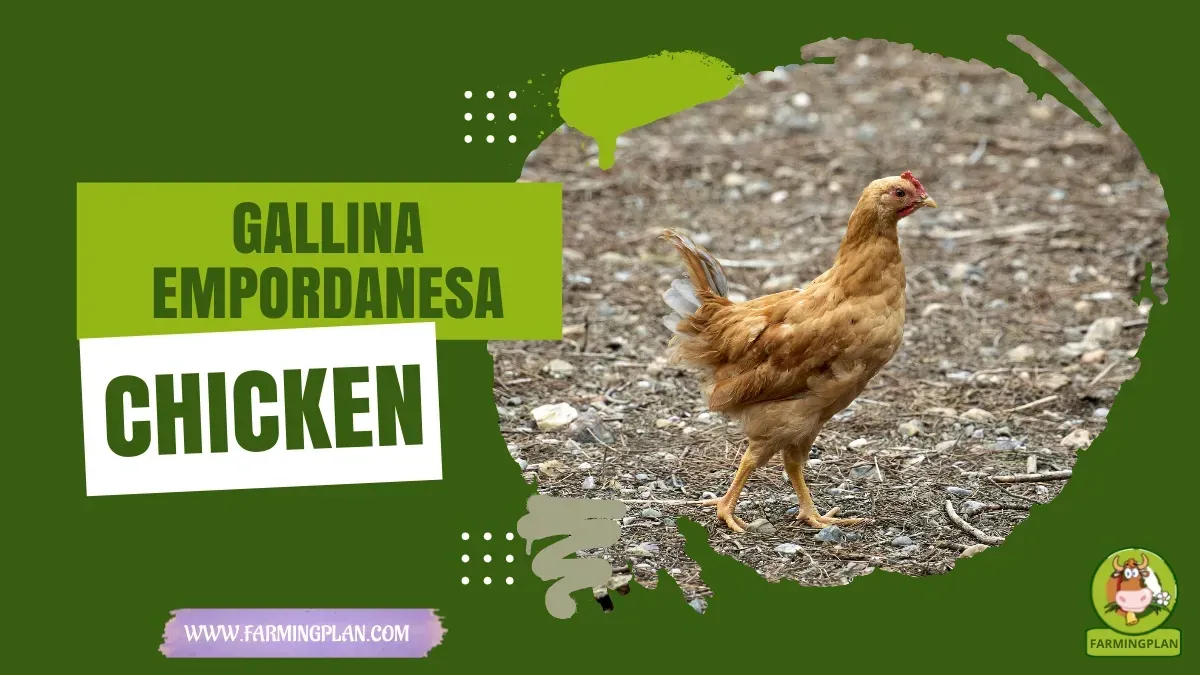
The conformation of the gallina empordanesa chicken characteristics combines Mediterranean elegance with substantial, dual-purpose body mass. The torso is cylindrical and deep, carrying a broad back that slopes gently toward an elevated tail carried at 45 degrees. The breast is wide and prominent, providing generous muscle coverage. Unlike light Mediterranean breeds, the Empordanesa feels solid and heavy in the hands, indicating superior carcass fleshiness. Monitoring water quality and mineral balance directly benefits gallina empordanesa chicken vitality.
Regarding gallina empordanesa chicken size and weight, mature cocks weigh 2.6 to 3.2 kg (5.7 to 7.0 lbs), while hens achieve 2.0 to 2.5 kg (4.4 to 5.5 lbs). The head is medium in size with bright reddish-orange eyes and rich red earlobes. The defining feature is the clavell comb: a single serrated blade that branches at the posterior blade into two or three lateral serrated lobes, resembling a miniature carnation flower. Both cocks and hens display this distinctive comb trait. Practical hands-on husbandry ensures consistent results when raising gallina empordanesa chicken.
The gallina empordanesa chicken temperament is gentle, trusting, and cooperative. Unlike flighty light breeds, these birds handle human interaction calmly and integrate smoothly into multi-breed backyard flocks without bullying or feather pecking vices.
Coop Design and Mediterranean Pasture Housing
Housing for Gallina Empordanesa chickens should balance winter draft protection with high-volume summer ventilation. Because this breed possesses moderate Mediterranean comb tissue, severe damp cold can predispose birds to comb frostbite. Provide an insulated, dry coop with 0.35 to 0.45 square meters (3.5 to 5.0 square feet) of indoor floor area per bird, equipped with wide wooden roosts positioned 75 cm above the floor. Review structured layout options in our guide on chicken coop design and predator proofing. Early intervention at the first sign of lethargy protects overall gallina empordanesa chicken flock or herd health.
Ensure nest boxes are dark, secluded, and lined with clean straw or wood shavings. Because dark egg pigmentation can be scuffed if eggs rub against wire or abrasive surfaces, clean nesting bedding preserves the glossy terracotta finish of freshly laid eggs. Provide one nest box for every four laying hens. Structured culling and biosecurity protocols strengthen gallina empordanesa chicken genetic quality.
Ventilation should incorporate low-velocity eaves vents and high ridge exhaust vents, ensuring continuous air exchange without creating chilling drafts at roost level. In hot climates, install double-roof shade eaves to prevent radiant solar overheating inside the coop. Maintaining clean feeders and sanitized equipment supports sustainable gallina empordanesa chicken care.
Foraging Habits and Range Management
Empordanesa chickens are vigorous and enthusiastic pasture foragers. When granted access to open grass runs, orchard plots, or clover pastures, they actively search for weed seeds, ground insects, beetles, and wild legumes. Their strong, unfeathered yellow shanks make them efficient ground scratchers that quickly cycle garden mulch and orchard leaves without causing excessive pasture erosion. Consistent daily observation helps keepers spot early changes in gallina empordanesa chicken health and behavior.
To maximize pasture vitality, implement a rotational paddock system utilizing portable electric poultry netting. Moving the flock every two weeks prevents bare soil patches, manages external parasite exposure, and ensures hens consistently consume fresh, carotenoid-rich greens that impart deep orange pigmentation to their egg yolks. Explore range techniques in our chicken farming management hub. Clean housing, fresh water, and balanced nutrition remain essential for gallina empordanesa chicken productivity.
Nutritional Strategies for Dark Egg Production
Producing heavy, dark-shelled eggs requires comprehensive nutrition. Laying hens require a balanced 16% to 18% crude protein layer mash or pellet containing optimal levels of methionine, lysine, and trace minerals. Iron, copper, and protoporphyrin precursors are essential for synthesizing the rich brown ooporphyrin pigments secreted onto the shell during the final hours of egg formation.
Supply free-choice coarse oyster shell or limestone grit in a separate container. Laying hens producing dense, thick-shelled eggs have high calcium turnover and will naturally consume the required mineral amounts without over-consuming base feed. In summer, ensure cool, clean drinking water is shaded, as heat stress immediately causes shell thinning and pigment reduction. Tracking feed intake and body condition supports long-term gallina empordanesa chicken performance.
During late summer and autumn when hens begin their annual molt, increase dietary protein to 18% to 20% by feeding sprouted grains, black oil sunflower seeds, or mealworms to support rapid feather replacement and restore pigment synthesis reserves. Following biosecurity best practices reduces disease risk in any gallina empordanesa chicken operation.
Flock Biosecurity and Preventative Health
Maintaining strict biosecurity prevents infectious avian diseases from disrupting your laying flock under guidelines established by the USDA Animal and Plant Health Inspection Service. Establish a dedicated quarantine coop for all new bird acquisitions, isolating them for a minimum of 30 days before integrating them into the resident flock. Maintain dedicated footwear for coop chores to prevent tracking pathogens from off-farm sources. Seasonal adjustments to shelter and diet keep gallina empordanesa chicken thriving year-round.
Standard vaccination schedules should include immunization against Marek’s disease at hatch, along with Newcastle disease, Infectious Bronchitis, and Fowl Pox. Regular flock testing for Salmonella and Mycoplasma ensures breeding stock remains free from systemic egg-transmitted pathogens. Explore avian health management across our poultry and waterfowl directory. Proper record-keeping makes breeding and culling decisions easier for gallina empordanesa chicken keepers.
Routine coop sanitization prevents internal and external parasite proliferation. Provide dust bathing stations filled with fine sand, wood ash, and sulfur powder to suppress northern fowl mites and lice. Clean droppings boards weekly and apply agricultural lime to suppress ammonia emissions and moisture. Providing adequate space and ventilation prevents common stress issues in gallina empordanesa chicken.
Breeding Herd Selection and Comb Genetics
Breeding pure Gallina Empordanesa chickens requires strict selection for correct comb architecture, earlobe pigmentation, and eggshell color. Retain breeding roosters that display a well-formed clavell comb with distinct lateral rear lobes, solid red earlobes with zero white enamel leakage, and bright yellow shanks. Cocks should demonstrate calm masculinity and attentiveness to hens. Understanding breed-specific traits helps maximize gallina empordanesa chicken longevity and output.
Hens should be selected using a standardized egg color chart, breeding only from dams that consistently lay eggs achieving a deep chocolate or terracotta tone (scores 6 to 8 on the 9-point scale). Avoid breeding from birds that lay pale brown or spotted cream eggs, as shell pigment density is polygenic and rapidly degrades without vigilant selection.
Empordanesa hens rarely go broody, making artificial incubation the preferred method for flock reproduction. Collect clean hatching eggs, storing them at 13°C to 15°C (55°F to 60°F) for no longer than seven days. Incubate eggs at 37.5°C (99.5°F) with 45% to 50% relative humidity, elevating humidity to 65% during the final three days of hatching. Routine preventive care saves time and lowers veterinary costs for gallina empordanesa chicken.
Egg Quality and Carcass Characteristics
The culinary profile of the Gallina Empordanesa is celebrated in Spanish gastronomy. The eggs are prized by pastry chefs and artisanal bakers for their rich, high-viscosity whites and large, intensely orange yolks. The dark shell possesses a dense cuticle that significantly extends shelf life and reduces internal moisture evaporation. Matching forage or ration quality to life stage optimizes gallina empordanesa chicken growth.
In addition to egg production, surplus cockerels produce superb table poultry. Finished on pasture and crushed grains, cockerels reach 2.2 to 2.6 kg liveweight at 18 to 22 weeks, yielding tender, succulent meat with clean yellow skin and delicate, aromatic fat. In Catalonia, capons of the Empordanesa breed are traditionally prepared for grand holiday banquets. Gradual dietary transitions protect digestive stability in gallina empordanesa chicken.
Farm Economics and Direct-Market Enterprise
The distinctive dark brown eggs of the Gallina Empordanesa provide strong market differentiation and pricing power. While commodity brown eggs sell for $3.00 to $4.50 per dozen, authentic dark terracotta heritage eggs easily command $8.00 to $12.00 per dozen through boutique grocery stores, farmers markets, and farm-to-table restaurants. Review foundational financial modeling in our guide on how to start poultry farming step by step. Selecting healthy foundation stock is the cornerstone of successful gallina empordanesa chicken management.
| Expense Category | Operational Details | Cost per Hen (USD) | Flock Total (35 Hens) |
|---|---|---|---|
| Replacement Pullet Cost | Heritage chick acquisition & brooding | $9.00 | $315.00 |
| Layer Ration & Grains | 40 kg balanced layer feed @ $0.46/kg | $18.40 | $644.00 |
| Coop Bedding & Pine Shavings | Deep litter wood shavings & nest straw | $3.20 | $112.00 |
| Veterinary & Mineral Shells | Oyster shell, grit, vitamins & dewormer | $2.80 | $98.00 |
| Custom Egg Packaging | Clear window cartons showcasing dark shells | $3.60 | $126.00 |
| Netting & Equipment Share | Electric fence netting & waterer depreciation | $2.50 | $87.50 |
| Total Annual Cost | Total Operating Cost per Laying Hen | $39.50 | $1,382.50 |
| Gross Egg Revenue | 15 dozen dark eggs per hen @ $8.50/dozen | $127.50 | $4,462.50 |
| Net Annual Profit | Net Operating Margin to Producer | $88.00 | $3,080.00 |
To dive deeper into heritage egg production and poultry husbandry, check our specialized chicken farming resources, review avian flock care in our poultry and waterfowl section, or explore sustainable livestock operations in our livestock farming resource center. Good predator-proofing and dry bedding safeguard gallina empordanesa chicken comfort in harsh weather.
🐔 Gallina Empordanesa Chicken Flock Feed & Egg Yield Calculator
Estimate daily layer feed (lbs), monthly 50-lb feed bags, coop and run requirements, and expected weekly fresh egg yield for your Gallina Empordanesa Chicken flock.
Frequently Asked Questions
What color eggs does the Gallina Empordanesa chicken lay?
The Gallina Empordanesa chicken is famous for laying exceptionally dark reddish-brown eggs with deep terracotta or chocolate tones, comparable in intensity to the French Marans breed.
What is a clavell comb on an Empordanesa chicken?
A clavell comb (or carnation comb) is a unique genetic feature where a single serrated comb branches at the posterior blade into two or three lateral serrated lobes, resembling a miniature carnation flower. Both cocks and hens display this distinctive breed hallmark.
How many eggs does an Empordanesa hen lay per year?
A mature Gallina Empordanesa hen typically lays between 170 and 200 large, dark reddish-brown eggs per year (60 to 65 grams each), maintaining steady egg production over several years.
Are Gallina Empordanesa chickens docile?
Yes. Despite their active foraging habits, Empordanesa chickens possess a gentle, calm, and tractable temperament, making them easy to handle and ideal for small homesteads and family farms.
Do Empordanesa hens frequently go broody?
No. The Gallina Empordanesa is a non-broody or rarely broody breed. To propagate the flock, eggs are typically hatched using artificial incubators or placed under reliable surrogate broody hens.
Best Practices for Dark Egg Layer Management
To sustain exceptional egg color and flock vitality in your Gallina Empordanesa birds, observe three fundamental guidelines. First, maintain high mineral levels with free-choice oyster shell and clean water to support dense shell and pigment deposition. Second, protect the unique clavell comb from winter dampness and freezing winds by ensuring effective dry coop ventilation. Finally, practice rigorous breeding selection by utilizing standardized egg color swatches to ensure only the deepest terracotta egg layers produce replacement pullets.

📚Agricultural Reference & Scientific Citations
Standards and physiological data referenced in this guide comply with American Poultry Association (APA), The Livestock Conservancy, and USDA APHIS Avian Biosecurity Standards.


