

⚡ Enderby Island Rabbit at a Glance: Key Breed Benchmarks & Heritage Standards
| Conservation Status | Critically Endangered heritage population; globally preserved following a 1992 island rescue mission |
| Geographic Provenance | Enderby Island, Auckland Islands archipelago (50° South latitude, Subantarctic New Zealand) |
| Mature Adult Weight | 3.5 to 4.5 lbs (1.6 to 2.0 kg); compact, lightweight frame adapted for rugged foraging |
| Coat Color & Fiber Structure | Dense silver-grey pelt with slate-blue underfur, black guard hairs, and white frosted ticking |
| Average Litter Size | 3 to 5 kits per kindling; does exhibit attentive, calm maternal behavior |
| Dietary Adaptation | Thrifty feed converter; excels on high-fiber grass hay and modest plain commercial pellets |
| General Temperament | Naturally cautious yet gentle and docile when socialized; retains survival alert instincts |
| Primary Stewardship Role | Genetic conservation, heritage exhibition, living historical education, smallholder homesteading |
The Enderby Island rabbit represents one of the rarest, most biologically resilient lagomorph breeds on earth. Descended from domestic rabbits liberated onto uninhabited Enderby Island in the subantarctic Auckland Islands in October 1865 to provide castaway sustenance for shipwrecked sailors, this population survived over 125 years of harsh oceanic gales, near-freezing drizzle, and predatory southern skuas. Early intervention at the first sign of lethargy protects overall Enderby Island rabbit flock or herd health.
Through severe natural selection, the colony shed commercial domestic frailty and evolved into a hardy, silver-furred survivor. Preserving rare heritage breeds requires dedicated stewardship and structured breeding management. Exploring breed conservation through our comprehensive rabbit farming guide equips keepers with the knowledge needed to support rare livestock bloodlines while maintaining pristine herd health. Structured culling and biosecurity protocols strengthen Enderby Island rabbit genetic quality.
Following the 1992 island eradication effort to protect native subantarctic flora and fauna, a tiny breeding group of 47 rabbits was rescued to the New Zealand mainland. Today, passionate breeders in New Zealand and internationally maintain this living historical treasure. This guide provides an authoritative overview of the Enderby Island rabbit’s unique history, breed standard, husbandry needs, and genetic conservation protocols.
Subantarctic Origins & The 1992 Auckland Islands Rescue
In 1865, British settlers and maritime authorities released Australian Silver Grey rabbits onto Enderby Island. Isolated at 50 degrees south latitude, the rabbits adapted to dense tussock grass, subantarctic coastal turf, and fibrous megaherbs. Over generations, natural selection favored animals with dense insulating fur, strong bone density, and unmatched digestive efficiency. Compare functional traits with other heritage varieties in our rabbit breeds directory. Maintaining clean feeders and sanitized equipment supports sustainable Enderby Island rabbit care.
📊 Enderby Island Rabbit vs. Standard Heritage Breeds
| Breed Variety | Mature Weight | Historical Origin | Primary Coat Trait | Conservation Status |
|---|---|---|---|---|
| Enderby Island | 3.5 – 4.5 lbs | Subantarctic Enderby Island (1865) | Dense silver-grey ticking on slate blue | Critically Endangered |
| Silver Fox | 9.0 – 11.5 lbs | United States (1920s) | Black with silver tipped guard hairs | Threatened Heritage |
| Argente de Champagne | 9.0 – 10.5 lbs | Champagne region, France (Ancient) | Old silver / milk-white tipped fur | Watch List |
| Gotland Rabbit | 6.5 – 8.8 lbs | Gotland Island, Sweden | Hardy landrace; diverse color patterns | Endangered Landrace |
By the late 20th century, grazing pressure from introduced rabbits and cattle threatened the fragile subantarctic ecosystem. In 1992, the New Zealand Department of Conservation initiated an eradication campaign. Recognizing the unique genetic value of the population, the Rare Breeds Conservation Society of New Zealand (RBCSNZ) coordinated an emergency rescue, capturing 47 live rabbits that formed the foundation for all living descendants.
Physical Conformation, Coat Structure & Breed Standards
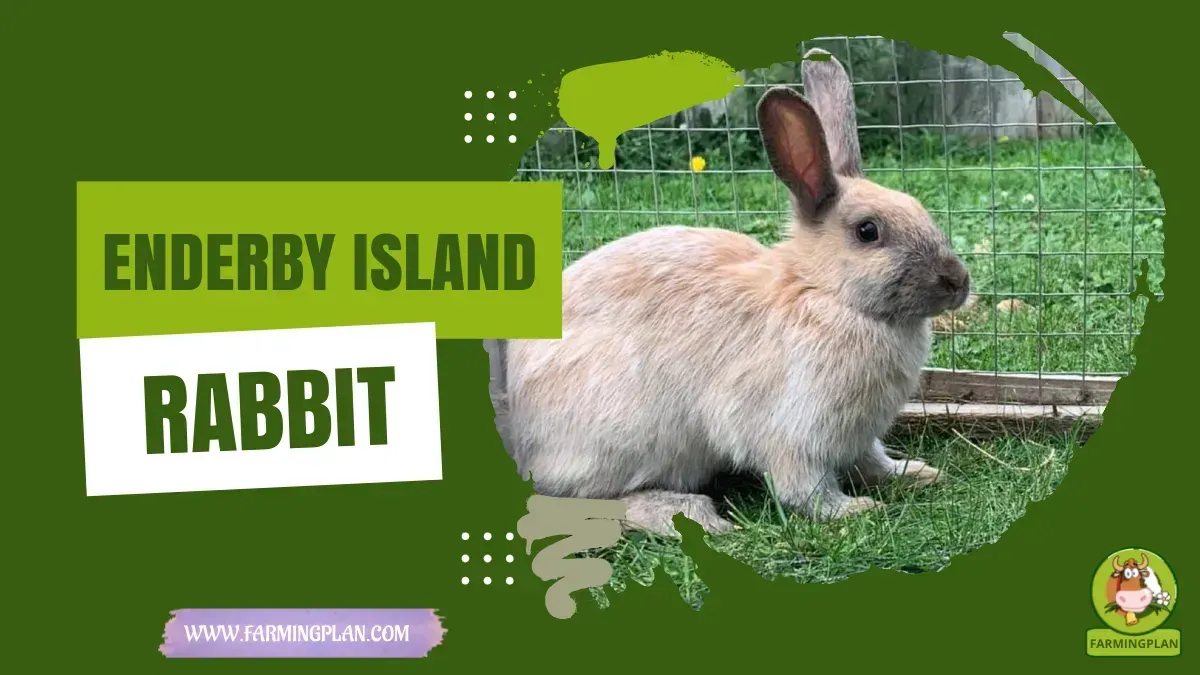
The Enderby Island rabbit is a compact, fine-boned rabbit weighing between 3.5 and 4.5 pounds (1.6 to 2.0 kg). They possess an upright, alert stance with well-furred upright ears measuring approximately 3.0 to 3.5 inches in length. Their eyes are dark brown, expressive, and framed by alert facial planes. Consistent daily observation helps keepers spot early changes in Enderby Island rabbit health and behavior.
Silver-Grey Pelage & Coat Genetics
The hallmark of the breed is its dense, lustrous silver-grey coat. When the fur is parted, it reveals a rich, slate-blue undercolor, followed by a dark charcoal mid-band and finished with shimmering white-silver ticking along the guard hair tips. The head, ears, and feet carry darker charcoal shading, while the belly and underside of the tail are silvery-white. A rare recessive black color phase occasionally appears, displaying deep jet-black fur without silver tipping. Clean housing, fresh water, and balanced nutrition remain essential for Enderby Island rabbit productivity.
Housing Design, Flooring Standards & Enclosure Safety
Because Enderby Island rabbits evolved on damp mossy ground and tussock hummocks, their feet are completely adapted to natural substrates. When kept in standard all-wire cages, their active hopping habits can lead to foot trauma if flooring is not thoughtfully engineered. Review cage builds and wire gauges in our rabbit housing guide.
Provide cages measuring at least 30 inches wide by 30 inches deep and 18 inches high. Floor wire must be 14-gauge, 1/2-inch by 1-inch galvanized wire paired with large slotted plastic resting pads or untreated wooden floor boards covering at least 40% of the cage bottom. Outdoor sheltered hutches must feature predator-proof hardware cloth, double latches, and windbreaks to shield against driving rain. Tracking feed intake and body condition supports long-term Enderby Island rabbit performance.
Thrifty Digestive Physiology & Nutritional Protocols
Having adapted to nutrient-sparse subantarctic flora, Enderby Island rabbits are exceptionally thrifty feed converters. Overfeeding rich commercial pellets or high-sugar treats causes rapid visceral obesity, hepatic lipidosis, and cecal gut stasis. Their diet must consist predominantly of coarse, high-silica roughage. Detailed forage selections are available in our rabbit feeding guide.
- Free-Choice Grass Hay: Provide unrestricted first-cutting Timothy hay, meadow grass, or orchardgrass at all times. Long fibers promote constant tooth wear and stimulate healthy gut motility.
- Measured Pelleted Rations: Restrict commercial 14% to 16% crude fiber pellets to no more than 1.5 to 2.5 ounces per adult rabbit daily.
- Avoid Legumes: Strictly avoid rich alfalfa hay, as its high calcium and protein load causes kidney strain and bladder sludge in this thrifty breed.
- Clean Fresh Water: Supply fresh water daily in sanitized heavy ceramic bowls or ball-bearing nipple bottles.
Veterinary Care, Biosecurity & Parasite Management
Due to decades of natural isolation, the Enderby Island rabbit carries remarkable genetic resistance to common environmental pathogens. However, captive populations remain susceptible to modern viral caliciviruses and internal parasites. Learn clinical triage and emergency protocols in our dedicated rabbit diseases manual. Following biosecurity best practices reduces disease risk in any Enderby Island rabbit operation.
Annual vaccination against Rabbit Hemorrhagic Disease Virus Serotype 2 (RHDV2) is mandatory to protect these irreplaceable bloodlines. In addition, monitor ear canals for Psoroptes cuniculi ear mites and inspect teeth every month for proper incisor alignment. For official breed registration pedigrees and heritage livestock conservation status, consult the Rare Breeds Conservation Society of New Zealand (RBCSNZ). Seasonal adjustments to shelter and diet keep Enderby Island rabbit thriving year-round.
Explore broader agricultural livestock stewardship principles across small ruminants and heritage herds in our livestock farming directory. Smallholders comparing closely related stock can also review our detailed Gotland Rabbit Care Guide.
Conservation Breeding & Linebreeding Protocols
Because the global population traces back to just 47 rescued foundation animals, maintaining genetic diversity requires meticulous pedigree tracking. Inbreeding depression can manifest as reduced litter sizes, congenital cataracts, or weakened immune responses. Responsible keepers maintain detailed pedigree records and avoid close sibling-to-sibling matings. Proper record-keeping makes breeding and culling decisions easier for Enderby Island rabbit keepers.
Does are attentive mothers, kindling 3 to 5 kits after a 31-day gestation. Does pull dense downy fur to line their kindling boxes and nurse their young once or twice daily. Young kits open their eyes at 10 to 12 days and begin nibbling grass hay at two weeks of age. Wean kits gradually between 6 and 8 weeks to avoid digestive weaning stress.
Heritage Stewardship Budget & Annual Upkeep Costs
Maintaining a small heritage breeding colony of Enderby Island rabbits is an accessible conservation effort for homesteaders and specialized breeders. The budget below details the annual expenses for managing a dedicated conservation breeding trio (2 does and 1 buck) producing two litters annually. Providing adequate space and ventilation prevents common stress issues in Enderby Island rabbit.
💰 Enderby Island Rabbit Conservation Trio Annual Operating Budget
| Expense Category | Resource Specifications & Quantities | Estimated Annual Cost | Conservation Benchmark |
|---|---|---|---|
| Premium Grass Hay (Timothy) | 8 square bales high-fiber grass hay | $95 – $120 | Primary dietary roughage (80% of intake) |
| Plain Commercial Pellets | 4 bags (50 lbs each) 14%–16% crude fiber pellets | $80 – $95 | Measured supplemental daily rations |
| RHDV2 Recombinant Vaccines | Annual immunization for breeding trio + retained kits | $120 – $160 | Essential defense against lethal calicivirus |
| Bedding & Pine Shavings | Kiln-dried pine shavings for nest boxes & trays | $60 – $80 | Maintains clean, dry hutch environments |
| Pedigree Registration & Society Dues | Heritage breed registry records & studbook fees | $40 – $60 | Validates genetic authenticity & bloodlines |
| Total Annual Upkeep Budget | Complete maintenance for conservation trio & offspring | $395 – $515 / year | Preserves a critically endangered subantarctic breed |
🐇 Enderby Island Rabbit Daily Hay & Pellet Calculator
Calculate daily Timothy hay (unlimited bulk), pellet rations, fresh greens, and clean water intake for your Enderby Island Rabbit.
Frequently Asked Questions (FAQ)
Where did the Enderby Island rabbit originally come from?
The breed originates from Enderby Island in the subantarctic Auckland Islands, located 300 miles south of New Zealand. Australian Silver Grey rabbits were released on the uninhabited island in October 1865 to provide food for shipwrecked mariners.
Why was the Enderby Island rabbit rescued in 1992?
In 1992, the New Zealand Department of Conservation launched an eradication program to protect endangered subantarctic native plants and sea lions. The Rare Breeds Conservation Society of New Zealand captured 47 live rabbits to preserve the unique feral bloodline from extinction.
What color is the Enderby Island rabbit coat?
The coat is predominantly silver-grey with slate-blue underfur, black guard hairs, and shimmering white-silver ticking. The ears, nose, and feet carry darker charcoal shading, while the belly is silver-white. A rare all-black non-silver phase also occurs.
How big do Enderby Island rabbits get?
Enderby Island rabbits are compact and lightweight, weighing between 3.5 and 4.5 pounds (1.6 to 2.0 kg) at maturity. Their small, thrifty frame allowed them to survive on sparse subantarctic coastal vegetation and rough grasses.
Are Enderby Island rabbits good pets?
Yes, Enderby Island rabbits make gentle, docile companions when handled from a young age. While they retain sharp alert instincts from their feral history, they are quiet, clean, and interact peacefully with attentive caregivers.
How many Enderby Island rabbits exist in the world today?
The Enderby Island rabbit remains critically endangered, with an estimated global population of only a few hundred individuals primarily maintained by dedicated heritage breeders in New Zealand and specialized international preservation programs.
Expert Summary & Heritage Stewardship Roadmap
The Enderby Island rabbit is a remarkable living demonstration of natural adaptation and survival under extreme environmental pressures. Honed by more than a century of subantarctic isolation, these hardy animals embody invaluable genetic traits including thrifty feed conversion and rugged vitality. Understanding breed-specific traits helps maximize Enderby Island rabbit longevity and output.
By providing low-energy, high-fiber grass hay diets, engineering clean cages with supportive resting boards, vaccinating against viral pathogens, and tracking pedigree lines diligently, heritage breeders safeguard this rare subantarctic treasure for future generations.
Expert Verdict & Next Steps for Enderby Island Rabbit Keepers
Successful management of Enderby Island Rabbit hinges on rigorous adherence to species-specific housing dimensions, precision daily nutrition, and proactive biosecurity protocols. Whether you are managing commercial production or establishing a self-sufficient homestead breeding flock, maintaining disciplined husbandry standards ensures long-term vitality, exceptional output yields, and sustainable enterprise profitability. Routine preventive care saves time and lowers veterinary costs for Enderby Island rabbit.
By pairing predator-proof shelter infrastructure with high-quality rations and regular veterinary wellness monitoring, growers can confidently optimize productive longevity across all life stages. For comprehensive operational management blueprints and companion breed guides, explore our complete technical library in Farming Plan Agricultural Guides.
📚Agricultural Reference & Scientific Citations
Standards and physiological data referenced in this guide comply with American Rabbit Breeders Association (ARBA), USDA APHIS Animal Health, and the FAO Domestic Animal Diversity Information System.