

⚡ American Buff Goose Quick Reference Data
| Weight Classification | Medium goose class; Gander: 18 lbs (8.2 kg), Goose: 16 lbs (7.3 kg) |
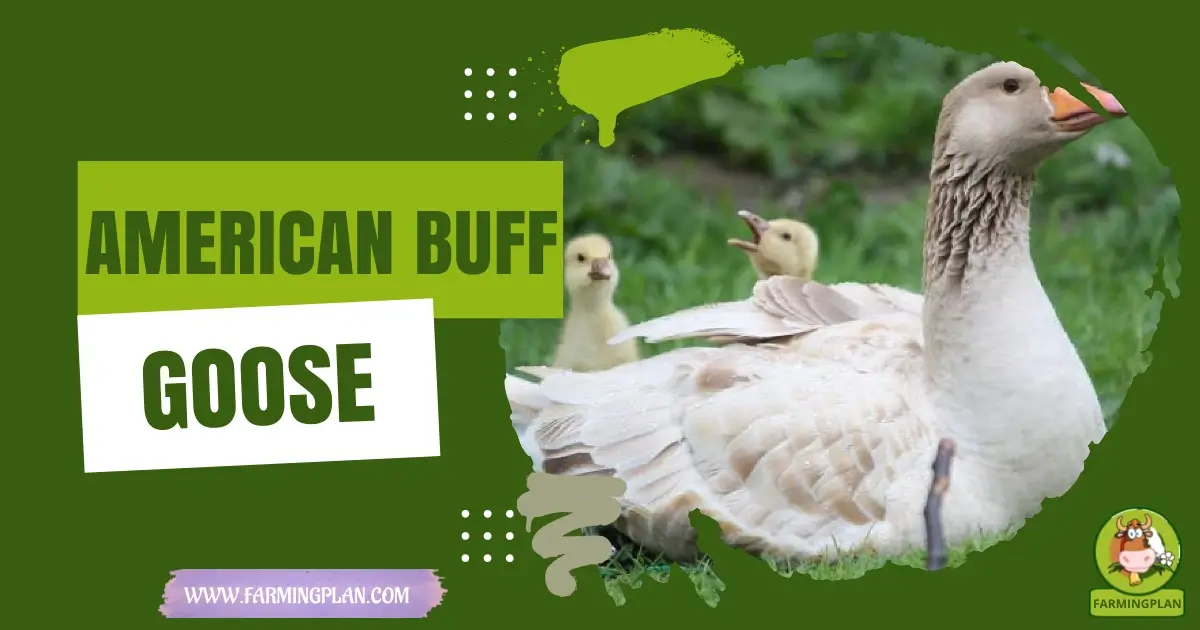
| Plumage Coloration | Soft apricot fawn with creamy white underparts and hazel eyes |
| Annual Egg Yield | 25 – 45 extra-large white eggs per breeding season |
| Incubation Period | 28 – 34 days; excellent natural maternal sitting instincts |
| Primary Homestead Role | Selective pasture weeding, homestead lawn mowing, lean roasting meat |
| Temperament | Docile, calm, friendly, and significantly quieter than Chinese geese |
| Forage Dependency | Herbivorous grazer; up to 80% daily diet from fresh pasture grasses |
| Cold Adaptation | Exceptional cold tolerance with dense thermal down feathering |
| Conservation Category | Watch priority on The Livestock Conservancy Conservation List |
The American Buff goose is the premier heritage medium-weight waterfowl breed developed on American soil. Originating in the Midwestern United States from gray Greylag ancestors and European buff mutations, this stately bird features an exquisite apricot-fawn plumage that glows under natural sunlight. Homesteaders and regenerative farmers celebrate american buff geese for their placid disposition, attentive parental devotion, and unmatched ability to convert grass pastures into gourmet roasting meat. Practical hands-on husbandry ensures consistent results when raising american buff goose.
Raising american buff goslings presents distinct operational advantages over aggressive guarding breeds. Known affectionately as the gentle giant of the goose world, the buff goose grazes peacefully alongside grazing cattle, sheep, and poultry without unprovoked territorial biting. Explore our comprehensive manual on pond management and biological water systems to construct clean swimming basins that maintain optimal plumage condition. Early intervention at the first sign of lethargy protects overall american buff goose flock or herd health.
Whether you manage a breeding flock of buff american geese for commercial holiday meat sales, agricultural exhibition, or chemical-free orchard weeding, specialized knowledge of pasture stocking, winter housing, and breeding nutrition is essential. This technical manual details breed history, grazing management, coop architecture, disease prevention, and financial budgeting. Structured culling and biosecurity protocols strengthen american buff goose genetic quality.
Midwestern Origins & Heritage Development
The American Buff goose was developed in the agricultural heartland of North America, predominantly across Missouri and surrounding Midwestern states, during the early twentieth century. American farmers crossed historical Pomeranian and Toulouse stock with regional buff-colored mutations derived from European wild Greylag fowl (Anser anser). The goal was to produce a medium commercial meat bird that was easier to dress cleanly than dark-pinfeathered gray breeds. Maintaining clean feeders and sanitized equipment supports sustainable american buff goose care.
Recognized officially by the American Poultry Association (APA) in 1947, the American Buff became the standard farmstead goose for family orchards, strawberry plantations, and cotton fields. Because buff pinfeathers are light-colored, plucked carcasses presented a clean, appetizing appearance free of dark follicular spots, commanding premium retail prices in regional markets. Consistent daily observation helps keepers spot early changes in american buff goose health and behavior.
With the industrial consolidation of poultry production around white hybrid turkeys and broilers, the American Buff experienced a severe population decline. Today, The Livestock Conservancy lists the breed on its “Watch” category, prompting heritage waterfowl smallholders to safeguard these hardy, low-input genetics. Breeders interested in comparing housing, diet, and productivity traits should see our Amorstream Goose husbandry guide. Clean housing, fresh water, and balanced nutrition remain essential for american buff goose productivity.
Physical Conformation & Plumage Standards
The American Buff is classified within the medium goose division. Standard adult weights established by the APA dictate 18 pounds (8.2 kg) for mature ganders and 16 pounds (7.3 kg) for adult geese. The body is broad, deep, and carried smoothly at an upward angle of roughly 15 to 20 degrees. The abdomen features a dual-lobed paunch that hangs symmetrically without touching the ground. Tracking feed intake and body condition supports long-term american buff goose performance.
Breed standard conformational points evaluated in exhibition judging include: Following biosecurity best practices reduces disease risk in any american buff goose operation.
- Plumage Shade: An even, warm apricot-fawn shade covering the neck, breast, back, and wings, with slight lighter edging on feather margins.
- Underparts & Vent: Creamy white underbody, stern, and abdominal paunch providing pleasing chromatic contrast.
- Bill & Feet: Rich orange bill with a pale horn bean at the tip; shanks and webbed feet are bright reddish-orange.
- Eye Color: Clear hazel eyes with an alert, gentle expression framed by a smooth, uncrested head.
Temperament & Pasture Grazing Behavior
Among domestic waterfowl, the American Buff is famed for its calm, friendly, and curious temperament. Unlike highly territorial Roman or African ganders that frequently hiss, charge, and nip visitors, American Buff ganders are notably mild-mannered. While they vocalize an alert warning when unfamiliar vehicles or predators approach the homestead, they rarely exhibit unprovoked aggression.
Geese are strict herbivores whose digestive tract is adapted for processing fibrous grasses. American Buffs excel as chemical-free “weeder geese” in orchards, berry plantings, and vineyards. They selectively consume noxious grassy weeds—such as Bermuda grass, crabgrass, and nutgrass—while ignoring mature woody perennial trunks and broadleaf fruit bushes. For perimeter protection strategies that shield grazing flocks from wild predators, consult our guide on predator-proof perimeter fencing. Seasonal adjustments to shelter and diet keep american buff goose thriving year-round.
Night Shelter & Pasture Infrastructure
Due to their dense insulating down and heavy body mass, American Buff geese are cold-hardy and comfortable resting outdoors in snow down to 0°F (-18°C). However, protection against nocturnal predators—specifically coyotes, foxes, and stray dogs—requires securing the flock inside a predator-proof night pen or barn stall every evening. To evaluate alternative bloodlines and practical management routines, check our Javakhetian Goose overview. Proper record-keeping makes breeding and culling decisions easier for american buff goose keepers.
Implement these technical waterfowl housing specifications:
- Floor Space: Provide 8 to 10 square feet per adult goose inside the night shelter, bedded with clean wheat straw or kiln-dried wood shavings.
- Ventilation: Continuous high-level wall venting to remove moisture and ammonia while shielding birds from direct ground drafts.
- Pasture Stocking: 20 to 30 adult geese per acre of established, well-managed legume-grass pasture under rotational grazing.
- Water Stations: Provide deep buckets or open troughs allowing complete head submersion to lubricate eyes and wash bill nostrils daily.
Nutritional Requirements & Seasonal Feeding
From spring through autumn, healthy pastures supply up to 80% of an adult American Buff’s nutritional requirements. Their efficient gizzard and microbial cecal fermentation convert fibrous cellulose into volatile fatty acids. However, supplementary grain rations are necessary during winter dormancy and the spring egg-laying cycle. Providing adequate space and ventilation prevents common stress issues in american buff goose.
⚡ Daily Nutritional Matrix for American Buff Geese
| Life Stage / Season | Crude Protein | Crude Fiber | Daily Supplement Portion | Primary Forage Source |
|---|---|---|---|---|
| Goslings (0–4 weeks) | 20 – 22% | < 4.0% | Free-choice waterfowl starter crumbles | Tender fresh lawn grass clippings & clean water |
| Active Pasture Grazing Adult | 14 – 15% | 8 – 12% | 1/4 to 1/3 cup whole oats per bird | Clover, orchard grass, rye pasture grazing |
| Breeding & Laying Goose | 16 – 18% | 6 – 8% | 1/2 to 3/4 cup waterfowl breeder pellets | Pasture greens + free-choice crushed oyster shell |
| Winter Maintenance | 12 – 14% | 10 – 14% | 1/2 cup cracked corn, wheat & oats blend | High-quality second-cut leafy clover/timothy hay |
Health Management, Parasite Control & Biosecurity
Geese are among the hardiest domestic livestock on earth, exhibiting natural resistance to many common poultry pathogens. However, pasture-based flocks face exposure to internal gizzard worms (Amidostomum anseris) and external waterfowl lice. Rotational grazing breaks parasite life cycles by allowing sunny pasture resting periods. Understanding breed-specific traits helps maximize american buff goose longevity and output.
Veterinary biosecurity should monitor for avian influenza and prevent lead shot toxicity from contaminated soil. Consult federal waterfowl biosecurity guidelines through the USDA APHIS Waterfowl Health Surveillance Program. Routine preventive care saves time and lowers veterinary costs for american buff goose.
⚡ Preventative Waterfowl Health Schedule
| Health Vector | Diagnostic Sign | Preventative Strategy | Clinical Intervention |
|---|---|---|---|
| Gizzard Worms (Amidostomum) | Emaciation, dull feathers, digestive slowing | Rotational grazing, clean drinkers off ground | Oral fenbendazole or levamisole deworming |
| Waterfowl Aspergillosis | Open-mouth breathing, tail bobbing, lethargy | Never feed moldy hay; maintain dry straw bedding | Antifungal therapy, supportive fluids, ventilation |
| Angel Wing Deformity | Flight feathers twisted outward during growth | Avoid excess protein (>22%) in growing goslings | Figure-eight wing taping within 48 hours of onset |
| Lameness & Pododermatitis | Reluctance to walk, swollen web lesions | Soft grassy runways; eliminate thorn brush | Epsom salt soak, antiseptic dressing, clean dry pen |
Estimated Annual Budget & Flock Economics
Operating a heritage breeding trio of American Buff geese (1 gander and 2 geese) produces steady gosling sales or roasting meat with exceptionally low feed inputs: Matching forage or ration quality to life stage optimizes american buff goose growth.
⚡ Estimated Annual Budget & Maintenance Costs (USD)
| Budget Category | Initial Outlay | Annual Maintenance | Expense Specification |
|---|---|---|---|
| Breeding Trio Stock (1M + 2F) | $220 | $0 | Three registered pedigree American Buff geese ($70–$75 each) |
| Predator-Proof Night Shelter | $550 | $40 | Heavy timber lockup shed with gravel pad and steel wire mesh |
| Winter Hay & Grain Supplement | $0 | $260 | Whole oats, breeder pellets ($180) + clover hay bales ($80) |
| Pasture Fencing & Water Basin | $320 | $50 | Electric poultry netting, 100-gallon rubber stock tank |
| Veterinary Supplies & Minerals | $40 | $70 | Oyster shell, poultry electrolytes, dewormers, wound antiseptic |
| Total Operational Budget | $1,130 | $420 | Projected total annual budget for maintaining an American Buff trio |
Interactive Feed & Resource Calculator
Estimate pasture stocking densities, seasonal grain rations, and expected meat dressing yields with our interactive waterfowl calculator: Gradual dietary transitions protect digestive stability in american buff goose.
🦆 American Buff Goose Flock Feed & Water Intake Calculator
Estimate daily balanced feed (lbs), fresh drinking/rinsing water requirements (Gal), indoor shelter, and monthly 50-lb feed bags for your American Buff Goose flock.
Frequently Asked Questions
Are American Buff geese aggressive toward people?
No. American Buff geese are widely regarded as one of the most docile and friendly goose breeds available. Unlike aggressive guard breeds, ganders rarely bite or attack caretakers, making them suitable for family homesteads and farms with children.
How many eggs does an American Buff goose lay each year?
An American Buff goose typically lays between 25 and 45 extra-large white eggs during the spring breeding season. They exhibit strong maternal brooding instincts and make attentive mothers if allowed to incubate their own clutches.
Can American Buff geese be used as garden weeder geese?
Yes. Their natural herbivorous diet makes them excellent biological weeders for orchards, vineyards, and berry fields. They consume nuisance grasses like crabgrass and nutgrass while leaving woody perennial stems and established fruit bushes unharmed.
What do American Buff geese eat during the summer?
In summer, American Buff geese obtain up to 80 percent of their daily diet directly from active pasture grazing, consuming clovers, dandelions, orchard grass, and tender shoots. They only require a modest evening ration of whole oats or grains.
Why is the American Buff goose considered a heritage breed?
Developed in the American Midwest in the early 1900s, it represents an indigenous dual-purpose meat and grazing variety. Due to modern industrialized poultry competition, it is currently listed on the Watch list of The Livestock Conservancy to safeguard its genetic diversity.
Breed Merits & Management Limitations
Key Advantages
- Gentle, friendly temperament suitable for family farms and hobbyists
- Exquisite warm apricot-fawn plumage that plucks cleanly for market meat
- Outstanding pasture conversion extracting 80% of summer diet from grass
- Attentive natural maternal brooding and reliable gosling rearing
- Exceptional winter hardiness and resilience to common avian ailments
Management Challenges
- Requires nightly predator-proof confinement to prevent coyote losses
- Seasonal egg laying restricted to early spring months (25–45 eggs)
- Heavy grazing pressure can foul small paddocks without regular rotation
- Goslings are susceptible to angel wing if overfed high-protein feeds
Expert Verdict & Next Steps for American Buff Goose Keepers
Successful management of American Buff Goose hinges on rigorous adherence to species-specific housing dimensions, precision daily nutrition, and proactive biosecurity protocols. Whether you are managing commercial production or establishing a self-sufficient homestead breeding flock, maintaining disciplined husbandry standards ensures long-term vitality, exceptional output yields, and sustainable enterprise profitability. Selecting healthy foundation stock is the cornerstone of successful american buff goose management.
By pairing predator-proof shelter infrastructure with high-quality rations and regular veterinary wellness monitoring, growers can confidently optimize productive longevity across all life stages. For comprehensive operational management blueprints and companion breed guides, explore our complete technical library in Farming Plan Agricultural Guides.
📚Agricultural Reference & Scientific Citations
1. The Livestock Conservancy: American Buff Goose Breed Profile & Conservation Guidelines.
2. American Poultry Association (APA): American Standard of Perfection: Geese Division Standards.
3. University of Missouri Extension: Pastured Waterfowl Management and Weeder Geese Protocols.


